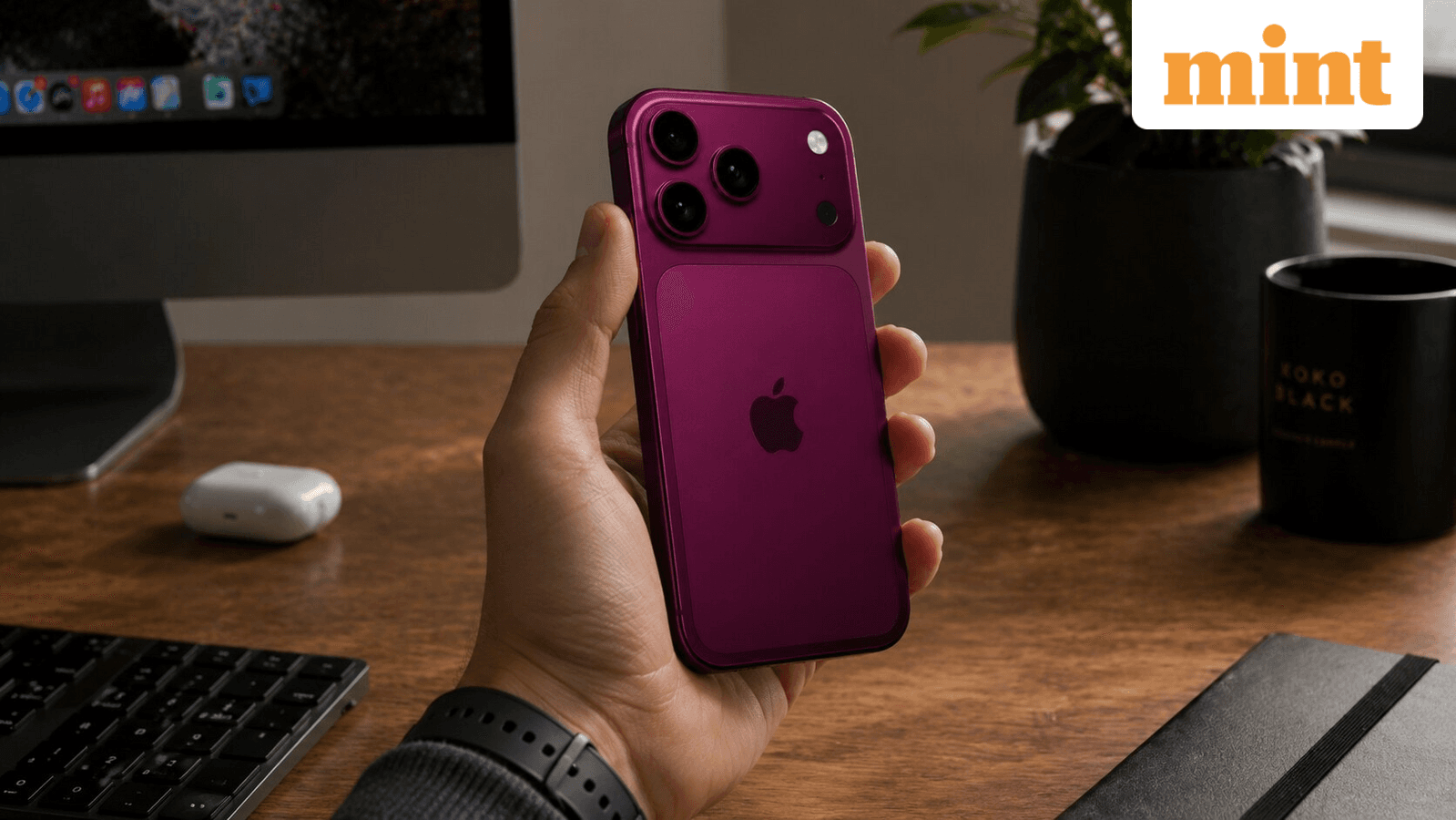
Pixel 11 prices will rise, Google confirms
Key Takeaways
Google Pixel 11 Pro XL - Google Just Confirmed the Bad News
- Google VP Shakil Barkat confirmed Pixel 11 will see price 'adjustments' due to memory costs
- RAM prices reportedly jumped from $2.80/GB in 2025 to $12/GB in 2026, a sixfold increase
- Leaked European prices suggest €100 increases, with the standard Pixel 11 starting at €999
Google will raise Pixel 11 prices. In an interview with 9to5Google, Shakil Barkat, the company's Vice President of Devices and Services, confirmed that the upcoming Pixel 11 series will see price "adjustments" when it launches at the Made by Google event on August 12. Barkat blamed what he called a "severe, supplier-driven RAM memory crisis" that has driven component costs far beyond what Google can absorb.
The confirmation ends weeks of speculation about whether Google would pass rising memory costs onto consumers. Barkat was direct about the cause: "There's never been an increase in memory prices like the world's going through right now." He cited Morgan Stanley data showing RAM prices have increased sixfold, from $2.80 per gigabyte in 2025 to $12 per gigabyte in 2026.
How much will Pixel 11 prices increase?
Google declined to reveal exact pricing ahead of the August 12 launch. But leaked figures from French outlet Dealabs paint a clearer picture. According to that report, European pricing would break down as follows: the standard Pixel 11 at €999 (up €100 from Pixel 10), the Pixel 11 Pro at €1,199 (also up €100), the Pixel 11 Pro XL at €1,399, and the Pixel 11 Pro Fold at €1,999.
If accurate, these prices represent a meaningful shift in Google's positioning. The company has historically undercut Apple and Samsung on flagship pricing. A €999 starting price for the standard Pixel 11 puts it squarely in iPhone territory.
Barkat emphasized that Google had resisted raising prices as long as possible. "We've shielded our consumers from supply fluctuations for as long as possible," he said, adding that "economics have fundamentally shifted and we're not immune to that." The phrasing suggests Google absorbed margin compression on the Pixel 10 generation rather than pass costs forward.
Samsung's warning about prolonged memory shortages adds context to the supply crisis driving Google's price increase
Why RAM prices jumped sixfold in one year
The memory market operates in boom-bust cycles, but the current spike is unusually steep. Several factors collided: AI infrastructure buildouts consumed massive quantities of high-bandwidth memory, smartphone makers increased RAM specifications across all price tiers, and supply lagged as chipmakers underinvested during the 2023-2024 downturn. Samsung, the world's largest memory producer, has warned the shortage could persist through 2028.
For context, a flagship phone with 12GB of RAM now costs Google roughly $144 in memory alone at current prices. A year ago, that same 12GB cost $33.60. The difference, $110 per unit, tracks closely with the €100 increase Dealabs reported. Google isn't padding margins here. It's passing through component costs.
This dynamic affects every phone maker, not just Google. Apple's iPhone 17 is widely expected to carry similar price increases. Samsung already raised Galaxy S26 prices in key markets. Budget phones, which rely on thinner margins, face even harder choices: cut RAM specs, raise prices, or exit the market entirely.
Google's plan to soften the blow
Barkat tried to blunt the impact with a familiar playbook. He pointed to promotions, trade-in offers, and bundled services like Google One as ways to "make the Pixel lineup accessible." The message: the sticker price is higher, but effective cost can be lower for buyers who engage with Google's ecosystem.
Trade-ins are increasingly central to phone economics. Google offered up to $600 trade-in credit toward the Pixel 10 for owners of recent Pixel devices. Expect similar or higher values for Pixel 11, given the higher launch prices. For someone upgrading from a Pixel 9 Pro, the out-of-pocket cost could remain flat even as list prices rise.
Google One bundling is a newer tactic. The company has been pushing its cloud storage and services subscription as a value-add for Pixel buyers. Free trial periods and discounted first-year pricing effectively reduce the phone's total cost of ownership, while creating recurring revenue for Google. It's a strategy borrowed directly from Apple's playbook with Apple One.
What this means for Pixel's market position
Google's hardware business has never been about volume. Pixel phones account for low single-digit market share globally. The value to Google is threefold: showcasing Android as it's meant to be experienced, serving as a testbed for AI features that later roll out to other devices, and maintaining leverage in negotiations with Samsung and other Android OEMs.
Higher prices complicate the first goal. Pixel's pitch has always been "flagship experience, reasonable price." At €999, that argument weakens. The phone competes directly with iPhone 17 and Galaxy S26 on price while lacking their brand recognition. Google will need to demonstrate clear AI differentiation to justify the premium.
Barkat's language about "dynamic" pricing adjustments is worth noting. It suggests Google may adjust prices regionally or over time as memory costs fluctuate. If RAM prices fall significantly by late 2026, mid-cycle price cuts are possible. That's unusual for phones but increasingly common in markets with volatile component costs.
Logicity's Take
Google's price increase is mathematically inevitable, not a strategic choice. When memory costs quadruple your component bill for a single part, absorbing it indefinitely isn't viable, even for a company with Google's margins. The real question is whether Pixel 11 can justify the price through AI features. Google has a narrow window: if Gemini on-device delivers capabilities iPhones and Galaxies can't match, the price increase disappears into value. If it doesn't, Pixel becomes a harder sell to anyone outside the Android enthusiast core. Watch what Google announces around local AI processing and multimodal capabilities on August 12. That's where the pricing story gets decided.
Timeline: From rumor to confirmation
Should you wait or buy now?
For Pixel 10 owners, there's no urgency. Your phone will receive software updates for years and benefits from the same AI features Google will highlight for Pixel 11. The year-over-year improvements in Android phones have slowed considerably. Unless you specifically need a feature Pixel 11 introduces, holding your current device makes financial sense.
For people buying into the Pixel ecosystem for the first time, the calculus is different. If you were planning to buy a Pixel 10 Pro at €1,099, that same money won't get you a Pixel 11 Pro at €1,199. You have two options: buy a Pixel 10 now while inventory lasts at current prices, or wait for Pixel 11 and pay the premium. The right choice depends on how much value you place on having the latest device versus saving €100.
One factor working against waiting: trade-in values drop once a new model launches. If you're trading in an older Pixel toward a purchase, doing it before August 12 typically yields better value. After the Pixel 11 launch, your Pixel 9 or 10 becomes the previous-previous generation, and Google's trade-in calculator reflects that immediately.
Frequently Asked Questions
When does Pixel 11 launch?
Google's Made by Google event is scheduled for August 12, 2026. Expect full pricing and availability details that day, with preorders likely opening immediately.
How much will Pixel 11 cost?
Leaked European prices suggest €999 for Pixel 11, €1,199 for Pixel 11 Pro, €1,399 for Pixel 11 Pro XL, and €1,999 for Pixel 11 Pro Fold. US pricing typically tracks similarly but in dollars.
Why are Pixel 11 prices increasing?
Google cites a severe RAM memory crisis. Morgan Stanley data shows RAM prices jumped from $2.80/GB in 2025 to $12/GB in 2026, a sixfold increase that adds roughly $100 to the component cost of each phone.
Need Help Implementing This?
Tracking hardware costs and product launch cycles for procurement decisions? Logicity's newsletter delivers weekly analysis on tech market shifts that affect enterprise buyers. Subscribe for updates on pricing trends, supply chain disruptions, and optimal purchase timing.
Source: mint / Aman Gupta
Huma Shazia
Senior AI & Tech Writer
Produced with AI assistance and reviewed by the Logicity editorial team. Learn more in our Editorial Policy.