Key Takeaways
- The iPhone 18 Pro Max reportedly packs a 5,500mAh battery, Apple's largest ever, but at the cost of increased thickness (9mm) and weight (240g).
- Apple's first 2nm chip, the A20 Pro, promises 15% faster performance and 30% better power efficiency using TSMC's new packaging technology.
- A manual aperture adjustment system for the primary lens would mark the biggest camera control upgrade since optical zoom arrived on iPhones.
Apple's iPhone 18 Pro series, expected in September, is shaping up to be one of the more substantial hardware updates in recent years. Leaks point to five meaningful changes: a massive 5,500mAh battery in the Pro Max, Apple's first 2nm processor, manual aperture control for the camera, a significantly smaller Dynamic Island, and a new Dark Cherry color replacing last year's Cosmic Orange.
The cumulative picture suggests Apple is tackling several longstanding complaints: battery life, camera flexibility, and the intrusive notch. Whether these changes justify the inevitable price premium depends on execution, but here's what the leaks reveal and what they mean for buyers waiting out the current cycle.
A 5,500mAh battery comes with trade-offs
According to tipster Ice Universe on Weibo, the Chinese variant of the iPhone 18 Pro Max will ship with a 5,500mAh battery. That's a significant jump from previous models and would finally put Apple in the same territory as Android flagships that have offered 5,000mAh+ cells for years.
The trade-off is physical. The iPhone 18 Pro Max reportedly grows to around 9mm thick and nearly 240g. For context, the iPhone 15 Pro Max measured 8.25mm and 221g. That's not a dramatic change on paper, but users who appreciated Apple's thinner-than-Android approach will feel the difference in hand.
The bigger battery also arrives alongside efficiency gains from the new A20 Pro chip and an upgraded LTPO+ display. Apple's actual battery life gains will depend on how much of that efficiency headroom gets consumed by new features versus extending screen-on time. The company's marketing will likely emphasize the latter, but real-world testing will tell the full story.
The A20 Pro: Apple's first 2nm chip
The iPhone 18 Pro series will reportedly debut the A20 Pro, Apple's first processor built on TSMC's 2nm process. The expected gains: up to 15% faster performance and 30% better power efficiency compared to its predecessor.
More interesting is the rumored use of TSMC's Wafer-Level Multi-Chip Module (WLM) packaging. This technology positions RAM physically closer to the system-on-chip, reducing latency for memory-intensive operations. Apple Intelligence features, which rely heavily on on-device inference, would benefit directly from faster memory access.
The 2nm transition matters beyond raw benchmarks. Process shrinks historically deliver the biggest power efficiency improvements, and Apple's A-series chips already lead the industry in performance-per-watt. The A20 Pro should extend that lead while enabling more aggressive on-device AI processing without draining the battery.
Manual aperture control: the camera upgrade photographers actually wanted
The most surprising leak involves camera hardware. Apple is reportedly planning a manual aperture adjustment system for the primary lens on the iPhone 18 Pro series. Unlike previous camera upgrades focused on megapixel counts or sensor sizes, this would give users direct control over depth of field and light intake.
Variable aperture exists on a few high-end Android phones, notably Samsung's Galaxy S9 from 2018, which offered f/1.5 and f/2.4 modes. But a true manual adjustment system across a wider aperture range would be a first for iPhones and could produce more natural bokeh effects than computational photography currently achieves.
For low-light photography, wider apertures let more light hit the sensor, reducing noise and motion blur. For portrait shots, narrower apertures keep more of the frame in focus. Giving users this control, rather than relying entirely on software processing, would appeal to photographers who've felt limited by fixed-aperture smartphone lenses.
The implementation details remain unclear. A mechanical iris would add complexity and potential failure points. Apple might opt for a multi-element system that achieves similar results through lens positioning rather than a true variable diaphragm.
Dynamic Island shrinks by 35%
Apple introduced the Dynamic Island in 2022 as a way to make the front-facing sensor cutout functional rather than just a dead zone. The pill-shaped area animates to show notifications, timers, and ongoing activities. It's clever software design, but it still consumes prime screen real estate.
The iPhone 18 Pro reportedly reduces the Dynamic Island's footprint by up to 35%. That's a substantial shrink, likely enabled by smaller Face ID components and a more compact front camera module. The reduction won't eliminate the cutout, but it addresses a common complaint that the island distracts from video content and full-screen apps.
Apple is also reportedly adopting LTPO+ display technology for improved power efficiency. LTPO (Low-Temperature Polycrystalline Oxide) already enables variable refresh rates from 1Hz to 120Hz. The "plus" variant presumably refines that capability further, potentially allowing more aggressive power savings when displaying static content.
Dark Cherry replaces Cosmic Orange
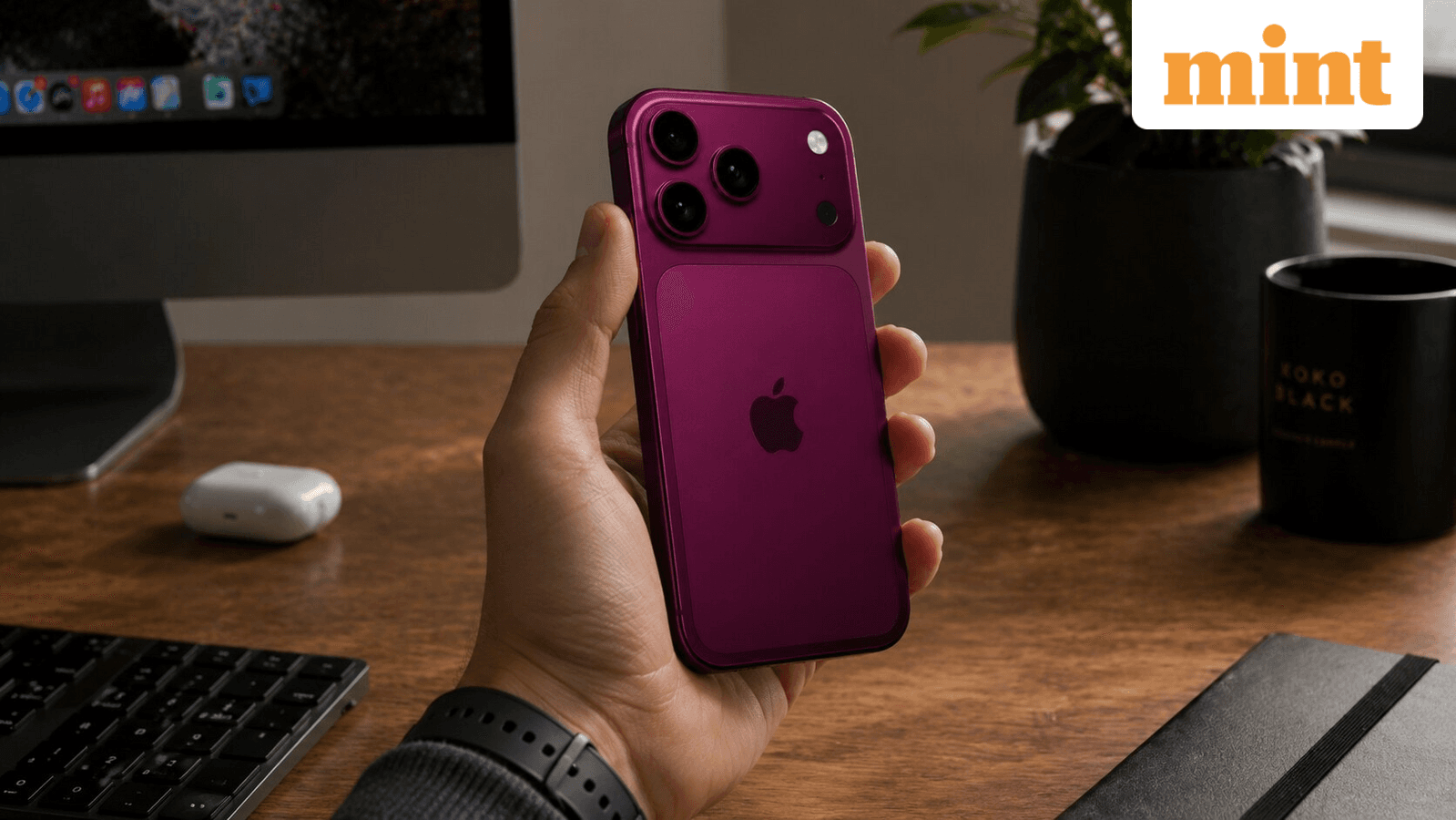
Color leaks are among the least consequential but most reliable predictions in the smartphone rumor cycle. The iPhone 18 Pro lineup reportedly drops Cosmic Orange in favor of Dark Cherry, described as a maroonish shade. Other options include Light Blue, Dark Gray, and Silver.
Apple rotates its standout Pro color annually, treating it as both a design refresh and a marketing differentiator. Last year's orange was polarizing. Dark Cherry suggests a more subdued, professional tone, though the actual shade will determine whether it reads as sophisticated or dated.
September launch, with a foldable waiting in the wings
Apple typically announces new iPhones in the first half of September, usually during the second week. The iPhone 18 Pro series should follow that pattern, arriving well before the holiday shopping season.
More intriguing is the rumor that Apple's long-awaited foldable iPhone will debut at the same event. A foldable would represent Apple's first new iPhone form factor since the Plus/Max variants arrived years ago. It would also mark Apple's entry into a category Samsung has dominated since 2019.
If both devices launch together, the foldable will likely absorb most of the press attention. That positioning could benefit buyers focused on the traditional Pro Max: Apple tends to discount previous-generation models when attention shifts to new form factors.
Google's confirmed price increase for the Pixel 11 adds context to flagship smartphone pricing trends heading into fall 2026.
What these leaks don't address
The leaks paint a picture of incremental but meaningful hardware improvements. What they don't reveal is equally important: pricing, storage configurations, and whether any of these features remain exclusive to the Pro Max or trickle down to the standard Pro.
The 5,500mAh battery, for instance, appears specific to the Pro Max. The standard Pro may not see the same capacity bump, maintaining the historical divide between Apple's large and extra-large flagships. Similarly, manual aperture control might debut exclusively on one model before expanding to others.
Pricing is the elephant in the room. The iPhone 15 Pro Max started at $1,199 in the US. A thicker, heavier device with 2nm silicon, advanced camera hardware, and a potential foldable sibling launching alongside could push prices higher. Apple has historically raised Pro Max prices in $50-100 increments when introducing major new capabilities.
Logicity's Take
These leaks suggest Apple is finally addressing the two areas where Android flagships have outpaced iPhones: battery capacity and camera control. The 5,500mAh cell and manual aperture represent genuine feature parity rather than catch-up spec bumps. For enterprise buyers standardizing on iPhone fleets, the bigger battery alone justifies waiting for the 18 Pro Max over deploying current models. The A20 Pro's memory architecture improvements also matter for organizations leaning into Apple Intelligence features; faster on-device processing means less reliance on cloud APIs and better data privacy. The trade-off is physical: a heavier, thicker phone that moves further from the slim profile Apple championed for years. That's a reasonable exchange for most users, but anyone who found the 15 Pro Max borderline too large should handle the 18 Pro Max before committing.
Frequently Asked Questions
When will the iPhone 18 Pro Max launch?
Apple typically announces new iPhones in the second week of September. Based on that pattern, the iPhone 18 Pro series should debut in early-to-mid September 2026.
How big is the iPhone 18 Pro Max battery compared to previous models?
The leaked 5,500mAh capacity would be Apple's largest iPhone battery ever. The iPhone 15 Pro Max shipped with approximately 4,422mAh, making this roughly a 24% increase.
What colors will the iPhone 18 Pro be available in?
Leaks indicate Dark Cherry (a maroonish shade), Light Blue, Dark Gray, and Silver. Cosmic Orange from the previous generation is reportedly being discontinued.
Need Help Implementing This?
Planning a device refresh for your team? Logicity's advisory service helps CTOs and IT leads evaluate flagship launch cycles, negotiate enterprise pricing, and time hardware purchases for maximum value. Reach out at advisory@logicity.in.
Source: mint / Aman Gupta
Manaal Khan
Tech & Innovation Writer
Produced with AI assistance and reviewed by the Logicity editorial team. Learn more in our Editorial Policy.