Key Takeaways
- Patreon now sees itself as an 'index of small business media companies' rather than a simple payment tool
- Conte reversed his stance on discovery features because relying on Meta and Google for audience access became untenable
- The shift from follower-based to interest-based algorithms has broken creators' direct reach to their audiences
Patreon CEO Jack Conte has reversed one of his longest-held positions. Five years after telling Nilay Patel he was adamantly opposed to building discovery features into Patreon, Conte now says the company had no choice but to become a direct competitor to Instagram and TikTok. The reason: platforms treat creators 'disgustingly,' and the flood of AI-generated content has made direct creator-to-fan connections more valuable than ever.
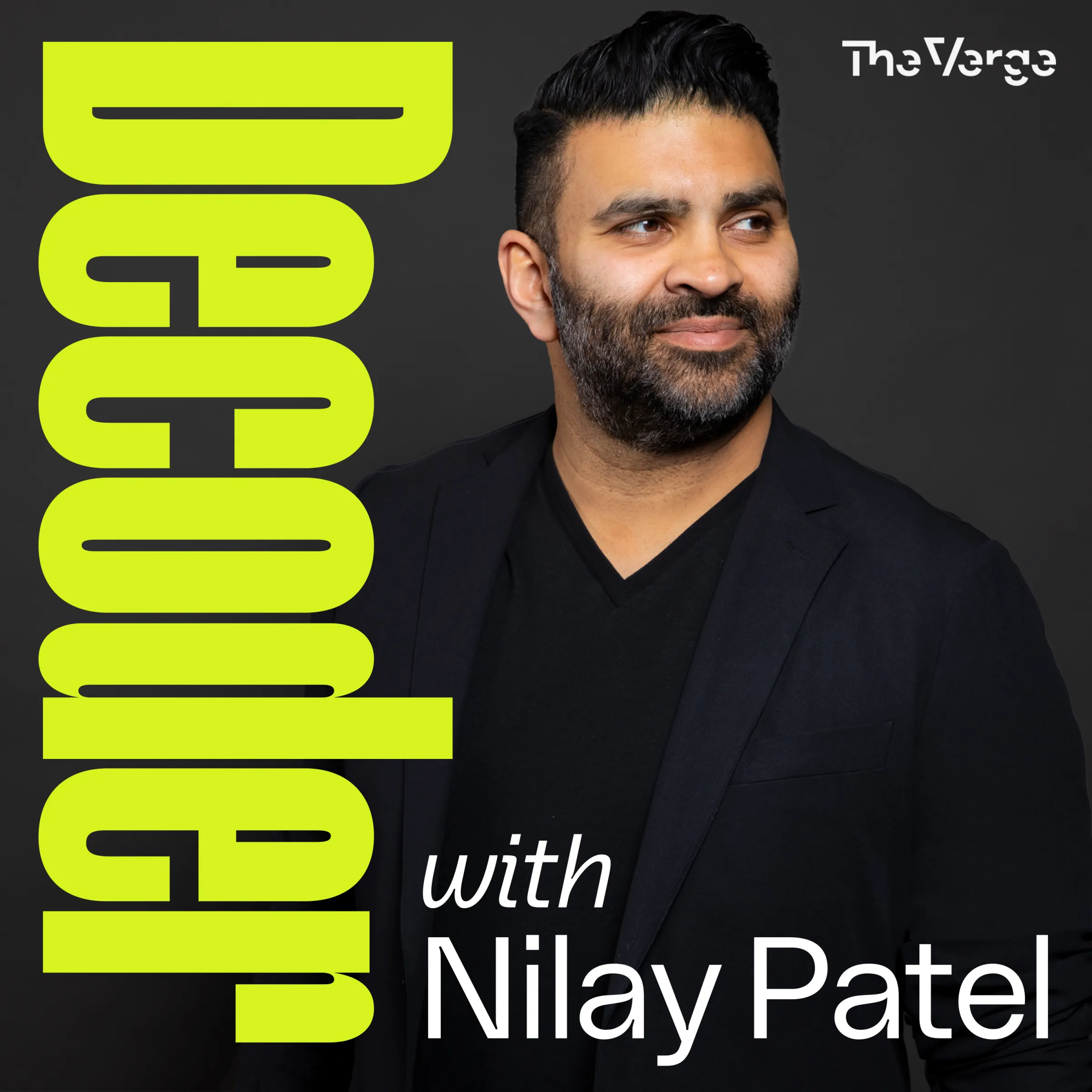
In a new Decoder interview, Conte described Patreon's current identity in starkly different terms than he would have in 2021. 'Patreon is essentially an index of small business media companies,' he said. 'We help those small business media companies thrive, get paid, and reach their fans.' That last part, reaching fans, represents the big shift. Patreon now builds the audience tools it once refused to touch.
Why Conte changed his mind on discovery
The logic is straightforward. If Patreon didn't build its own audience platform, every creator on it would remain dependent on Meta and Google to find customers. That dependency has become increasingly painful as social platforms moved from follower-based distribution to interest-driven algorithms.
Conte calls this shift 'the biggest change in the creator economy' over the past five years. When someone follows a creator on Instagram or YouTube, that follow no longer guarantees they'll see that creator's work. The algorithm decides. This breaks what Conte calls 'the deterministic line of reach' between creators and their audiences.
“If a creator can't reach their fans, then not only can a creator not build a true community around their work, but they also can't build a business around their work.”
— Jack Conte, CEO of Patreon
The comparison to 'Google Zero' is apt. Just as Google has increasingly kept users on its own pages rather than sending traffic to publishers, social platforms now keep attention circulating within their feeds rather than directing it toward creators' own channels. Publishers learned this lesson painfully. Creators are learning it now.
The AI slop problem and Patreon's bet
Conte's timing matters. Social feeds are now saturated with what he calls 'AI slop,' cheap, algorithmically-generated content that crowds out human creators. This creates an opening for platforms built around authentic human connection rather than engagement optimization.
Patreon's bet is that real people will pay to connect with real artists. In a world where generic content is nearly free to produce, the scarce resource becomes genuine creative vision and the relationship between artist and audience. That scarcity, Conte argues, gives Patreon a business advantage.
The headline from the interview captures his philosophy: he doesn't 'want to make better cigarettes.' Conte is explicitly refusing to optimize for the addictive engagement patterns that drive social platforms. Whether that's viable at scale remains the open question.
What Conte means by 'disgusting' treatment
Conte didn't mince words about how platforms treat the people who make content for them. 'Disgusting' is a strong term from a CEO, but it reflects genuine frustration in the creator community. Big tech companies train AI models on creative work without permission or compensation. They change algorithms overnight, wiping out creators' reach with no recourse. They take a cut of revenue while providing diminishing value in return.
His prediction: this will continue. Large platforms will keep taking what they want from creators because they can. The power imbalance is structural. Writers, musicians, and artists will be 'left holding the bag' unless they build direct relationships with audiences that don't depend on platform goodwill.
The numbers behind Patreon's position
Patreon's scale gives it credibility in this argument. The company has paid out over $250 million to creators, with more than 250,000 actively earning money from over 8 million patrons. These aren't theoretical stakes. Conte runs a company whose revenue directly tracks creator success.
The creator economy overall is projected to reach $480 billion by 2027. Patreon's slice of that depends on whether creators can actually build sustainable businesses on its platform. Discovery features are the new bet to make that happen.
From payment processor to platform
The identity shift Conte describes is real. Patreon started as a payment tool: fans pay creators, Patreon takes a cut. Simple. Now Conte wants it to be something more, a destination where people discover new creators, not just pay ones they already follow.
This puts Patreon in direct competition with much larger companies. Instagram, TikTok, and YouTube all want to own creator discovery. They have vastly more users, more data, and more engineering resources. Patreon's pitch is that it offers something those platforms can't: a business model where creator success and platform success actually align.
Whether audiences will use Patreon for discovery rather than just payment is the test. Conte is betting that the AI slop era makes authentic human connection valuable enough that people will seek it out. That's a bet on changing user behavior, always harder than improving existing products.
Frequently Asked Questions
Why did Patreon add discovery features after opposing them?
Conte says relying on Meta and Google for audience reach became untenable as those platforms shifted to interest-based algorithms that break creators' direct connection to followers.
What does Jack Conte mean by 'AI slop'?
The term refers to low-quality, algorithmically-generated content that floods social media feeds and crowds out work from human creators.
How does Patreon plan to compete with TikTok and Instagram?
Patreon is positioning itself as a platform where creator and platform incentives align, focused on paid relationships rather than engagement-driven advertising.
What did Conte mean by not wanting to 'make better cigarettes'?
He's refusing to optimize for addictive engagement patterns, instead building for meaningful creator-audience connections.
Logicity's Take
Conte's argument is coherent, but Patreon faces a chicken-and-egg problem. Discovery features only work if enough users browse Patreon looking for new creators. Most people don't open Patreon to browse; they arrive via external links. Converting payment users into discovery users requires changing habits that social platforms have spent billions reinforcing. The AI slop critique is valid, but being right about the problem doesn't guarantee being the solution.
Another example of how AI tools are reshaping business evaluation and creative work
Need Help Implementing This?
Building a creator business or evaluating platform strategy? Logicity covers the tools, platforms, and business models shaping the creator economy. Subscribe to our newsletter for weekly analysis.
Huma Shazia
Senior AI & Tech Writer
Produced with AI assistance and reviewed by the Logicity editorial team. Learn more in our Editorial Policy.




