
Key Takeaways

- CVE-2026-0300 allows unauthenticated attackers to run code with root privileges on exposed Palo Alto firewalls
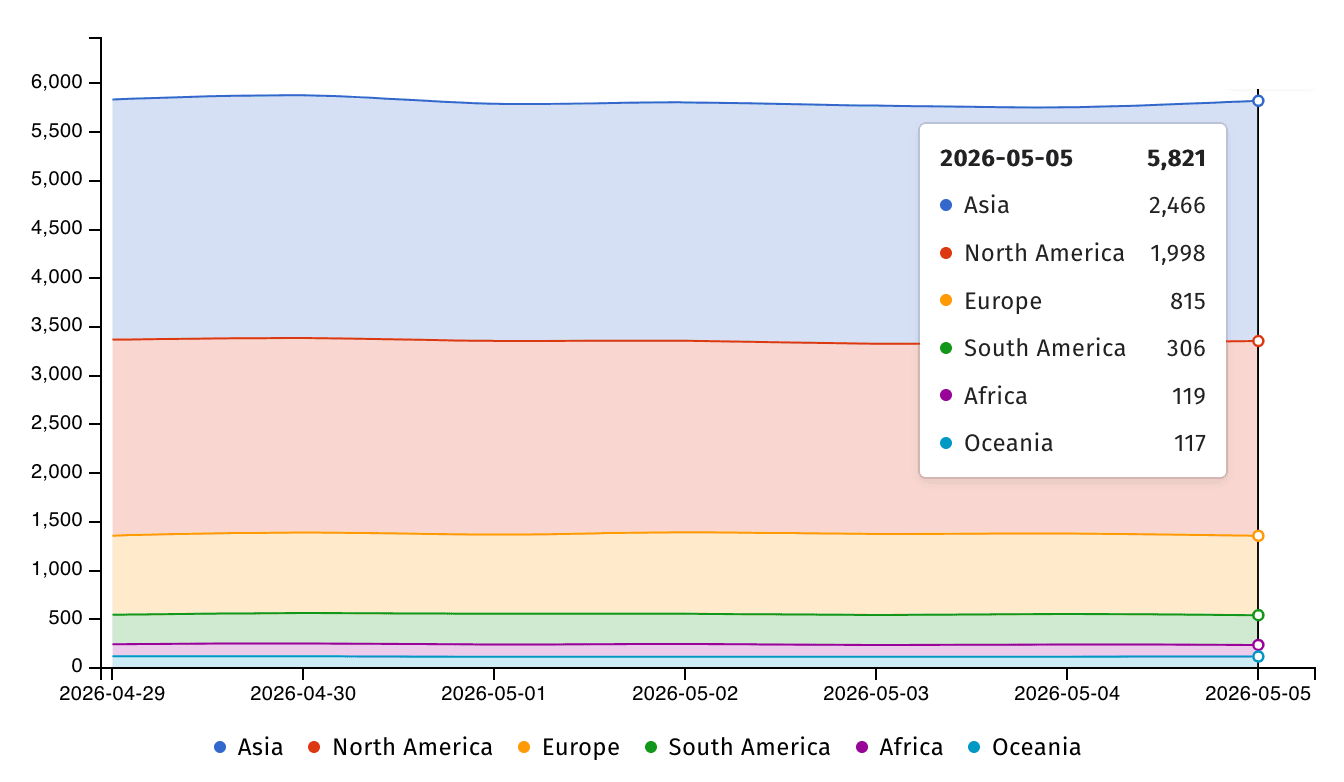
- Over 5,800 vulnerable VM-series firewalls are currently internet-facing, mostly in Asia and North America
- No patch is available yet. Palo Alto recommends restricting User-ID Authentication Portal access or disabling it entirely
Palo Alto Networks disclosed a critical zero-day vulnerability in its firewall software on Wednesday, warning customers that attackers are already exploiting it in the wild. The flaw, tracked as CVE-2026-0300, affects the User-ID Authentication Portal in PAN-OS and allows unauthenticated remote code execution with root privileges.
No patch is available. The company is still working on a fix and has labeled the vulnerability as maximum severity.
What the Vulnerability Does
The User-ID Authentication Portal, also called the Captive Portal, handles authentication for users whose identities the firewall cannot automatically map. CVE-2026-0300 stems from a buffer overflow weakness in this component.
An attacker can send specially crafted packets to an internet-exposed PA-Series or VM-Series firewall and execute arbitrary code with root privileges. No authentication is required. No user interaction is needed.
“Limited exploitation has been observed targeting Palo Alto Networks User-ID Authentication Portals that are exposed to untrusted IP addresses and/or the public internet.”
— Palo Alto Networks security advisory
The company noted that organizations following standard security practices, such as restricting sensitive portals to trusted internal networks, face significantly lower risk.
Over 5,800 Firewalls Exposed Online
Internet threat monitoring service Shadowserver is currently tracking more than 5,800 PAN-OS VM-series firewalls exposed to the public internet. Asia leads the exposure count with 2,466 devices, followed by North America with 1,998.

Each of these devices represents a potential entry point for attackers exploiting CVE-2026-0300. Organizations running internet-facing Palo Alto firewalls should check their configurations immediately.
How to Check If You're Affected
Palo Alto Networks has provided instructions for administrators to verify their exposure. To check if your firewall uses the vulnerable service:
- Navigate to Device > User Identification > Authentication Portal Settings
- Look for the "Enable Authentication Portal" option
- If enabled and exposed to the internet, your device is at risk
Mitigations Until a Patch Arrives
With no patch available, Palo Alto Networks "strongly" recommends two mitigation approaches:
- Restrict User-ID Authentication Portal access to trusted zones only
- Disable the portal entirely if restricting access is not feasible
Neither option is ideal for organizations that rely on the Captive Portal for user authentication. But leaving the portal exposed while attackers have a working exploit is worse.
A Pattern of PAN-OS Zero-Days
This disclosure continues a troubling pattern for Palo Alto Networks. PAN-OS firewalls have been targeted repeatedly over the past 18 months:
The scale of Palo Alto's customer base makes these vulnerabilities particularly concerning. The company says its products are used by more than 70,000 customers worldwide, including 90% of Fortune 10 companies and most major U.S. banks.
Logicity's Take
What Security Teams Should Do Now
The immediate priority is clear: audit your Palo Alto firewall configurations today. Check which devices have the User-ID Authentication Portal enabled. Verify whether those devices are reachable from untrusted networks.
If you cannot restrict or disable the portal, monitor for signs of compromise. Look for unexpected administrative actions, unusual outbound connections, or changes to firewall rules. Document your exposure for your incident response plan.
When Palo Alto releases a patch, apply it immediately. Given the confirmed exploitation, this is not a "wait and see" situation.
Frequently Asked Questions
What is CVE-2026-0300?
CVE-2026-0300 is a critical buffer overflow vulnerability in the PAN-OS User-ID Authentication Portal. It allows unauthenticated attackers to execute code with root privileges on affected Palo Alto firewalls.
Which Palo Alto firewall models are affected?
PA-Series and VM-Series firewalls running PAN-OS with the User-ID Authentication Portal enabled are vulnerable if exposed to untrusted networks.
Is there a patch available for CVE-2026-0300?
No. Palo Alto Networks is still developing a patch. In the meantime, the company recommends restricting portal access to trusted zones or disabling it entirely.
How do I check if my firewall is vulnerable?
Go to Device > User Identification > Authentication Portal Settings in your firewall's management interface. If "Enable Authentication Portal" is active and the device is internet-facing, it's at risk.
Are attackers actively exploiting this vulnerability?
Yes. Palo Alto Networks confirmed limited exploitation is already occurring against portals exposed to the public internet.
Need Help Implementing This?
Source: BleepingComputer
Huma Shazia
Senior AI & Tech Writer
Produced with AI assistance and reviewed by the Logicity editorial team. Learn more in our Editorial Policy.