Key Takeaways
- DVD recorders offered near-perfect recording quality compared to VHS's consistent degradation
- Format wars between DVD-R, DVD+R, and DVD-RAM confused consumers and delayed adoption
- Digital streaming arrived before DVD recorders could establish a foothold in most homes
The Promise DVD Recorders Made
Anyone who recorded thousands of hours of television onto VHS knows the frustration. Early VCRs were notoriously difficult to program. The recording quality from TV broadcasts never matched the source. Even with digital sources, expensive analog cables, and premium tape, VHS quality fell short.
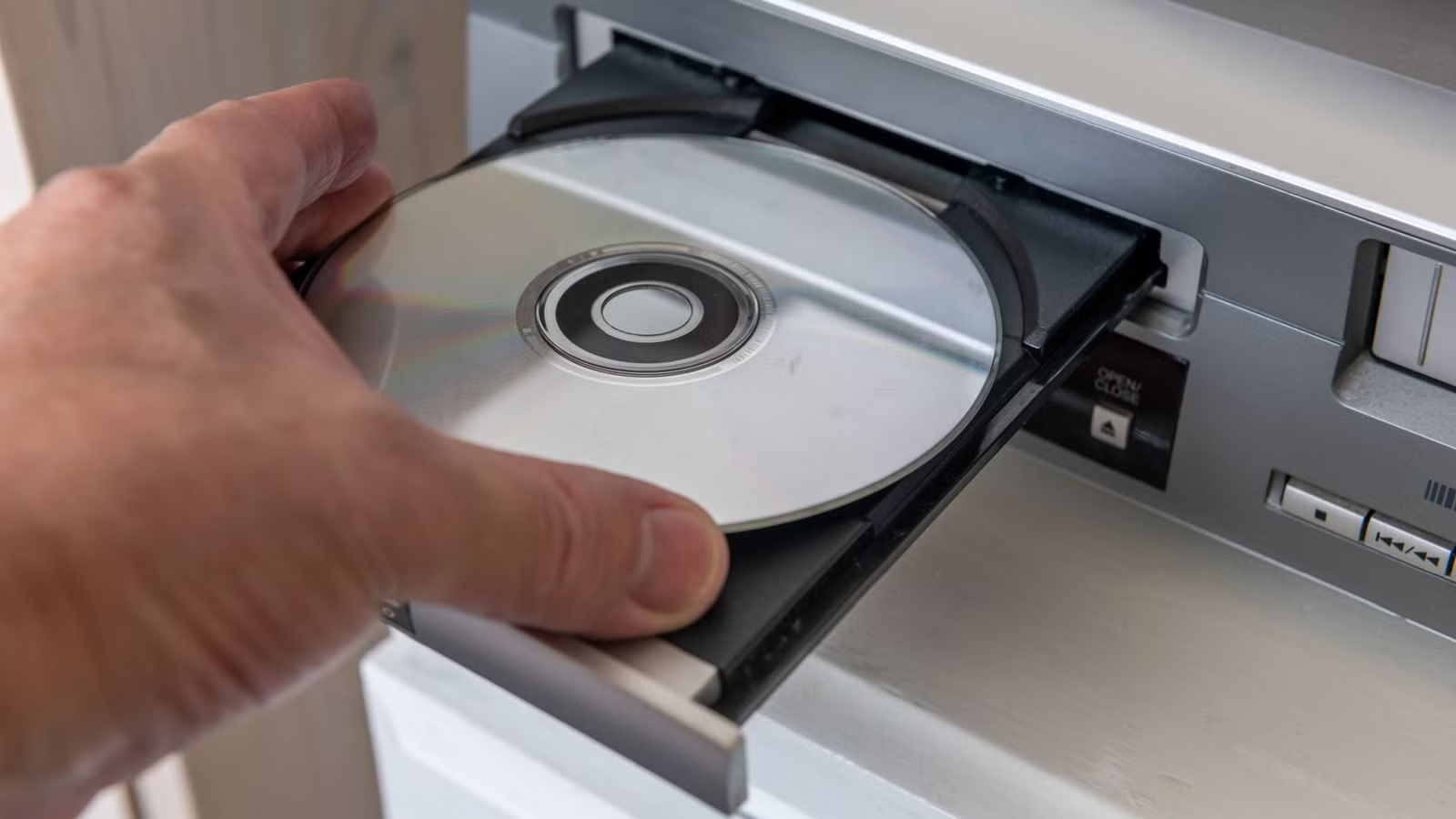
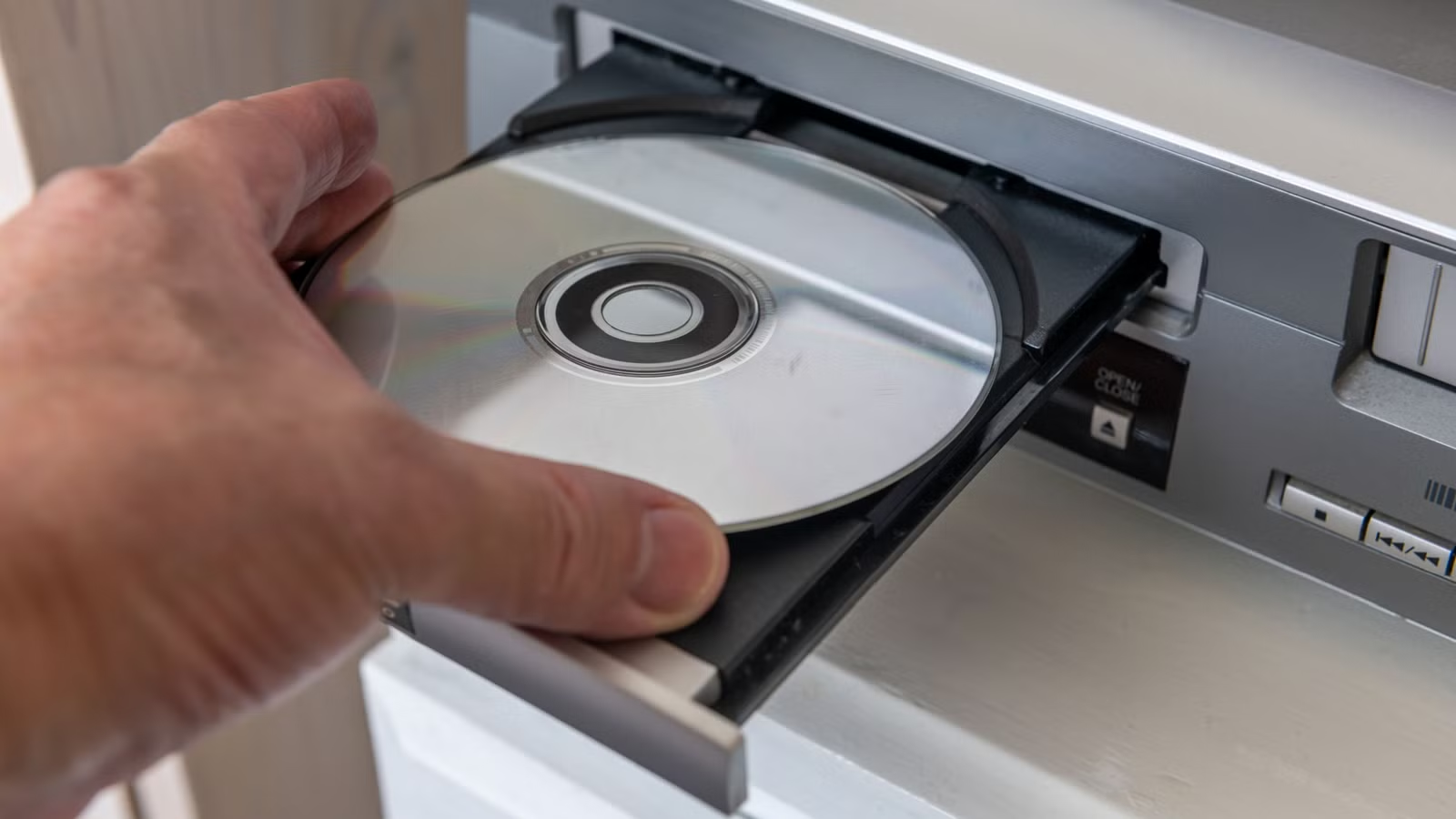
DVD recorders promised to fix all of this. Using DVD-R and sometimes DVD-RAM formats, they could capture video quality nearly identical to the source material. Higher resolution. Better colors. And most importantly, your tenth viewing looked as good as your first.
VHS tapes degraded with each play. They wore out. They got eaten by machines. DVD recordings were permanent. You could jump to any chapter instantly instead of fast-forwarding through tape. On paper, this was no contest.
The LaserDisc Precedent
This wasn't the first time a superior optical format lost to VHS. LaserDisc offered twice the resolution of VHS and clearly better picture quality. Yet VHS dominated the home video market completely.
The most plausible explanation: VHS let people record TV programs to watch later. Buying home movies wasn't something most consumers knew they wanted. VHS got its foot in the door through time-shifting, and once established, the rental and purchase market followed.
So when DVD quality surpassed both LaserDisc and VHS, why didn't DVD recorders achieve the same time-shifting dominance? Why did households keep their DVD players sitting right next to their VHS recorders instead of replacing them?
Three Problems That Killed DVD Recording
1. Timing Was Wrong
DVD recorders arrived in the early 2000s, just as digital video recording was emerging in other forms. TiVo launched in 1999. Hard drive-based DVRs offered more convenient recording without the need for physical media. Cable and satellite providers started bundling DVR functionality into their set-top boxes.
By the time DVD recorders reached affordable prices, many households had already solved the time-shifting problem another way.
2. Format Wars Created Confusion
DVD recording never had a single standard. Consumers faced a confusing choice between DVD-R, DVD+R, DVD-RW, DVD+RW, and DVD-RAM. Different recorders supported different formats. Compatibility was inconsistent. Would the disc you burned play in your friend's DVD player? Maybe.

This fragmentation stalled adoption. Consumers who remembered the VHS versus Betamax battle didn't want to bet on the wrong format again. Many waited. And while they waited, streaming arrived.
3. Complexity Beat Convenience
VHS recording was simple in concept: put tape in, press record. DVD recording introduced encoding options, disc finalization requirements, and capacity calculations. A standard DVD held about two hours of video at decent quality, or more at lower quality. Users had to make decisions VHS never required.
The complexity wasn't insurmountable. But it was just enough friction that casual users stuck with what they knew.
The Streaming Knockout Punch
Netflix launched its streaming service in 2007. Hulu followed in 2008. Within a few years, the entire premise of recording TV shows to watch later became less relevant. Why record a show when you can stream it whenever you want?
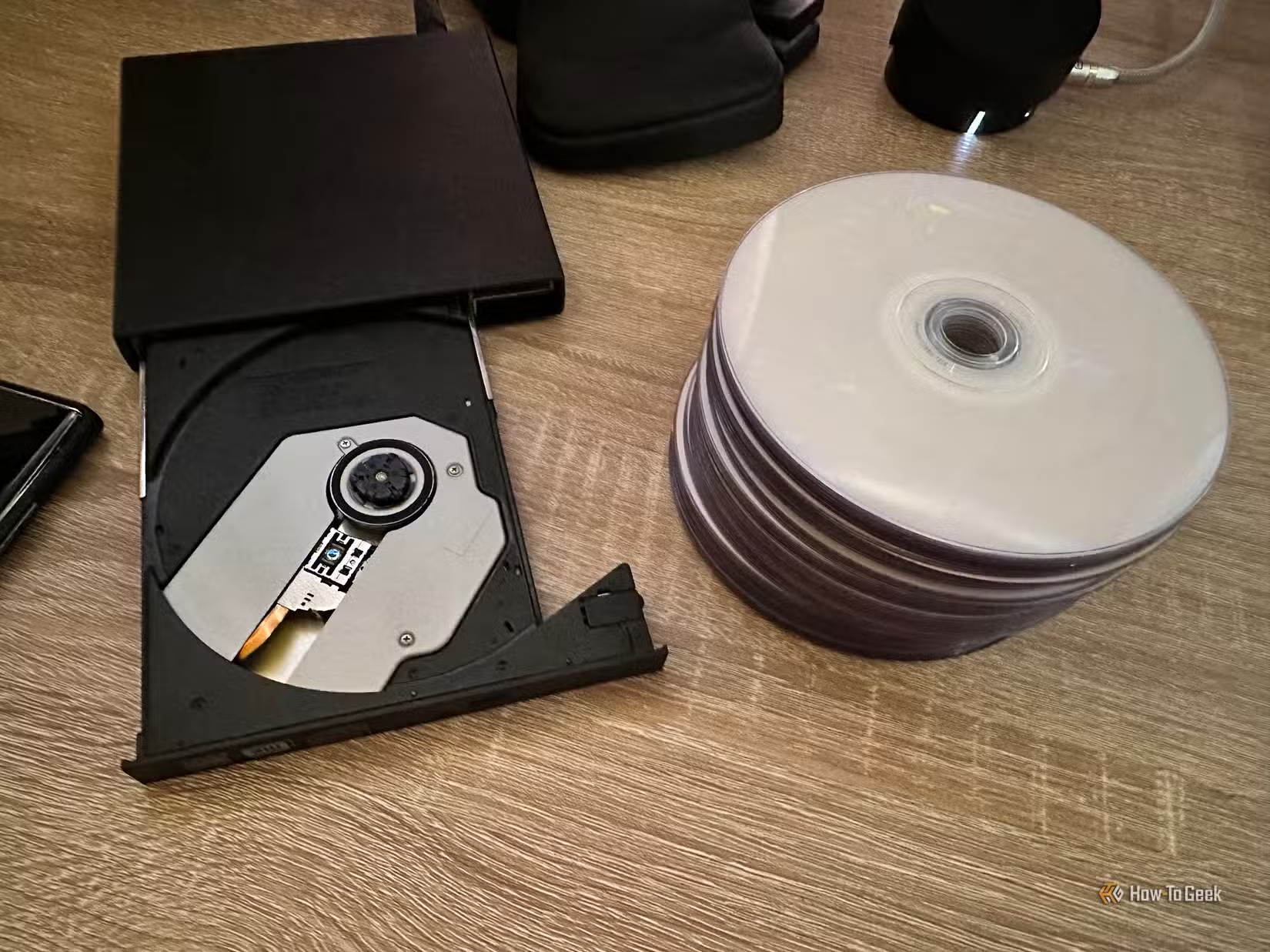
DVD recorders needed a longer runway to establish themselves. They didn't get it. The window between 'affordable DVD recorders' and 'streaming makes this pointless' was too narrow.
The Lesson for Tech Adoption
Superior technology doesn't guarantee market success. DVD recorders were objectively better than VHS at the core task of recording and playing back video. But better doesn't matter if the timing is wrong, the standards are fragmented, and a paradigm shift makes the entire product category irrelevant.
VHS won against LaserDisc by solving a problem people had: time-shifting. DVD recorders tried to solve that same problem better, but by the time they were ready, other solutions had emerged, and soon the problem itself would disappear.
Logicity's Take
Another example of technology consolidation making standalone tools obsolete
Frequently Asked Questions
Were DVD recorders actually better than VHS?
Yes. DVD recorders offered higher resolution, better color accuracy, instant chapter access, and no degradation over repeated viewings. VHS tapes wore out with use and never matched source quality.
Why did the DVD format war hurt DVD recorders?
Consumers faced confusing choices between DVD-R, DVD+R, DVD-RW, DVD+RW, and DVD-RAM. Compatibility between formats and players was inconsistent, causing many buyers to wait rather than risk choosing the wrong format.
What ultimately killed DVD recorders?
Streaming services. Netflix and Hulu made the entire concept of recording shows for later viewing increasingly irrelevant. The window between affordable DVD recorders and widespread streaming was too short.
Did anyone use DVD recorders successfully?
Yes. Enthusiasts and professionals who needed archival-quality recordings used them. But mainstream consumers largely skipped from VHS to DVRs and then to streaming without adopting DVD recording.
Need Help Implementing This?
Source: How-To Geek
Manaal Khan
Tech & Innovation Writer
Produced with AI assistance and reviewed by the Logicity editorial team. Learn more in our Editorial Policy.