Key Takeaways
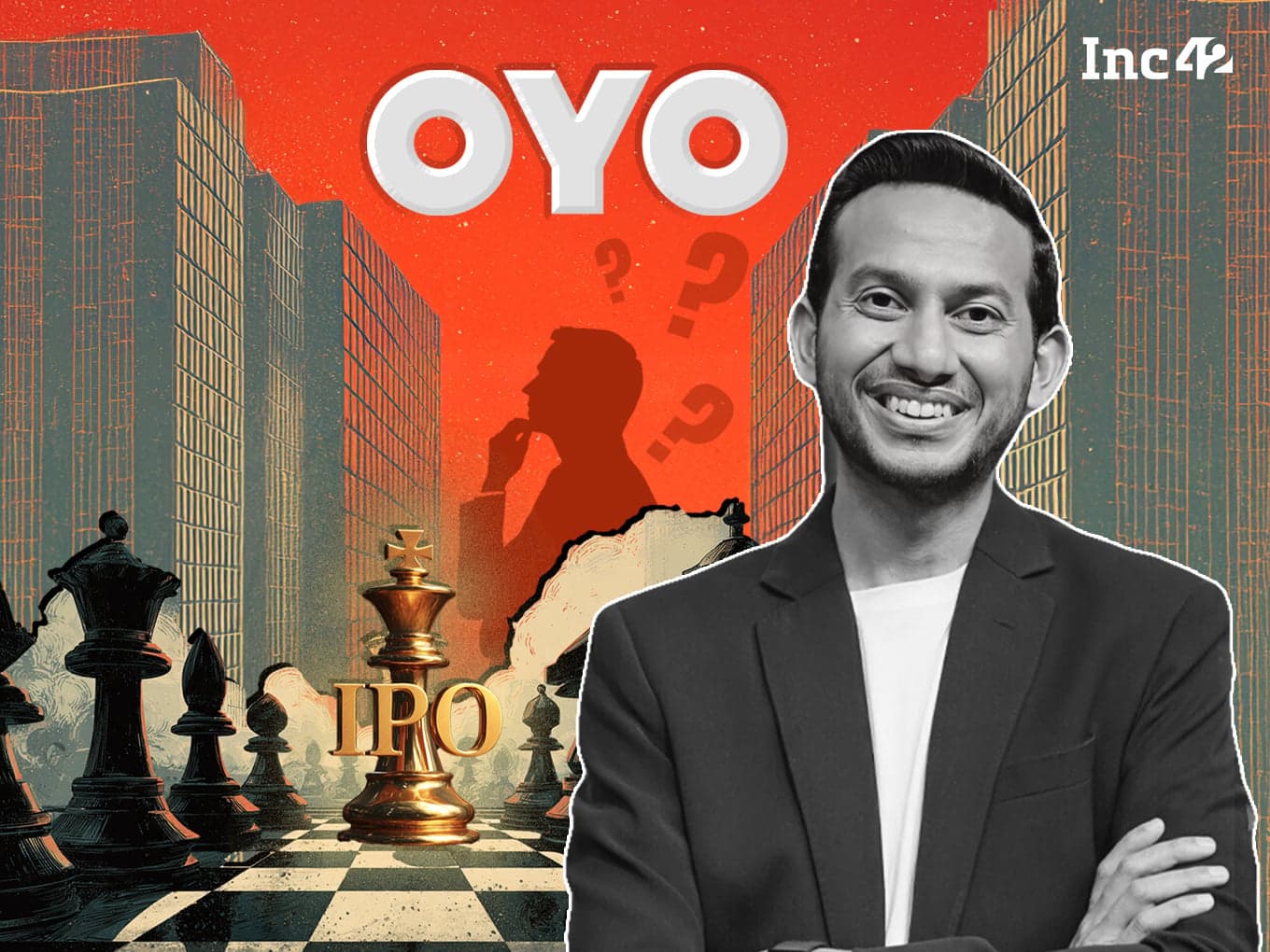
- PRISM filed for a ₹6,650 Cr IPO with no OFS component, signaling existing investors aren't looking to exit
- ₹4,987 Cr of the proceeds will go toward debt repayment, with the rest for general corporate purposes
- OYO targets $7-8 Bn valuation, roughly 25-35% below its 2019 peak of $9.6 Bn
OYO's parent company PRISM has filed its updated draft red herring prospectus with SEBI for a ₹6,650 Cr IPO. The offering consists entirely of fresh shares. No existing investors are selling, which tells you something about where they think the stock is headed.
This filing comes after SEBI granted approval earlier this month. PRISM had submitted its papers through the confidential route back in December 2023. The company is targeting a valuation between $7 Bn and $8 Bn for the public issue.
Where will the money go?
The bulk of it goes to creditors. PRISM plans to use ₹4,987 Cr, roughly 75% of the IPO proceeds, to repay or prepay borrowings. The remaining capital will fund general corporate purposes. This debt-heavy allocation reflects the financial reality of running a hospitality business through COVID-19 and aggressive global expansion.
PRISM may also raise up to ₹1,330 Cr through a pre-IPO placement. If completed, this amount would be deducted from the main issue.
A long road to public markets
Ritesh Agarwal founded OYO in 2013 at age 19. The company grew fast, backed heavily by SoftBank, eventually operating across 35+ countries with over 157,000 hotels on its platform. But the IPO journey has been anything but smooth.
OYO first filed its DRHP in September 2021, aiming to raise about $1.2 Bn at a valuation of $11 Bn to $12 Bn. Market conditions forced a postponement. The company pre-filed again in 2023 but didn't proceed. This is the third serious attempt.
The target valuation has come down significantly. At its 2019 peak, OYO was valued at $9.6 Bn. The current $7-8 Bn target represents a 17-27% discount from that high. SoftBank and other investors marked down their internal valuations substantially during the tech market correction of 2022-23.
Why no OFS?
The absence of an offer-for-sale component is notable. When early investors and founders don't sell shares at IPO, it usually signals confidence that the stock price will rise post-listing. It can also mean the current valuation doesn't meet their exit expectations.
For OYO's backers, the math is tricky. SoftBank invested at various price points, including rounds that valued the company near its peak. Selling at $7-8 Bn might lock in losses on later investments. Waiting for price appreciation post-listing makes strategic sense if they believe India's hospitality market has room to run.
The profitability question
OYO reportedly achieved operational profitability in recent quarters. This marks a shift from the growth-at-all-costs playbook that defined its earlier years. The company has pulled back from unprofitable international markets and concentrated resources on India, which generates over 80% of revenue.
Indian hospitality is growing. Budget travel demand has surged post-pandemic. OYO's franchise-lite model, where it standardizes and brands existing hotels rather than owning properties, keeps capital requirements low. These factors support the IPO thesis.
Logicity's Take
The pure fresh-issue structure tells finance teams two things: existing investors want more upside before exiting, and the company needs the cash primarily for balance sheet repair. Using 75% of IPO proceeds for debt repayment isn't glamorous, but it's honest. For fintech and finance professionals watching Indian tech IPOs, OYO's pricing will set a benchmark. If public markets accept a $7-8 Bn valuation for a hospitality aggregator with concentrated India revenue, that signals where late-stage private valuations should land for similar business models.
What happens next?
With SEBI approval secured, PRISM can launch the IPO whenever market conditions look favorable. The company hasn't announced specific timing. Given India's current market momentum and upcoming election results, the window could open in the second half of 2024.
Retail interest will be high. OYO is a consumer brand that Indians recognize. Whether institutional investors pay up for a hospitality tech company with a complicated history is the real question.
Frequently Asked Questions
How much is OYO raising in its IPO?
PRISM is filing for a ₹6,650 Cr IPO consisting entirely of fresh shares. It may also raise up to ₹1,330 Cr through a pre-IPO placement.
What is OYO's expected valuation?
PRISM is targeting a valuation between $7 Bn and $8 Bn for the public issue, down from its $9.6 Bn peak in 2019.
Why did OYO's previous IPO attempts fail?
OYO first filed in September 2021 but postponed due to unfavorable market conditions. A 2023 pre-filing also didn't proceed. This is the company's third attempt at a public listing.
What will OYO use the IPO funds for?
Approximately ₹4,987 Cr will repay or prepay debt. The remainder will fund general corporate purposes.
Are existing OYO investors selling shares in the IPO?
No. The IPO has no OFS component, meaning all shares offered are newly issued by the company rather than sold by existing shareholders.
Need Help Implementing This?
If you're tracking Indian tech IPOs or building financial models for hospitality sector investments, reach out to our team for analysis frameworks and data sources.
Source: Inc42 Media / Anjali Jain
Manaal Khan
Tech & Innovation Writer
Produced with AI assistance and reviewed by the Logicity editorial team. Learn more in our Editorial Policy.