Key Takeaways
- Oura Ring 4 ($349 + $5.99/month) offers the most polished software but requires a subscription for full features
- Samsung Galaxy Ring has no monthly fees and FDA-cleared sleep apnea detection, but a battery swelling incident raised safety concerns
- RingConn Gen 2 delivers 12-day battery life at no subscription cost, nearly double its competitors
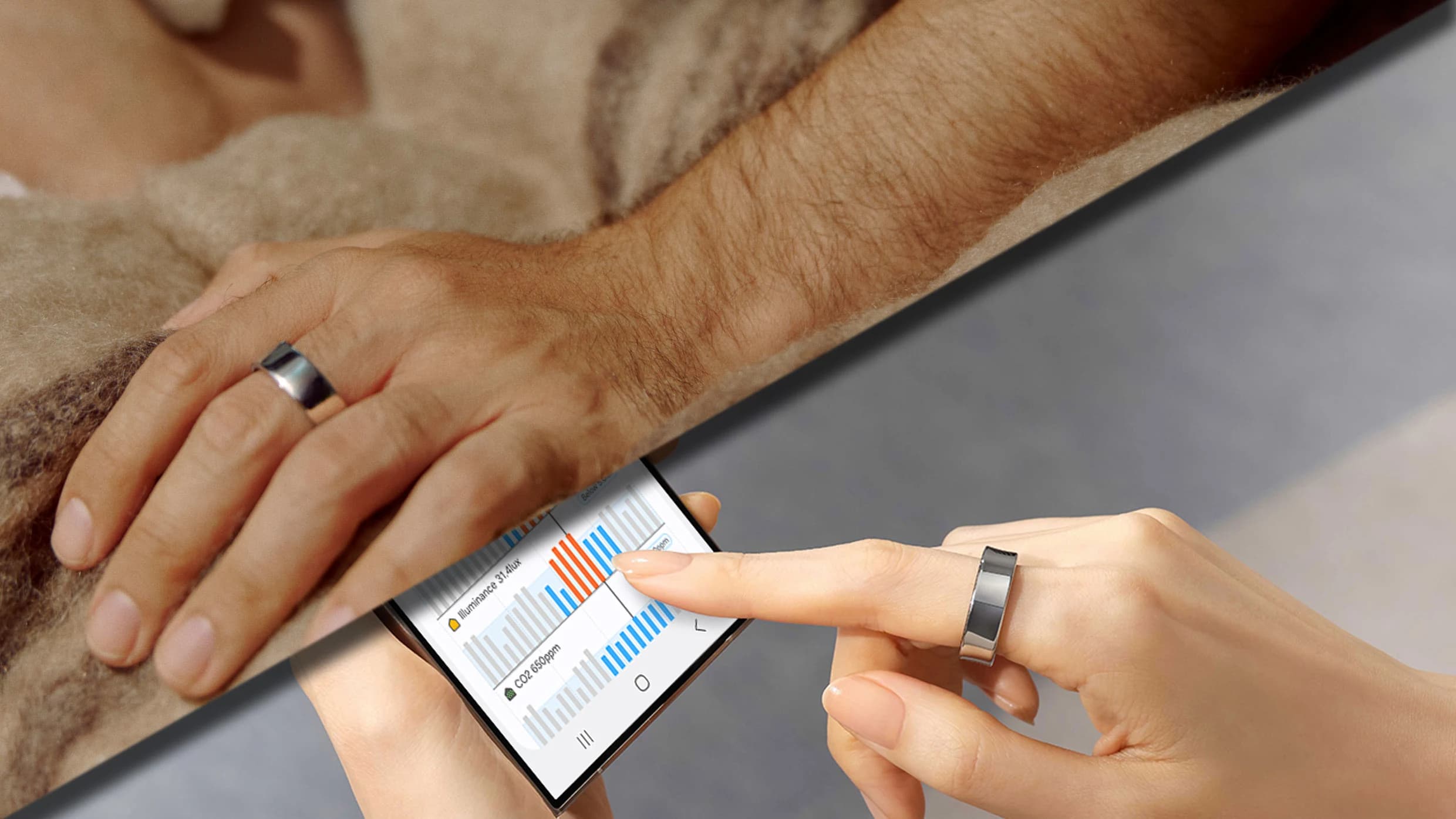
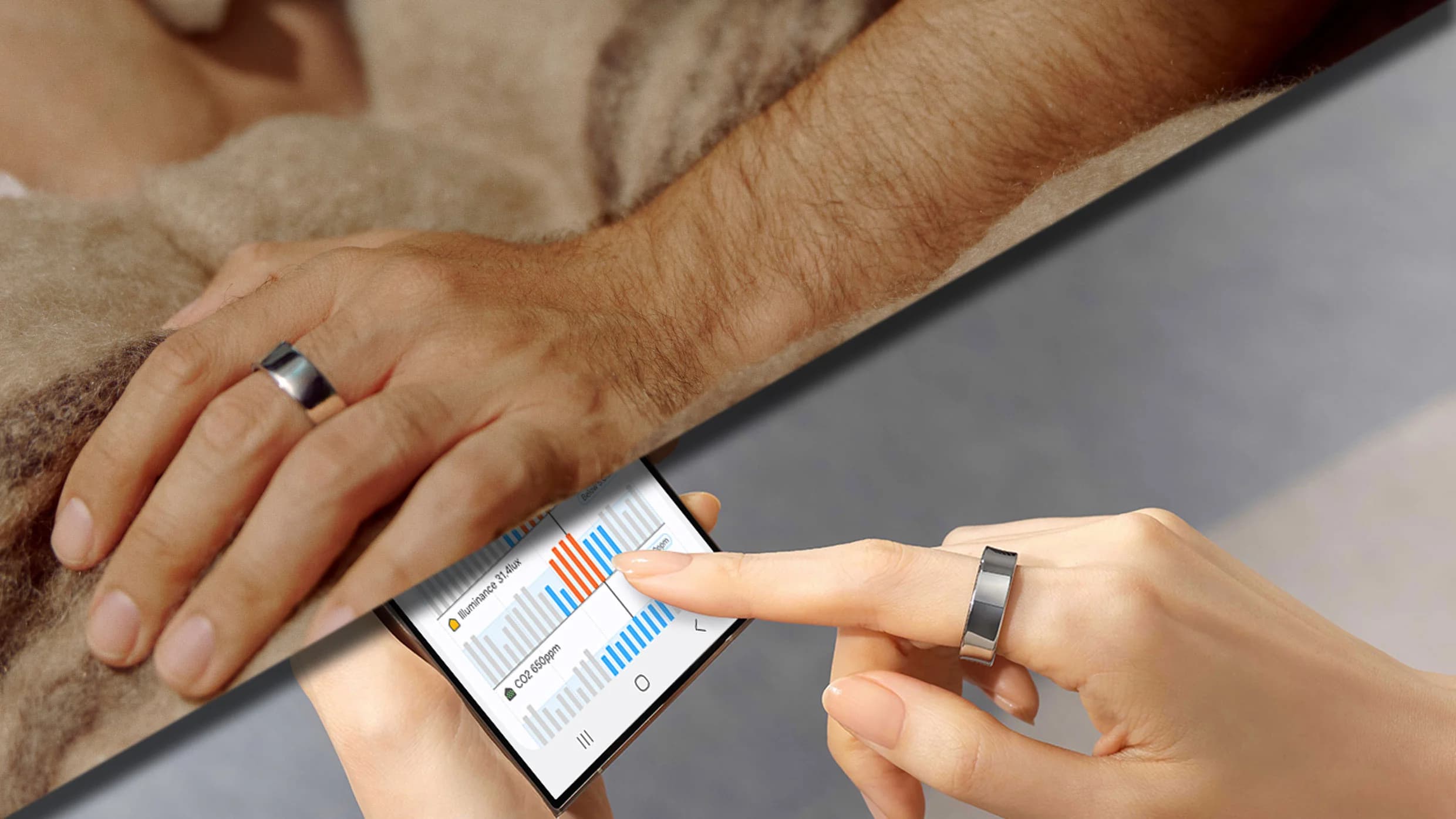
Smartwatches have spent the last decade buzzing for attention on our wrists. But a quieter shift has been happening on our fingers. The smart ring market has grown from experimental curiosity into a legitimate hardware category where serious health tracking meets subtle design.
For anyone who wants to monitor sleep, recovery, and activity without wearing a screen, the options have never been better. Or more confusing. Three distinct approaches now compete for your finger: Oura's subscription-powered polish, Samsung's no-fee ecosystem play, and scrappy newcomers betting on battery life and value.
The Market Leader: Oura Ring 4
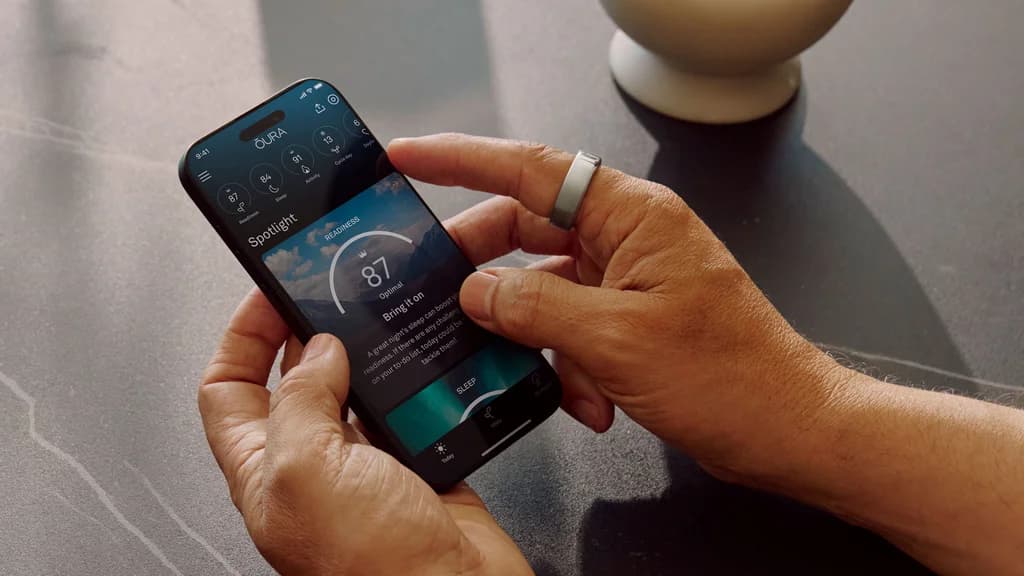
Oura remains the benchmark. The Ring 4 starts at $349 and delivers what many consider the most polished software experience in the category. Its focus on recovery and metabolic health, powered by AI-driven insights, has kept it at the top since it essentially created the modern smart ring market.
The numbers back up Oura's dominance. The company projects $1 billion in annual revenue for 2025, double its 2024 earnings. It has sold 5.5 million units total, with more than half of those in the last 12 months alone. Before Samsung entered the market in July 2024, Oura held an estimated 80% market share.
But there's a catch that has become a flashpoint for users: a mandatory $5.99 monthly subscription to access anything beyond basic data. Without it, your $349 ring shows you little more than step counts.
“I think it's a huge validation for the category... it's telling that it's a smartphone vendor who's leading with this idea.”
— Tom Hale, CEO of Oura, on Samsung's market entry
The No-Fee Challenger: Samsung Galaxy Ring
Samsung entered the smart ring market in July 2024 with a straightforward value proposition: buy it once, track forever. No subscription fees. The Galaxy Ring integrates with Samsung Health, offering FDA-cleared sleep apnea monitoring and ECG capabilities that Oura cannot match.
For Samsung phone owners, the integration is seamless. The ring feeds data into the same health dashboard they already use, creating a unified picture of fitness and sleep without paying monthly for the privilege.
“The best smart ring is the one that stays on your finger, and right now, Samsung is making a strong case for 'buy once, track forever'.”
— Victoria Song, Wearables Lead at The Verge
However, Samsung's launch was not without incident. Tech reviewer Daniel Rotar documented a concerning episode where his Galaxy Ring's battery swelled while on his finger, sending him to the emergency room. The viral thread on X received nearly 50 million views and raised legitimate questions about early hardware reliability.
The Battery Champion: RingConn Gen 2
While Oura and Samsung dominate headlines, RingConn has built a loyal following by solving the annoyance every smart ring user knows: charging. The RingConn Gen 2 delivers 12 days of battery life. That is nearly double what Samsung or Oura offer.
Like Samsung, RingConn charges no subscription fee. The company, along with competitors like Ultrahuman, has become a favorite on Reddit's r/SmartRings community, where resentment toward Oura's mandatory monthly payment runs deep.
Direct Comparison: What You Get for Your Money
| Feature | Oura Ring 4 | Samsung Galaxy Ring | RingConn Gen 2 |
|---|---|---|---|
| Starting Price | $349 | $399 | $299 |
| Monthly Fee | $5.99 required | None | None |
| Battery Life | ~7 days | ~7 days | ~12 days |
| Sleep Apnea Detection | No | FDA-cleared | No |
| ECG Capability | No | Yes | No |
| Best For | Recovery/metabolic tracking | Samsung phone users | Battery life priority |
The Subscription Debate
Oura's subscription model has become the defining controversy of the smart ring market. The company argues that ongoing fees fund continuous software improvements and AI features. Users counter that $349 hardware should not require a monthly ransom to function.
The math is simple. Over three years of ownership, Oura's total cost reaches $565 ($349 + $216 in subscription fees). Samsung's Galaxy Ring stays at $399. RingConn remains $299. For cost-conscious buyers, the subscription-free alternatives win on pure economics.
But Oura's software polish is real. The app's sleep analysis, recovery recommendations, and trend tracking remain more sophisticated than what Samsung or RingConn offer. Whether that polish justifies $6 per month depends on how seriously you take the data.
What the Community Says
Online sentiment splits predictably. Reddit's smart ring communities have embraced subscription-free alternatives with enthusiasm bordering on evangelism. Oura's fee model generates consistent complaints, with many users reporting they switched specifically to avoid monthly payments.
Technical discussions on Hacker News focus on sensor accuracy, data export options, and privacy implications. The consensus: Oura's algorithms remain best-in-class, but the subscription requirement feels increasingly out of step as no-fee competitors improve.
Which Ring Should You Buy?
The right choice depends on what you value most.
- Choose Oura Ring 4 if software quality matters more than cost and you genuinely use recovery data to guide training or lifestyle decisions.
- Choose Samsung Galaxy Ring if you already own Samsung devices and want FDA-cleared health features without subscription fatigue.
- Choose RingConn Gen 2 if battery life frustrates you and you want solid tracking at the lowest total cost.
Oura CEO Tom Hale acknowledged the competitive pressure honestly: "Announcing that you have a smart ring is easy... It's a hard problem. It's not easy." He is right. Building accurate sensors into a ring-sized device is genuinely difficult. But the era when Oura could charge a premium and a subscription with no alternatives is ending.
✅ Pros
- • No-subscription alternatives now offer competitive accuracy
- • Samsung brings FDA-cleared health features to the category
- • Battery technology has improved dramatically (RingConn's 12-day life)
- • More choice drives better value for consumers
❌ Cons
- • Oura's software still leads on analysis depth
- • Samsung's early hardware issues raise reliability questions
- • Ecosystem lock-in remains real (Galaxy Ring works best with Samsung phones)
- • Accuracy comparisons between brands remain inconsistent
Logicity's Take
Frequently Asked Questions
Is the Oura Ring worth it without the subscription?
Without the $5.99 monthly subscription, the Oura Ring 4 shows only basic metrics like step counts and sleep duration. Most users find it not worth $349 without full access to recovery scores, trends, and AI insights.
Does Samsung Galaxy Ring require a monthly fee?
No. Samsung Galaxy Ring has no subscription requirement. All features, including FDA-cleared sleep apnea detection and ECG monitoring, are included with the $399 purchase price.
Which smart ring has the best battery life?
RingConn Gen 2 leads with approximately 12 days of battery life. Oura Ring 4 and Samsung Galaxy Ring both last around 7 days between charges.
Can I use Samsung Galaxy Ring with an iPhone?
The Samsung Galaxy Ring works with iPhones but with limited functionality. Full features and seamless integration require a Samsung Android phone with Samsung Health.
Are smart rings as accurate as smartwatches for health tracking?
Studies show smart rings can match or exceed smartwatch accuracy for sleep tracking and heart rate monitoring. Fingers provide steadier blood flow signals than wrists, reducing noise in sensor data.
Samsung's labor disputes could impact Galaxy Ring production and availability
Need Help Implementing This?
Source: Fast Company / Doug Aamoth
Huma Shazia
Senior AI & Tech Writer
Produced with AI assistance and reviewed by the Logicity editorial team. Learn more in our Editorial Policy.