Key Takeaways
- Nvidia projects $20 billion in combined Grace and Vera CPU revenue for fiscal year 2027
- This would represent roughly two-thirds of the $30 billion x86 server CPU market
- Every two Rubin GPUs ship with one Vera CPU, creating guaranteed CPU volume
Nvidia's Bold Revenue Target
Nvidia posted Q1 2027 results this week with $81.65 billion in revenue, driven by AI and data center products. During the earnings call, CFO Colette Cress made a statement that should worry Intel and AMD: Nvidia expects Grace and Vera CPU sales to reach $20 billion this fiscal year.
That figure would make Nvidia the world's largest server CPU supplier by revenue. For context, Intel's entire data center and AI division earned $16.8 billion last year. AMD's data center unit brought in $16.635 billion in 2025. Both numbers include GPUs and other products, not just CPUs.
“Vera CPU opens a brand-new $200 billion TAM for Nvidia, a market we have never addressed before. Every major hyperscale and system maker is partnering with us to get it deployed.”
— Colette Cress, Nvidia CFO
The Math Behind the Claim
The entire x86 server CPU market is worth about $30 billion. Nvidia's $20 billion target would capture roughly two-thirds of that market. Dean McCarron, principal analyst and president of Mercury Research, told Tom's Hardware Premium that this expectation is realistic.
Nvidia clarified that the $20 billion includes Grace and Vera processors sold in multiple configurations: Superchip combinations, NVL72 systems, standalone CPUs in racks for agentic AI workloads, and other applications.
The Rubin GPU Attach Rate
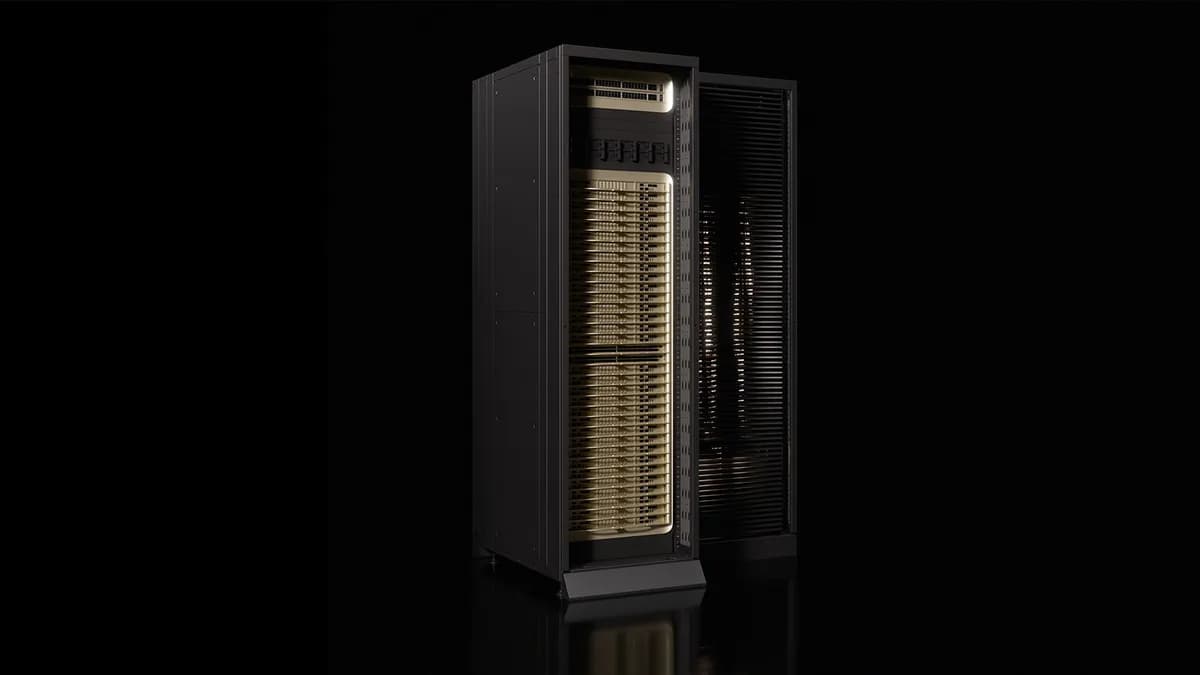
What makes Nvidia's projection credible is simple bundling. The company will sell millions of Rubin data center GPUs, and every pair comes with a Vera CPU attached. This creates guaranteed CPU volume that Intel and AMD cannot match.
“We will sell millions of Rubin GPUs and every two of them is connected to a Vera. Vera is used in four ways. The first is Vera Rubin platform containing two Rubin GPUs and one Vera CPU. The second use case is Vera as a standalone CPU. The third is Vera with CX9 and its software stack for storage. The fourth is Vera with CX9 alongside a software stack for security, compute isolation, and confidential computing.”
— Jensen Huang, Nvidia CEO
This four-pronged strategy shows Nvidia is not just riding GPU coattails. The company is positioning Vera for standalone deployment in storage and security applications. Still, the GPU attach rate provides a floor that traditional CPU vendors cannot replicate.
Intel and AMD's Position
Intel's Xeon and AMD's EPYC processors have dominated server rooms for decades. But their actual CPU revenue is well below their data center division totals, since those figures include accelerators and other products.
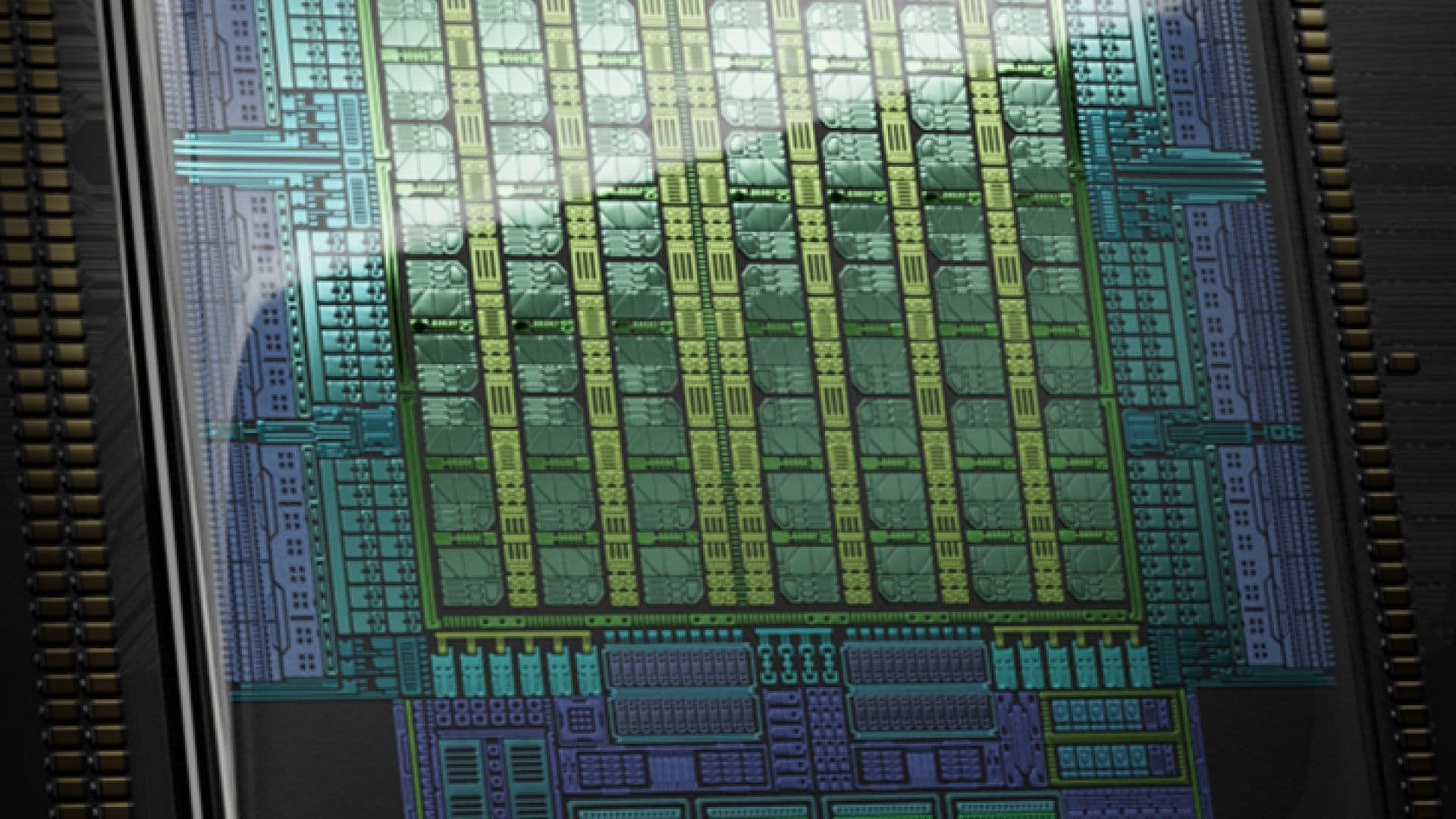
The 88-core Vera CPU has not yet shipped in high volume. Grace CPUs are widely available and have shipped in large quantities, but Vera is the chip that will drive most of the projected growth. Nvidia has never meaningfully competed in mainstream server CPUs before this push.
What This Means for Data Centers
Hyperscalers buying Rubin GPUs will now get Vera CPUs as part of the package. This simplifies procurement and system design, but it also locks customers deeper into Nvidia's ecosystem. The compute, networking (CX9), and now the CPU all come from one vendor.
For enterprises building AI infrastructure, the bundled approach may reduce complexity. For those who prefer vendor diversification, it creates pressure to accept Nvidia's full stack or go entirely elsewhere.
Logicity's Take
The Road to $20 Billion
Nvidia is tracking toward 4 million Vera CPU shipments in FY2027, according to analyst projections. At those volumes, the $20 billion revenue target becomes straightforward arithmetic. The real question is whether hyperscalers will buy standalone Vera systems or stick with the GPU bundles.
Either way, Nvidia enters fiscal year 2027 with a realistic path to becoming the top server CPU vendor by revenue. Intel and AMD will still ship more units, but revenue is what Wall Street measures.
Frequently Asked Questions
How much CPU revenue does Nvidia expect in FY2027?
Nvidia's CFO projects $20 billion in combined Grace and Vera CPU revenue for fiscal year 2027, which would make the company the world's largest server CPU supplier by revenue.
What is the Nvidia Vera CPU?
Vera is Nvidia's 88-core server CPU designed to pair with Rubin GPUs. It can also operate standalone for storage and security workloads using the CX9 networking chip.
How does Nvidia's CPU strategy differ from Intel and AMD?
Nvidia bundles Vera CPUs with Rubin GPUs at a 2:1 ratio, guaranteeing CPU volume with every GPU sale. Intel and AMD sell CPUs independently and cannot replicate this attach rate.
How big is the server CPU market?
The x86 server CPU market is worth approximately $30 billion. Nvidia's $20 billion target would represent roughly two-thirds of that market.
When will Vera CPUs ship in volume?
Vera has not yet shipped in high volume, but Nvidia is tracking toward 4 million units in FY2027 based on analyst projections.
Need Help Implementing This?
Source: Latest from Tom's Hardware
Huma Shazia
Senior AI & Tech Writer
Produced with AI assistance and reviewed by the Logicity editorial team. Learn more in our Editorial Policy.