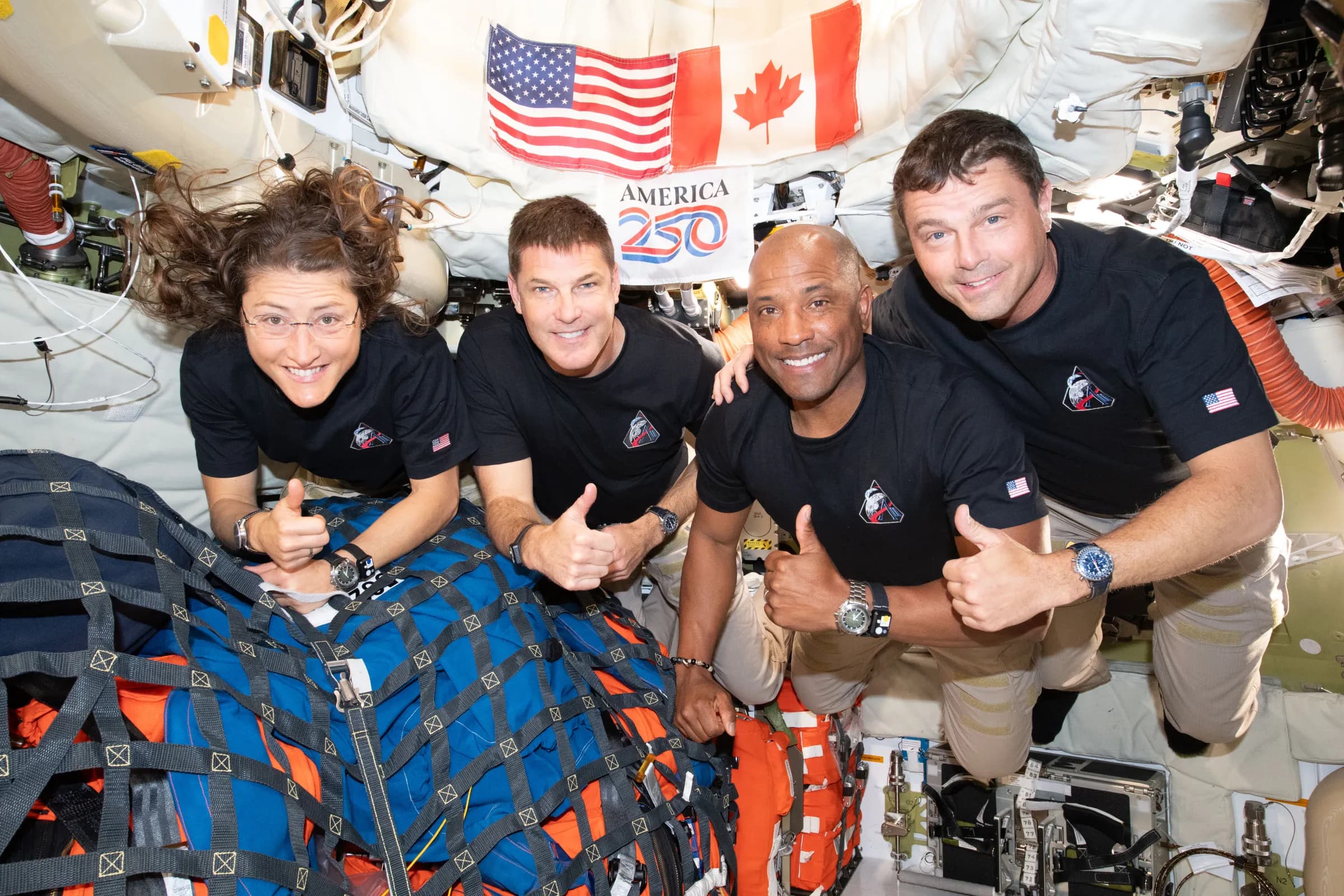
The Artemis II astronauts are set to return to Earth after shattering the record for the farthest human journey from our planet. Tune in to witness the high-stakes re-entry and Pacific Ocean splashdown near San Diego, a critical moment testing Orion’s upgraded heat shield.
Key Takeaways
- The Artemis II crew will splash down in the Pacific Ocean near San Diego on April 10, 2026, at 5:07 PM PT.
- Re-entry is the most dangerous phase, especially due to past heat shield concerns from Artemis I.
- NASA will livestream the return on YouTube, with major networks like Netflix also broadcasting.
- The Orion capsule reaches speeds up to 25,000 mph during atmospheric re-entry.
- Recovery teams will retrieve the astronauts and fly them to shore after medical checks aboard a Navy ship.
What Happens After Splashdown
Touchdown is just the beginning of the homecoming. Once Orion hits the water, a carefully choreographed recovery operation kicks into high gear to ensure the crew’s safety and the integrity of the spacecraft.
- The U.S. Navy’s USS John P. Murtha, a specialized transport dock ship, will be on standby to retrieve the capsule using cranes and divers.
- Medics will board the spacecraft to perform initial health checks on the astronauts before they’re flown via helicopter to Naval Base San Diego.
- Meanwhile, engineers will begin analyzing the capsule—especially the heat shield—to prepare for future Artemis missions.
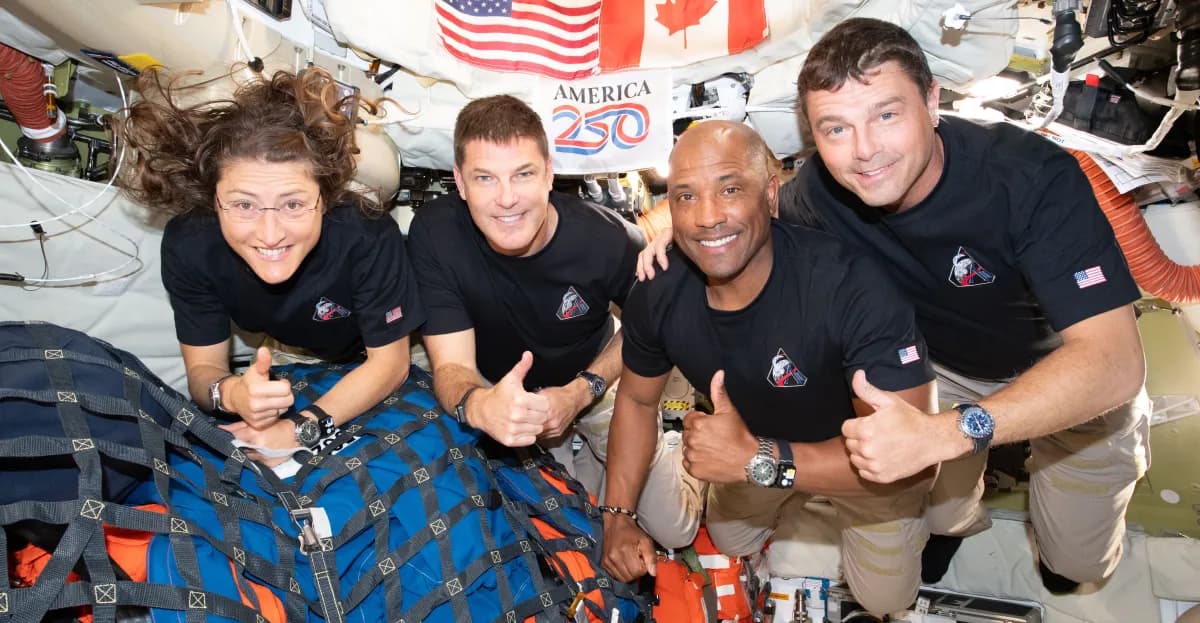
“Re-entry is unquestionably the riskiest part of spaceflight, but that is especially true for Artemis II because of the Orion capsule’s heat shield.”
— Andrew J. Hawkins, Transportation Editor
Final Thoughts
The return of the Artemis II crew marks more than just the end of a mission—it’s a giant leap toward sustainable lunar exploration. With eyes around the world watching, this splashdown could inspire a new generation of scientists, engineers, and dreamers ready to push humanity even farther into space.
Sources & Credits
Originally reported by — Andrew J. Hawkins
Huma Shazia
Senior AI & Tech Writer
Produced with AI assistance and reviewed by the Logicity editorial team. Learn more in our Editorial Policy.