NASA Dream with Us 2026 Winners: Student Teams Redesign Future of Aviation with Farm Drones and Sky Tech
Key Takeaways
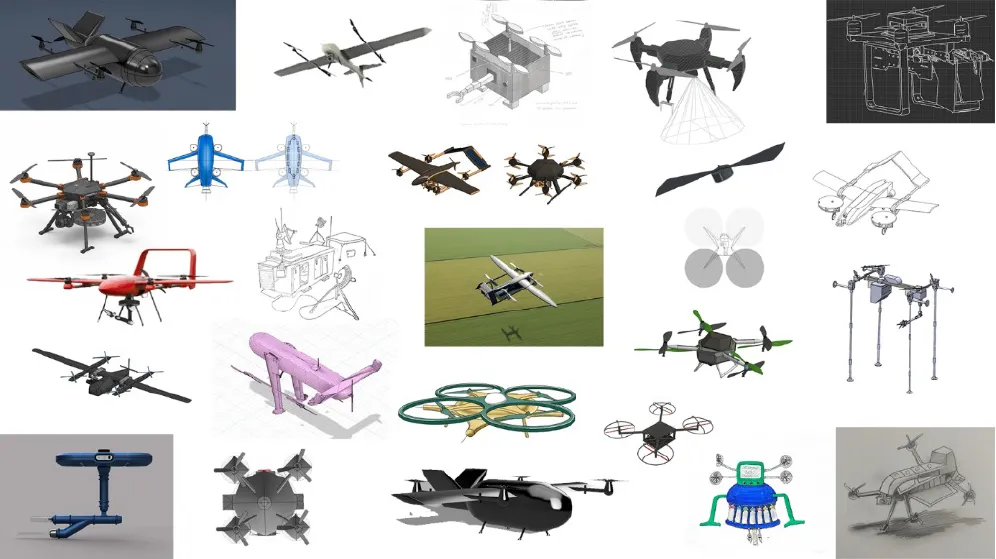
- Scout Farm from New Jersey takes first place in middle school division with an innovative agricultural aviation concept
- California's SkySeekers team wins high school division through a collaboration between Monta Vista and Foothill High Schools
- Agriculture-focused drone technology dominated the middle school entries, showing where young minds see aviation heading
- Maryland's Flight Fusion Team brought together four different high schools for their third-place project

Read in Short
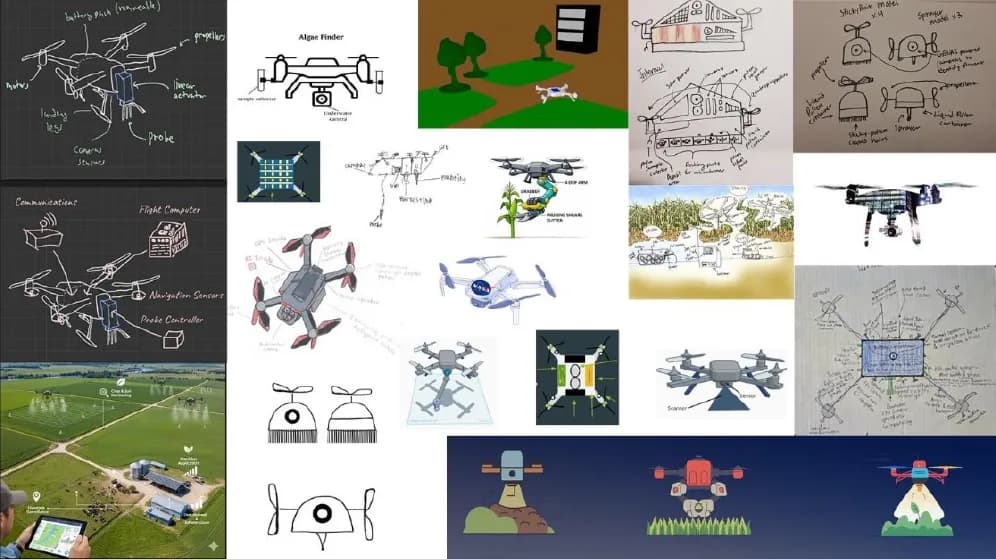
NASA's Dream with Us Design Challenge just crowned its 2025-2026 winners, with Scout Farm (a New Jersey middle school team) and SkySeekers (a California high school collaboration) taking top honors. The competition challenges students to design innovative aerospace concepts, and this year's entries heavily featured agricultural applications.
Every year, NASA runs this design challenge to get young people thinking about the future of flight. And every year, I'm reminded that kids today are way more creative than I ever was at their age. The 2025-2026 Dream with Us winners were just announced, and honestly? These projects make a lot of professional pitches I've seen look pretty basic.
Middle School Winners Went Full AgriTech
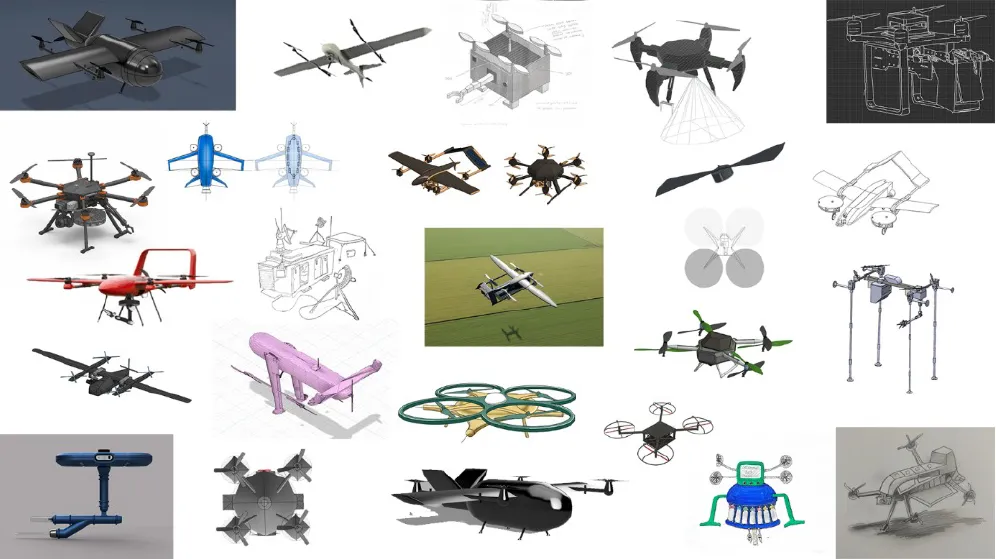
Here's what caught my attention first. All three middle school winning teams focused on agricultural applications. That's not a coincidence. These students are clearly paying attention to real world problems like food security, sustainable farming, and the role aviation can play in feeding a growing population.
Taking first place was Scout Farm, designed by Varenya D., Aashritha P., and Alvitha P. from New Jersey. The team tackled the intersection of scouting technology and farming, which is exactly the kind of practical thinking NASA loves to see from young engineers.
- 1st Place: Scout Farm by Varenya D., Aashritha P., and Alvitha P. from New Jersey
- 2nd Place: AgriTech by Charlotte W. and Richard F. from California
- 3rd Place: AgriDrone by Hasini B. and Kanishka A. from Texas and California
The second place AgriTech team from California and the third place AgriDrone team (a cross-state collaboration between Texas and California students) both doubled down on the agricultural theme. It's fascinating to see middle schoolers independently arriving at similar conclusions about where aviation technology needs to go.

High School Competition Gets Collaborative
The high school division showed a different trend. Instead of individual small teams, we're seeing entire schools team up. And in some cases, multiple schools working together across districts.
SkySeekers took the top spot through a partnership between Monta Vista High School and Foothill High School, both in California. Having reviewed their engineering notebook (NASA makes these publicly available), it's clear these students approached this like a professional aerospace project. We're talking proper documentation, design iterations, and the kind of systematic thinking that would impress actual NASA engineers.
Engineering Notebooks Available
NASA publishes the engineering notebooks from winning high school teams. If you're a student interested in entering next year's competition, these are gold. Check out the SkySeekers, AeroForge, and Flight Fusion notebooks on NASA's website for examples of what winning documentation looks like.
Second place went to AeroForge from Adrian Wilcox High School in California. But the third place entry might be the most impressive from a collaboration standpoint.
Four Schools, One Mission
The Flight Fusion Team brought together students from four different Maryland high schools: Eastern Technical High School, Damascus High School, Dulaney High School, and Thomas Wooten High School. Coordinating a design project across four separate institutions? That's project management experience most college students don't get.
“The Dream with Us Design Challenge encourages students to think beyond traditional boundaries, both in their designs and in how they collaborate.”
— NASA Aeronautics
Getting teenagers from different schools to work together on a complex engineering project requires serious communication skills. Different schedules, different resources, different perspectives. The fact that Flight Fusion pulled it off well enough to place shows these students learned way more than just aerospace concepts.
Why This Matters Beyond the Competition
Look, I cover a lot of tech news. AI companies raising billions, gadgets launching every week, the usual stuff. But there's something different about watching the next generation of engineers and scientists develop their skills through programs like this.
As tech becomes more contentious, STEM education programs like NASA's become even more important for developing thoughtful future technologists
These aren't just school projects that get thrown away after grading. NASA's Aeronautics division actually looks at what students come up with. The agency uses these competitions to understand how younger generations think about problems and sometimes those fresh perspectives lead to real research directions.
The geographic spread here tells its own story. You've got East Coast representation from New Jersey and Maryland. West Coast showing up strong with multiple California entries. Even a cross-state collaboration between Texas and California. This is a national competition pulling in talent from everywhere.
The AgriTech Pattern Means Something
I keep coming back to the agriculture focus from the middle school teams. When three independent groups of young students all gravitate toward the same application area, that's worth paying attention to.
Drones for farming isn't a new concept. But it's clearly top of mind for this generation. Climate concerns, food system resilience, the role of technology in sustainable agriculture. These kids are connecting dots between aerospace engineering and problems they actually care about solving.
That's the whole point of programs like Dream with Us. You're not just teaching students how to design aircraft. You're showing them how aviation technology connects to basically everything else in modern life.
What's Next for These Winners
NASA hasn't detailed what the winners receive beyond recognition, but the real prize is probably the experience itself. Having a NASA competition win on your college application? That opens doors. More importantly, these students now have engineering portfolios most adults would envy.
The Dream with Us challenge is part of NASA's broader Aeronautics STEM outreach, and if you've got students in your life who might be interested, keep an eye out for the next cycle. Based on this year's winners, the bar is high but clearly reachable for motivated teams.
Frequently Asked Questions
What is NASA's Dream with Us Design Challenge?
It's an annual competition where middle and high school students design innovative aerospace concepts. Teams submit engineering notebooks documenting their design process and solutions.
Who won the 2025-2026 Dream with Us competition?
Scout Farm (NJ) won first place in middle school, while SkySeekers (CA) took first in high school. Six teams total were recognized across both divisions.
Can students from different schools work together?
Yes, several winning teams included students from multiple schools. The Flight Fusion Team brought together four Maryland high schools for their third-place project.
Where can I find the winning engineering notebooks?
NASA publishes the high school engineering notebooks on their website. Check the Dream with Us page under NASA Aeronautics for the SkySeekers, AeroForge, and Flight Fusion documents.
Congrats to all the winners. And to everyone who entered but didn't place this year? Keep designing. The problems these students are working on aren't going away, and we need all the creative thinkers we can get.
Source: NASA
Manaal Khan
Tech & Innovation Writer
Produced with AI assistance and reviewed by the Logicity editorial team. Learn more in our Editorial Policy.