AI Industry Violence Warning: Sam Altman Attacks Signal Dangerous Escalation in Tech Backlash
Key Takeaways
- Two attacks on Sam Altman's home occurred within days of each other, with the accused attacker citing AI extinction fears
- An Indianapolis councilman had 13 shots fired at his door with a note reading 'No Data Centers' after supporting rezoning
- Anti-AI groups have explicitly denounced the violence, maintaining that most resistance remains nonviolent
- Princeton's database shows a pattern of harassment targeting local officials involved in AI infrastructure decisions
- Altman partially blamed critical media coverage for the attacks, referencing a recent New Yorker investigation
Read in Short
Someone allegedly threw a Molotov cocktail at Sam Altman's San Francisco home, and days later it was targeted again. Meanwhile, a councilman in Indianapolis took 13 bullets to his door for supporting a data center. The anti-AI movement has always been loud, but this is something else entirely.
Here's the thing about tech backlash: it usually stays online. People tweet angry threads, write op-eds, maybe organize a peaceful protest outside a company's headquarters. That's been the playbook for years. But what happened in San Francisco over the past two weeks? That's a completely different story.
What Happened at Altman's Home
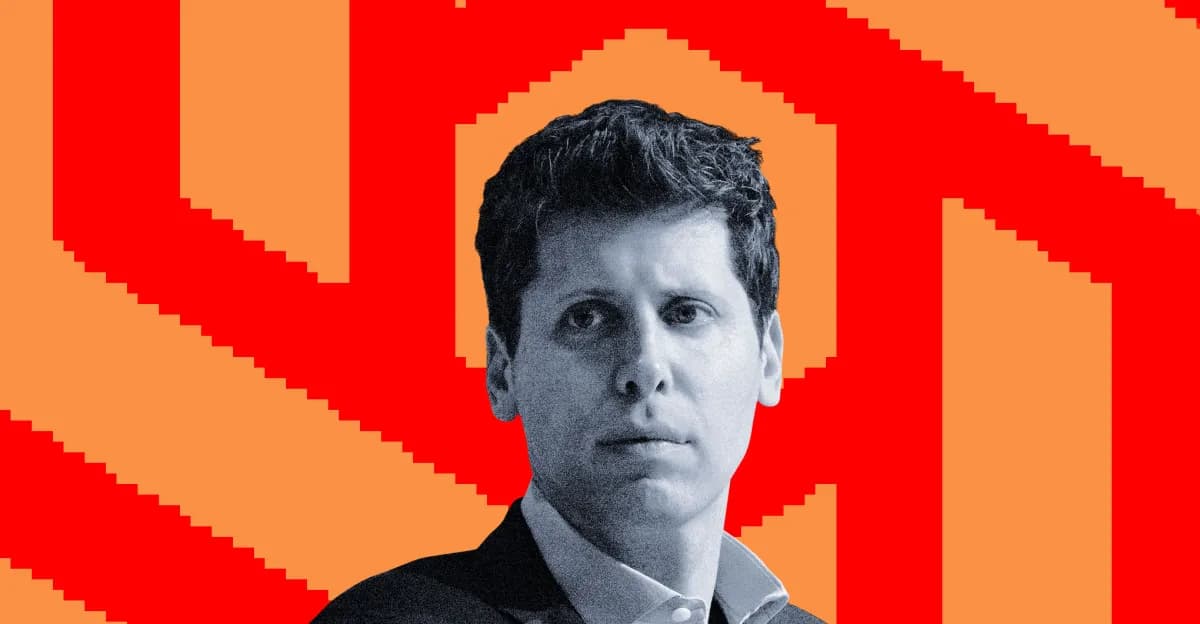
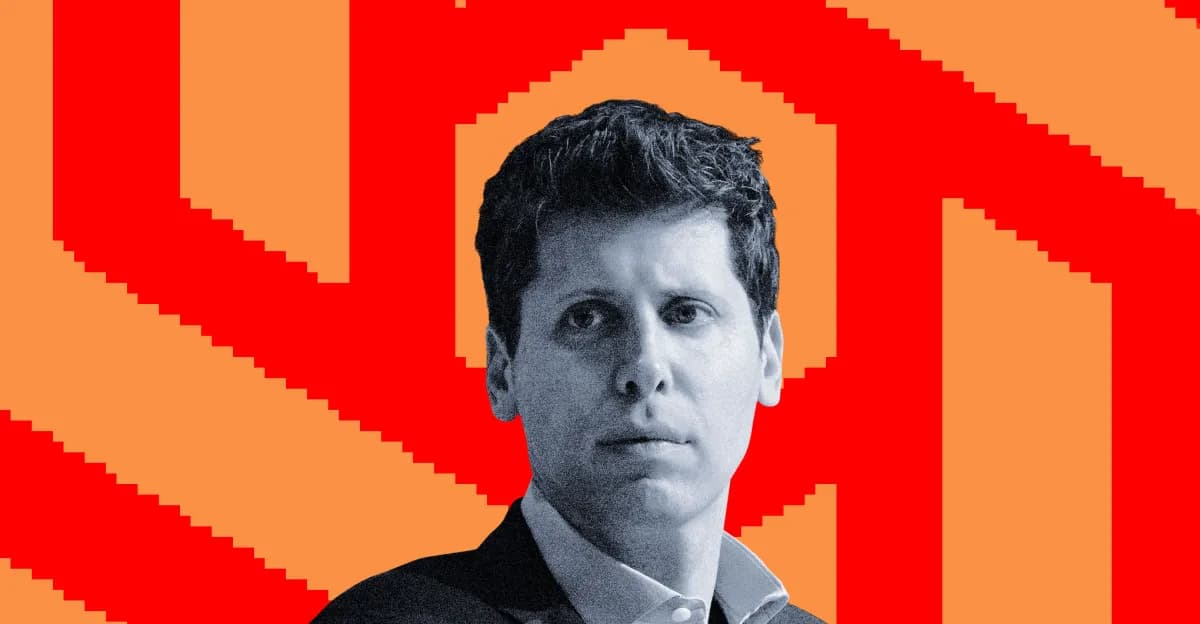
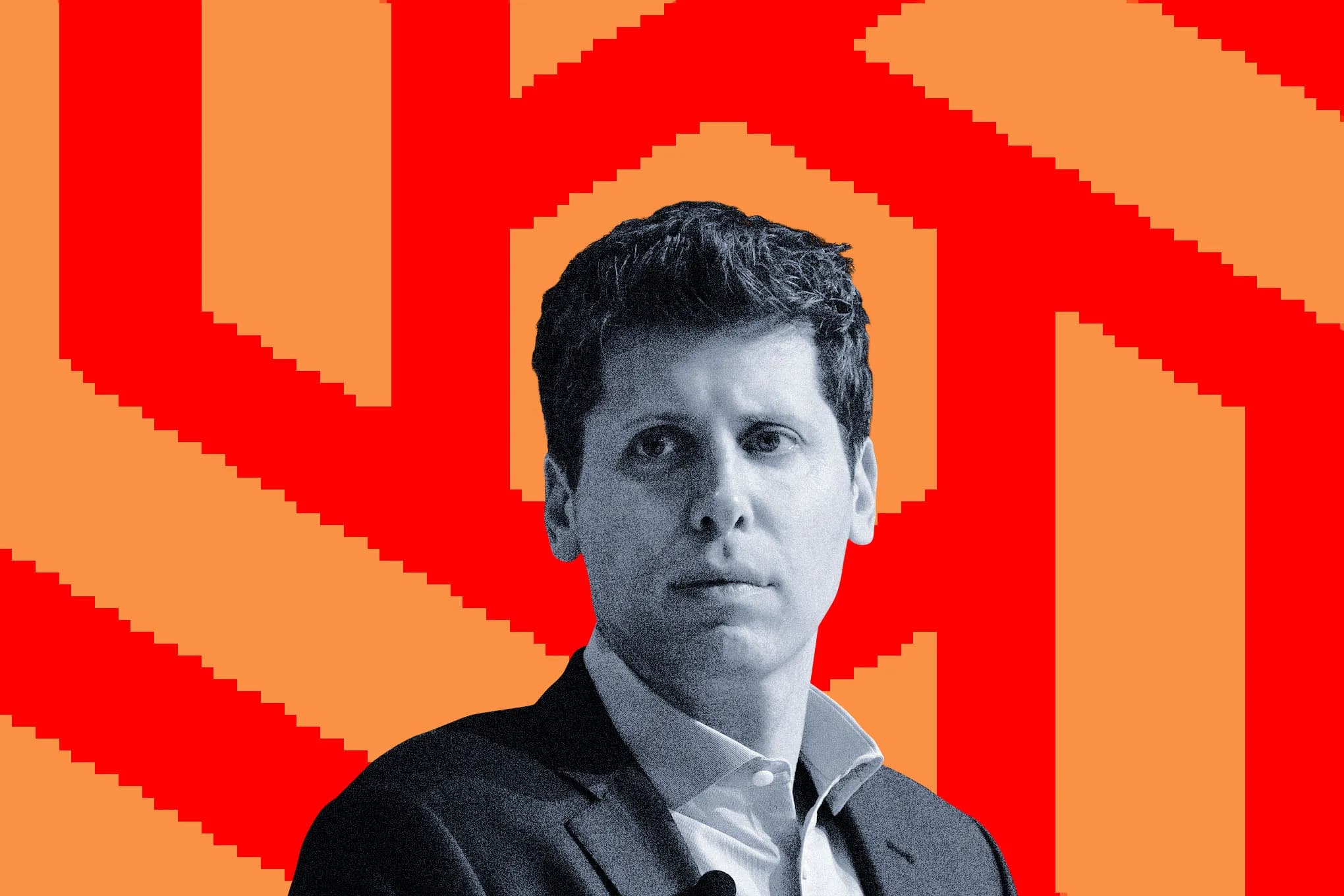
According to the San Francisco Chronicle, a 20-year-old man allegedly threw a Molotov cocktail at OpenAI CEO Sam Altman's residence. Before the attack, the accused wrote about his fears that the AI race would cause human extinction. Two days later, Altman's home appeared to be targeted a second time, as reported by The San Francisco Standard.
Full details on the first attack and the domestic terrorism charges filed against the suspect
This wasn't some random act. The attacker left a paper trail connecting his actions directly to AI anxiety. And that's what makes this so unsettling for everyone in the industry.
Data Centers Are Becoming Flashpoints
But wait, it gets worse. Just a week before Altman's home was attacked, an Indianapolis city councilman reported something terrifying: 13 shots fired at his front door. The note left behind read simply "No Data Centers." His crime? Supporting a rezoning petition for a data center developer.

Data centers have become ground zero for local AI resistance. These massive facilities gobble up electricity, strain water resources for cooling, and fundamentally change communities. People have legitimate concerns about them. But shooting at elected officials? That's crossed a line nobody should be comfortable with.
The Vast Majority Are Still Peaceful
Let me be clear about something: most people who oppose rapid AI development aren't throwing firebombs. They're not shooting at anyone. Groups that advocate for slowing down AI have explicitly condemned the violence following the Altman attacks.
The resistance has taken many forms. Hunger strikes outside AI company headquarters. Community organizing against data center projects. Protests urging companies to pump the brakes on releasing increasingly powerful systems. Even AI workers themselves have raised alarms about safety risks from inside these companies.
Understanding AI Resistance
Critics of AI development aren't a monolithic group. Concerns range from job displacement and copyright issues to climate impact from energy-hungry data centers to existential risks from advanced systems. Most activism has focused on policy change, not violence.
Princeton University's Bridging Divides Initiative has been tracking incidents of threats and harassment against local officials over AI-related decisions. One example from last year: a utility board member in Ypsilanti, Michigan, had masked protesters show up at his home over a "high performance computing facility." One protester allegedly smashed a printer on his lawn. Weird? Yes. Violent? Getting there.
Altman's Response Sparked Its Own Controversy
After the first attack, Altman pointed a finger at the media. The New Yorker had just published a massive investigation based on over a hundred interviews, painting an unflattering picture of the OpenAI CEO. Many former colleagues expressed distrust and noted inconsistencies in his behavior.
“There was an incendiary article about me a few days ago.”
— Sam Altman, on his personal blog
Look, blaming journalism for violence is a dangerous game. Critical coverage is part of being a public figure running one of the most consequential companies on the planet. That said, the timing is genuinely uncomfortable. Does harsh media coverage contribute to a climate where unstable individuals feel justified taking action? That's a question worth asking, even if the answer is complicated.
What This Means for the AI Industry
The kicker? This could change everything about how AI executives operate. Silicon Valley has always been relatively accessible compared to Wall Street or Washington. Tech CEOs walk around San Francisco, grab coffee, live in normal neighborhoods. That era might be ending.
- Security details for AI executives will likely increase significantly
- Public appearances and speaking events may require more vetting
- Local officials involved in AI infrastructure decisions face new risks
- The conversation about AI criticism will get more complicated and defensive
There's a real danger here beyond physical safety. When industry leaders feel threatened, they tend to circle the wagons. Legitimate criticism gets lumped in with extremism. People with valid concerns about AI safety, job losses, or environmental impact find themselves on the defensive, forced to distance themselves from violence instead of making their actual arguments.
The Harder Conversation Nobody Wants to Have
So here's what nobody in tech wants to admit: the AI industry has done a genuinely terrible job addressing public concerns. OpenAI went from a nonprofit focused on safe AI development to a company sprinting toward artificial general intelligence while seeking tens of billions in investment. The pivot gave ammunition to critics who say these companies care more about winning than about safety.
That doesn't justify violence. Nothing does. But pretending this backlash came from nowhere isn't honest either.
People are scared. They're watching AI systems get deployed into their workplaces, sometimes replacing their colleagues. They're reading about data centers draining local water supplies during droughts. They're hearing AI researchers, the people building this stuff, warn about extinction-level risks. And when they look for someone to hold accountable, they find CEOs who seem more focused on racing their competitors than addressing these concerns.
What Happens Next?
Investigations into the Altman attacks are ongoing, and authorities will determine the full motivations behind both incidents. The AI industry faces a turning point: either engage seriously with public concerns or watch the divide between builders and critics grow even wider.
Finding a Way Forward
The anti-AI movement needs to continue condemning violence unequivocally. That's non-negotiable. But the AI industry also needs to stop treating all criticism as irrational fear or technophobia. There are real, legitimate concerns that deserve real engagement.
Maybe that means better community engagement before dropping data centers into neighborhoods. Maybe it means slowing down deployment until safety measures catch up. Maybe it means executives actually listening when their own researchers raise red flags instead of pushing them out the door.
Because here's the reality: AI isn't going away. Neither is the resistance to it. The question is whether both sides can find some way to coexist that doesn't involve firebombs and bullets. Right now, that path isn't obvious. But someone needs to start building it.
Manaal Khan
Tech & Innovation Writer
Produced with AI assistance and reviewed by the Logicity editorial team. Learn more in our Editorial Policy.