Key Takeaways
- The trial uses a two-phase structure: liability first with a jury, then remedies with the judge alone
- The jury's verdict is advisory only. Judge Yvonne Gonzalez Rogers has final authority
- Witnesses may include former OpenAI CTO Mira Murati and Microsoft CEO Satya Nadella
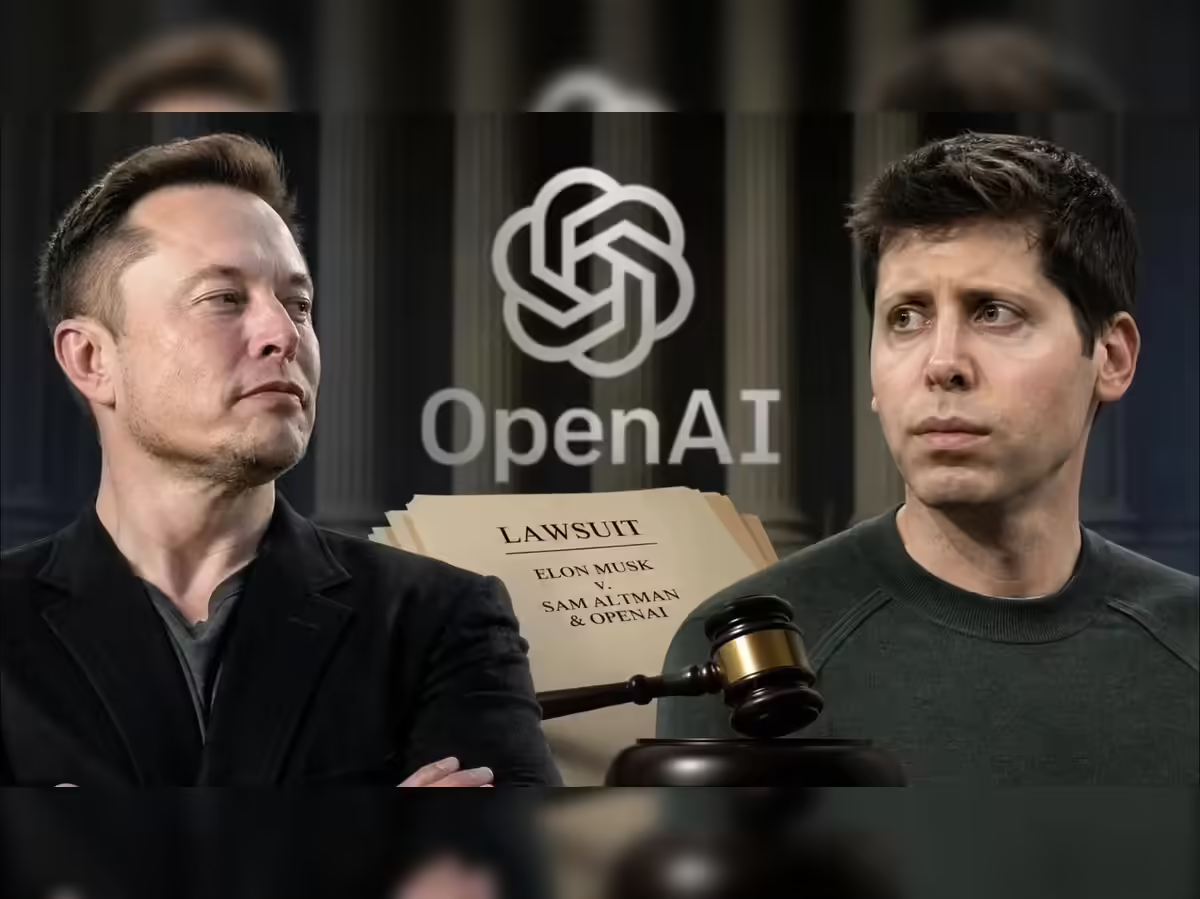
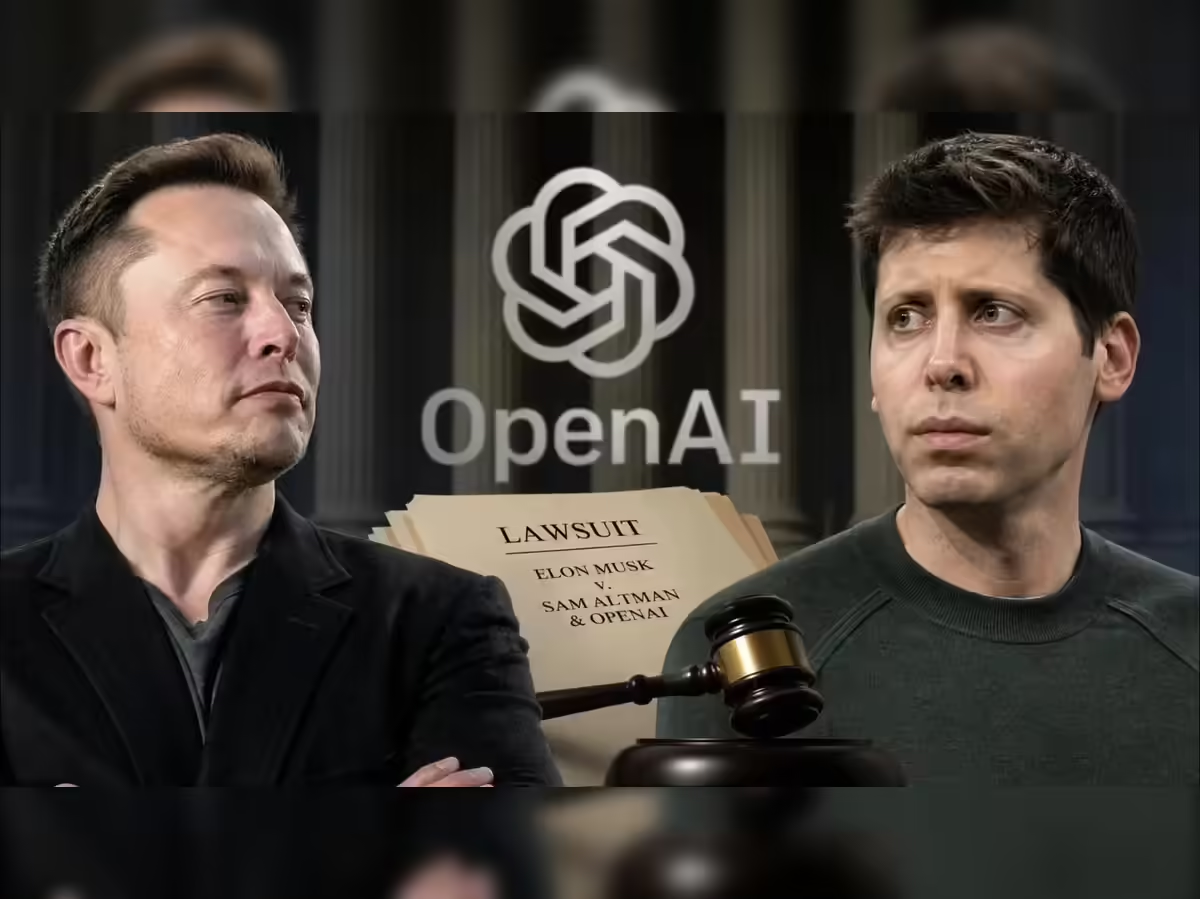
The lawsuit pitting Elon Musk against OpenAI and CEO Sam Altman entered trial this week in federal court in Oakland, California. US District Judge Yvonne Gonzalez Rogers is presiding over what could reshape how AI companies structure themselves and honor founding commitments.
Opening arguments began Tuesday at 8:30 AM Pacific Time. The core question: did OpenAI, which Musk co-founded in 2015 as a nonprofit, betray its original mission to ensure artificial general intelligence benefits humanity?
Two Phases, Two Decision-Makers
The trial follows an unusual structure. It's split into two distinct phases: liability and remedies.
In the liability phase, a nine-member jury hears arguments and reviews evidence. They'll determine whether OpenAI and its executives, including Altman and company president Greg Brockman, are at fault. The jury includes nurses, city workers, and retirees.
Here's the twist: the jury's verdict is advisory. Judge Gonzalez Rogers retains final authority over the outcome. If she finds for Musk on liability, the trial moves to phase two.
In the remedies phase, the judge hears arguments alone. Jurors don't participate in discussions about potential consequences or corrective measures. This means Musk could win the liability phase but still face an uphill battle on what actually happens to OpenAI.
The Timeline
Who's Testifying
The witness list reads like a who's who of AI leadership. Former OpenAI chief technology officer Mira Murati is on the list. So is Microsoft CEO Satya Nadella, whose company has invested billions in OpenAI.
If time permits after opening arguments, Musk's legal team may begin calling witnesses immediately. Judge Rogers wants jurors deliberating on liability by May 12, so the pace will be aggressive.
What Musk Claims
Musk's argument centers on OpenAI's transformation. The company started as a nonprofit with a stated mission to develop AGI for humanity's benefit. It has since shifted to a for-profit structure, striking a massive partnership with Microsoft.
Musk alleges this evolution constitutes a betrayal of the founding agreement. He was an early funder and co-founder but left the board in 2018. His relationship with Altman and OpenAI has soured publicly since then.
OpenAI has defended its structure as necessary to compete in an industry that requires massive capital investment. The company argues its mission remains intact even with commercial operations.
Why the Structure Matters
The two-phase approach gives Judge Rogers significant control. Even if the jury sides with Musk on liability, she alone decides what remedies apply. This could range from financial damages to structural changes at OpenAI.
The advisory nature of the jury verdict is unusual for federal trials. It suggests the court views this case as involving complex business and governance questions beyond typical jury determinations.
Logicity's Take
What Comes Next
The trial continues through the week with witness testimony. Key moments will likely come when tech executives take the stand. Their testimony could reveal internal discussions about OpenAI's mission and structure changes.
The outcome could influence how AI companies organize, how they communicate founding missions, and what legal obligations flow from nonprofit origins. For founders and investors watching, the precedent here extends well beyond OpenAI.
Frequently Asked Questions
Is the jury's verdict final in the Musk vs OpenAI trial?
No. The jury's verdict on liability is advisory only. Judge Yvonne Gonzalez Rogers has final authority over both the liability finding and any remedies.
Who are the key witnesses in the OpenAI trial?
Witness lists include former OpenAI CTO Mira Murati and Microsoft CEO Satya Nadella, along with other tech executives connected to the company.
What is Elon Musk claiming against OpenAI?
Musk alleges OpenAI abandoned its original nonprofit mission to develop AGI for humanity's benefit when it transitioned to a for-profit structure.
When will the Musk vs OpenAI trial end?
Judge Rogers wants jury deliberations on liability to begin by May 12, 2025. A remedies phase would follow if Musk wins on liability.
Another look at how AI development paths can diverge from expectations
Need Help Implementing This?
Source: Tech-Economic Times / ET
Jury Selection Reveals Public Hostility Toward Musk
The new article provides specific details from the jury selection process, including hostile quotes from prospective jurors who labeled Musk a 'world-class jerk' and 'greedy.' It also features a significant courtroom exchange where Judge Yvonne Gonzalez Rogers addressed Musk's public reputation, noting that many people dislike him while managing jury strikes.
Manaal Khan
Tech & Innovation Writer
Produced with AI assistance and reviewed by the Logicity editorial team. Learn more in our Editorial Policy.