Key Takeaways
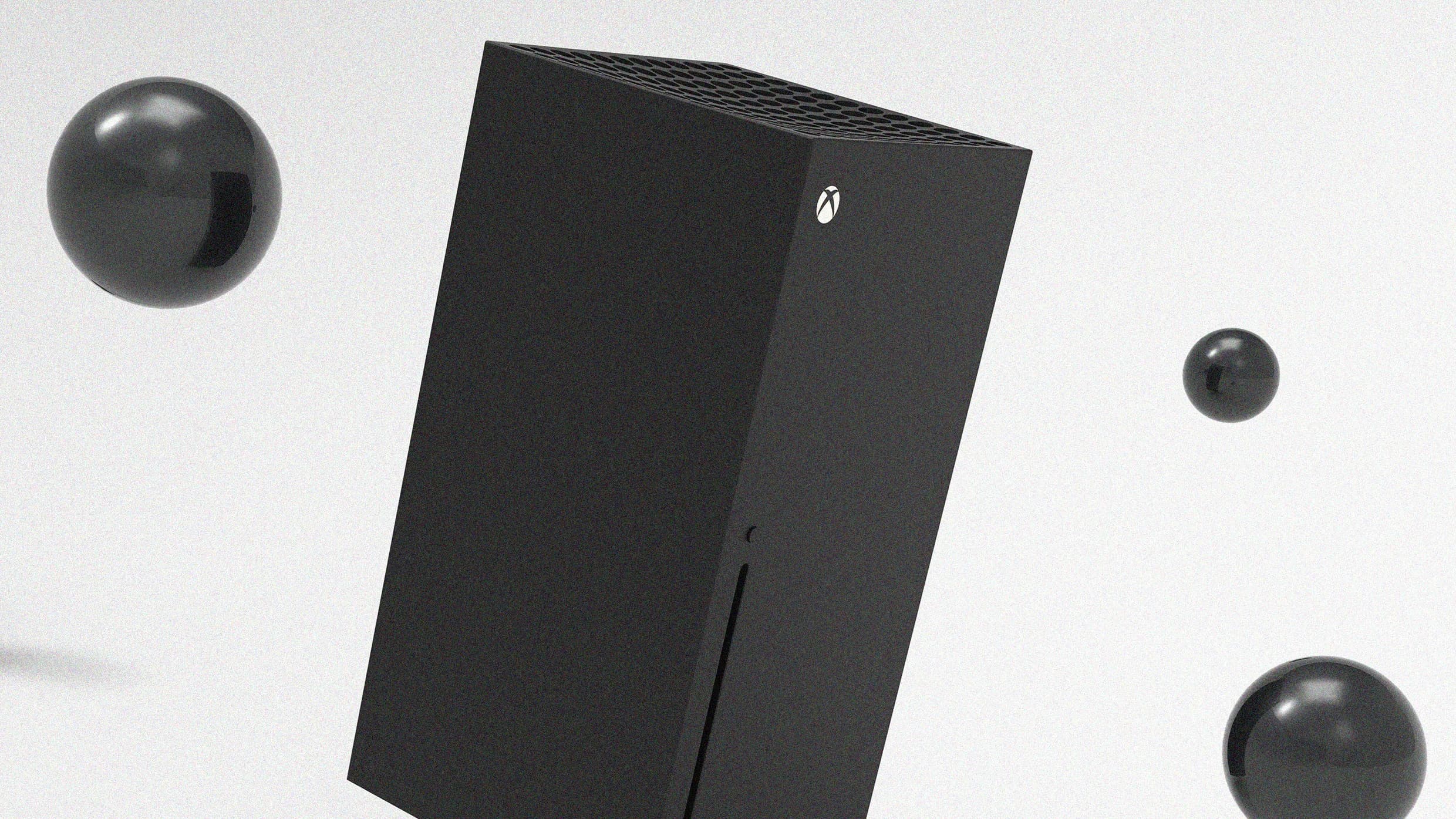
- Xbox hardware sales fell 33% year-over-year, prompting Microsoft to consider spinning off or restructuring the gaming division
- Despite $20 billion in investment over five years, Xbox revenue declined by nearly $500 million annually (excluding Activision Blizzard)
- Component prices have increased five-fold since 2024, threatening both current consoles and the next-generation Project Helix
Microsoft is weighing a spinoff or major restructuring of Xbox after years of declining console sales and failed bets on cloud gaming. The gaming division reported a 33% year-over-year drop in hardware sales in its most recent earnings. Internal memos from new Xbox CEO Asha Sharma acknowledge the unit is bleeding money despite two decades of investment.
The numbers are stark. Excluding the Activision Blizzard King acquisition, Microsoft spent over $20 billion on Xbox content, platform development, and hardware subsidies over the past five years. Annual revenue declined by nearly $500 million during that same period. "Going forward, this cannot continue," Sharma and Chief Content Officer Matt Booty wrote in a recent staff memo.
What restructuring options is Microsoft considering?
Reports indicate Microsoft is evaluating several paths. Options range from establishing Xbox as a wholly owned but autonomous subsidiary to a complete spinoff or even a joint venture with another company. Microsoft did not respond to requests for comment on the reports.
The timing aligns with Microsoft's broader corporate pivot toward artificial intelligence. Separating Xbox could insulate the company's core AI business from gaming-related financial volatility. It could also give Xbox more operational freedom to compete without the bureaucratic weight of a $3 trillion parent company.
But a spinoff carries risks. Xbox currently operates on razor-thin margins, reportedly around 3%. Without Microsoft's deep pockets, a standalone Xbox would face intense pressure to cut costs or raise prices, neither of which helped subscriber retention when Microsoft tried a price hike in 2025.
How did Xbox fall so far behind Sony?
Xbox launched in 2001 and nearly caught Sony during the Xbox 360 era. That moment feels distant now. Sony regained dominance in the last console generation and extended its lead in the current one. Microsoft's response was to bet heavily on cloud gaming and subscriptions through Game Pass. Neither strategy reversed the slide.
The subscription model hit a wall after Microsoft raised Game Pass prices in 2025, triggering a significant subscriber drop. Cloud gaming, meanwhile, never achieved the mainstream adoption Microsoft hoped for. The promise of playing AAA titles on any device ran into the reality of latency issues and internet infrastructure limitations outside major urban centers.
Microsoft's acquisition spree added another layer of complexity. The company bought major publishers including Bethesda and Activision, spending tens of billions. Sharma and Booty acknowledged in their memo that Xbox cannot financially support all the studios it now owns. Reports suggest negotiations are underway for potential spinoffs of individual studios like Ninja Theory.
The component cost crisis
Hardware economics have turned brutal. The internal memo cited soaring computer memory prices as a barrier for both current console sales and the in-development next-generation system, codenamed Project Helix. Component prices have increased five-fold since 2024.
This creates a painful bind. Microsoft cannot price consoles competitively without absorbing significant losses on each unit sold. The traditional console business model assumes hardware losses are recovered through software and subscription revenue, but Xbox's software attach rates and subscription numbers have not kept pace.
Some industry observers speculate Microsoft may pivot toward a Windows-based handheld strategy rather than competing directly with Sony in the traditional console market. This would leverage Microsoft's existing operating system dominance while avoiding the manufacturing scale challenges of console hardware.
What does the gaming community think?
Online discussion has been intense. Communities on Reddit have coined the term "Xbocalypse" to describe the potential fallout. Sentiment is sharply divided. Some players believe a Windows-centric console future is inevitable and perhaps even desirable. Others fear the move signals the end of dedicated Xbox hardware entirely.
The nostalgia factor cuts both ways. Long-time Xbox fans remember Halo's cultural dominance and Xbox Live pioneering online console gaming. But nostalgia does not generate revenue. The question is whether enough players still care about the Xbox brand to sustain a standalone company, or whether the brand equity has eroded beyond recovery.
What happens next?
Sharma took charge as Xbox CEO in February 2025. Her "Next 100 Days: XBOX Reset" memo suggests major decisions are coming soon. Microsoft's next earnings call will likely provide more clarity on whether the company commits to a spinoff, restructuring, or some other path.
The stakes extend beyond Microsoft. A weakened or absent Xbox would fundamentally alter the console market's competitive dynamics. Sony would face less pressure to innovate. Nintendo would have one fewer rival for gaming mindshare. Third-party publishers would lose a platform that, despite its struggles, still represents tens of millions of active users.
Logicity's Take
Microsoft's real problem is not hardware margins or subscription pricing. It is strategic incoherence. The company spent years trying to win the console war while simultaneously arguing the console war did not matter. Game Pass was positioned as the future of gaming, but Microsoft kept releasing traditional consoles that competed poorly against PlayStation. A spinoff might force clarity: either Xbox competes seriously in hardware or it becomes a software and services company. Trying to be both has produced the worst of both worlds.
Frequently Asked Questions
Is Microsoft selling Xbox?
Microsoft is reportedly considering options including a spinoff, autonomous subsidiary status, or joint venture. No sale has been announced, and Microsoft has not commented on the reports.
Why are Xbox console sales declining?
Xbox hardware sales fell 33% year-over-year due to Sony's competitive dominance, failed cloud gaming bets, subscriber losses after price increases, and component costs that have risen five-fold since 2024.
What is Project Helix?
Project Helix is Microsoft's codename for its next-generation Xbox console, currently in development. Rising component prices have complicated its development timeline and potential pricing.
Will Xbox Game Pass continue?
Game Pass remains central to Xbox's strategy, though the service lost significant subscribers after a 2025 price increase. Any restructuring would likely preserve Game Pass in some form.
Who is Asha Sharma?
Asha Sharma became CEO of Xbox in February 2025. Her internal memo titled "Next 100 Days: XBOX Reset" outlined the division's financial struggles and signaled major changes ahead.
Another major tech company grappling with rising component costs and pricing pressure
Need Help Implementing This?
Logicity covers the business implications of major technology shifts. Subscribe to our newsletter for weekly analysis of how corporate strategy decisions affect the tech industry. For consulting on digital transformation and platform strategy, contact our partners network.
Source: Fast Company / Chris Morris
Huma Shazia
Senior AI & Tech Writer
Produced with AI assistance and reviewed by the Logicity editorial team. Learn more in our Editorial Policy.