Key Takeaways
- Meta paused its Model Capability Initiative after an internal leak exposed employee keystrokes, conversations, and performance data company-wide
- The program was mandatory for most staff and collected mouse movements, transcripts, and activity records for AI training purposes
- Meta classified the incident as SEV 2 on its internal severity scale, indicating significant but not catastrophic exposure
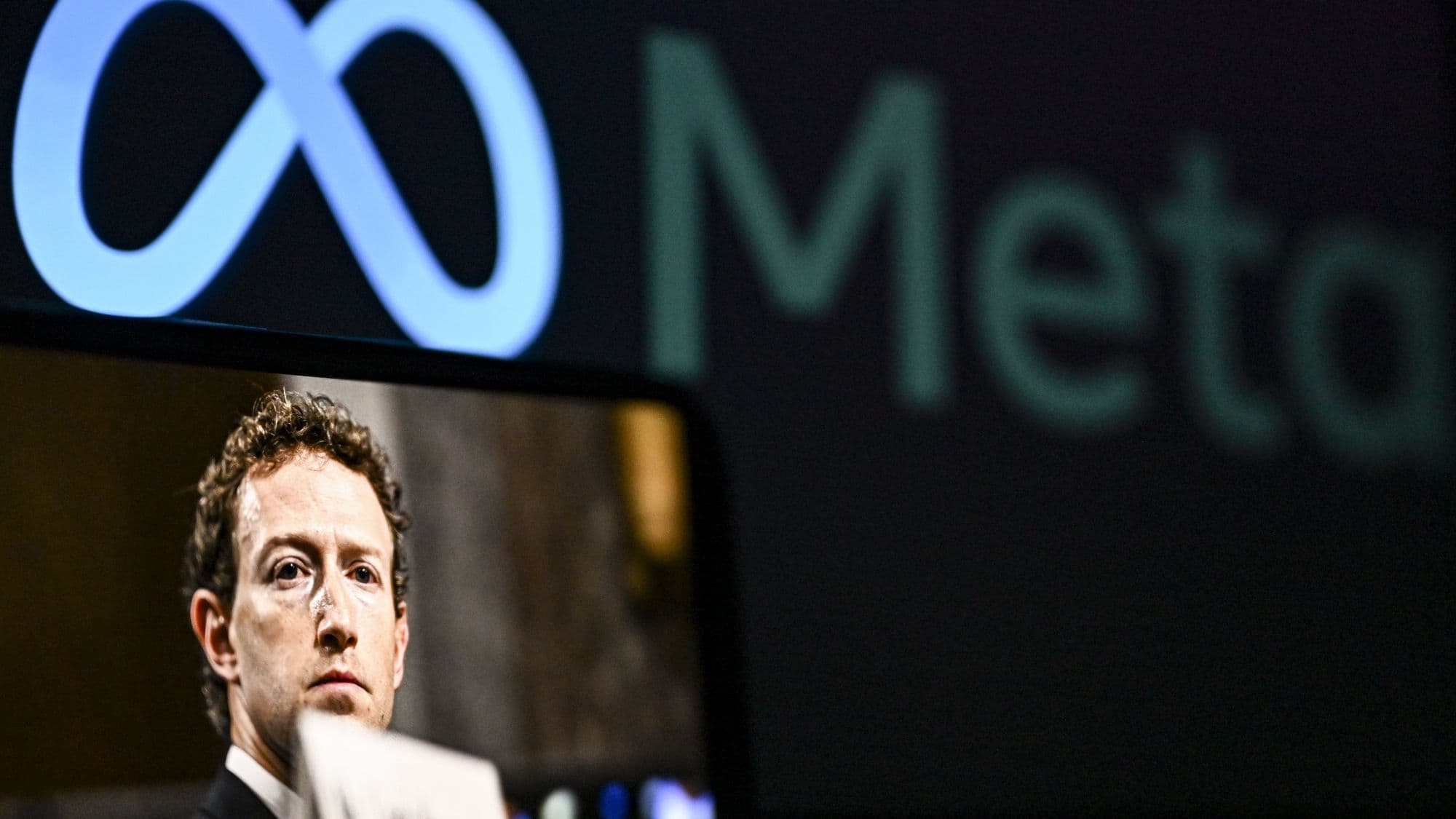
Meta has suspended its mandatory AI training program after an internal data leak exposed sensitive employee information across the company. The program, called the Model Capability Initiative, tracked employee keystrokes, mouse movements, and conversations to train AI systems on real workflows. According to Business Insider, the data was far more accessible within Meta than intended.
The exposed information included private employee conversations, performance-related data, transcriptions, and activity records. Meta classified the incident as SEV 2 on an internal scale where SEV 0 is the most severe. The company has paused the program while investigating.
What data did Meta's AI training program collect?
Meta introduced the Model Capability Initiative in April 2025. The program was designed to monitor employee behavior and use that data to improve Meta's AI models. Most staff were required to participate.
The collection was extensive. According to the report, Meta gathered keystrokes, mouse movements, conversations, transcripts, and performance-related information. Employees were already uncomfortable with this level of surveillance before the leak occurred.
A Meta spokesperson told Business Insider: "We have carefully designed this program with privacy safeguards, and while we have no indication at this time that any data was improperly accessed by Meta employees, we're pausing it while we investigate."
How did the internal leak happen?
This was not an external hack. The incident stemmed from internal data mismanagement. Screenshots obtained by Business Insider showed that data collected through the program was accessible to a much broader group within Meta than originally intended.
Employees found that their keystrokes, conversations, and performance data were visible across the company rather than restricted to the intended viewers. The access controls that were supposed to protect this sensitive information simply were not in place from the start.
Employee backlash and internal criticism
Meta employees did not hold back in internal forums. "I am incensed," one employee wrote in an internal group, according to Business Insider. Another acknowledged there was no evidence of malicious access but called the lack of promised restrictions "super frustrating."
The frustration runs deeper than this single incident. Meta has cut thousands of jobs partly to fund AI infrastructure. The same AI systems the company is building are being deployed to replace workers. Now employees who were compelled to hand over their workflow data have discovered it was not adequately secured.
The irony is hard to miss. Meta built its business on collecting and monetizing user data. The company has faced billions in regulatory fines over privacy violations, including a $1.3 billion EU penalty in 2023 for GDPR breaches. Yet it failed to protect its own employees' data in a mandatory internal program.
What happens next?
Meta says it is investigating the incident. The program remains paused indefinitely. The company has not indicated whether it will resume the Model Capability Initiative or what additional safeguards it might implement.
For Meta's roughly 70,000 employees, this episode adds to existing tensions around workplace monitoring and the company's aggressive AI pivot. Many were reportedly opposed to the program from the beginning. The data leak validates their concerns.
Frequently Asked Questions
What is Meta's Model Capability Initiative?
A mandatory internal program introduced in April 2025 that collected employee keystrokes, mouse movements, conversations, and performance data to train Meta's AI systems on real workflows.
Was Meta's employee data leak caused by hackers?
No. The leak was an internal data mismanagement issue where collected employee data was accessible to a broader group within Meta than intended, not a result of external hacking.
How severe was the Meta employee data leak?
Meta classified it as SEV 2 on an internal scale of 0 to 5, where 0 is the most severe. This indicates a significant but not catastrophic incident.
Has Meta resumed the AI training program?
No. As of the latest reports, Meta has paused the Model Capability Initiative while it investigates the data exposure incident.
As Meta pushes AI development that requires employee data, infrastructure constraints are shaping how fast the industry can move.
Meta employees face the double bind of being monitored to build AI that may replace them.
Logicity's Take
This incident exposes a fundamental tension in corporate AI development: companies need vast amounts of real workflow data to train useful models, but employees have no reason to trust that data will be handled responsibly. Meta's failure here goes beyond technical misconfiguration. It reflects a culture that prioritizes data collection over data protection, even when the subjects are its own workforce. The mandatory nature of the program made employee resistance impossible, which makes the security failure more consequential.
Need Help Implementing This?
If your organization is deploying AI training programs or employee monitoring tools, Logicity can help you understand the technical and governance frameworks that prevent incidents like this. Contact our team for enterprise privacy assessments and AI data governance consulting.
Source: Latest from Tom's Hardware
Manaal Khan
Tech & Innovation Writer
Produced with AI assistance and reviewed by the Logicity editorial team. Learn more in our Editorial Policy.