Key Takeaways
- Saint-Gobain CEO identifies skilled labor as a key bottleneck slowing AI data center construction
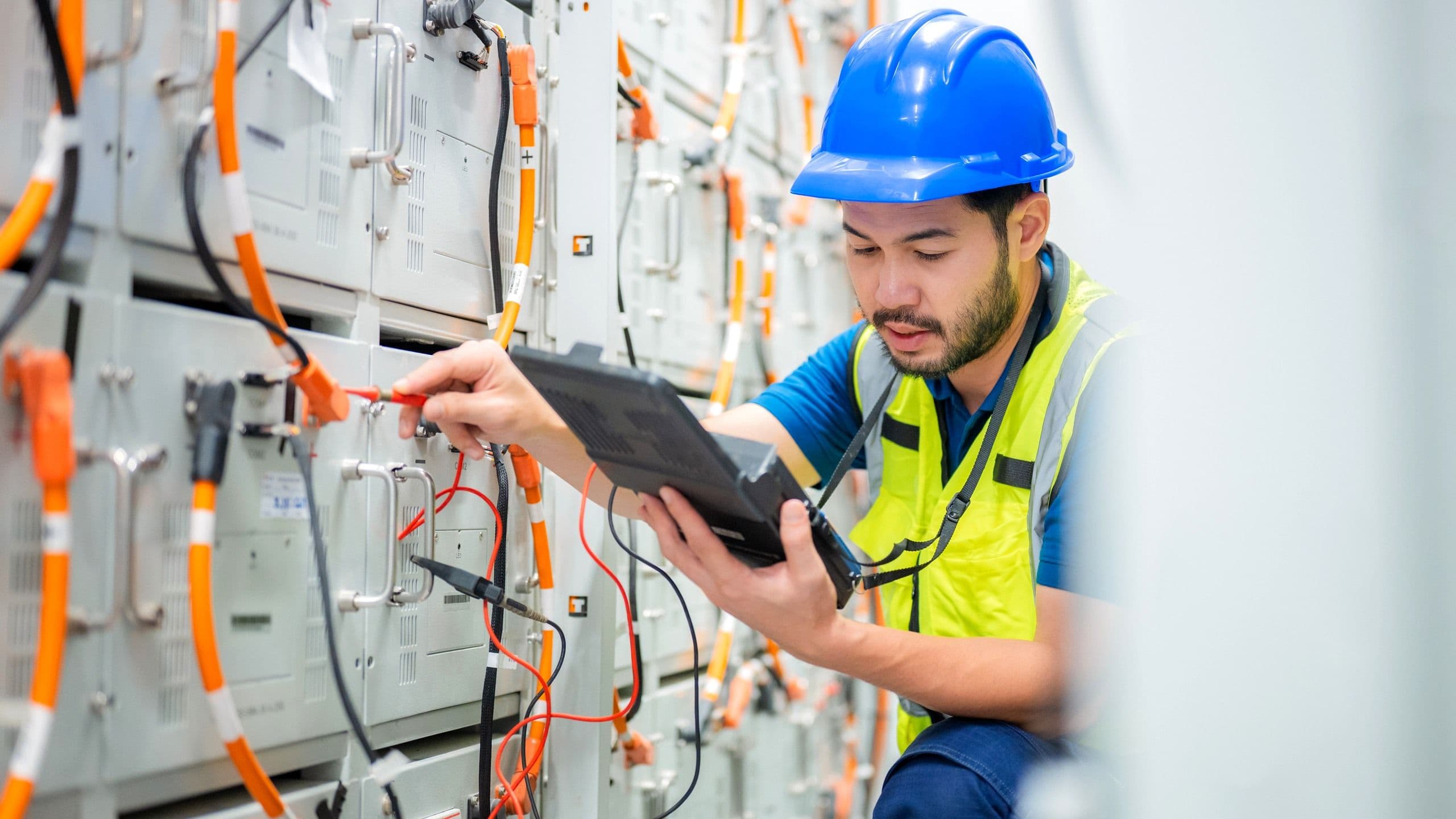
- Specialized workers like high-voltage electricians require 7-10 years of training, making rapid workforce expansion difficult
- Data center projects are outcompeting residential construction for electricians, causing delays in housing
The AI infrastructure buildout has hit a constraint that money alone cannot solve: skilled labor shortages are slowing data center construction in North America and starting to emerge in Europe. Saint-Gobain CEO Benoit Bazin flagged the problem during a Bloomberg Television interview, noting that while demand for data center projects remains strong, finding enough workers to actually build them has become a critical bottleneck.
Bazin's company supplies construction materials for hundreds of data center projects, giving him direct visibility into what's stalling timelines. His comments add labor to a growing list of constraints that includes power availability, grid capacity, permitting delays, and community opposition. The difference is that most of those problems can eventually be solved with capital. Training a master electrician takes years.
Why can't hyperscalers just hire more workers?
Data centers are not standard commercial buildings. They require specialized tradespeople: high-voltage technicians, fiber-optic installers, HVAC specialists, controls engineers, and commissioning teams. Many of these roles demand 7 to 10 years of training and apprenticeship. You cannot print electricians the way you can raise capital.
The US construction industry already faces an estimated shortage of 350,000 to 400,000 skilled electricians. Roughly 30% of the existing workforce is approaching retirement age. Meanwhile, Amazon, Microsoft, Google, Meta, and Oracle have collectively committed hundreds of billions of dollars to new AI facilities. The math does not work.
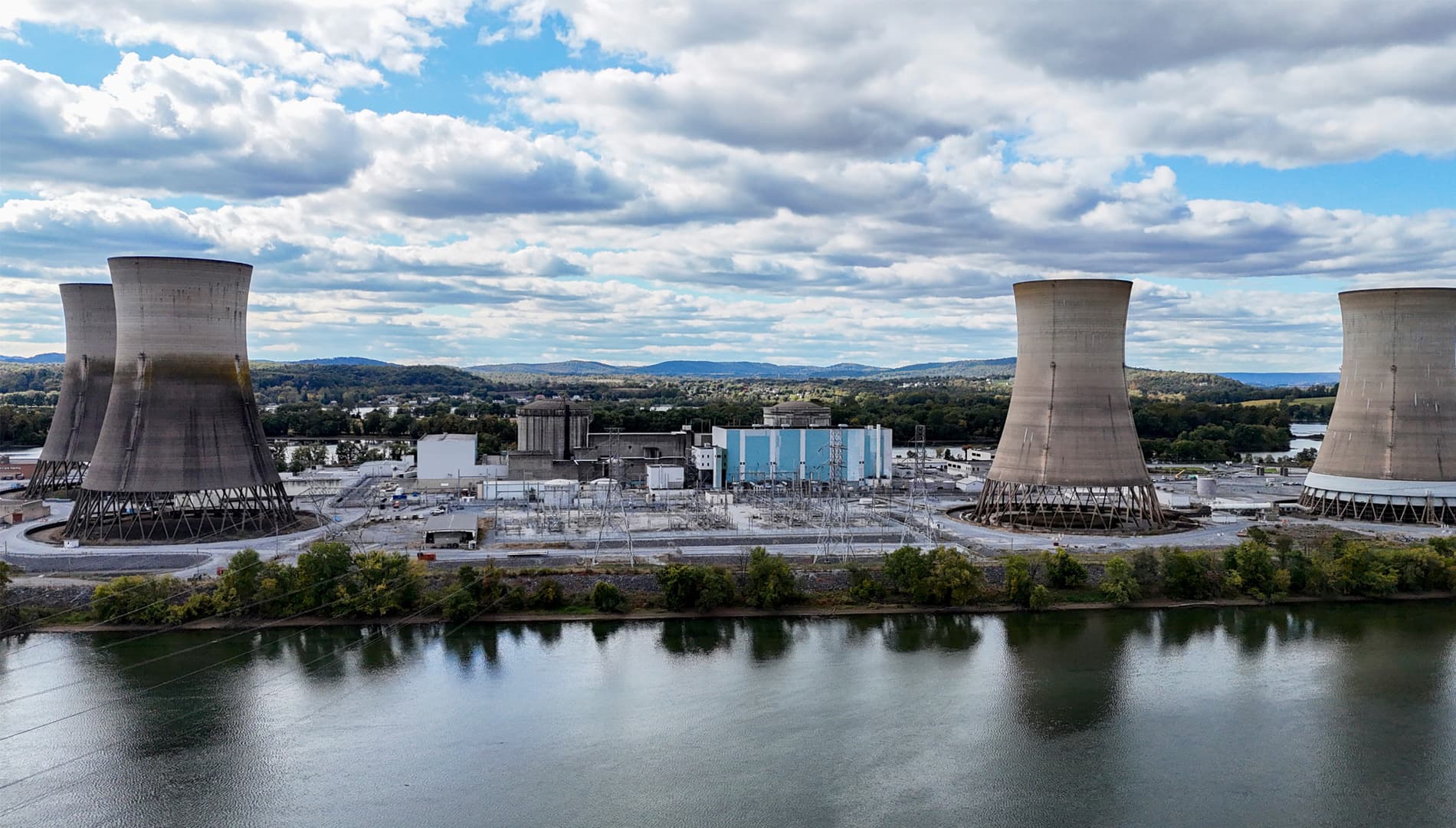
Power constraints remain the primary obstacle. The Three Mile Island nuclear plant, decommissioned in 2019, is set to reopen exclusively to serve Microsoft. That project illustrates how desperate hyperscalers have become for reliable electricity. But even if you solve power, you still need people who know how to wire a substation, commission cooling systems, and connect fiber networks.
The spillover into housing and other construction
Competition for skilled labor is already affecting sectors outside tech. In Texas, where numerous data center projects have been proposed, demand from hyperscaler-backed developments has increased competition for electricians. The result: delays in some residential housing projects, as contractors struggle to match the wages and budgets that Big Tech can offer.
Housing will not be displaced entirely, but the trend reveals how AI infrastructure spending is pulling from the same limited pool of tradespeople that the rest of the economy depends on. A company with a $100 billion capital budget will always outbid a residential developer.
Tech companies are funding their own workforce pipelines
Some hyperscalers have recognized the problem and started investing in solutions. Earlier this year, Meta partnered with CBRE on a training initiative to expand the pipeline of workers qualified for data center construction and operations. The move reflects concern that labor shortages could eventually slow deployment schedules regardless of how much money is available.
These programs take time to produce results. A training initiative launched today will not yield certified high-voltage technicians for years. In the meantime, existing projects will continue competing for a fixed pool of talent.
Community opposition adds another layer
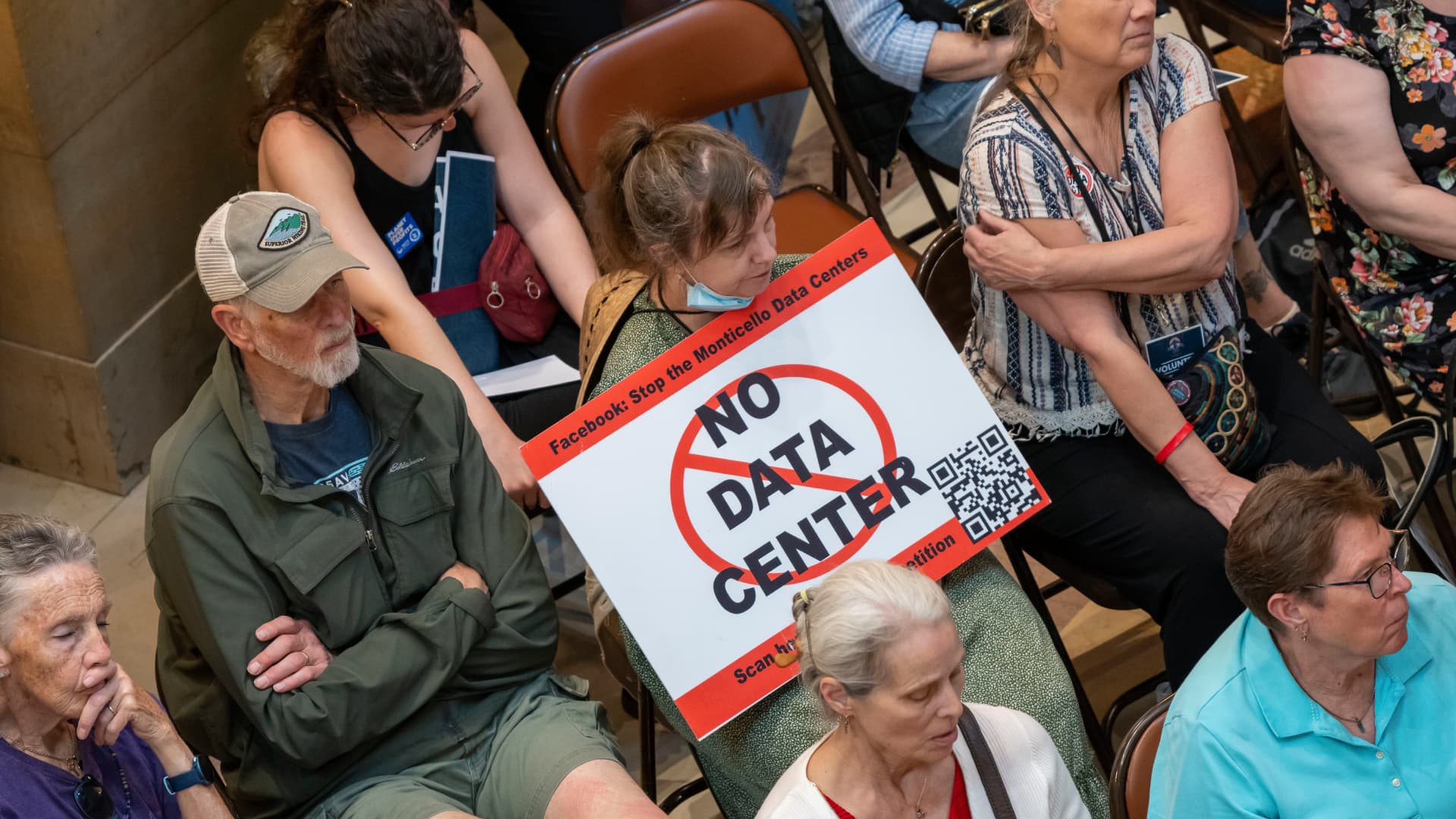
Labor is not the only non-technical challenge. Public opposition has grown in communities where data centers are proposed. Residents raise concerns about electricity consumption, water usage, noise, and the broader impact of large-scale industrial facilities. In Texas, opposition to new data centers has become a recurring topic of local debate.
Permitting delays, environmental reviews, and zoning fights add months or years to project timelines. Even when a site has power and workers, it may not have community approval.
What happens next?
Few observers expect construction activity to slow significantly in the near term. The capital is committed, demand for AI compute is real, and hyperscalers are racing to build capacity before competitors. But the constraints are stacking up: power, grid infrastructure, permitting, community opposition, and now skilled labor.
The question is whether the industry can expand the workforce fast enough to match the investment. If it cannot, deployment timelines will stretch, costs will rise, and some projects may be delayed indefinitely. Money can solve many problems. It cannot solve all of them.
Another major infrastructure investment in the AI supply chain
Frequently Asked Questions
Why is there a skilled labor shortage for data center construction?
Data centers require specialized workers like high-voltage electricians, HVAC specialists, and fiber-optic installers. These roles take 7-10 years of training, so the workforce cannot expand as quickly as investment has grown.
Which companies are most affected by data center labor shortages?
Amazon, Microsoft, Google, Meta, and Oracle have committed hundreds of billions to new AI data centers. All face competition for the same limited pool of skilled tradespeople.
How are labor shortages affecting industries outside tech?
In Texas, data center projects have increased competition for electricians, contributing to delays in residential housing construction as contractors cannot match hyperscaler wages.
What are tech companies doing to address the labor shortage?
Meta has partnered with CBRE on training initiatives to expand the pipeline of qualified workers. However, these programs take years to produce results.
Is power or labor the bigger constraint on data center construction?
Power availability remains the primary constraint, but labor is emerging as a significant secondary bottleneck that affects projects even when power is available.
Logicity's Take
The labor bottleneck may prove more stubborn than power constraints. Utilities can build new substations and generation capacity with enough capital and regulatory cooperation. But skilled tradespeople require years of training, and the US construction workforce is aging. Meta's training initiative is the right idea, but it is one company addressing a systemic problem. Without coordinated investment in vocational education and apprenticeship programs across the industry, the labor gap will widen as AI investment accelerates. The companies that lock in workforce partnerships early may gain a lasting advantage over competitors still scrambling for workers.
Need Help Implementing This?
Logicity tracks AI infrastructure developments, supply chain constraints, and technology investment trends. Subscribe to our newsletter for weekly analysis on the forces shaping enterprise technology, or contact our team for custom research on data center planning and deployment challenges.
Source: Latest from Tom's Hardware
Manaal Khan
Tech & Innovation Writer
Produced with AI assistance and reviewed by the Logicity editorial team. Learn more in our Editorial Policy.