Key Takeaways
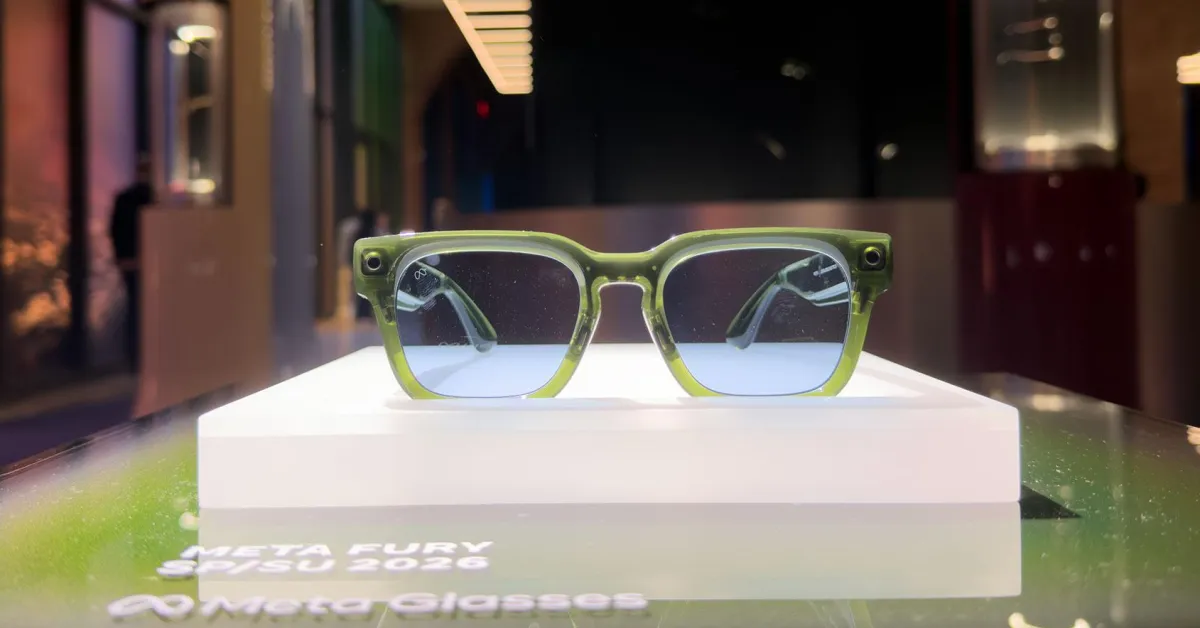
- Meta Glasses launch at $299, $80 cheaper than Ray-Ban Meta versions, with three new styles including a Kylie Jenner collaboration
- EssilorLuxottica remains the manufacturing partner despite dropped Ray-Ban branding, focused on reaching price-conscious buyers
- Privacy concerns loom as reports surface that Meta is building facial recognition features for smart glasses
Meta just broke up with Ray-Ban. Sort of. The company launched its first smart glasses without the iconic sunglasses brand, pricing the new Meta Glasses line at $299. That's $80 cheaper than the Ray-Ban Meta Gen 2. The partnership with EssilorLuxottica continues, but the premium Ray-Ban name no longer appears on the frames.
The timing is curious. Recent investigations by The New York Times and Wired revealed that Meta is actively building facial recognition capabilities for its smart glasses. Yet here's Meta, pushing harder into the wearables market with a budget-friendly option designed to reach more faces, more places.
Why Meta dropped the Ray-Ban name
"We just feel like we need to have a pair of glasses at a lower price point," Alex Himel, Meta's vice president of wearables, told The Verge. The explanation is straightforward: Ray-Ban commands a premium. Removing that brand license lets Meta hit a more accessible number.
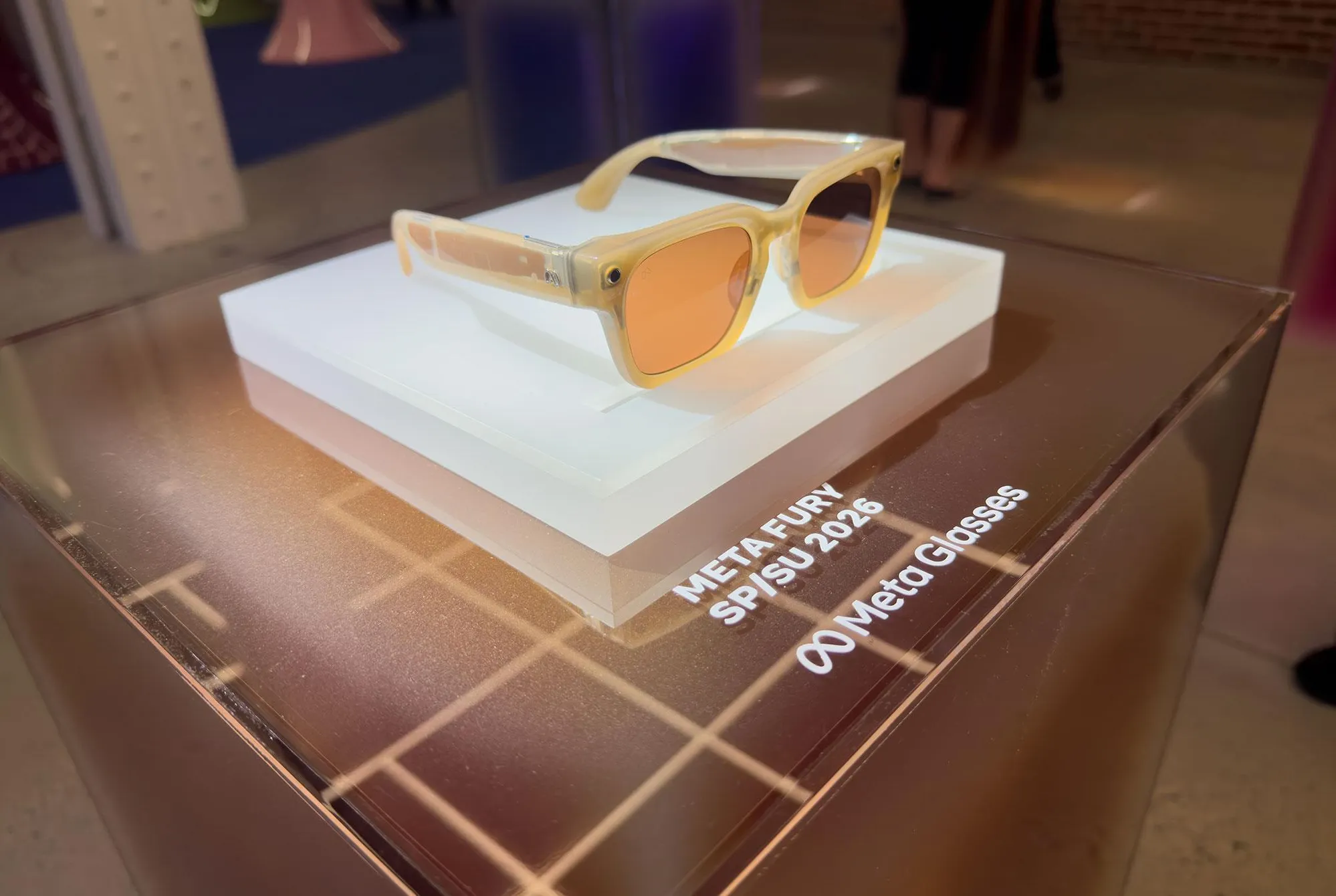
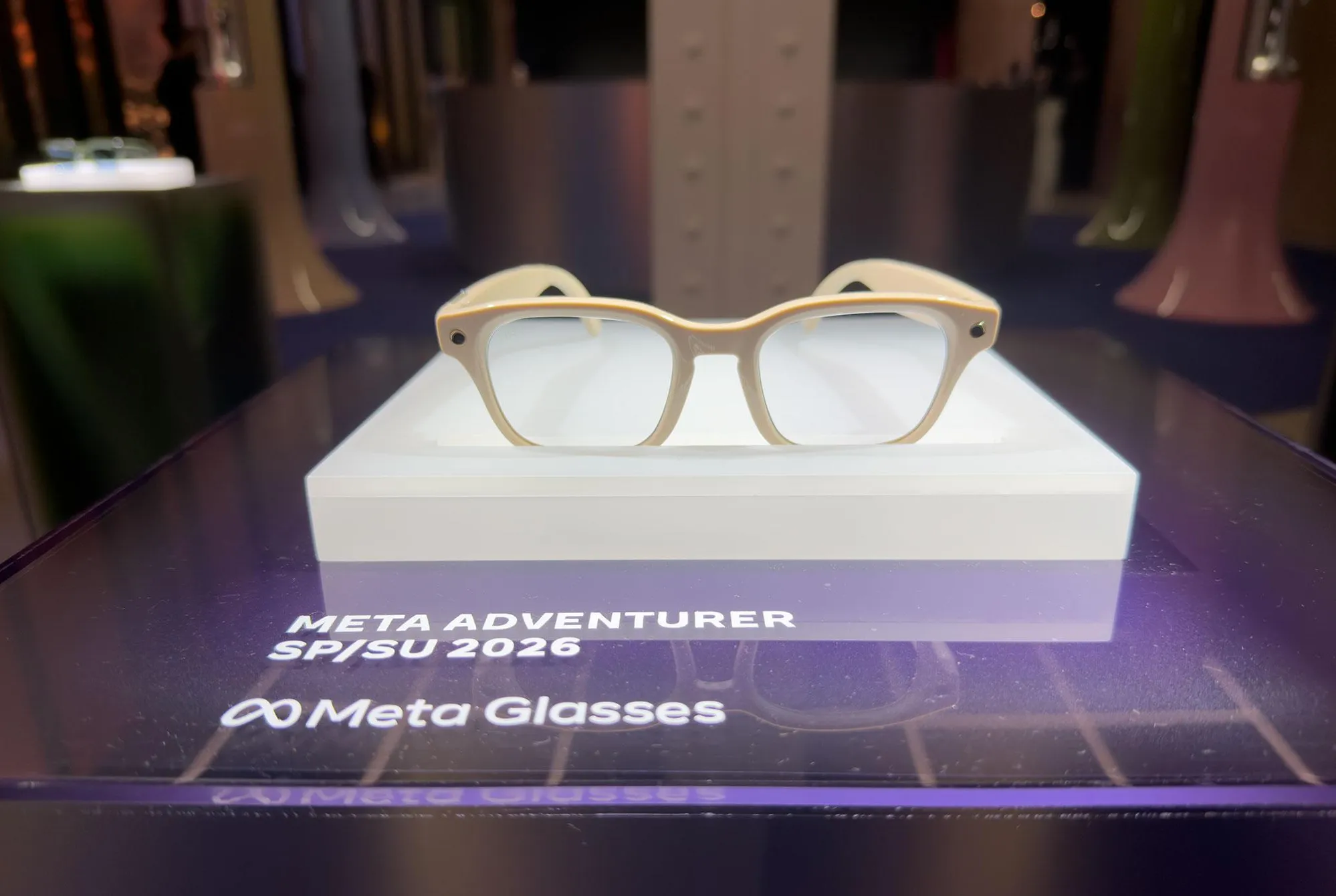
EssilorLuxottica's name still appears stamped inside the temple of every pair, albeit in tiny font. The eyewear giant handled design and manufacturing for the Meta Fury, Meta Adventurer, and Meta Glasses by Kylie, a collaboration with Kylie Jenner. This isn't a divorce from EssilorLuxottica. It's a strategic repositioning to capture buyers who want the tech without the designer price tag.
Three styles, same internals
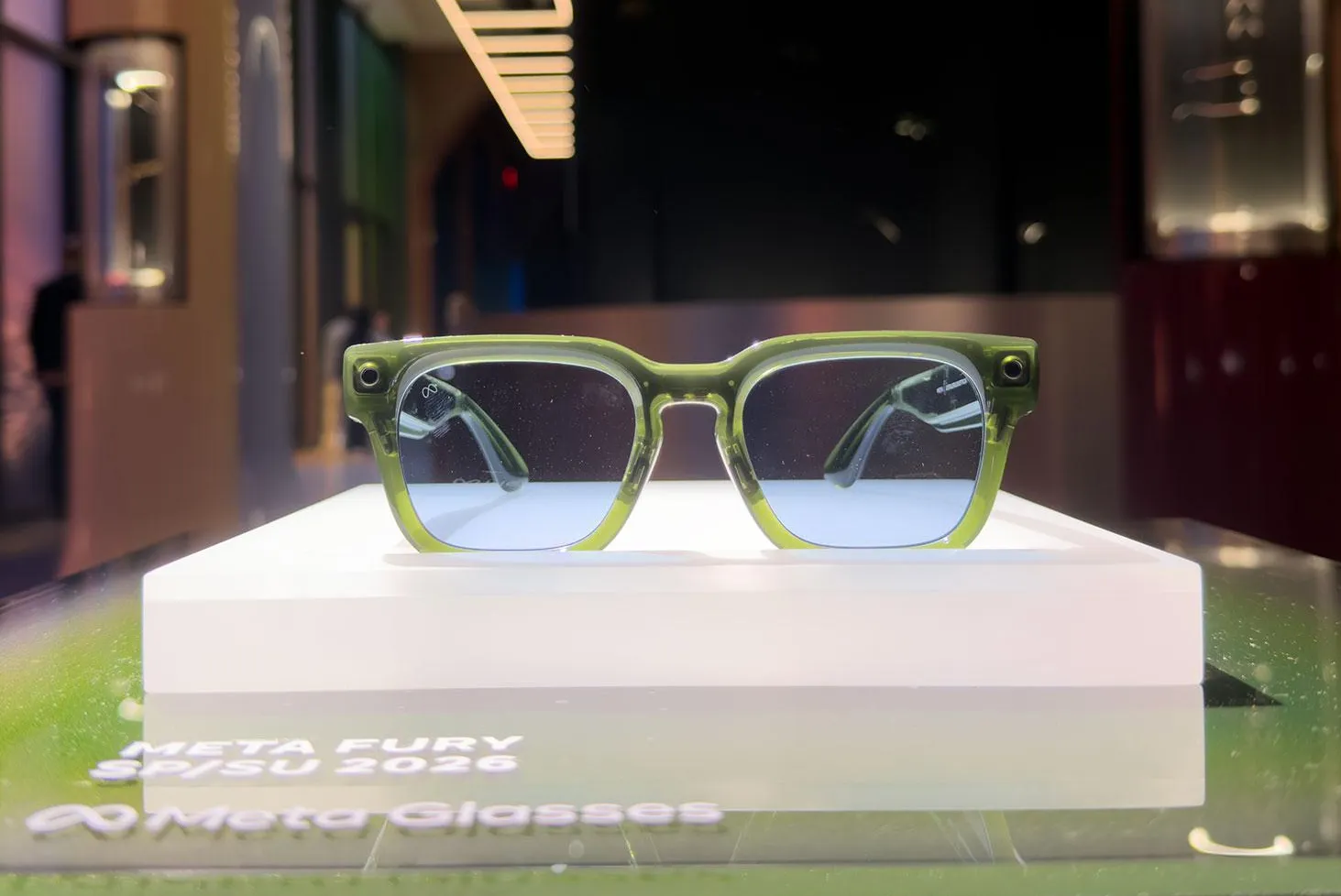
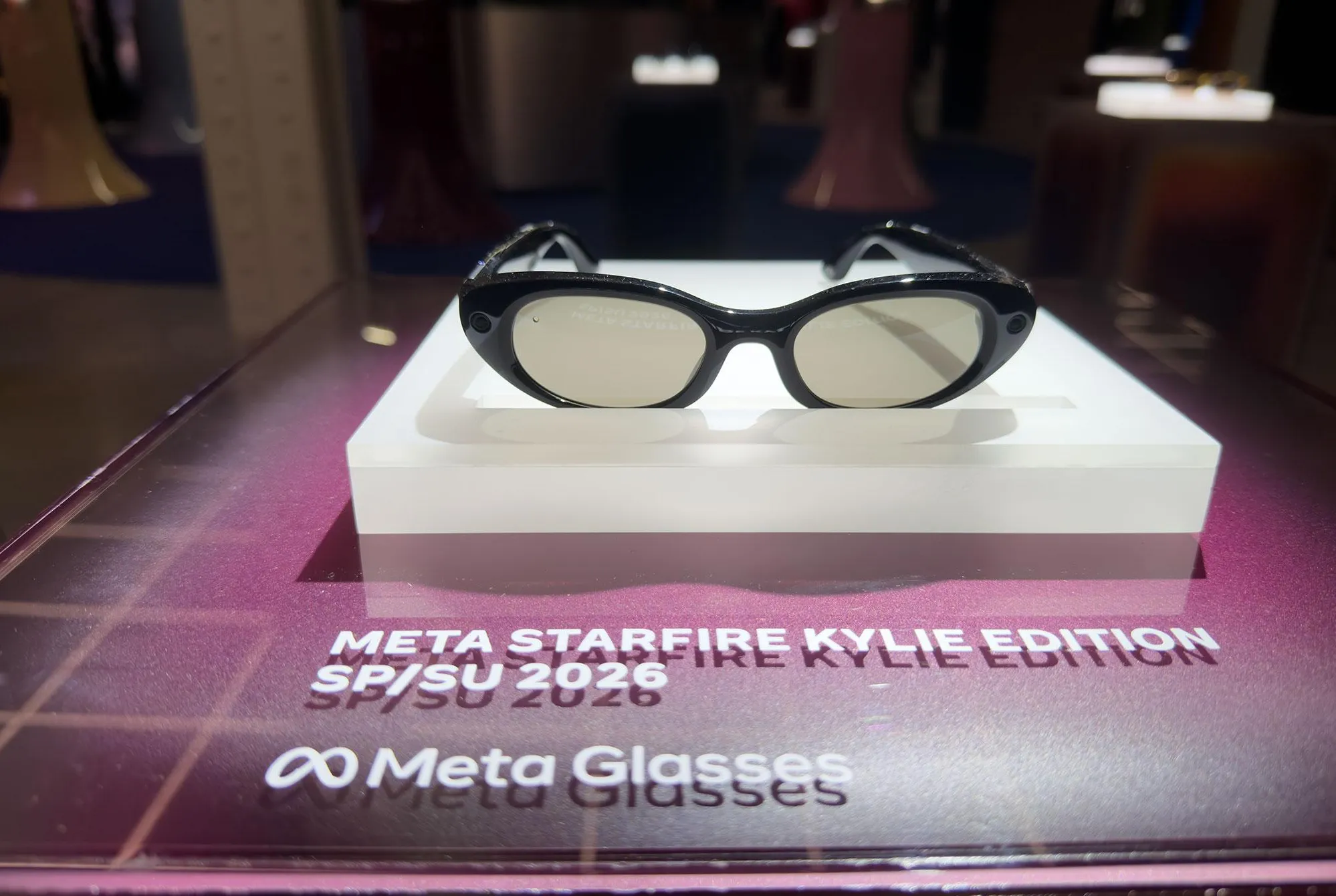
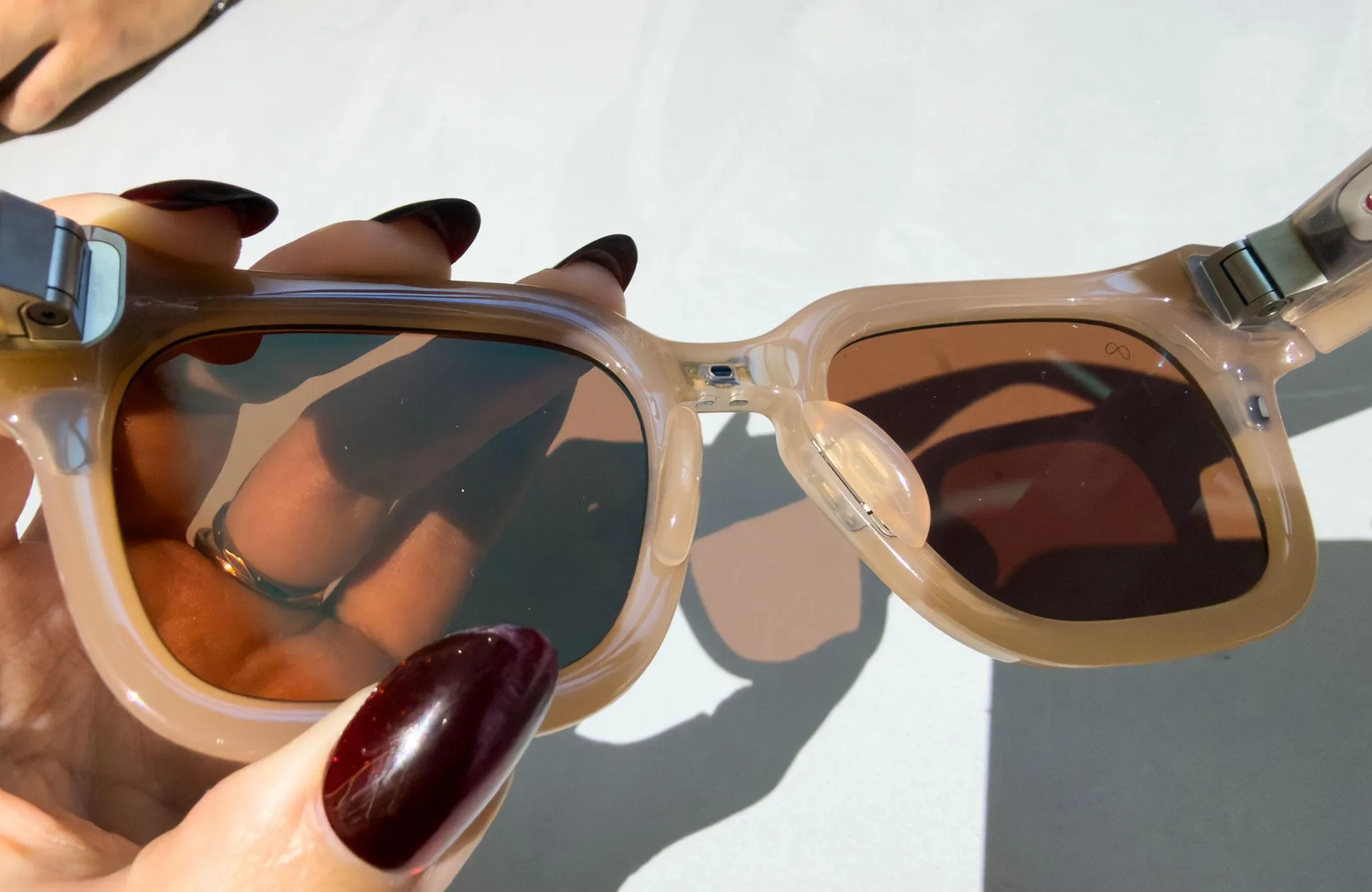
The hardware inside matches the recently released Ray-Ban Meta Optics Styles, with slightly better battery life. The differences are cosmetic. The Fury sports a chunky, square frame reminiscent of the Meta Ray-Ban Display. The Adventurer goes slimmer with thinner rims, available in standard and large sizes. The Kylie collaboration leans into Y2K aesthetics with a lower-sitting frame and a small gem in the upper corner of the left lens.
For prescription wearers, the range spans -12 to +2.25. Anything stronger than -6 requires an optician visit. The frames also introduce adjustable nose pads that click into three positions and bendable wire temple tips for a customized fit. These details matter for glasses you're expected to wear all day.
The Kylie factor
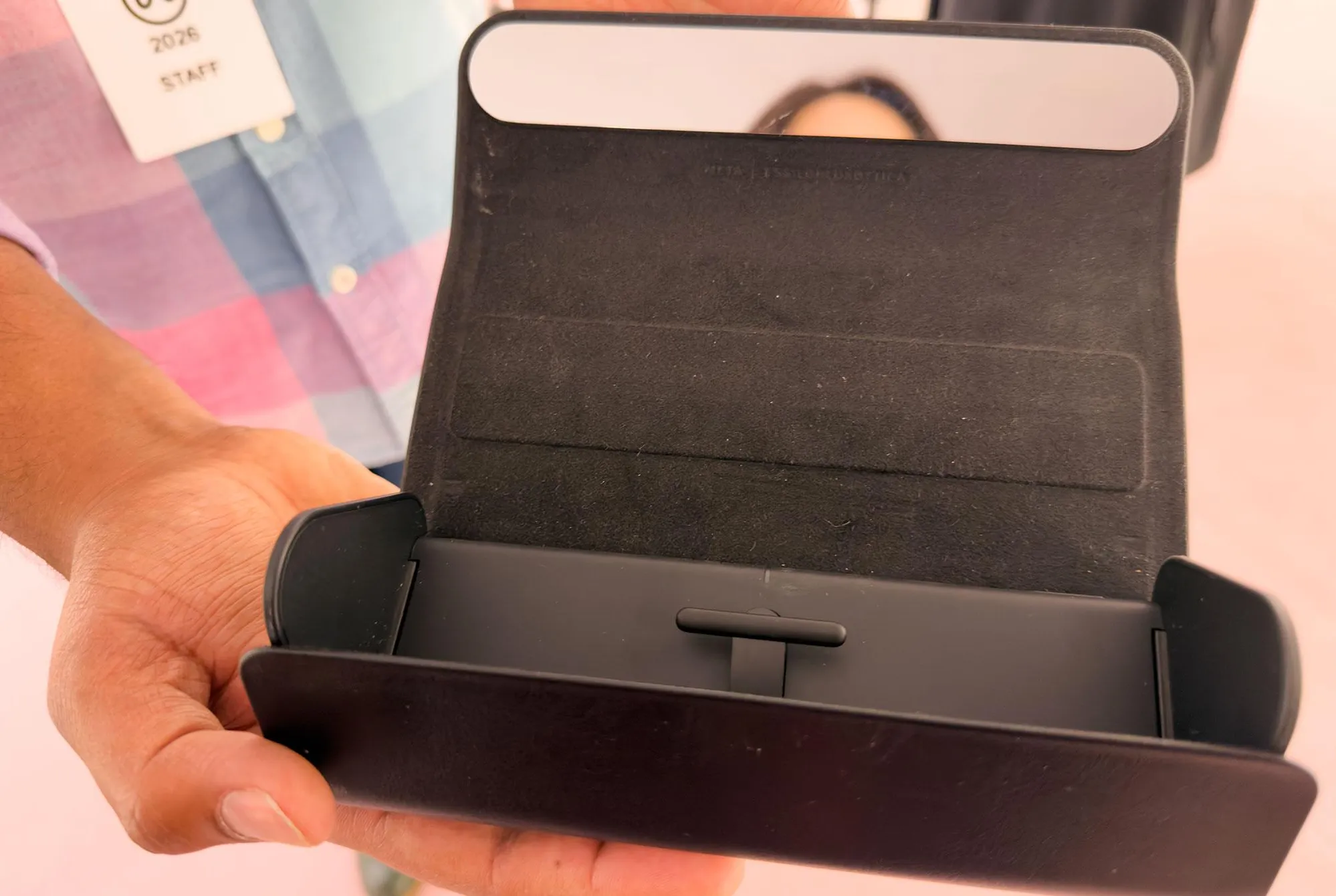
Meta made sure everyone knew about the Jenner collaboration. Multiple spokespeople mentioned it during the hands-on event. The glasses come with a special case featuring a mirror, targeting a demographic that probably doesn't follow wearable tech news but definitely follows Kylie on Instagram.
The move looks calculated to compete with Google and Samsung's partnership with Gentle Monster, which has been courting the fashion-conscious crowd. Whether Gen Z cares about smart glasses from a company their parents use remains an open question.
The privacy problem isn't going away
Himel acknowledged that privacy improvements are coming. He didn't specify what those improvements would be. That vagueness matters when your company is reportedly building facial recognition into glasses that look like regular eyewear.
The camera on the new Meta Glasses appears smaller than previous versions, though Himel clarified this design change actually debuted in March with the prescription-optimized Optics Styles. A smaller camera doesn't address the core concern: these glasses can record video without obvious indicators, and Meta's track record on privacy doesn't inspire confidence.
What this signals for the smart glasses market
Meta is betting that price, not privacy, is the real barrier to mainstream adoption. At $299, these glasses cost less than a mid-range smartphone. The company wants smart glasses to be normal, unremarkable, everywhere. That's exactly what privacy advocates fear.
The Ray-Ban partnership worked because it made smart glasses socially acceptable. Removing that brand doesn't undo five years of normalization. It just makes the technology cheaper to spread. With Google, Samsung, and Apple all circling the wearable AI space, Meta clearly decided it needed to move faster and wider than a luxury partnership allowed.
Logicity's Take
Meta's price drop strategy mirrors its VR playbook: undercut competitors to achieve scale, then figure out monetization later. At $299, these glasses are priced against standalone earbuds rather than luxury eyewear. The Kylie Jenner collaboration suggests Meta sees Gen Z adoption as critical, but the company's privacy baggage may be harder to shake in Europe and enterprise contexts. Competing products like the Ray-Ban Meta Gen 2 at $379 and the rumored Apple glasses could force another price adjustment by year-end.
Frequently Asked Questions
How much do Meta Glasses cost compared to Ray-Ban Meta?
Meta Glasses start at $299, which is $80 cheaper than the Ray-Ban Meta Gen 2's $379 starting price.
Is EssilorLuxottica still making Meta's smart glasses?
Yes. EssilorLuxottica remains the manufacturing and design partner. Their name appears inside the frame temples, just without the Ray-Ban branding.
What prescription range do Meta Glasses support?
The glasses support prescriptions from -12 to +2.25. Prescriptions stronger than -6 require fitting through an optician.
Do Meta Glasses have facial recognition?
Reports from The New York Times and Wired indicate Meta is actively building facial recognition features for its smart glasses, though the company has not confirmed official launch plans.
What styles are available for Meta Glasses?
Three styles launched: Meta Fury (chunky square frame), Meta Adventurer (slimmer profile in standard and large sizes), and Meta Glasses by Kylie (Y2K-inspired collaboration with Kylie Jenner).
Need Help Implementing This?
Want to understand how wearable tech fits into your enterprise strategy? Logicity helps tech leaders evaluate emerging hardware and AI integration opportunities. Contact us for a consultation.
Huma Shazia
Senior AI & Tech Writer
Produced with AI assistance and reviewed by the Logicity editorial team. Learn more in our Editorial Policy.




