Key Takeaways
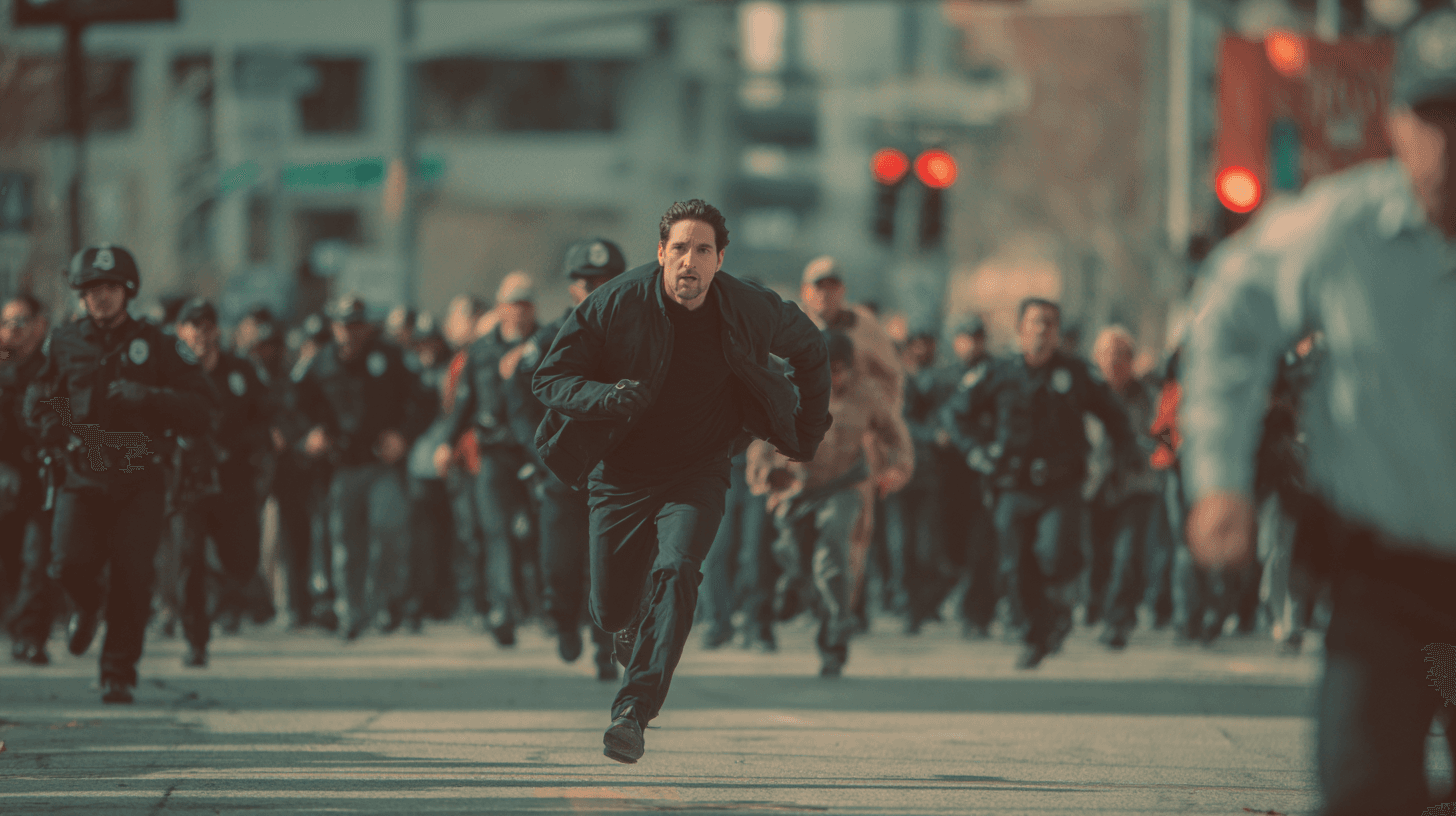
- Seedance 2.5 generates single 30-second clips with scene changes and tempo shifts, no post-stitching required
- The model accepts up to 50 simultaneous inputs including reference images and audio for multi-character scenes
- ByteDance claims Doubao 2.1 Pro costs 80% less than Claude Opus 4.6
ByteDance announced Seedance 2.5 at the Volcano Engine FORCE conference, and the headline spec matters: 30-second video clips generated in a single pass. No stitching multiple clips together. The model ships in early July through Volcano Engine, ByteDance's enterprise cloud arm.
For context, most production AI video tools top out around 10 to 16 seconds per generation. OpenAI's Sora, Runway's Gen-3, and Pika all require users to chain shorter clips to build longer sequences. That process introduces continuity headaches: character consistency drifts, lighting shifts between cuts, and editors spend time smoothing the seams. A native 30-second output sidesteps all of that.
What can Seedance 2.5 actually do?
The model handles scene changes and tempo shifts within a single generation. That's not just longer output; it's structurally different. You can describe a sequence with multiple beats, and the model renders them coherently without separate generations.
Seedance 2.5 also accepts up to 50 simultaneous inputs. Reference images, audio tracks, character sheets, style guides. The use case ByteDance highlights is film scenes with multiple characters, where you need each actor to stay consistent throughout the clip. Whether that works as advertised remains to be tested, but the input flexibility opens doors for complex production workflows.
Post-generation editing is included. Users can modify generated videos while preserving the visual style. The specifics of what edits are possible, timing tweaks, character adjustments, scene reframing, aren't detailed in the announcement.
Four more models join ByteDance's AI lineup
Seedance 2.5 wasn't the only announcement. ByteDance also updated Seedance 2.0 with native 4K output and 10-bit color depth, a meaningful upgrade for anyone who needs broadcast-quality footage.
The rest of the lineup:
- Doubao 2.1 Pro: A language model ByteDance claims costs about 80% less than Claude Opus 4.6
- Seedream 5.0 Pro: An updated image generation model
- Seed-Audio 1.0: A new audio generation model
The pricing claim for Doubao 2.1 Pro is aggressive. An 80% discount against a frontier model, if the quality holds up, would undercut every major LLM provider. But ByteDance didn't publish benchmarks at the conference, so the quality question remains open.
Why 30 seconds changes the production math
Current AI video workflows require careful prompt engineering at each clip boundary. You generate 10 seconds, then prompt the next 10 seconds with context from the first, hope the model maintains consistency, and repeat. It works, but it's slow and unpredictable.
A 30-second native output compresses that loop. You describe the full sequence once and get a coherent result. For ad spots, explainer videos, and social content, 30 seconds often covers the entire deliverable. No splicing required.
The 50-input capacity also matters for teams using reference-heavy workflows. Product teams building visual assets can feed brand guidelines, character designs, and audio tracks into a single generation. If the model actually respects all those inputs, that's a meaningful reduction in iteration cycles.
What's still unclear
ByteDance didn't share pricing for Seedance 2.5, generation latency, or compute requirements. For enterprise buyers evaluating Volcano Engine against AWS, Azure, or Google Cloud for AI workloads, those numbers matter.
Availability outside China is also unconfirmed. Volcano Engine serves international customers, but ByteDance's AI products have faced regulatory scrutiny in the US and EU. Whether Seedance 2.5 rolls out globally in July or hits geopolitical friction is an open question.
Logicity's Take
ByteDance is building a full-stack AI media pipeline: video, image, audio, and language models, all available through one cloud provider. For product teams in markets where Volcano Engine is accessible, this is worth monitoring. The 30-second barrier matters less than it seems in isolation, but combined with multi-input support and post-generation editing, ByteDance is targeting professional production workflows, not just demos. Runway, Pika, and Luma will need to respond. If you're evaluating AI video tools, wait for independent benchmarks before committing to any 2025 contract.
Frequently Asked Questions
When does Seedance 2.5 launch?
ByteDance announced an early July release through Volcano Engine. Exact date and regional availability weren't specified.
How long can Seedance 2.5 videos be?
Up to 30 seconds in a single generation, with scene changes and tempo shifts rendered natively without post-processing.
What inputs does Seedance 2.5 accept?
The model processes up to 50 simultaneous inputs, including reference images, audio tracks, and other assets for multi-character scenes.
Is Seedance 2.5 available outside China?
Volcano Engine serves international customers, but ByteDance hasn't confirmed global availability for this specific model.
How does Doubao 2.1 Pro compare to Claude?
ByteDance claims it costs 80% less than Claude Opus 4.6, but hasn't published comparative benchmarks.
Another major AI lab betting on video production tools
Need Help Implementing This?
Building with AI video tools? Our team covers emerging workflows for product teams and studios. Subscribe to Logicity for weekly analysis, or contact us for vendor comparisons tailored to your stack.
Source: The Decoder / Maximilian Schreiner
Huma Shazia
Senior AI & Tech Writer
Produced with AI assistance and reviewed by the Logicity editorial team. Learn more in our Editorial Policy.