Key Takeaways
- 473-mile WLTP range eliminates range anxiety for executive travel between major cities
- 22-minute fast charging from 10-80% could cut fleet downtime by 40% compared to older EVs
- Subscription-based driver assist features create ongoing operational costs to factor into TCO
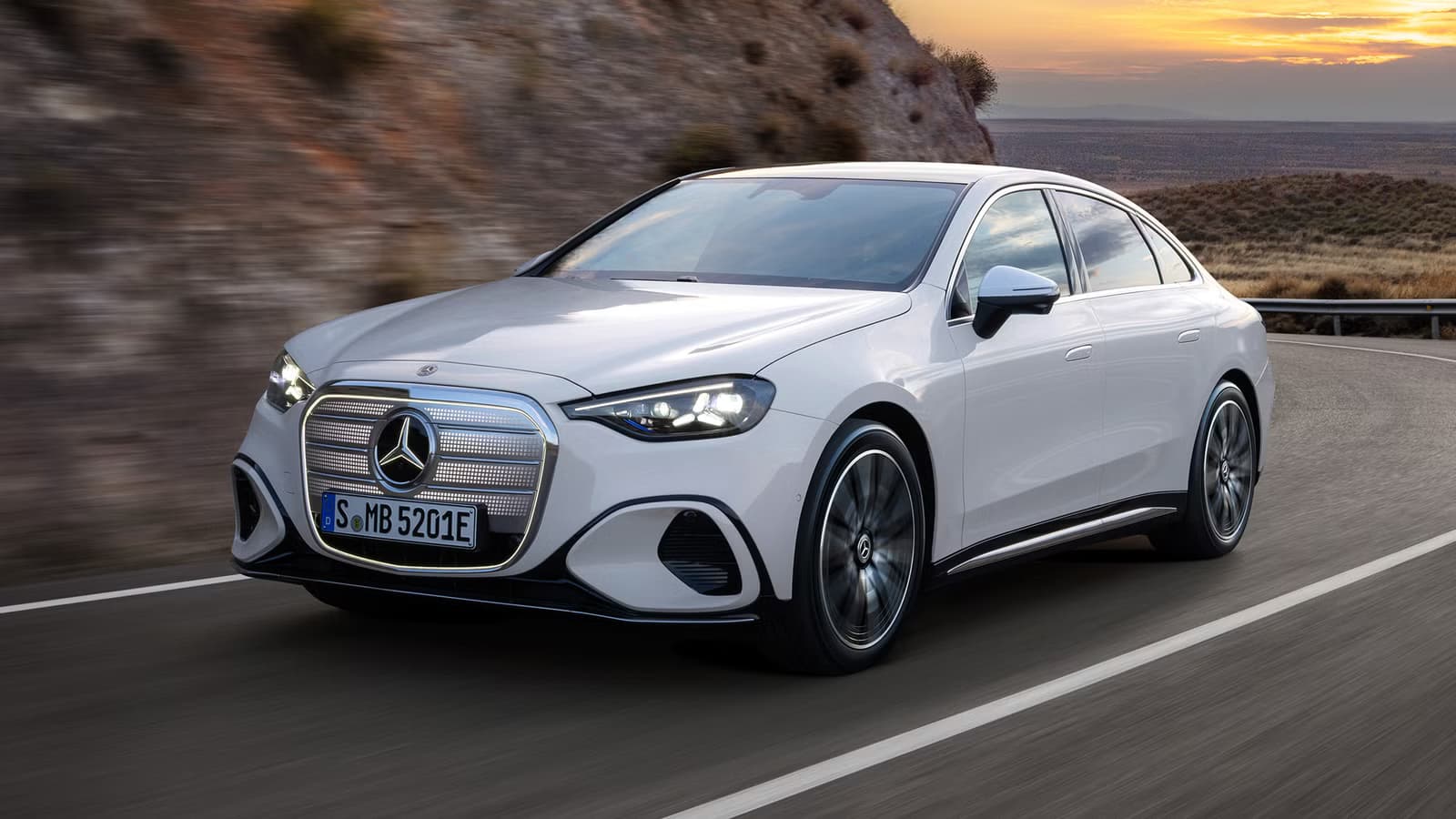
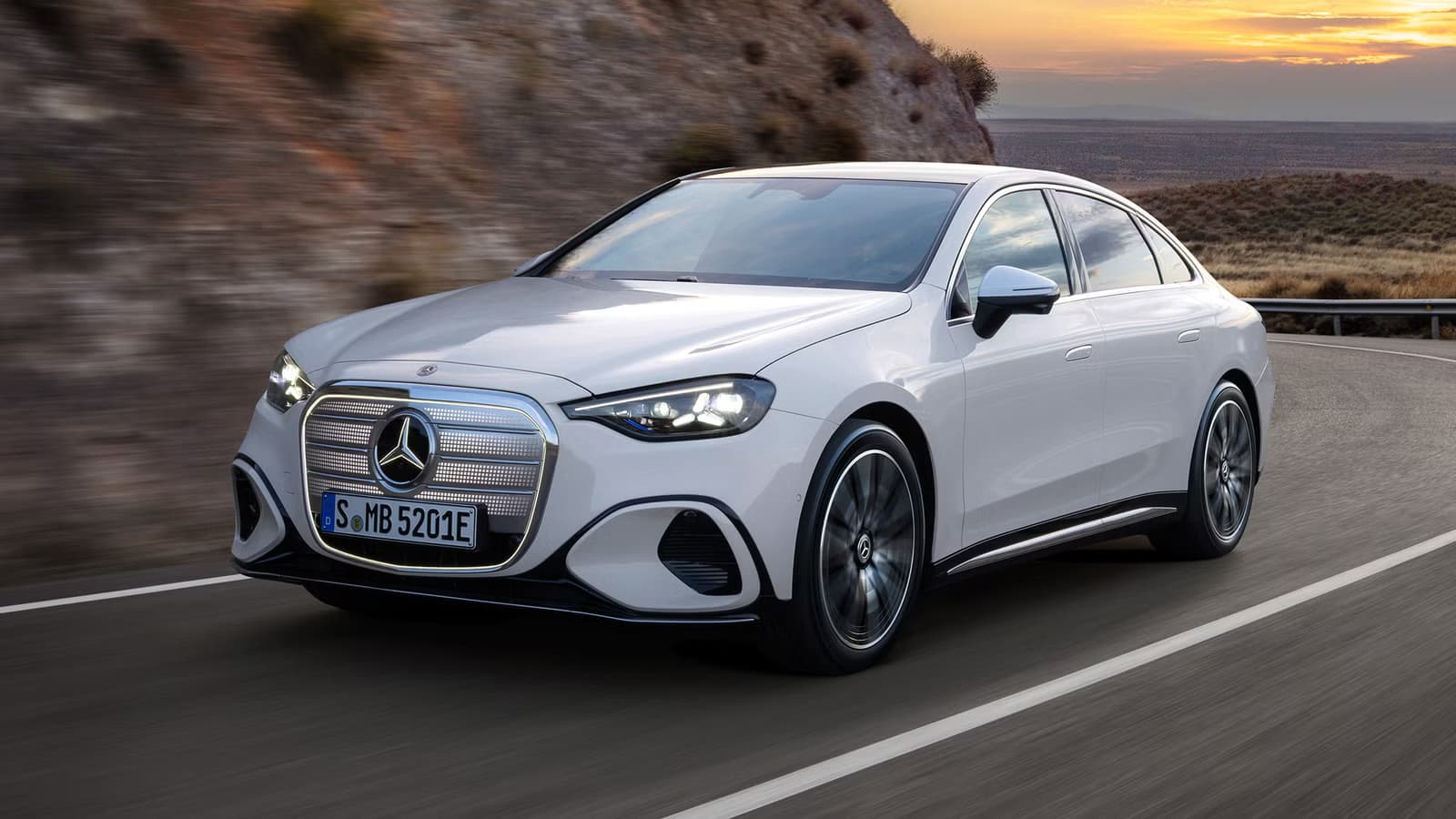
According to [How-To Geek](https://www.howtogeek.com/mercedes-benz-2027-c-class-electric-ev/), Mercedes-Benz has unveiled the 2027 C-Class Electric as the "sportiest" C-Class ever made, featuring 482 horsepower and an estimated 473 miles of range on WLTP testing.
Here's why this matters if you're running a corporate fleet or choosing executive vehicles: Mercedes just made an electric sedan that can drive from Berlin to Paris with one charging stop. That's not a spec sheet flex. That's a fundamental shift in how businesses can think about premium EV adoption.
Read in Short
The 2027 Mercedes C-Class Electric delivers 473 miles of range, 22-minute fast charging, and AI-powered features. For fleet managers, this means reduced charging infrastructure costs and viable intercity executive travel. Pricing isn't announced yet, but expect premium positioning. The real business decision: subscription-based driver assist features will add ongoing operational costs beyond the sticker price.
What Does 473 Miles of Range Mean for Business Travel?
Let's put that number in context. The average executive commute plus client visits runs about 50-80 miles daily. At 473 miles WLTP range (probably closer to 380-400 EPA), you're looking at a full week of heavy business use on a single charge.
For fleet managers, this changes the math on charging infrastructure investments. Instead of needing Level 2 chargers at every office location, you might only need fast chargers at regional hubs. That's potentially tens of thousands in reduced installation costs across a multi-location operation.
The 800-volt architecture is the technical detail that matters here. It enables 201 miles of range in just 10 minutes of charging. For a sales executive between client meetings, that's a coffee break, not a schedule disruption.
How Fast Charging Changes Fleet Economics
The 22-minute charge from 10% to 80% is where Mercedes is making its business case. Compare this to older EVs that needed 45-60 minutes for similar charging. That's not just convenience. It's billable hours recovered.
| Metric | 2027 C-Class Electric | Typical 2024 EVs | Business Impact |
|---|---|---|---|
| 10-80% Charge Time | 22 minutes | 45-60 minutes | 50%+ reduction in charging downtime |
| Range Added in 10 min | 201 miles | 80-120 miles | Viable for unplanned trips |
| Architecture | 800V | 400V typical | Future-proofed for faster chargers |
| Estimated Range (WLTP) | 473 miles | 250-350 miles | Weekly charging vs daily charging |
Mercedes achieves this efficiency through selective front motor use and aggressive regenerative braking. The two-speed transmission prioritizes highway efficiency, which is exactly where executives spend their driving time.
Is the Mercedes Hyperscreen Worth It for Executive Vehicles?
The optional 39.1-inch Hyperscreen sounds like a gimmick until you consider how executives actually use their vehicles. Between calls, the passenger can handle navigation and scheduling on their dedicated screen. The AI assistant integrates ChatGPT-4o, Google Gemini, and Microsoft Bing for complex queries.
This isn't just infotainment. It's a mobile office setup. Ask the AI to find the nearest charging station with a coffee shop and meeting space, and it can handle that conversational request. For road warriors, that's a productivity multiplier.
Executive Summary: AI Integration
The new MB.OS and MBUX systems blend three AI providers (OpenAI, Google, Microsoft) for natural language requests. Google provides charging-aware navigation that factors in battery state. This matters for fleet management because it reduces range anxiety incidents and support calls from confused drivers.
What Are the Hidden Costs of Mercedes Driver Assist Features?
Here's where CFOs need to pay attention. Mercedes is moving toward subscription-based driver assistance. Basic Distance Assist comes included, but MB Drive Assist and Drive Assist Pro are additional purchases. A future "City Pro" feature promises automated driving in heavy traffic, but that's another line item.
This subscription model is becoming standard across premium EVs. When calculating total cost of ownership for your fleet, don't just look at the sticker price. Factor in annual software subscriptions, "digital extras" like apps and games, and potential feature unlocks.
The good news: you can choose which vehicles need which features. Sales teams hitting highways might need Drive Assist Pro. Urban-only vehicles might skip it entirely. This granularity can actually reduce costs if you're strategic about feature allocation.
Compare total cost of ownership between premium EVs and budget-friendly hybrid alternatives
How Does the C-Class Electric Compare to BMW's Electric Options?
The elephant in the showroom is BMW. According to J.D. Power's 2025 reliability rankings, there's a clear order among German luxury brands. Mercedes is positioning the C-Class Electric against BMW's i4 and upcoming electric 3 Series equivalents.
For fleet managers, brand reliability translates directly to maintenance costs and vehicle downtime. An unreliable executive vehicle doesn't just cost repair money. It costs client relationships when your regional director shows up late to a board presentation.
✅ Pros
- • 473-mile range exceeds most competitors by 100+ miles
- • 22-minute fast charging among the fastest in segment
- • 800V architecture future-proofs for faster charger networks
- • AI integration could reduce driver training and support costs
- • Premium positioning supports executive recruitment and retention
❌ Cons
- • Pricing not yet announced (expect premium)
- • Subscription-based features add ongoing costs
- • WLTP range likely 15-20% optimistic vs EPA testing
- • New platform means limited real-world reliability data
- • City Pro autonomous feature delayed with unclear timeline
When Can You Actually Buy One?
Mercedes says the C-Class C 400 4MATIC Electric reaches U.S. dealerships "sometime in the fall" of 2026, with full availability expected in early 2027. European deliveries will likely begin earlier.
For fleet planning purposes, this means you should start conversations with Mercedes corporate sales now if you're targeting a 2027 fleet refresh. Early orders often secure better pricing and priority delivery slots.
Another example of how engineering innovation creates business model advantages
What Should Fleet Managers Do Now?
- Audit your current executive vehicle replacement timeline. If any vehicles are due for replacement in 2027-2028, the C-Class Electric should be on your evaluation list.
- Calculate your true charging infrastructure needs. With 473-mile range, you might need fewer chargers than you think.
- Budget for subscription costs. Get clarity from Mercedes corporate sales on annual software costs for each assist tier.
- Compare total cost of ownership against BMW, Audi, and Tesla options. Range and charging speed are just two factors.
- Consider the brand perception angle. For client-facing executives, a Mercedes still carries weight that some newer EV brands don't.
The bottom line: Mercedes is making a serious play for the executive EV segment. The 473-mile range and 22-minute charging address the two biggest corporate objections to EV adoption. The subscription model for driver assist features is the new wrinkle that needs careful cost modeling.
Fleet vehicles with AI assistants create new data security considerations
Logicity's Take
We build AI agents and automation systems for businesses, so we look at the Mercedes AI integration through a different lens. The ChatGPT-4o, Gemini, and Bing blend is impressive for a vehicle, but it also raises questions Indian enterprises should consider. First, where does your voice data go when you ask the car to find a client address? For companies in regulated industries, that's not paranoia. It's compliance. Second, the subscription model for driver features mirrors what we're seeing in enterprise software. The initial purchase is just the entry point. The real revenue is in ongoing services. For fleet managers evaluating this against Indian market conditions, remember that 473 miles of range assumes European or American driving patterns and charging infrastructure. Indian highway charging networks are improving fast, but map out your actual routes before assuming that range translates directly. The technology is genuinely impressive. Just do the homework on operational costs and data handling before your CFO signs the purchase order.
Frequently Asked Questions
Frequently Asked Questions
How much will the 2027 Mercedes C-Class Electric cost?
Mercedes hasn't announced pricing yet. Based on current C-Class and EQE pricing, expect a starting price between $55,000-$70,000 for the C 400 4MATIC Electric. The Hyperscreen and AIRMATIC suspension options will add significantly to that base.
Is the Mercedes C-Class Electric worth it for corporate fleets?
For executive-level vehicles where brand perception and range matter, yes. The 473-mile range and 22-minute charging solve real business problems. For general fleet use, the premium pricing likely doesn't pencil out against more affordable EVs.
How long does it take to charge the 2027 C-Class Electric?
With the 800V architecture at a compatible fast charger: 22 minutes from 10% to 80%. At a standard Level 2 charger, expect 8-10 hours for a full charge. Plan infrastructure accordingly.
What's the real-world range of the Mercedes C-Class Electric?
The 473-mile WLTP estimate will likely translate to 380-420 miles under EPA testing. Real-world range depends on driving conditions, climate control use, and speed. Budget for 350-400 miles in typical executive driving scenarios.
What driver assist features require subscriptions?
Basic Distance Assist is included. MB Drive Assist, Drive Assist Pro, and the upcoming City Pro autonomous feature are additional purchases. Mercedes hasn't announced subscription pricing, but expect annual costs similar to other premium brands ($1,000-$3,000 per vehicle per year for full features).
Need Help Evaluating Your Fleet Strategy?
At Logicity, we help businesses make data-driven technology decisions. While we specialize in AI agents and automation rather than vehicle procurement, we understand how new technology impacts operational costs. If you're building internal tools to track fleet TCO or integrating vehicle data into your business systems, let's talk.
Source: How-To Geek
Huma Shazia
Senior AI & Tech Writer
Produced with AI assistance and reviewed by the Logicity editorial team. Learn more in our Editorial Policy.