Key Takeaways
- Lexus SUVs dominate Q1 2026 while German luxury brands face declining demand
- 76% of buyers now prioritize financial security over luxury badges, reshaping fleet purchasing strategy
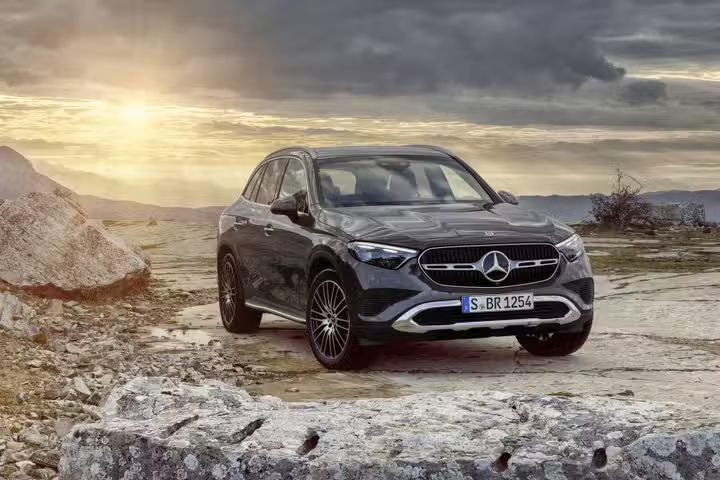
- Mercedes-Benz GLC sold 16,378 units in Q1, showing premium SUV crossovers still command market share
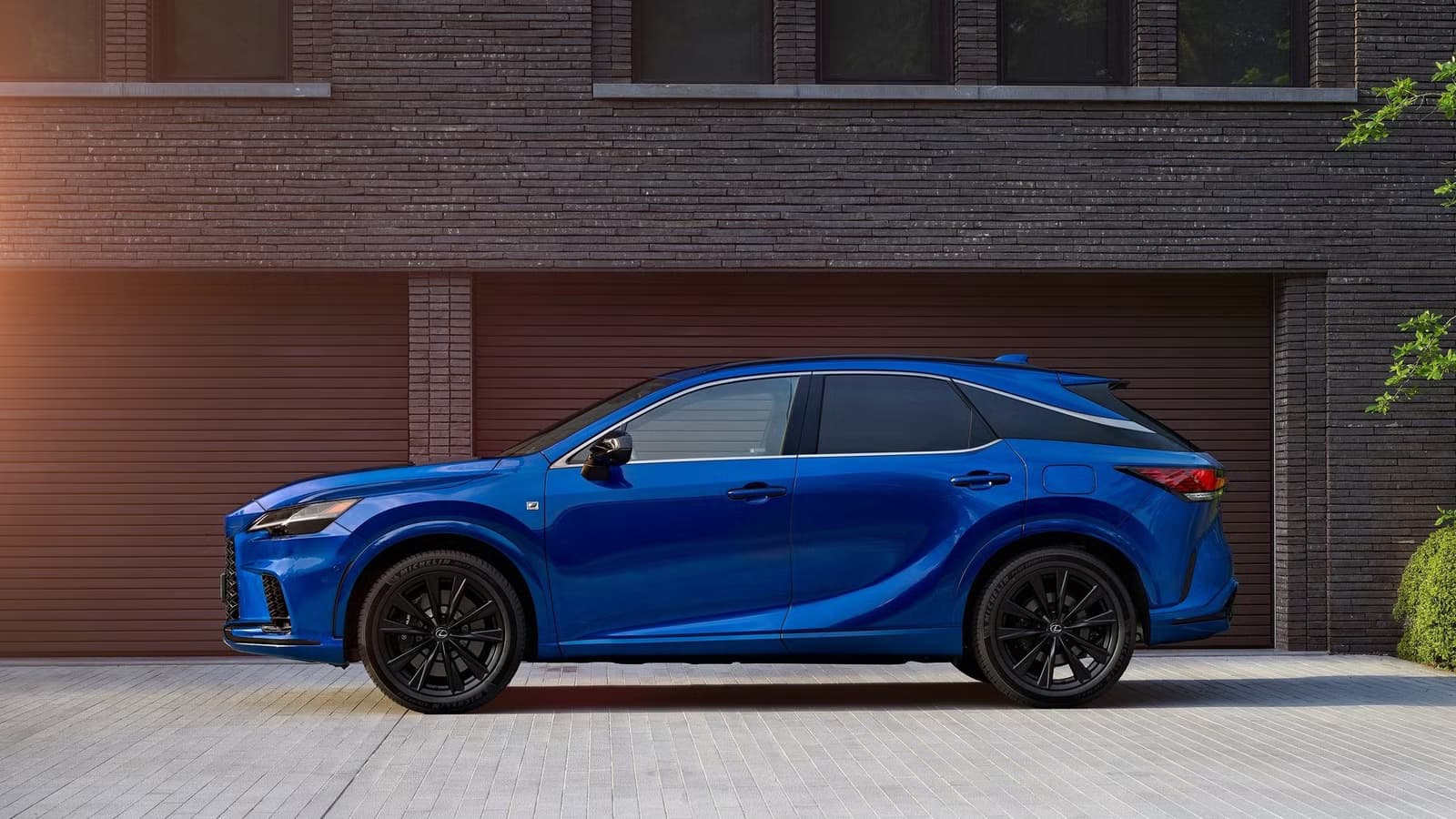
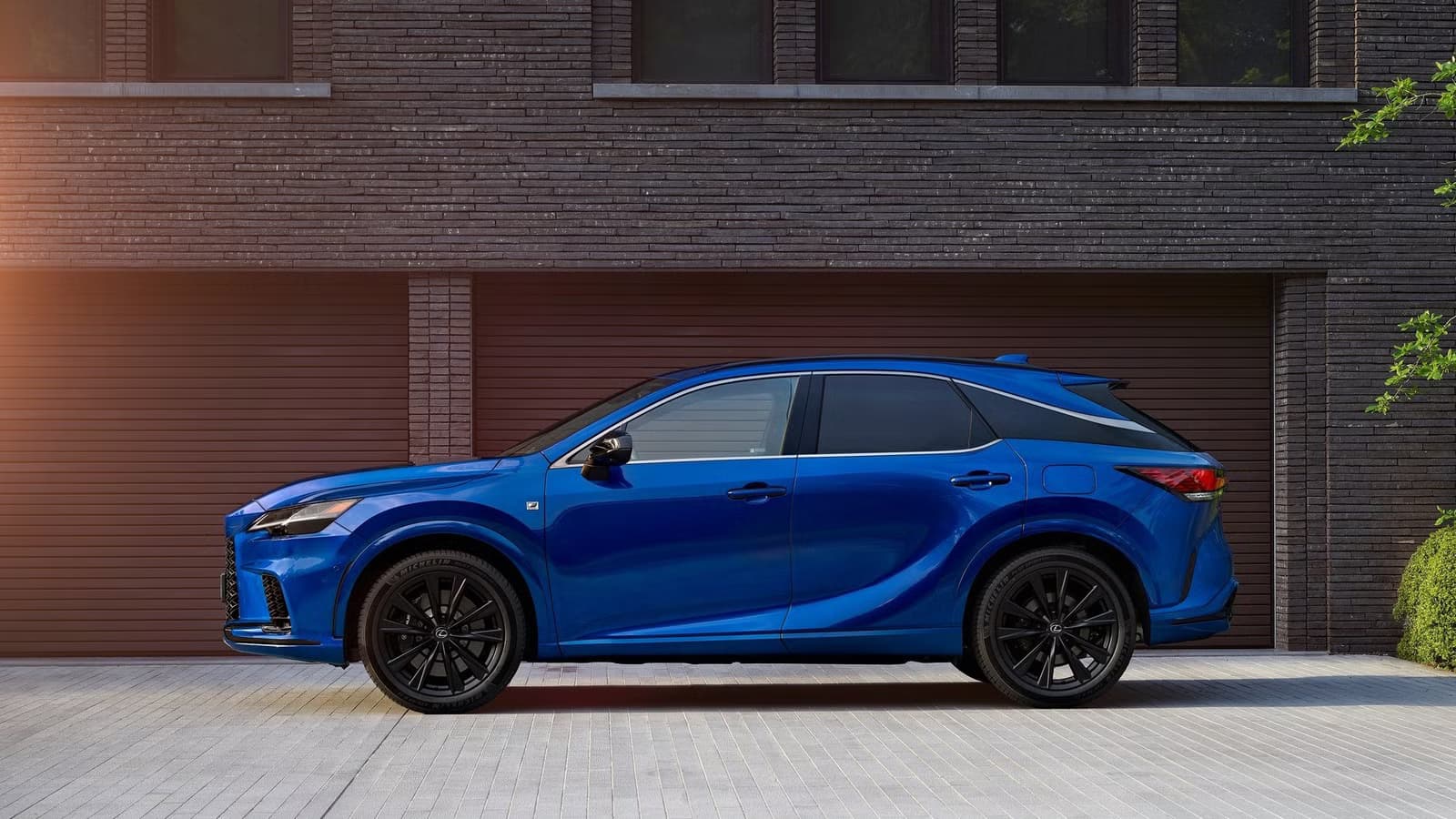
According to [How-To Geek](https://www.howtogeek.com/japan-leads-germany-follows-best-selling-luxury-cars-q1-2026/), Japanese automakers are leading the luxury car segment in Q1 2026, with Lexus maintaining its position at the top while German competitors like BMW and Mercedes-Benz face softening demand.
Read in Short
The luxury car market is cooling in 2026, but Lexus SUVs are bucking the trend. For business leaders making fleet decisions or watching consumer sentiment, this shift signals that reliability and total cost of ownership now outweigh brand prestige. German luxury brands are losing ground to Japanese efficiency, and 76% of buyers say luxury badges aren't worth the premium anymore.
Why Are Luxury Car Sales 2026 Shifting to Japanese Brands?
The Q1 2026 numbers tell a story that should matter to every executive making capital allocation decisions. While the overall luxury segment is contracting, Lexus is expanding market share. That's not accidental. It's the result of a decade-long shift in what buyers actually value.
This isn't just consumer sentiment. It's a business signal. When three-quarters of your potential customers are questioning whether prestige justifies the price, that's a market correction waiting to happen. And in Q1 2026, we're watching it unfold in real time.
For companies running executive fleets or offering car allowances, this data demands attention. The calculus has changed. A Lexus RX that holds value, costs less to maintain, and satisfies executives may now make more financial sense than a Mercedes-Benz GLC that carries higher depreciation and service costs.
How Much Does Premium Brand Depreciation Cost Your Business?
Let's talk numbers, because that's what this comes down to for fleet managers and CFOs. The Mercedes-Benz GLC Class moved 16,378 units in Q1 2026. That sounds solid until you compare it to Lexus SUV numbers and realize the German brand is fighting harder for each sale.
| Factor | German Luxury (Mercedes/BMW) | Japanese Luxury (Lexus) |
|---|---|---|
| Q1 2026 Market Momentum | Declining demand | Growing or stable share |
| 3-Year Depreciation | 45-55% value loss | 35-45% value loss |
| Average Maintenance Cost (Annual) | $1,200-1,800 | $800-1,100 |
| Reliability Rankings | Middle tier | Top tier consistently |
| Buyer Sentiment 2026 | Prestige questioned | Value perception strong |
For a company running 50 executive vehicles, the difference in depreciation alone could mean $150,000 to $250,000 over a three-year lease cycle. That's not pocket change. It's budget that could go toward technology upgrades, hiring, or market expansion.
What the Mercedes-Benz GLC Sales Tell Us About Premium Positioning
Don't count German engineering out just yet. The Mercedes-Benz GLC remains a strong performer, and for good reason. It shares its platform with the C-Class sedan but delivers the SUV form factor that dominates today's market. The interior materials, technology integration, and brand experience still command premium positioning.
But here's the strategic insight: Mercedes isn't winning on value. It's winning on experience. Companies that use executive vehicles as client-facing brand extensions, like law firms, investment banks, and high-end consultancies, may still find the Mercedes badge worth the premium. The question is whether your business derives enough brand value from that association to justify the cost differential.
Executive Decision Framework
Before your next fleet renewal, ask three questions: 1) Do our clients see our vehicles? If yes, brand matters. 2) What's our total cost of ownership tolerance? Calculate depreciation plus maintenance. 3) Are our executives requesting specific brands? Employee satisfaction affects retention.
Is Now the Right Time to Negotiate Luxury Fleet Contracts?
Market downturns create negotiating leverage. With German luxury brands facing softer demand, fleet managers have an opportunity that hasn't existed in years. Dealers and manufacturers are more willing to negotiate on volume pricing, extended warranties, and service packages when inventory isn't moving.
The smart play for Q2 2026 might be locking in favorable terms on German luxury vehicles before the market stabilizes. If your business needs the brand positioning that Mercedes or BMW provides, this could be the window to get it at a discount.
- Request fleet pricing quotes from multiple dealers, leveraging the soft market
- Negotiate extended maintenance packages, as dealers are motivated to close deals
- Consider shorter lease terms (24 months) to maintain flexibility as EV adoption accelerates
- Evaluate hybrid variants that may offer tax advantages in certain jurisdictions
The companies that approached automation investments strategically during market uncertainty often came out ahead. The same principle applies to capital equipment decisions like fleet vehicles. Similar strategic thinking drives decisions about when to [automate repetitive business processes](claude-cowork-automation-cut-repetitive-tasks-90) versus when to wait.
What Does Lexus Dominance Signal for Supply Chain Leaders?
For executives watching automotive industry health as a proxy for manufacturing and supply chain conditions, Lexus's strong performance offers insight. Japanese manufacturing continues to demonstrate resilience. Toyota's production system, which Lexus shares, has weathered semiconductor shortages and logistics disruptions better than many European competitors.
If your business depends on automotive sector health, whether through supplier relationships, dealership networks, or consumer financing, watch the Japanese manufacturers. Their inventory management and production efficiency are proving more adaptable to 2026's economic conditions.
How Should Startups Approach Executive Vehicle Strategy?
For founders and startup CFOs, executive vehicles often fall into two camps: unnecessary expense or essential client perception tool. The 2026 data suggests a middle path is emerging. Lexus provides luxury positioning without the carrying costs that strain early-stage balance sheets.
The same principle that drives smart startups to build MVPs quickly, as many companies do with [no-code and rapid development approaches](linux-skills-for-business-stop-tutorials-build-projects), applies to operational decisions. Don't over-invest in prestige when value delivers the same outcome.
✅ Pros
- • Japanese luxury offers lower TCO while maintaining professional appearance
- • Soft luxury market creates negotiating opportunities for new fleet contracts
- • Reliability reduces unexpected downtime and maintenance disruptions
- • Resale values protect against depreciation if company direction changes
❌ Cons
- • Some industries still expect German or Italian luxury for client-facing roles
- • Younger executives may have strong brand preferences affecting satisfaction
- • EV transition timelines differ between manufacturers, affecting long-term planning
- • Regional service network coverage varies by brand
What's the 18-Month Outlook for Luxury Car Sales?
Business leaders making capital decisions need to think beyond Q1 results. The luxury car market is undergoing structural change, not just cyclical softening. EV adoption, changing buyer demographics, and the reliability-over-prestige trend all point toward continued Japanese dominance in the near term.
For fleet decisions, the window for negotiating favorable German luxury terms may close by Q4 2026 as new models arrive. Companies planning fleet refreshes should accelerate their evaluation timelines.
Strategic insights from founders navigating market shifts
Logicity's Take
We're a web development and AI automation agency based in Hyderabad, not automotive analysts. But we work with business leaders daily who make exactly these kinds of capital allocation decisions. What strikes us about the 2026 luxury car data is how it mirrors patterns we see in technology purchasing. Just as Lexus is winning on reliability and total cost of ownership over brand prestige, we're watching enterprise software buyers prioritize proven tools over flashy newcomers. The companies asking us to implement Claude API integrations or n8n automation workflows aren't chasing the newest shiny thing. They're calculating ROI, maintenance costs, and long-term reliability. For Indian businesses specifically, this matters. When global luxury demand softens, it often signals broader economic caution that reaches our markets 6-12 months later. If you're an Indian startup or mid-size company planning major capital expenditures, whether vehicles, technology infrastructure, or expansion, the Q1 2026 luxury car trends suggest building financial flexibility into your plans. The companies that thrive in uncertain markets are the ones that optimized costs before they had to.
Frequently Asked Questions
Frequently Asked Questions
How much does a corporate luxury fleet cost per vehicle annually?
Total cost of ownership for a luxury fleet vehicle ranges from $15,000 to $25,000 annually, including depreciation, insurance, maintenance, and fuel. Japanese luxury brands like Lexus typically run 15-20% lower than German equivalents due to slower depreciation and lower service costs.
Is it worth upgrading to German luxury cars for client perception?
It depends on your industry. Financial services, law, and consulting firms often see measurable client perception benefits from German luxury vehicles. Tech companies and startups rarely do. Calculate whether the $3,000-5,000 annual premium per vehicle translates to client acquisition or retention value.
When is the best time to negotiate fleet vehicle contracts?
Market softness in Q1-Q2 2026 creates ideal negotiating conditions for German luxury brands. Dealers are motivated to move inventory. Request quotes now and compare to Japanese alternatives. The negotiating window may close by Q4 when new models launch.
Should businesses wait for luxury EVs before fleet refresh?
If your current fleet can reasonably extend 18-24 months, waiting may be strategic. Luxury EV options expand significantly through 2027, and infrastructure improvements continue. However, don't extend vehicles past their reliability window just to wait for EVs.
What does luxury car sales data tell us about broader economic conditions?
Luxury auto sales often lead broader consumer confidence metrics by 6-12 months. The Q1 2026 softness suggests buyers are prioritizing value and financial security. Businesses should build this caution into their planning for 2026-2027 capital expenditures.
Similar strategic approach to optimizing business operations costs
Need Help With Business Technology Decisions?
At Logicity, we help business leaders make data-driven technology decisions. While luxury cars aren't our specialty, strategic cost optimization is. If you're evaluating automation tools, AI implementations, or digital infrastructure investments, we can help you calculate true ROI and avoid the prestige-over-value trap. Contact us for a strategic consultation.
Source: How-To Geek
Huma Shazia
Senior AI & Tech Writer
Produced with AI assistance and reviewed by the Logicity editorial team. Learn more in our Editorial Policy.