Key Takeaways
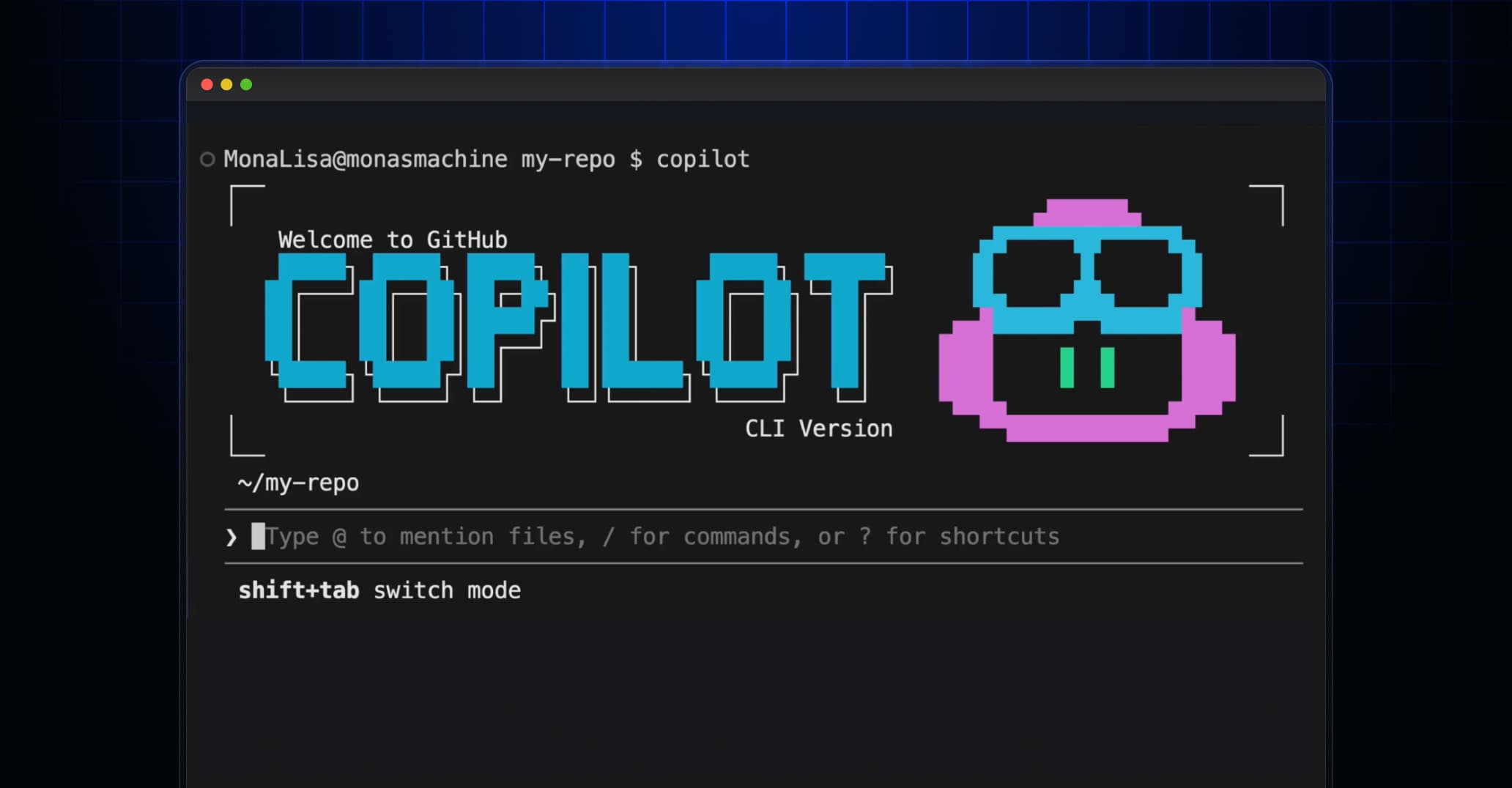
- 59 commits were submitted using GitHub Copilot to refactor shader compiler code in the R600 Gallium3D driver
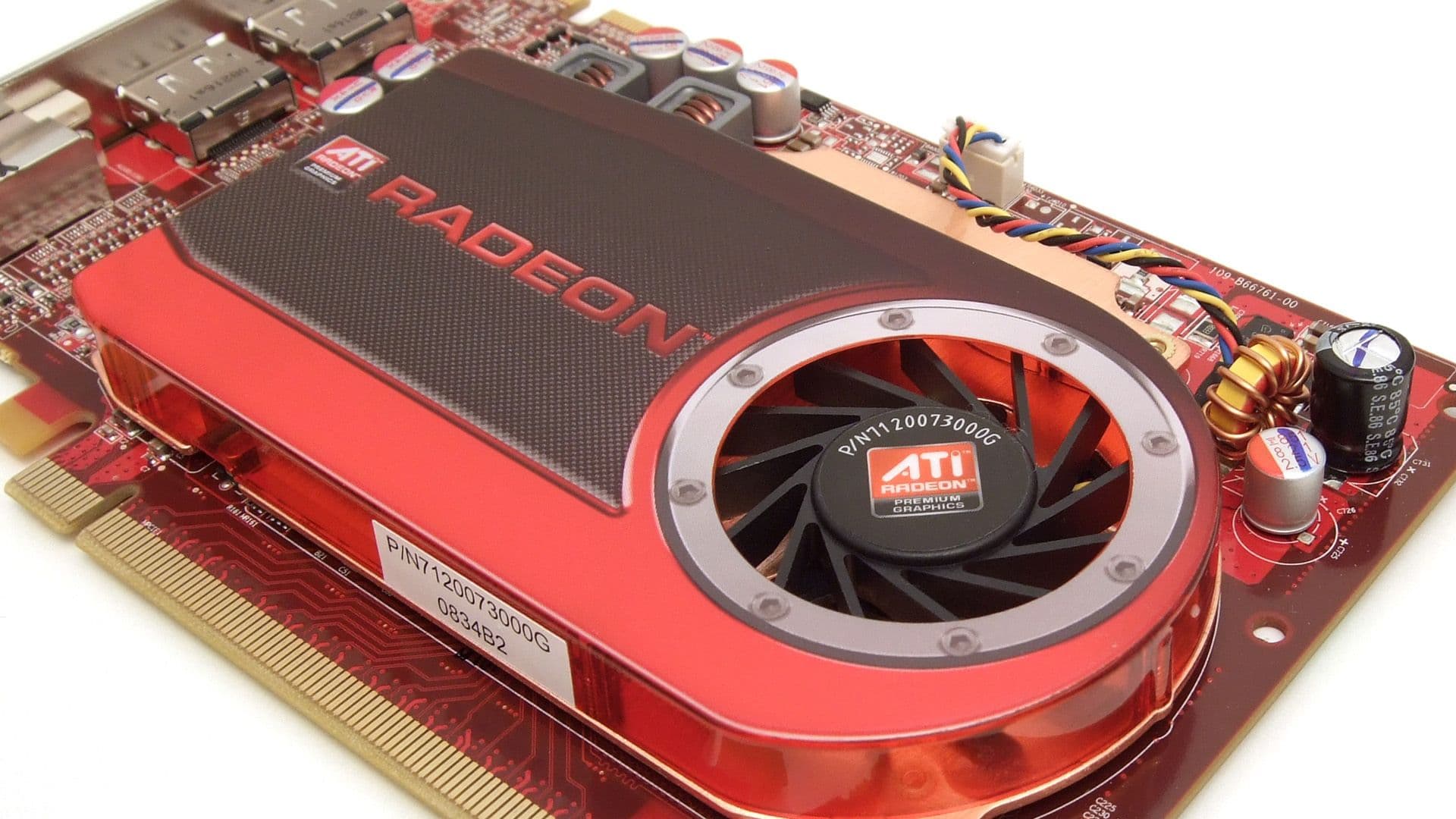
- The driver supports AMD Radeon HD 2000 through HD 6000 series GPUs, some nearly 20 years old
- Linux kernel policy now requires proper tagging when AI assists in code creation, with developers responsible for testing
AI Steps In Where Volunteers Cannot
Mesa developer Gert Wollny has submitted 59 commits to the R600 Gallium3D driver, all created with assistance from GitHub Copilot. The work focused on cleaning up shader compiler code, a tedious refactoring job that keeps the driver functional on modern Linux distributions.
Each commit explicitly notes that Copilot in auto mode helped build the code. This transparency follows Linux kernel policy requiring developers to tag AI-assisted contributions.
The R600 driver supports AMD Radeon HD 2000 through HD 6000 series graphics cards. The HD 2000 series launched in 2007, the HD 6000 in 2010. Some of these GPUs are approaching their 20th birthday, yet people still use them in low-power machines, retro builds, and systems in developing regions where hardware upgrades are expensive.
The Maintenance Problem AI Solves
Legacy driver maintenance is a chronic pain point in open source. The Linux community often has just one or two volunteers keeping older drivers alive. When those maintainers move on, drivers rot. Features break as the surrounding codebase evolves. Eventually, the driver gets dropped entirely.
AI tools like Copilot do not replace maintainers. But they reduce the time cost of grunt work: renaming variables for consistency, reformatting code to match style guidelines, identifying dead branches. This lets a single developer cover more ground.
“The refactoring process was done with the assistance of GitHub Copilot.”
— Gert Wollny, Mesa Developer
The tradeoff is quality assurance. AI-generated code can introduce subtle bugs. The Linux kernel addresses this by putting responsibility on the human: if you publish it, you own it. Test before you commit.
Linus Torvalds Sets the Ground Rules
Linus Torvalds has not rejected AI in the kernel. Instead, he has opted for controlled adoption. Developers can use AI when appropriate, but must tag their commits accordingly. The person submitting code remains accountable for bugs, regardless of how the code was generated.
This policy treats AI as a tool, not an author. It also creates an audit trail. If AI-assisted commits cluster around certain types of bugs, the community can identify patterns and adjust guidelines.
Amber2: A Legacy Branch for Old Drivers
Despite the cleanup effort, Linux developers are discussing whether to move R600 and similar old drivers into a separate legacy branch called Amber2. This would isolate them from the main Mesa codebase.
The reasoning is practical. As Mesa adds new features, changes can accidentally break drivers that nobody actively tests. A dedicated legacy branch lets maintainers freeze the API surface, reducing the risk of regressions.
The proposal is still under discussion. For now, the R600 driver remains in mainline Mesa, freshly refactored and Copilot-assisted.
Community Reaction: Pragmatic, Not Purist
Discussion on Phoronix and Reddit has been largely pragmatic. Some developers expressed skepticism about relying on AI for kernel infrastructure. Others pointed out that the alternative is not human-written perfection. It's abandonment.
Veteran contributors noted that this kind of refactoring work is exactly what burns out maintainers. If AI can handle the tedium, humans can focus on architectural decisions and bug triage. The result may be more sustainable maintenance, not less.
Logicity's Take
Frequently Asked Questions
What AMD GPUs does the R600 Linux driver support?
The R600 Gallium3D driver supports AMD Radeon HD 2000 through HD 6000 series graphics cards, which launched between 2007 and 2010.
Is AI-generated code allowed in the Linux kernel?
Yes, but with conditions. Developers must tag commits that used AI assistance, and the person submitting the code is responsible for testing and any bugs.
What is vibe coding?
Vibe coding refers to using AI tools like GitHub Copilot to generate or refactor code with natural language prompts, often with the AI handling routine or repetitive tasks.
What is the Amber2 branch in Mesa?
Amber2 is a proposed legacy branch that would isolate older drivers like R600 from the main Mesa codebase, reducing the risk of accidental breakage as new features are added.
Need Help Implementing This?
Source: Latest from Tom's Hardware
Methodology and Timeline Details
The new article specifies that the 59 commits were submitted to the Mesa 26.2 graphics stack within a one-week timeframe. It also introduces the concept of 'vibe coding' to describe the methodology of using AI to handle tedious, repetitive legacy code refactoring.
Huma Shazia
Senior AI & Tech Writer
Produced with AI assistance and reviewed by the Logicity editorial team. Learn more in our Editorial Policy.