Key Takeaways
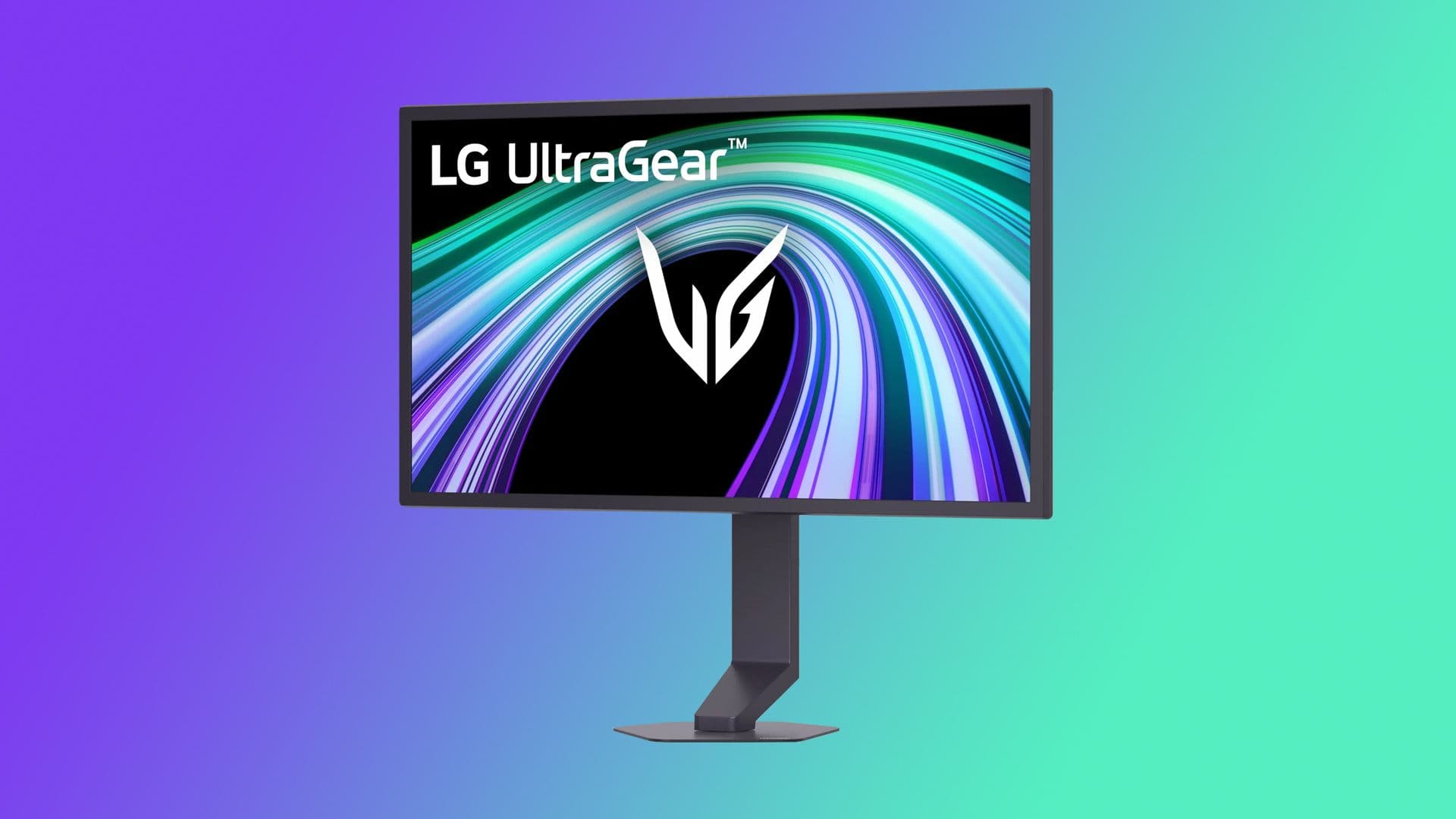
- The UltraGear 25G590B is the first monitor to achieve 1000 Hz natively at full 1080p resolution
- Previous 1000 Hz monitors required dropping to 720p to hit that refresh rate
- LG will launch the monitor in H2 2026, with pricing details to follow
What Makes This Different From Other 1000 Hz Monitors
LG's claim of "world's first" needs context. Other monitors have hit 1000 Hz before, but they've had to cheat to get there. The Acer Predator XB273U F6, shown at CES this year, runs natively at 500 Hz in 1440p. It only hits 1000 Hz by dropping resolution to 1280x720. Same story with HKC's AntGamer ANT275PQ MAX from last year. It uses a TN panel at 1440p but needs 720p to reach 1080 Hz.
The UltraGear 25G590B does 1000 Hz at its full 1920x1080 resolution. No resolution switching, no dual-mode tricks. That's the distinction LG is making.
Specs and Design
The monitor uses a 24.5-inch IPS panel. That's standard sizing for competitive FPS monitors, where players typically sit close enough that larger screens become a disadvantage. The 1080p resolution at this screen size means roughly 90 pixels per inch, sharp enough for competitive play though noticeably lower than 1440p alternatives.
LG is including Motion Blur Reduction Pro technology to address the smearing effect common in fast-paced games. The IPS panel also has a low-reflection film for consistent colors and reduced glare. This matters for tournament environments with stage lighting.
The design leans minimal. LG describes a sleek stand with a small base footprint, calibration indicators for height, swivel, and tilt adjustments, and RGB lighting on the back. Nothing surprising for the gaming monitor category.
AI Features Added
LG has added two AI features to the monitor. AI Scene Optimization adjusts picture settings automatically based on game genre. The company says it adds "visual realism and depth" though what that means in practice remains unclear until reviews arrive.
AI Sound provides spatial audio and clearer in-game communications when paired with compatible headsets. This appears to be processing done by the monitor itself rather than the PC.
Does 1000 Hz Actually Matter?
The jump from 60 Hz to 144 Hz is obvious to almost everyone. From 144 Hz to 240 Hz, most people can tell the difference. From 240 Hz to 360 Hz, you need trained eyes and specific scenarios. From 360 Hz to 1000 Hz? The benefits get increasingly marginal for most players.
But "most players" is not the target market here. LG is aiming at competitive esports professionals where milliseconds matter. At 1000 Hz, each frame displays for 1 millisecond versus 4.17 milliseconds at 240 Hz. In theory, that means faster target acquisition and smoother tracking of fast-moving objects.
Whether human reaction times can actually exploit that difference is debatable. But if you're competing for prize money, any edge counts.
Timeline and Pricing
LG says the UltraGear 25G590B will launch in the second half of 2026. That's a long runway, more than a year away. The company has not announced pricing yet and says more details will come closer to launch.
For context, current high-refresh monitors like the 540 Hz Asus ROG Swift Pro PG248QP retail around $800 to $900. A native 1000 Hz panel will likely command a premium over that.
Logicity's Take
Hardware Requirements
Hitting 1000 frames per second at 1080p is no small ask for graphics cards. Even in competitive shooters like Counter-Strike 2 or Valorant, which are optimized for high frame rates, you'll need serious GPU power. Current generation cards can do it in some titles, but expect to lower settings.
The monitor will need DisplayPort 2.1 or a similar high-bandwidth connection to carry 1000 Hz at full resolution. LG hasn't confirmed connectivity details yet.
More hardware coverage for tech enthusiasts
Frequently Asked Questions
What resolution does the LG UltraGear 25G590B support?
The monitor runs at 1920x1080 (Full HD) resolution with a native 1000 Hz refresh rate.
When will the LG 1000 Hz monitor be available?
LG says the UltraGear 25G590B will launch in the second half of 2026. Pricing has not been announced.
How is this different from other 1000 Hz monitors?
Previous monitors like the Acer Predator XB273U F6 only hit 1000 Hz by dropping to 720p. The LG monitor does 1000 Hz at its native 1080p resolution.
What panel type does the UltraGear 25G590B use?
It uses a 24.5-inch IPS panel with a low-reflection film coating.
Can current graphics cards run games at 1000 fps?
Top current GPUs can hit 1000 fps in competitive esports titles like CS2 and Valorant at 1080p with reduced settings, but most games will run below that threshold.
Need Help Implementing This?
Source: Latest from Tom's Hardware
Huma Shazia
Senior AI & Tech Writer
Produced with AI assistance and reviewed by the Logicity editorial team. Learn more in our Editorial Policy.