Key Takeaways
- California drivers filed a class action lawsuit claiming gas station operators used Kalibrate's AI tool to inflate pump prices by up to 30 cents per gallon
- The lawsuit names BP, Circle K, Marathon Petroleum, 7-Eleven, Walmart, and Albertsons as defendants alongside Kalibrate
- This case tests California's new AB 325 law targeting algorithmic price fixing, which took effect in early 2026
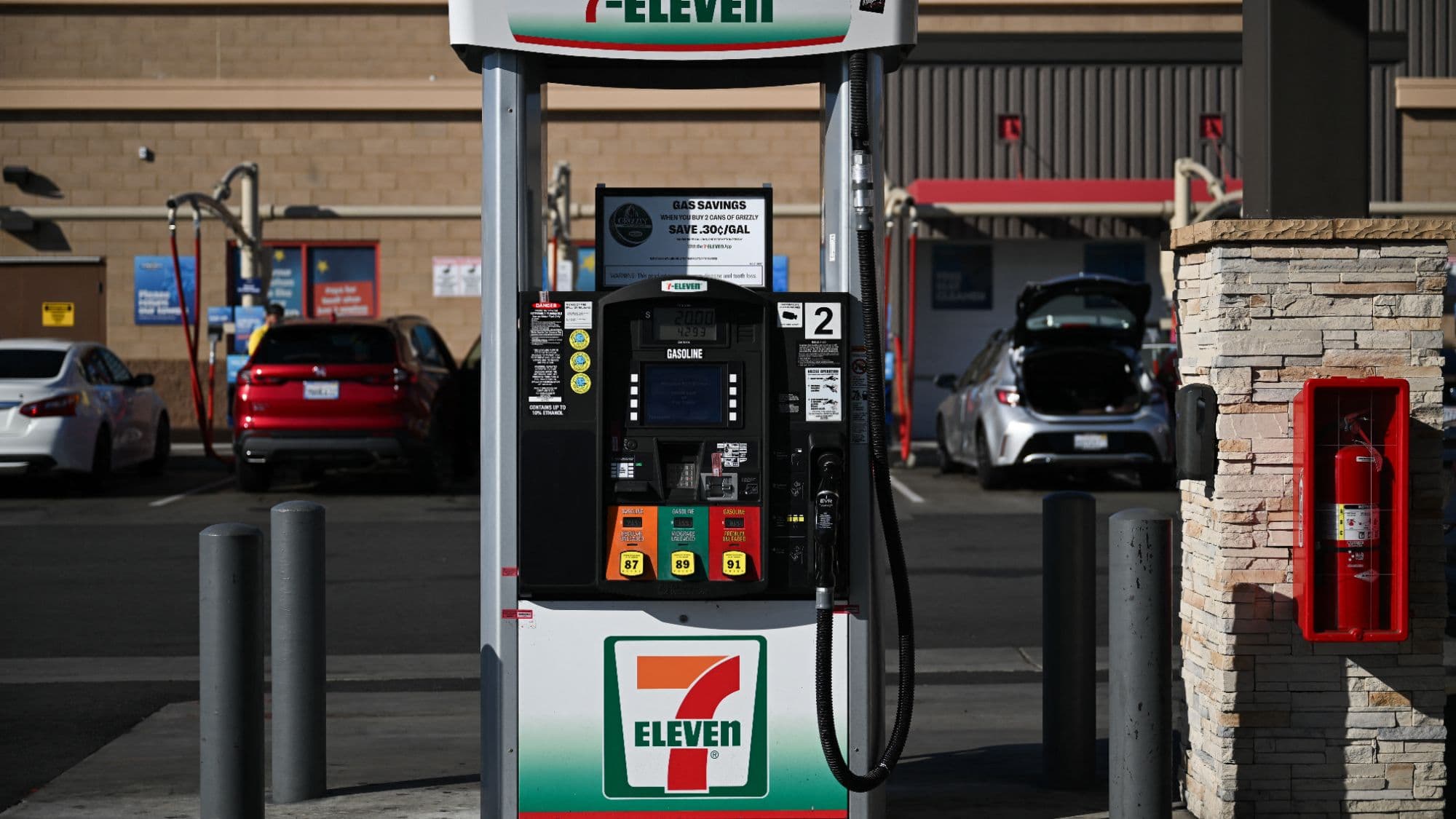
California drivers filed a proposed class action lawsuit accusing major gas station operators of using Kalibrate's AI pricing software to coordinate pump prices, inflating costs by as much as 30 cents per gallon. The suit, filed in Sacramento federal court, names BP, Circle K, Marathon Petroleum, 7-Eleven, Walmart, and Albertsons as defendants alongside the software vendor.
The complaint alleges these operators violated California's Cartwright Act, the state's main antitrust law, and Assembly Bill 325, a new statute enacted in early 2026 specifically targeting algorithmic price fixing. Californians already pay an average of $5.58 per gallon for regular gas, compared to the $3.93 national average. In areas where Kalibrate's tool is deployed, prices have allegedly climbed to $7 per gallon in some cases.
How does algorithmic price coordination work?
The lawsuit hinges on a legal theory called algorithmic collusion. When competing gas stations feed their pricing decisions to the same AI system, the algorithm can synchronize prices upward without traditional price-fixing communication. Kalibrate's tool ingests data from nearby competitors and recommends optimal pricing, which plaintiffs argue effectively ends competition.
“While families struggle to afford the commute to work, defendants have conspired to put an end to competition, joining an AI-powered trust to ensure that no matter where a driver turns, the price for gasoline is artificially high.”
— Complaint filed in Sacramento federal court
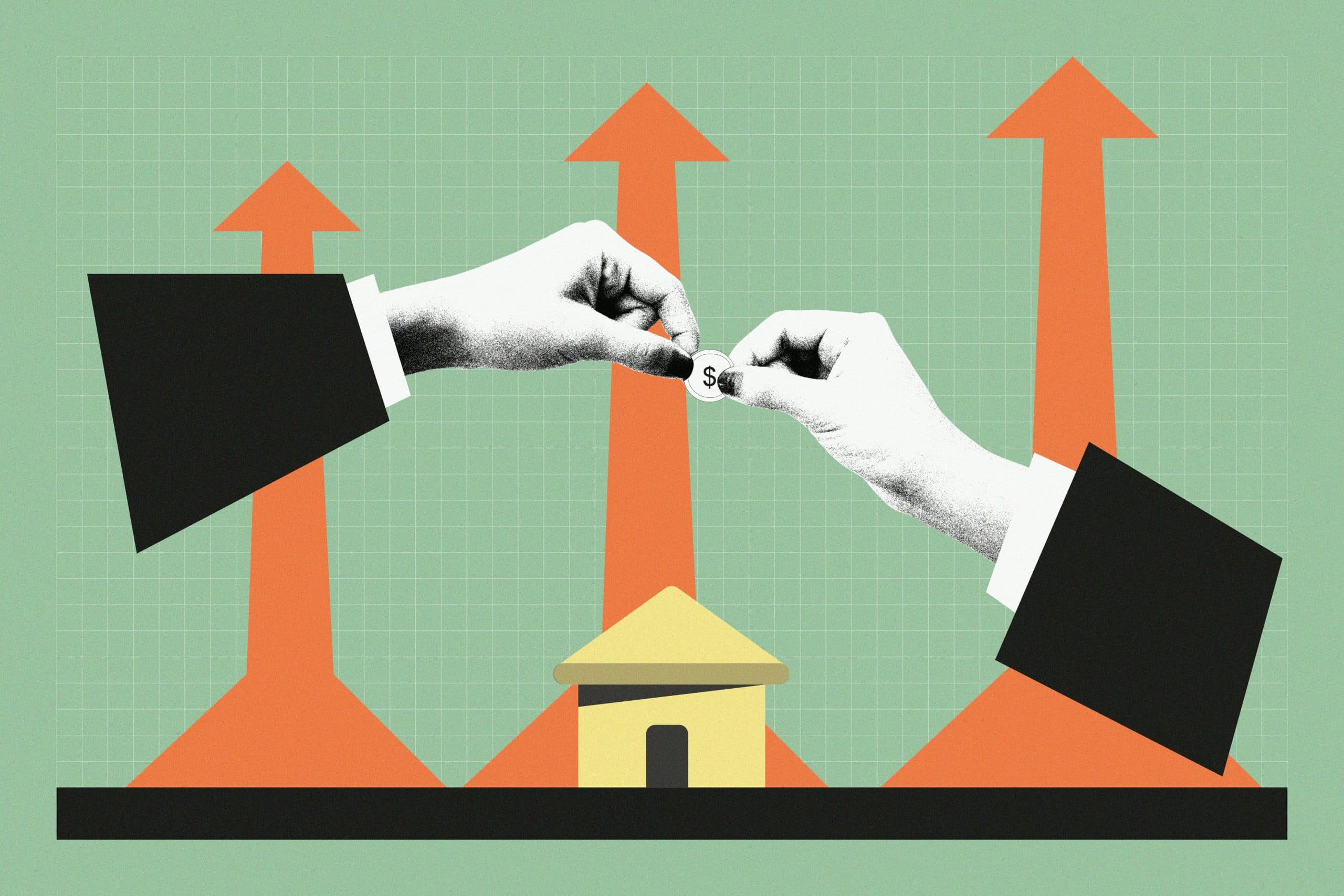
This isn't the first time regulators have scrutinized algorithmic pricing. The Department of Justice investigated RealPage in 2024 over similar concerns in the rental housing market, where landlords using the same pricing algorithm allegedly coordinated rent increases without explicit agreements.
What is Kalibrate and who uses it?
Kalibrate Technologies provides fuel pricing optimization software used by gas station chains globally. The software analyzes competitor pricing, local demand, and other market signals to recommend prices that maximize profit. The company markets this as data-driven decision making. Plaintiffs characterize it as a mechanism for tacit collusion.
The defendants include some of the largest fuel retailers in the country. BP operates thousands of stations nationwide. Circle K, owned by Alimentation Couche-Tard, runs over 7,000 U.S. locations. Marathon Petroleum is the largest petroleum refiner in the United States. 7-Eleven claims to be the world's largest convenience retailer. Walmart and Albertsons round out the list with their fuel stations attached to retail locations.
Why California's AB 325 matters
Assembly Bill 325 took effect at the start of 2026, making California the first state with a law explicitly targeting algorithmic price fixing. Traditional antitrust law requires evidence of explicit communication between competitors to prove a conspiracy. AB 325 recognizes that AI systems can achieve the same anticompetitive outcome without any human communication at all.
The timing matters. Federal antitrust enforcement under the FTC has raised concerns about algorithmic pricing for years, but proving violations under existing law has been difficult. California's new statute could provide plaintiffs with a clearer path to damages.
What damages are the plaintiffs seeking?
The complaint seeks unspecified damages on behalf of California drivers. Class action damages in price-fixing cases typically include the overcharge amount multiplied by the number of affected transactions. Given that California has over 76,000 gas stations and drivers spend roughly $47.7 billion annually on gasoline, even a small per-gallon overcharge could translate to substantial liability.
The 30-cent-per-gallon figure cited in the complaint would represent billions in potential damages if proven across all affected transactions. Treble damages under antitrust law could triple that figure.
The broader question for AI-driven pricing
This lawsuit arrives as algorithmic pricing spreads across industries. Airlines, hotels, ride-sharing services, and e-commerce platforms all use AI to set prices dynamically. The legal theory tested here could apply to any market where competitors adopt the same pricing software.
The FTC has signaled concern. Commissioner Rebecca Kelly Slaughter has previously stated that algorithmic pricing can facilitate tacit collusion among competitors. Whether courts agree, and whether existing antitrust frameworks can adapt to AI-driven markets, remains an open question that this case may help answer.
Logicity's Take
For engineering teams building pricing systems, this lawsuit is a warning shot. If your algorithm ingests competitor pricing data and multiple competitors use the same vendor, you may be creating liability your legal team hasn't considered. The technical architecture matters: systems that recommend prices based on competitor data look very different to regulators than those optimizing on internal cost and demand signals alone. Companies deploying pricing AI should consider whether their vendor's market share creates antitrust exposure. Alternatives to Kalibrate in fuel retail include PROS Holdings, Pricefx, and internal custom solutions, though switching costs are high and the legal landscape is still forming.
Frequently Asked Questions
What is algorithmic collusion?
Algorithmic collusion occurs when competitors use the same AI pricing software, allowing prices to synchronize upward without explicit communication. The algorithm coordinates pricing decisions that would otherwise require illegal price-fixing agreements.
What is California's AB 325?
Assembly Bill 325 is a California law that took effect in early 2026, specifically targeting algorithmic price fixing. It addresses gaps in traditional antitrust law that require evidence of direct communication between competitors.
Which companies are named in the Kalibrate lawsuit?
The lawsuit names BP, Circle K, Marathon Petroleum, 7-Eleven, Walmart, Albertsons, and Kalibrate Technologies as defendants.
How much does California gas cost compared to the national average?
California drivers pay an average of $5.58 per gallon for regular gas, compared to the $3.93 national average. The lawsuit alleges Kalibrate's AI tool added up to 30 cents per gallon in some areas.
Could this lawsuit affect other industries using AI pricing?
Yes. The legal theory applies wherever competitors use the same algorithmic pricing software. Airlines, hotels, ride-sharing, and e-commerce platforms could face similar scrutiny if this case establishes precedent.
Another case of AI regulation shaping how companies deploy advanced systems
Need Help Implementing This?
If your team is building pricing systems or evaluating AI vendors for commercial applications, Logicity can connect you with legal and technical experts who understand the emerging regulatory landscape. Contact us to discuss your architecture before regulators do.
Source: Latest from Tom's Hardware
Manaal Khan
Tech & Innovation Writer
Produced with AI assistance and reviewed by the Logicity editorial team. Learn more in our Editorial Policy.