Key Takeaways
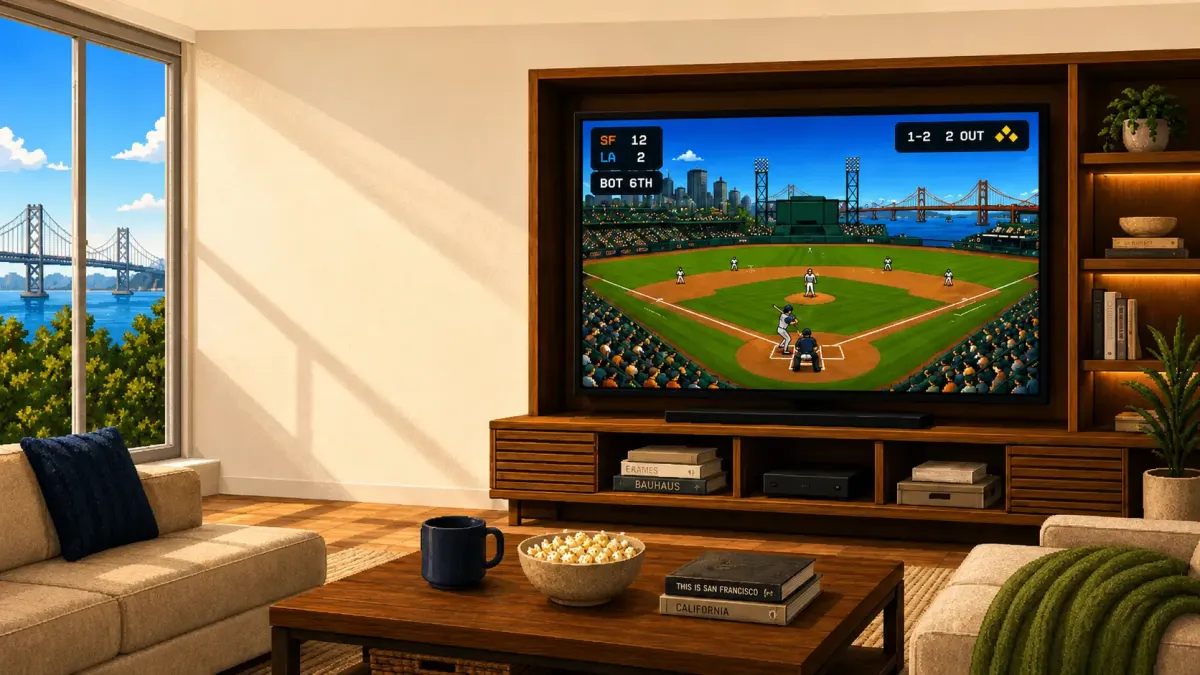
- Ribbie transforms real-time MLB API data into animated 8-bit pixel art broadcasts as an alternative to ESPN Gamecast
- Creator Eric Brownrout built the project in weekends using Claude Code and Codex, cutting months of development time
- The free, non-commercial project relies on MLB's public stats API and 2007 legal precedent protecting baseball stats as public facts
Ribbie is a free web tool that transforms live Major League Baseball data into retro 8-bit broadcasts, complete with pixel art stadiums and animated player sprites. Built by Eric Brownrout, co-founder of AI SaaS platform Frigade, the project pulls from MLB's public stats API to deliver a visually distinctive alternative to standard play-by-play apps.
"I love how much data is available to baseball fans [...] but when I try to follow a game with ESPN Gamecast, I find it kind of boring," Brownrout told TechCrunch. The spark came when he generated a pixel-art image of Phillies slugger Kyle Schwarber for his fantasy baseball team logo. That aesthetic led him to explore data visualization possibilities.
How Ribbie pulls off real-time pixel art
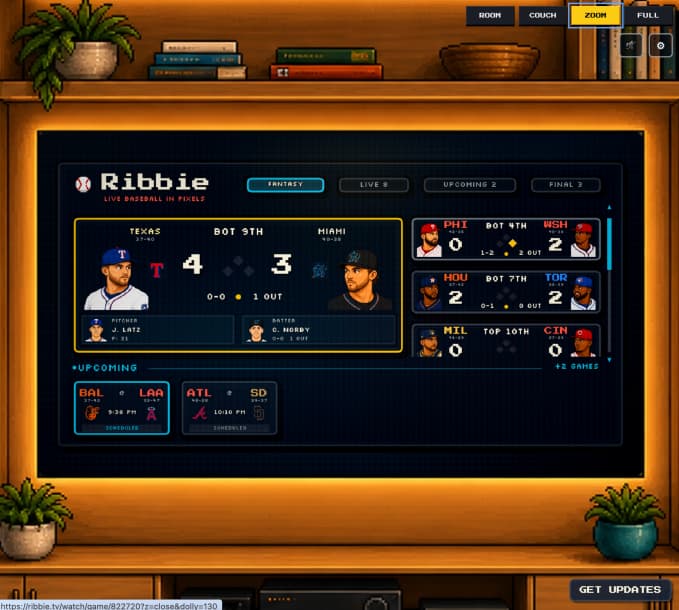
The tool connects to MLB's publicly available Statcast API, the same data source powering fantasy baseball sites, third-party stats platforms, and Reddit live game threads. When you visit Ribbie, you land in a pixel-art living room showing active MLB games. Select one, and you're watching a retro-styled broadcast with unique representations of each stadium and player.
Compared to ESPN Gamecast or MLB's Gameday, which prioritize clean information display, Ribbie leans into aesthetics. Scores, pitcher stats, and base runners are all visible, but wrapped in the chunky visuals of a 1990s arcade game. Brownrout recently added fantasy baseball integration, letting users track their roster players across live games.
Built in weekends with Claude Code and Codex
Brownrout credits AI coding tools for compressing what he estimates would have been months of work into a few weekends. He used Codex to build the image and sprite generation workflow, while Claude Code handled web app development.
“I've never built a video game before, so this was a new one for me.”
— Eric Brownrout, Creator of Ribbie
The project sits in the "vibe coding" camp: aesthetic-first development driven by personal interest rather than commercial goals. Brownrout continues adding features, including sound effects. "My neighbors must think I'm crazy, because last night I was in my bedroom doing 100 takes of 'Ball! Strike! Out!' on my iPhone to record for the Ribbie audio track," he said.
Can MLB's lawyers shut it down?
Brownrout acknowledges the legal risk of building on MLB intellectual property. Pixelized sprites of players like Shohei Ohtani could theoretically draw attention from the league's legal team. But he points to a 2007 court ruling that classified baseball statistics as facts, which means they cannot be copyrighted. Fantasy baseball products operate under this precedent without MLB permission.
"The API is the same one that powers fantasy baseball websites, third-party stats sites, live game threads on Reddit [...] So it's historically been used for all types of official and fan-created projects," he said. Ribbie is completely free and non-commercial, and the site explicitly identifies as an unaffiliated fan project.
Why this matters beyond baseball
Ribbie is a small project, but it illustrates a shift in what solo developers can build quickly. AI coding assistants have lowered the barrier for turning creative ideas into functional products. A weekend project that connects to live APIs, generates custom visuals, and serves real-time data would have required a team and significant runway five years ago.
There's also a product design lesson. Brownrout observed that ESPN Gamecast is "kind of boring." Utility apps often optimize for information density at the expense of delight. Ribbie bets that some users would trade a cleaner interface for an experience that feels like playing Stardew Valley. That bet seems reasonable given the persistent popularity of retro aesthetics in gaming and design.
Logicity's Take
Ribbie is a proof-of-concept for two things: AI coding tools have genuinely compressed development timelines for solo creators, and there's real demand for alternative data visualizations that prioritize aesthetic experience. For product teams, this is worth watching. Brownrout built a functional, delightful alternative to ESPN Gamecast in weekends. Competitors in the real-time sports data space include ESPN's suite (free with ads), MLB.tv ($149.99/year for live games), and The Athletic's live coverage ($9.99/month). None offer anything like Ribbie's visual approach, which suggests a gap that a funded startup could exploit.
Frequently Asked Questions
Is Ribbie free to use?
Yes. Ribbie is completely free and non-commercial. Creator Eric Brownrout describes it as a fan project and love letter to baseball.
What API does Ribbie use for real-time MLB data?
Ribbie pulls from MLB's public stats API, the same data source that powers fantasy baseball websites, third-party stats sites, and Reddit live game threads.
Can MLB sue Ribbie for using player likenesses?
Brownrout believes he's protected by a 2007 court ruling that classified baseball statistics as public facts. The project is non-commercial and clearly identified as an unaffiliated fan creation.
What tools did Brownrout use to build Ribbie?
He used Claude Code for web app development and Codex for the image and sprite generation workflow. He estimates these AI tools compressed months of work into a few weekends.
Does Ribbie support fantasy baseball?
Yes. Brownrout recently added fantasy baseball integration, allowing users to add their rosters and track which players are currently active in live games.
Another example of AI coding tools reshaping developer workflows
Need Help Implementing This?
Building real-time data visualizations or exploring AI coding tools for your product team? Logicity covers the tools and strategies shaping modern development. Subscribe to our newsletter for weekly analysis on emerging tech.
Source: TechCrunch / Amanda Silberling
Manaal Khan
Tech & Innovation Writer
Produced with AI assistance and reviewed by the Logicity editorial team. Learn more in our Editorial Policy.