Key Takeaways

- The 2026 Stack Overflow Developer Survey is now live, marking 15 years of the industry's largest developer benchmark.
- This year's survey focuses heavily on AI agents and whether developers are moving from experimentation to measurable returns.
- Previous data shows AI tool usage rising while trust declines. Agent adoption has doubled since 2024.
Stack Overflow's 2026 Developer Survey is now open, and the annual benchmark for the global software industry wants to know one thing above all: where do you actually stand on AI? The survey, running for 15 years, has tracked shifts from mobile-first development to cloud platforms to remote work. This year, the questions drill into AI agents, trust in AI-generated code, and whether the industry is moving from hype to measurable returns.
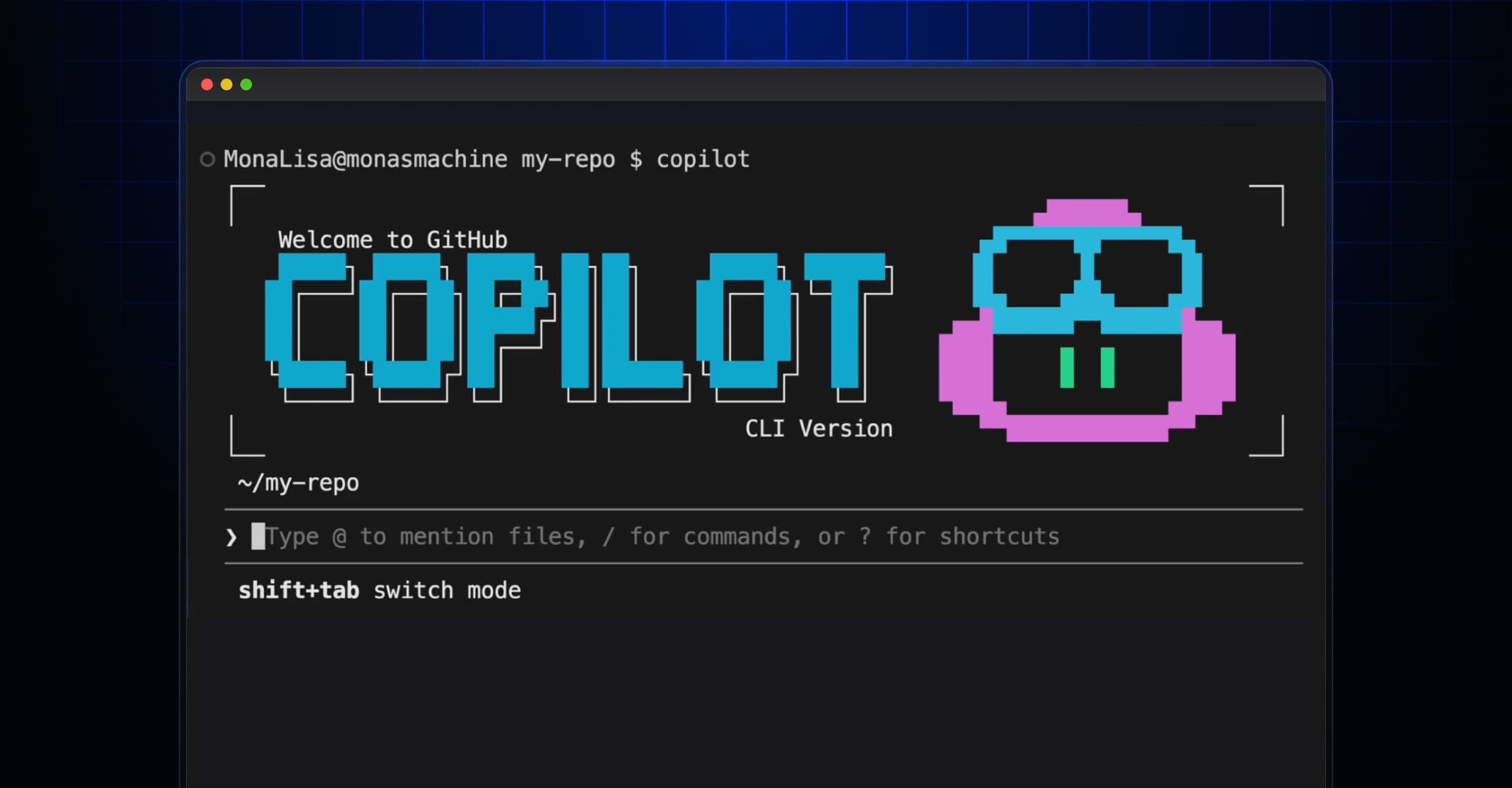
The subtitle says it all: "for human developers only." It's a joke, but it lands because the line between human-written and machine-generated code keeps blurring. GitHub Copilot, Claude, and a growing army of AI coding agents now write production code at scale. Stack Overflow is trying to capture how developers feel about that, not just whether they're using these tools.
What's new in this year's survey?
The 2026 survey builds on findings from the past two years that painted a complicated picture. In 2024, 76% of developers reported using AI tools, up from 70% the year before. But trust in AI accuracy dropped to 43%. Usage up, confidence down. That tension is the thread Stack Overflow is pulling on.
A separate Stack Overflow survey on agents earlier this year found agent usage had doubled. But concerns about AI-generated code grew alongside adoption. Developers are using these tools more and trusting them less. The 2026 survey wants to understand where AI fits in the software development lifecycle, whether it's changed how people work, and whether organizations are seeing actual ROI or still running on vibes.
Stack Overflow's framing is direct: "Are you AI-pilled, curious or wary, or sharpening pitchforks as a neo-Luddite?" The question isn't rhetorical. The industry is genuinely split, and the data from 90,000+ developers across 180 countries will shape how companies make tooling decisions.
Why should engineering teams pay attention?
The Stack Overflow Developer Survey isn't an opinion poll. It's the largest dataset on what developers actually use, what they want to use, and how their working conditions are changing. CTOs and engineering managers reference these results when evaluating tools, setting compensation, and planning hiring. Vendors use the data to justify product decisions. Recruiters cite it in job postings.
This year's results will likely shape the narrative around AI coding tools through 2027. If trust continues declining while usage rises, that's a signal. If developers report that agents are saving time on boilerplate but creating debugging headaches, that's actionable data. If the ROI question gets a clear answer either way, expect it to appear in every enterprise sales deck for the next twelve months.
Access restrictions and how to participate
Stack Overflow uses Qualtrics for the survey. If you run ad-blocking plugins, you may hit errors. The fix is either whitelisting Qualtrics or pausing the blocker while you complete the survey.
There are geographic restrictions. Qualtrics blocks access from Cuba, Iran, North Korea, Syria, and Crimea. Some developers in China may also face issues due to local ISP restrictions. Stack Overflow acknowledges these limitations but can't work around them.
The survey is long. Stack Overflow admits this. But the pitch is that organizations make real decisions based on the results, so participation matters. The more developers respond, the more representative the data.
What hasn't changed
The core sections remain: working conditions, languages, frameworks, databases, and the perennial "most loved vs. most dreaded" rankings. The survey still tracks salary data by region and role. It still asks about remote work, job satisfaction, and what tools developers wish they were using instead of the ones their company mandates.
Software development is still about building things with tools. The difference is the tools are changing faster than at any point in the survey's 15-year history.
Frequently Asked Questions
How long does the Stack Overflow Developer Survey take?
Stack Overflow describes it as a "long survey" but doesn't give a specific time estimate. Previous years have taken 20-30 minutes for most respondents.
When will the 2026 survey results be published?
Stack Overflow typically publishes results 2-3 months after the survey closes. Exact dates haven't been announced for 2026.
Who can take the Stack Overflow Developer Survey?
Any developer can participate, though Qualtrics blocks access from several countries including Cuba, Iran, North Korea, Syria, and Crimea.
What questions does the 2026 survey focus on?
This year emphasizes AI agents, trust in AI-generated code, and whether developers are seeing ROI from AI tools. Traditional sections on languages, frameworks, and salaries remain.
Logicity's Take
The trust gap is the story here. When three-quarters of developers use a tool but fewer than half trust it, you're looking at a market that's adopted AI out of competitive pressure, not conviction. For engineering managers evaluating AI coding tools, the 2026 survey results will matter more than vendor benchmarks. Watch for breakdowns by company size and role. A senior engineer's view of Copilot ($19/month) or Cursor ($20/month) may differ sharply from a junior developer's. The data that emerges will either validate the current AI tooling spend or give skeptics ammunition.
Need Help Implementing This?
If you're evaluating AI coding tools for your team or building internal guidelines around AI-assisted development, reach out to discuss how other engineering orgs are approaching the trust and ROI questions the survey is probing.
Source: Stack Overflow Blog
Huma Shazia
Senior AI & Tech Writer
Produced with AI assistance and reviewed by the Logicity editorial team. Learn more in our Editorial Policy.