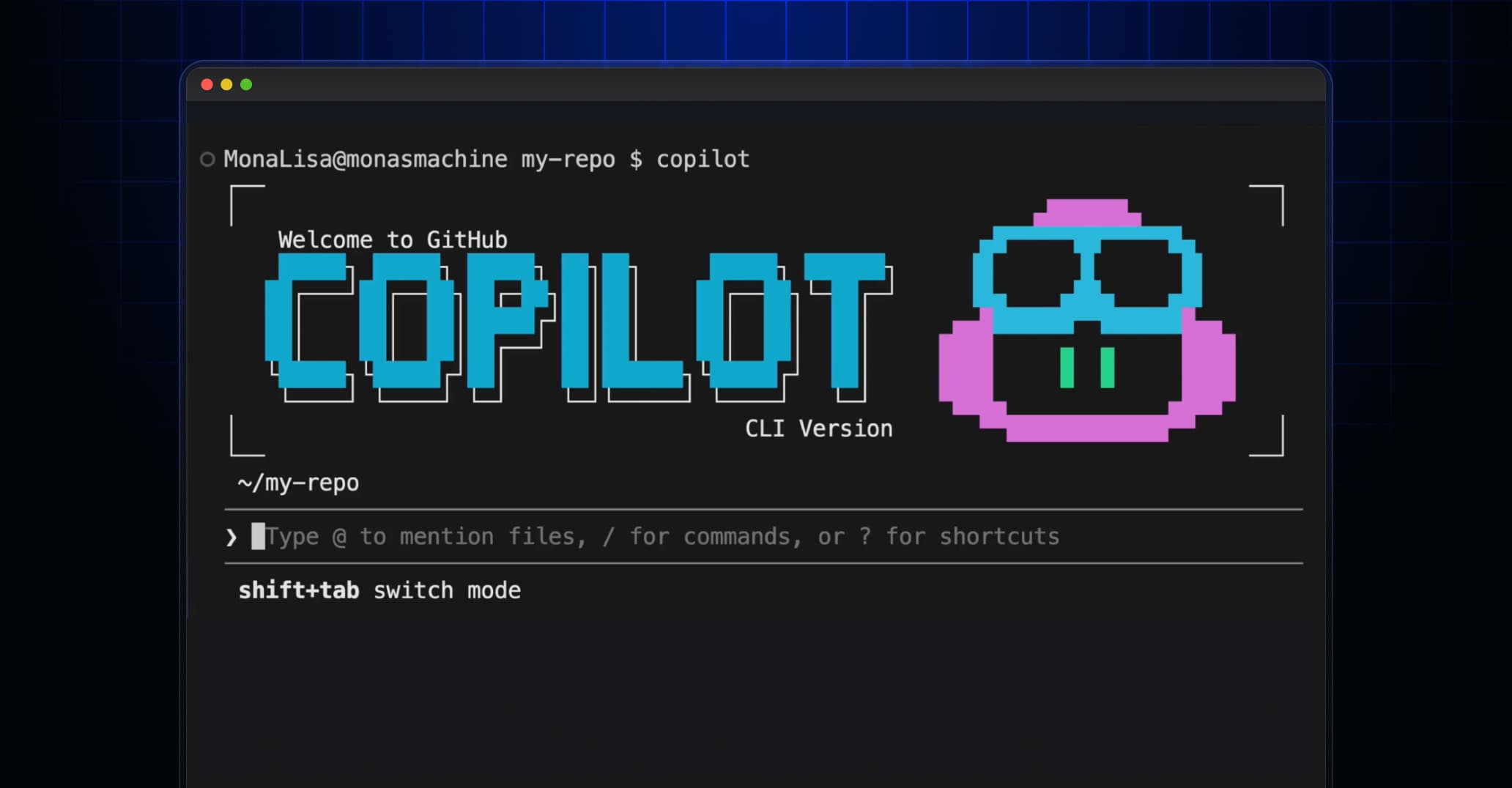
JetBrains AI is the latest contender in the IDE-native AI tools market, competing with GitHub Copilot and Cursor to augment code, we look at what this means for developers and the future of coding. We explore the implications of these tools on software development and what comes next.
IDE-Native AI Tools Emerge As Major Players
The IDE-native AI tools market is heating up with the introduction of JetBrains AI, GitHub Copilot, and Cursor, all vying to augment code and change the way we develop software.
- JetBrains AI is designed to work seamlessly with JetBrains IDEs, such as IntelliJ IDEA and WebStorm, to provide code completion and code analysis, enabling developers to write code more efficiently.
- GitHub Copilot, on the other hand, is a more general-purpose AI tool that can be integrated with a variety of IDEs, including Visual Studio Code and Neovim, to provide code suggestions and code completion.
- Cursor is another AI-powered tool that focuses on code analysis and code review, helping developers identify bugs and improve code quality, making it an essential tool for teams working on large-scale projects.
The Future Of Coding With AI-Powered Tools
As these AI-powered tools continue to evolve, we can expect to see significant changes in the way we develop software, with a greater emphasis on collaboration and automation.
- The integration of AI-powered tools with IDEs will become more prevalent, allowing developers to focus on higher-level tasks and leaving the mundane tasks to the machines, freeing up time for more creative and strategic work.
- We can also expect to see more advanced features, such as automated testing and deployment, becoming integrated into these tools, further streamlining the development process.
- As the use of AI-powered tools becomes more widespread, we will likely see a shift in the way we approach software development, with a greater emphasis on collaboration and continuous learning, and a reduced need for manual coding.
Final Thoughts
As the world of software development continues to evolve, it will be exciting to see how these AI-powered tools shape the future of coding, if you have any questions or want to learn more about how Logicity can help you navigate this changing landscape, reach out to us at logicity.in.
Sources & Further Reading
- JetBrains — JetBrains announced the release of its AI-powered tool, JetBrains AI, designed to work with its IDEs.
Huma Shazia
Senior AI & Tech Writer
Produced with AI assistance and reviewed by the Logicity editorial team. Learn more in our Editorial Policy.