Key Takeaways
- Apple's first foldable iPhone will reportedly feature a liquid metal hinge made from amorphous alloy
- Liquid metal is stronger than titanium, lighter than steel, and highly elastic, preventing looseness after repeated folding
- Prototypes have already been shipped to carriers worldwide for testing ahead of a September launch
What We Know About the iPhone Ultra Hinge
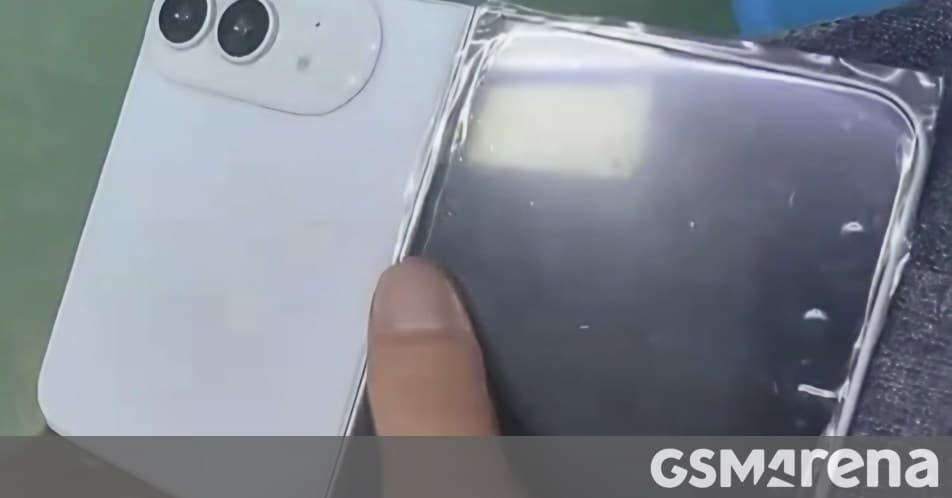
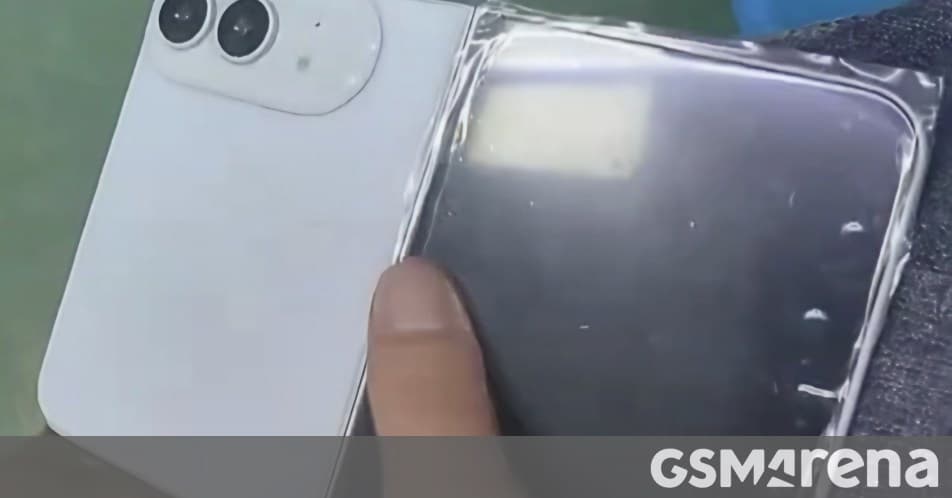
Apple's first foldable smartphone will use a liquid metal hinge, according to a prominent Weibo leaker. The device, widely rumored to launch this fall as the iPhone Ultra, is reportedly in advanced development with prototypes already in the hands of carriers worldwide.
Despite the name, liquid metal isn't actually liquid. It's an amorphous alloy with a disordered, non-crystalline atomic structure similar to glass. Traditional metals have rigid, crystalline structures that make them prone to fatigue over time. Amorphous alloys don't share this weakness.
The material properties matter for a foldable phone hinge. Liquid metal is highly elastic and can absorb massive stress before snapping back to its original shape perfectly. It's stronger than both titanium and stainless steel while being significantly lighter. Its microscopically smooth surface means the hinge won't get loose or wobbly even after hundreds of thousands of folds.
Apple's Long History with Liquid Metal
Apple secured exclusive rights to Liquidmetal Technologies patents back in 2010. For over a decade, the company has used the material sparingly, mostly for small components like SIM ejector tools. The iPhone Ultra hinge would be the first high-profile, consumer-facing application of the technology.
The choice makes strategic sense. Foldable phones from Samsung, Google, and others have struggled with mechanical durability. Screen creasing, hinge looseness, and structural failures have kept foldables in the enthusiast category rather than the mainstream.
Expected Launch Timing and Price
The iPhone Ultra is expected to debut in September alongside the iPhone 18 Pro and iPhone 18 Pro Max. Industry estimates put the starting price around $2,000, positioning it as a premium device even by Apple standards.
Carrier testing suggests the launch timeline is on track. When Apple ships prototypes to carriers months ahead of launch, it typically signals confidence in the hardware design.
How Users Are Reacting
Online discussion is split. Reddit and Hacker News users are skeptical about both the Ultra name and the expected price tag. But engineering-focused communities are genuinely excited about the material science angle.
Many are comparing the potential hinge durability to the early days of bendgate, the 2014 controversy over iPhone 6 Plus frames bending in pockets. If liquid metal delivers on its promise, it could make a foldable iPhone a practical daily driver rather than a fragile showpiece.
See how Samsung's latest foldables compare to Apple's rumored entry
More details on the iPhone 18 lineup launching alongside the Ultra
What This Means for Foldable Phones
Apple rarely enters a product category first. When it does enter, it usually redefines expectations. The company watched the tablet market for years before launching the iPad. It watched the smartwatch market before Apple Watch. It's been watching foldables since Samsung's Galaxy Fold launched in 2019.
A liquid metal hinge could address the single biggest complaint about foldables: they feel like they'll break. If Apple delivers a hinge that stays tight after years of daily use, it could shift foldables from niche to mainstream.
Frequently Asked Questions
What is liquid metal in the iPhone Ultra hinge?
Liquid metal is an amorphous alloy with a disordered atomic structure similar to glass. Despite the name, it's solid. It's stronger than titanium, lighter than steel, and highly elastic, making it ideal for components that undergo repeated stress.
When will the iPhone Ultra foldable launch?
The iPhone Ultra is expected to launch in September 2025 alongside the iPhone 18 Pro and iPhone 18 Pro Max. Prototypes are already being tested by carriers worldwide.
How much will the iPhone Ultra cost?
Industry estimates put the starting price around $2,000, making it Apple's most expensive iPhone at launch.
How long has Apple owned liquid metal technology?
Apple secured exclusive rights to Liquidmetal Technologies patents in 2010. The company has used the material in small components like SIM ejector tools but never in a major product feature.
Will the liquid metal hinge prevent screen creasing?
The hinge material addresses mechanical durability, not screen creasing directly. However, a more precise and stable hinge mechanism could help reduce crease formation over time by maintaining consistent folding angles.
Logicity's Take
Need Help Implementing This?
Source: GSMArena.com / Vlad
Leaked iPhone 18 Pro Max Color Options and Release Roadmap
The new article introduces information regarding the upcoming iPhone 18 Pro Max, specifically detailing leaked aluminum frame colors: 'Dark Cherry', 'Cloud Blue', and black. It also clarifies the anticipated product lineup and release schedule, mentioning the iPhone 18 series alongside the previously mentioned iPhone Ultra.
Focus on iPhone Ultra May Limit iPhone 18 Pro Upgrades
The new article indicates that Apple's R&D resources are heavily prioritized toward the upcoming foldable device, which has resulted in the iPhone 18 Pro series lacking significant new features or design changes. It also mentions that the 18 Pro Max is expected to retain the same 8.75 mm thickness as its predecessor.
Huma Shazia
Senior AI & Tech Writer
Produced with AI assistance and reviewed by the Logicity editorial team. Learn more in our Editorial Policy.