Key Takeaways
- US iPhone 18 Pro may pack a 4,288mAh battery while China gets 4,056mAh
- The difference stems from eSIM-only US models freeing up internal space
- Apple already adopted this strategy with the iPhone 17 Pro lineup
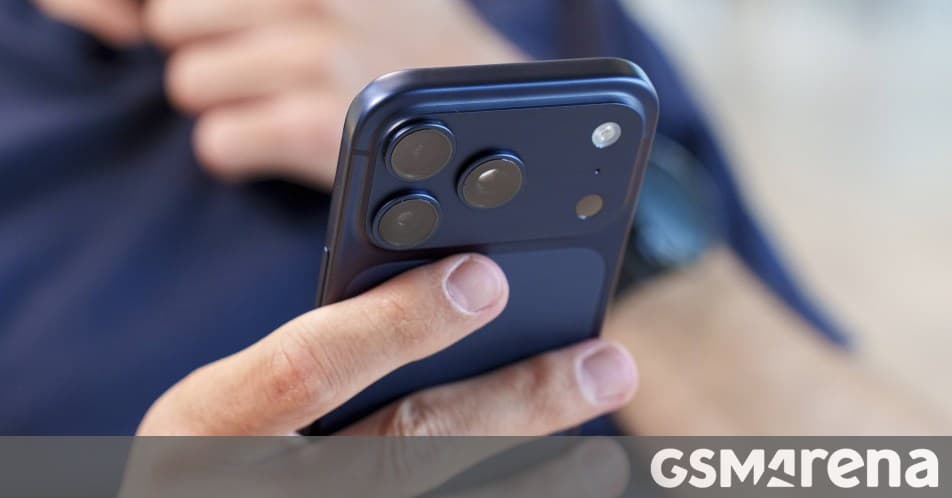
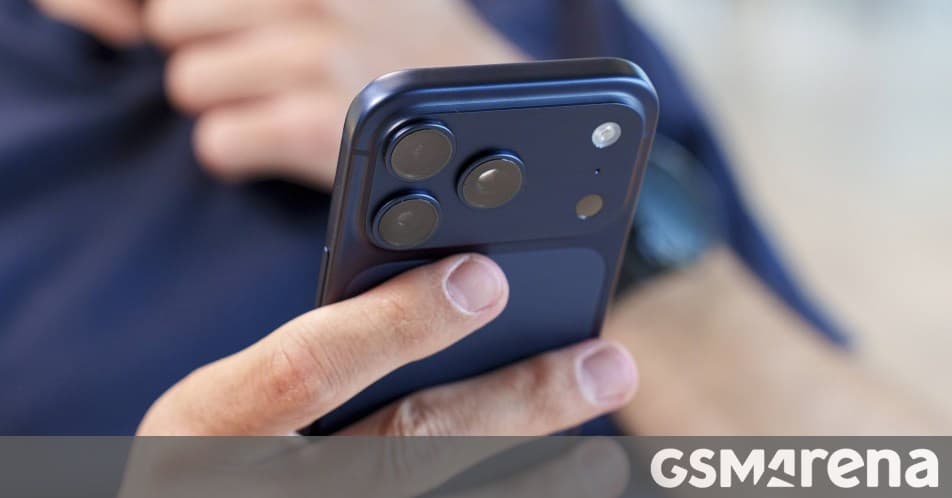
Apple's next flagship may not be the same phone everywhere. According to tipster Digital Chat Station, the iPhone 18 Pro will ship with two different battery sizes depending on where you buy it. US customers could get a 4,288mAh cell. Chinese buyers would get 4,056mAh.
That's a 232mAh difference, roughly 5.4% more capacity in US models. The reason isn't favoritism. It's physics.
Why the Battery Gap Exists
Chinese iPhone models still include a physical nano-SIM card slot. US models switched to eSIM only starting with the iPhone 14 series. That tiny SIM tray takes up real estate inside the phone. Without it, Apple can fit a larger battery.
This isn't new. Apple already did this with the iPhone 17 Pro earlier this year. The US variant shipped with a 4,252mAh battery. The Chinese model came with 3,988mAh. The iPhone 18 Pro would bump both numbers up slightly while keeping the same regional split.
“The physical SIM slot is now the primary bottleneck for battery density in the iPhone Pro lineup, forcing Apple to choose between regional feature parity and raw endurance.”
— Analyst, Tech Supply Chain Insights
What Else Is Coming
The iPhone 18 Pro and 18 Pro Max are expected to launch in September 2026 with several other upgrades. Reports point to the A20 Pro chipset built on a 2nm process node. That's a generation ahead of current chips and should deliver meaningful power efficiency gains.
Other rumored features include a variable-aperture main camera, a smaller Dynamic Island, and new color options. The variable aperture would let the camera adjust its f-stop mechanically, similar to what Samsung has done on some Galaxy flagships.
Does the Battery Difference Matter?
A 232mAh gap sounds significant. In practice, it translates to maybe 15 to 30 minutes of extra screen time depending on usage patterns. The A20 Pro chip's efficiency improvements could matter more than raw milliamp-hours.
Still, the principle frustrates some users. On Reddit's r/apple community, discussions have focused on whether Apple should standardize global hardware even if it means giving up the SIM slot everywhere. The counter-argument: many markets still depend on physical SIMs, and eSIM support varies by carrier.
On Hacker News, the conversation has leaned more technical. Some commenters argue that watt-per-instruction efficiency gains from the 2nm process will overshadow the battery size difference. A chip that draws 15% less power can deliver better endurance even with a smaller cell.
The Bigger Picture
Apple's regional hardware split reflects a broader tension in global smartphone design. Regulations, carrier infrastructure, and consumer preferences vary by market. Building one phone for the whole world means compromises. Building regional variants means inconsistency.
For now, Apple seems committed to the latter approach with its Pro lineup. If you want the bigger battery, you need to buy in a market that's gone eSIM-only. If you need a physical SIM, you accept slightly less capacity.
Logicity's Take
Frequently Asked Questions
Why does the US iPhone 18 Pro have a bigger battery?
US models are eSIM-only, so Apple removes the physical SIM tray. That freed-up space allows a larger battery cell.
How much bigger is the US iPhone 18 Pro battery?
Rumors suggest 4,288mAh for the US versus 4,056mAh for China, a difference of 232mAh or about 5.4%.
When will the iPhone 18 Pro launch?
Apple typically announces new iPhones in September. The iPhone 18 Pro is expected to follow this schedule in 2026.
What chip will the iPhone 18 Pro use?
The iPhone 18 Pro is rumored to feature the A20 Pro chipset built on a 2nm process node.
Did Apple do this with the iPhone 17 Pro too?
Yes. The iPhone 17 Pro shipped with 4,252mAh in the US and 3,988mAh in China for the same SIM-related reason.
Another look at upcoming consumer hardware announcements
Need Help Implementing This?
Source: GSMArena.com / Siddharth
Huma Shazia
Senior AI & Tech Writer
Produced with AI assistance and reviewed by the Logicity editorial team. Learn more in our Editorial Policy.