Key Takeaways
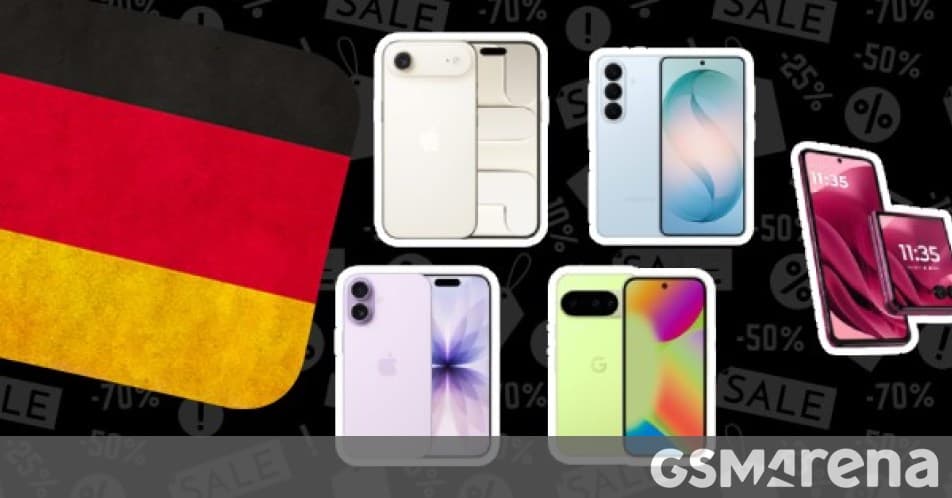
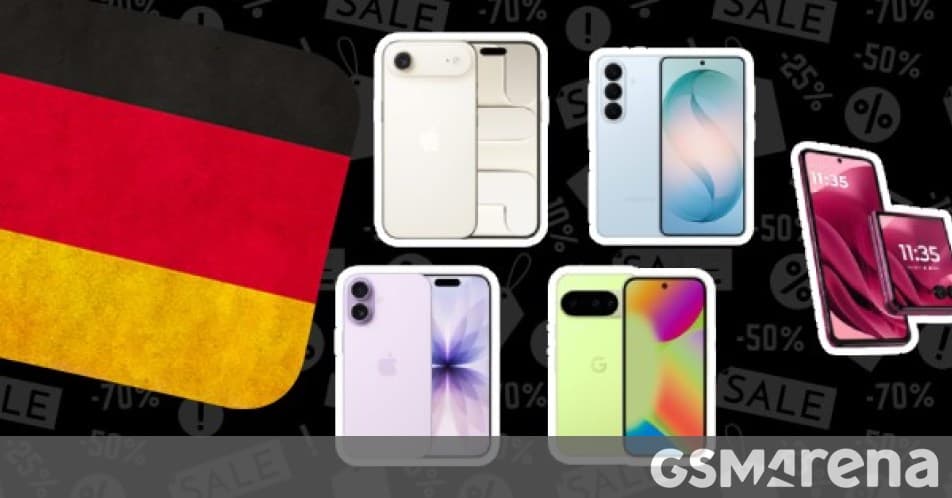
- iPhone Air discounted up to €480, offering the A19 Pro chip and 6.5-inch LTPO display
- Galaxy S26+ delivers the best battery life at 16:25h, outpacing all iPhone and Pixel options
- Pixel 10 Pro matches iPhone 17 pricing but struggles with slower Tensor G5 chip and mediocre battery
iPhone Air: Slim Design, Big Discount
Apple's ultra-thin iPhone Air sparked a wave of slim phone designs. Now it's up to €480 off. The phone packs a 6.5-inch LTPO display with 120Hz refresh rate and the A19 Pro chipset.
The tradeoff for that slim profile? A tiny 3,149mAh battery. Still, it managed a 12:44h Active Use Score in testing. MagSafe accessories can help extend runtime. The bigger limitation is the single 48MP camera with a 1/1.56-inch sensor. No telephoto, no ultra-wide.
iPhone 17: Smaller Screen, Better Battery
The iPhone 17 offers a more practical package. Its 6.3-inch LTPO display (also 120Hz) is smaller than the Air's, but the phone is actually thicker and heavier. That extra bulk houses a 3,692mAh battery that lasts 14:59h, over two hours longer than the Air.
Camera setup is better too. You get a 48MP main sensor plus a 48MP ultra-wide with 120-degree field of view. The chipset is the standard A19, which shares the same CPU and GPU configuration as the A19 Pro but has less cache.
Samsung Galaxy S26: The Endurance Play
Samsung's Galaxy S26 matches the iPhone 17's 6.3-inch LTPO display size. European models run the Exynos 2600 chipset. The 4,300mAh battery delivers 15:20h of active use, a slight edge over the iPhone 17.
The camera system takes a different approach. There's a 50MP main sensor (1/1.56-inch), a dedicated 10MP telephoto with 3x zoom at 67mm, and a 12MP ultra-wide. That dedicated telephoto is something neither standard iPhone offers.
Pixel 10 and 10 Pro: Budget Meets Premium
The Pixel 10 is the cheapest option in this roundup. It has a 6.3-inch display but no LTPO panel, which means no adaptive refresh rate. Google's Tensor G5 chip doesn't match Apple's silicon in performance.
The camera setup includes a 48MP main (smaller 1/2.0-inch sensor), 13MP ultra-wide, and a 10.8MP telephoto with longer 5x/112mm reach. Despite packing the biggest battery here at 4,970mAh, the Pixel 10 only managed 12:08h Active Use Score, the worst of the group.
The Pixel 10 Pro bumps closer to iPhone pricing. You get an LTPO panel, a larger 1/1.31-inch 50MP main sensor, and a 48MP telephoto with 5x/113mm periscope lens. The ultra-wide jumps to 48MP and the selfie camera to 42MP. But the slow chip and middling battery life remain problems.
Galaxy S26+ and S26 Ultra: Premium Options
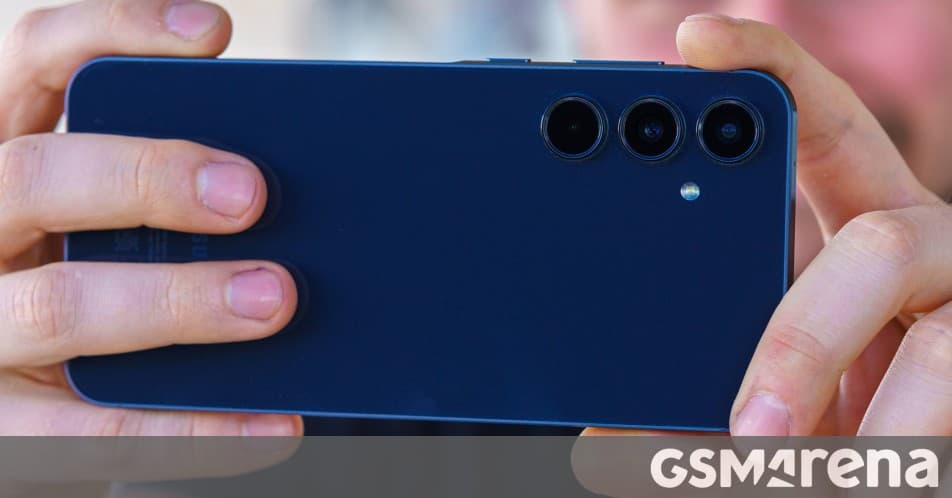
Samsung skipped the slim phone race this year. No Edge model. But the Galaxy S26+ offers the best battery life in this roundup: 16:25h from its 4,900mAh cell. The 6.7-inch LTPO screen is larger than the others. Camera and chipset match the base S26.
The price gap between S26+ and S26 Ultra is narrower than you might expect. Only €100 separates the 256GB models. Less than €200 between 512GB variants. At those margins, the Ultra's extra features become harder to ignore.
| Phone | Display | Battery | Active Use Score | Main Camera |
|---|---|---|---|---|
| iPhone Air | 6.5" LTPO 120Hz | 3,149mAh | 12:44h | 48MP (1/1.56") |
| iPhone 17 | 6.3" LTPO 120Hz | 3,692mAh | 14:59h | 48MP + 48MP UW |
| Galaxy S26 | 6.3" LTPO | 4,300mAh | 15:20h | 50MP + 10MP 3x + 12MP UW |
| Pixel 10 | 6.3" | 4,970mAh | 12:08h | 48MP + 10.8MP 5x + 13MP UW |
| Pixel 10 Pro | 6.3" LTPO | 4,970mAh | ~12h | 50MP + 48MP 5x + 48MP UW |
| Galaxy S26+ | 6.7" LTPO | 4,900mAh | 16:25h | 50MP + 10MP 3x + 12MP UW |
Which Deal Makes Sense?
The iPhone Air at €480 off is the headline deal. But that discount exists partly because the phone has real compromises: tiny battery, single camera. It's a style statement more than a practical daily driver.
For actual usability, the Galaxy S26+ stands out. Best battery life, largest screen, and the S26 Ultra isn't much more expensive if you want the upgrade path. The iPhone 17 hits a solid middle ground with Apple's ecosystem.
The Pixel 10 series is harder to recommend. The base model's battery life is disappointing despite the larger cell. The Pro addresses camera quality but not the chip or endurance issues.
Detailed comparison if you're considering the S26+ upgrade
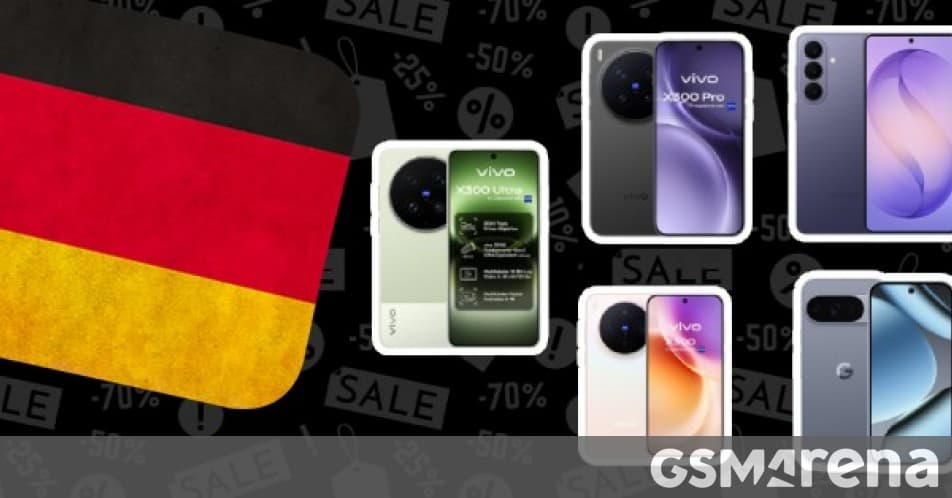
More smartphone deals to consider
Logicity's Take
Frequently Asked Questions
Which phone has the best battery life in this roundup?
The Samsung Galaxy S26+ leads with a 16:25h Active Use Score, followed by the Galaxy S26 at 15:20h and iPhone 17 at 14:59h.
Is the iPhone Air worth buying on sale?
Only if you prioritize slim design over practicality. The small battery (12:44h active use) and single camera are significant compromises even at €480 off.
Why does the Pixel 10 have worse battery life with a bigger battery?
The Tensor G5 chip is less efficient than Apple silicon and Samsung's Exynos 2600. The 4,970mAh battery only delivers 12:08h active use, the worst in this group.
Should I get the Galaxy S26+ or S26 Ultra?
With only €100-200 separating them depending on storage, the Ultra offers better value. The S26+ makes sense if you specifically want the smaller form factor.
Which phone has the best camera system?
The Pixel 10 Pro offers the most versatile setup with upgraded sensors across all cameras and a 5x periscope telephoto. The Galaxy S26 series provides good balance with dedicated telephoto lenses.
Need Help Implementing This?
Source: GSMArena.com / Peter
Google Pixel 10a: Pricing and Design Breakdown
The new article introduces the Pixel 10a, highlighting its $500 price and a unique design featuring a completely flat back with no camera bump. It also confirms that the device reuses the processor, camera, and battery from the Pixel 9a.
Huma Shazia
Senior AI & Tech Writer
Produced with AI assistance and reviewed by the Logicity editorial team. Learn more in our Editorial Policy.