Key Takeaways
- iPhone 18 Pro production cost estimated at $726, up from $582 for iPhone 17 Pro
- DRAM costs jumped 272% from $39 to $145 for 12GB memory
- Base iPhone 18 Pro could retail at $1,299 to $1,399 depending on camera upgrades
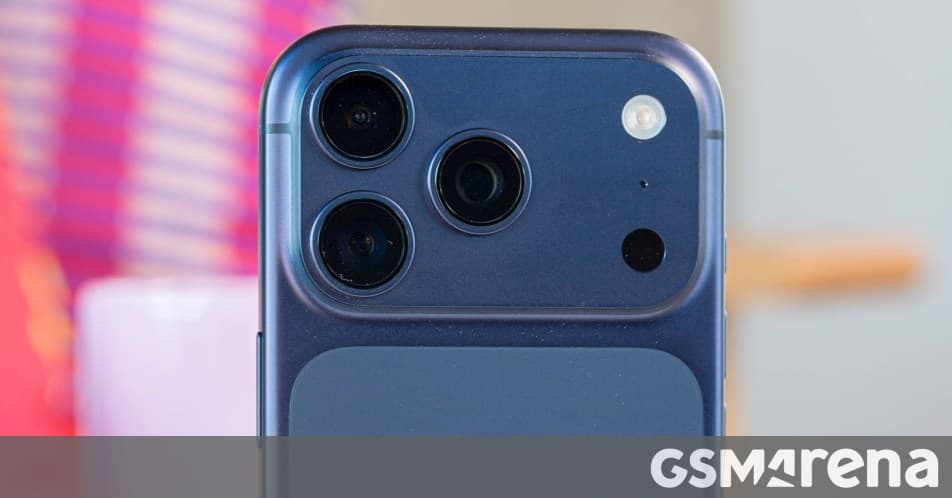
Apple's iPhone 18 Pro could cost between $1,299 and $1,399 when it launches, according to estimates from TechInsights and The Wall Street Journal. The culprit: memory prices that have roughly tripled, pushing Apple's production costs up by $144 per device.
Tim Cook recently acknowledged the pressure. The Apple CEO said the company could raise prices on some products due to the ongoing memory shortage. He didn't specify which products or by how much. But the math from TechInsights tells a clear story.
Why is iPhone 18 Pro memory so expensive?
The numbers break down like this. For the iPhone 17 Pro, Apple paid $39 for 12GB of DRAM. That same memory spec for the iPhone 18 Pro? TechInsights pegs it at $145. Storage followed the same trajectory. The 256GB NAND flash that cost Apple $13 now runs about $51.
Add those together and Apple's bill of materials jumps from $582 for the iPhone 17 Pro to an estimated $726 for the iPhone 18 Pro. That's before factoring in assembly, logistics, R&D, or marketing.
The root cause sits in AI data centers, not smartphones. Memory manufacturers have pivoted production toward High Bandwidth Memory chips used in AI training hardware. NVIDIA and its competitors are buying every HBM chip they can get. Consumer electronics, iPhones included, are fighting for whatever capacity remains.
How much will Apple actually charge?
TechInsights calculates that Apple earned a 47% profit margin on the base iPhone 17 Pro at $1,099. To maintain that margin on a $726 production cost, Apple would need to charge $1,371.
The firm expects Apple to accept a slightly lower margin instead. Their baseline estimate: $1,299 for the iPhone 18 Pro, which would yield a 44% gross margin. That's a $200 increase over the current generation.
But there's another variable. Rumors suggest the iPhone 18 Pro will introduce a variable-aperture camera lens. TechInsights estimates this system could cost Apple 50% more than the current camera stack. Factor that in, and the price climbs to $1,399.
What about iPhone 18 Pro Max?
The iPhone 17 Pro Max currently starts at $1,199. If the Pro model absorbs these cost increases, the Pro Max will follow. A $1,499 or higher starting price for the largest iPhone seems increasingly likely.
Apple could theoretically cut RAM to offset costs, but that would undermine Apple Intelligence. The company has been increasing iPhone memory specifically to run on-device AI features. The iPhone 17 Pro jumped to 12GB from 8GB in the iPhone 16 Pro for exactly this reason. Walking that back would be an embarrassing retreat.
The broader pattern: Samsung faces the same squeeze
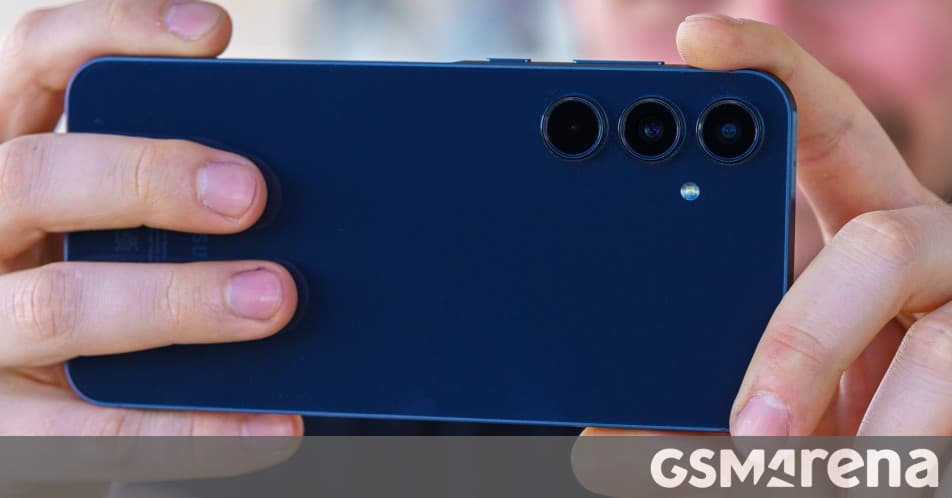
Apple isn't alone. Samsung reportedly plans to raise prices on the Galaxy Z Fold8, driven by similar component cost pressures. The memory shortage affects every manufacturer buying DRAM and NAND flash at scale.
The difference is Apple's margins. At 47%, Apple has room to absorb some pain. Chinese competitors operating on thinner margins may face harder choices between eating costs or losing customers.
Samsung faces similar memory cost pressures on its flagship foldable
When will memory prices stabilize?
That depends on AI infrastructure spending. As long as hyperscalers keep ordering HBM for training clusters, consumer device makers will compete for limited capacity. New memory fabs take years to build. The shortage isn't resolving in 2025.
Tim Cook said Apple is "monitoring carefully" and will "see how things develop." Translation: expect higher prices, but Apple won't commit to specific numbers until closer to launch.
Frequently Asked Questions
How much will iPhone 18 Pro cost?
TechInsights estimates between $1,299 and $1,399 for the base model with 256GB storage, depending on camera system costs.
Why are iPhone 18 Pro memory costs so high?
DRAM costs jumped from $39 to $145 because memory manufacturers are prioritizing AI data center chips over consumer electronics.
Will Apple reduce iPhone RAM to lower costs?
Unlikely. Apple increased RAM to 12GB specifically to support Apple Intelligence features, and reducing it would undermine those capabilities.
When will the iPhone 18 Pro launch?
Apple typically announces new iPhone Pro models in September, so iPhone 18 Pro would be expected in September 2026.
Logicity's Take
The real story isn't Apple's pricing power. It's that AI infrastructure is now directly inflating consumer device costs. Every dollar NVIDIA's customers spend on AI training chips creates downstream pressure on your next phone. Apple can absorb this with margin compression. Smaller Android OEMs operating at 15-20% margins cannot. Expect consolidation at the mid-range as component costs squeeze out marginal players.
Need Help Implementing This?
Logicity covers the business and technology trends reshaping hardware markets. Subscribe to our newsletter for weekly analysis on supply chain shifts, pricing dynamics, and what they mean for your technology decisions.
Source: GSMArena.com / Sagar
Huma Shazia
Senior AI & Tech Writer
Produced with AI assistance and reviewed by the Logicity editorial team. Learn more in our Editorial Policy.