Key Takeaways
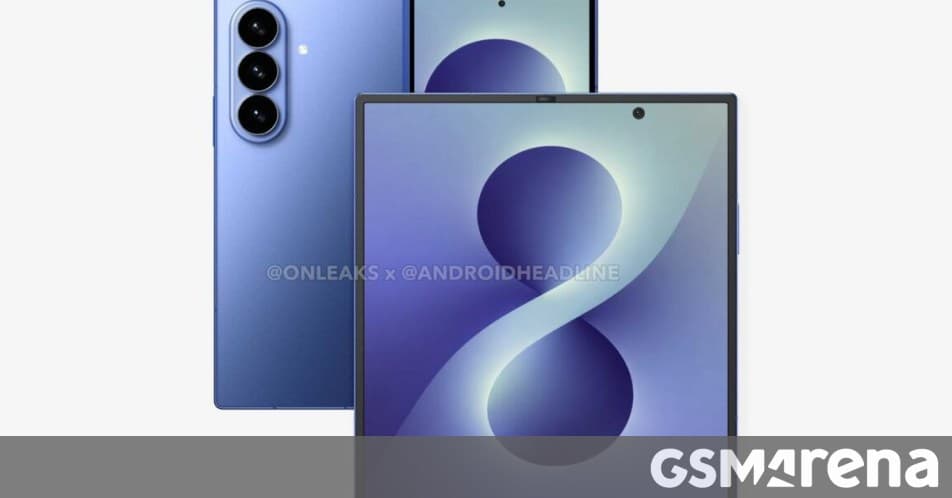
- Samsung's Galaxy Z Fold8, Z Fold8 Ultra, and Z Flip8 are all expected to cost more than their predecessors
- Rising RAM and component costs are driving the price increases across Samsung's foldable lineup
- Apple is reportedly considering similar price hikes for its iPhone 18 Pro series
Samsung's next foldables will likely cost more than the models they replace. According to a leak citing European and Asian sales channels, the Galaxy Z Fold8, Galaxy Z Fold8 Ultra, and Galaxy Z Flip8 will all launch at higher price points when Samsung unveils them next month.
The leak attributes the price bump to a mix of internal and external pressures. Most obvious among them: the ongoing climb in RAM and component costs that has squeezed margins across the smartphone industry. Manufacturing costs for the new foldables have also increased, though the exact figures are still being finalized internally.
How much more will the Galaxy Z Fold8 cost?
The leak does not specify exact pricing. For context, the Galaxy Z Fold6 launched in 2024 at $1,799. Industry watchers have previously estimated that Samsung's premium flagships tend to rise 7 to 12 percent year over year when major features are added. If that pattern holds, the Z Fold8 could start somewhere between $1,899 and $1,999.
A separate report from May already hinted that Samsung planned to raise prices on some phones in Europe specifically. This latest leak suggests the increase will be global and span the entire foldable lineup, not just the flagship Fold.
What's behind the naming change?
The rumor introduces a small but notable shift in Samsung's branding. The wide-screen foldable will apparently be called Galaxy Z Fold8, while the Galaxy Z Fold8 Ultra will succeed the current Galaxy Z Fold7. That suggests Samsung is positioning the Ultra as the true premium tier, possibly with features or materials that justify the higher price.
Samsung has dominated the foldable market since launching the original Galaxy Fold in 2019. The company shipped roughly 10 million foldables in 2024, accounting for an estimated 70 to 80 percent of global foldable sales. Protecting that lead while raising prices will require giving buyers a clear reason to pay more.
Apple faces the same cost pressure
Samsung is not alone. A recent report indicated that Apple is weighing higher prices for the iPhone 18 Pro lineup, citing the same culprit: rising costs for RAM and storage chips. Memory prices have climbed steadily through 2025, and phone makers are running out of room to absorb the increases.
For buyers, this means the premium smartphone tier is getting more expensive across the board. Foldables, which already carry a significant premium over traditional slabs, are simply feeling the squeeze first.
Related coverage of Apple's hardware market performance
When will Samsung confirm pricing?
Samsung typically announces its new foldables at a Galaxy Unpacked event in the summer. The company is expected to unveil the Z Fold8 series next month, likely in July. Official pricing will come then. Until that point, the figures circulating are estimates based on supply chain chatter, not confirmed retail prices.
The global foldable market is projected to reach $35 billion by 2027, growing at roughly 25 percent annually. Samsung's ability to maintain share while pushing prices higher will be a test of how much brand loyalty and technical leadership it has built over five generations of foldables.
Frequently Asked Questions
How much will the Samsung Galaxy Z Fold8 cost?
Official pricing has not been announced. The Z Fold6 launched at $1,799, and leaks suggest the Z Fold8 could start between $1,899 and $1,999 based on typical year-over-year increases.
When will Samsung announce the Galaxy Z Fold8?
Samsung is expected to unveil the Galaxy Z Fold8 series at a Galaxy Unpacked event next month, likely in July 2025.
Why are Samsung foldable prices increasing?
Rising RAM and component costs are the primary drivers. Manufacturing expenses for foldable devices have also climbed, according to the leak.
What is the difference between Galaxy Z Fold8 and Z Fold8 Ultra?
According to rumors, the Z Fold8 Ultra will be the true successor to the Z Fold7, positioned as the premium tier with the standard Z Fold8 as a more accessible option.
Is Apple also raising iPhone prices?
Reports suggest Apple is considering higher prices for the iPhone 18 Pro lineup due to the same RAM and storage chip cost increases affecting Samsung.
Logicity's Take
Samsung faces a tricky balancing act. The foldable category still lacks meaningful competition from Apple, which gives Samsung pricing power it would not have in traditional smartphones. But foldables remain a niche product, and every price increase shrinks the pool of buyers willing to take the leap. If Samsung wants foldables to go mainstream, it needs costs to fall, not rise. The Z Fold8 generation may mark the point where Samsung prioritizes margins over market expansion.
Need Help Implementing This?
Logicity helps enterprises and startups stay ahead of hardware and mobile trends. Contact our research desk for briefings on device strategy, supply chain dynamics, and consumer tech forecasting.
Source: GSMArena.com / Siddharth
Huma Shazia
Senior AI & Tech Writer
Produced with AI assistance and reviewed by the Logicity editorial team. Learn more in our Editorial Policy.