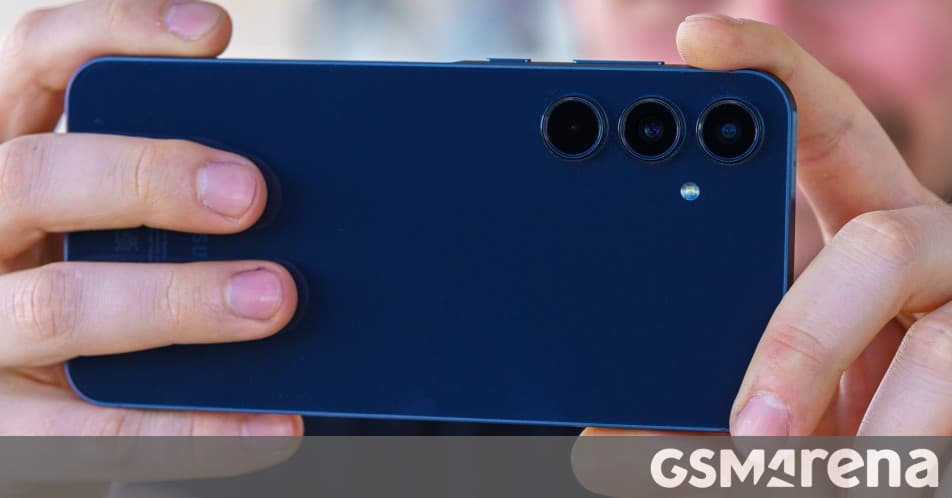
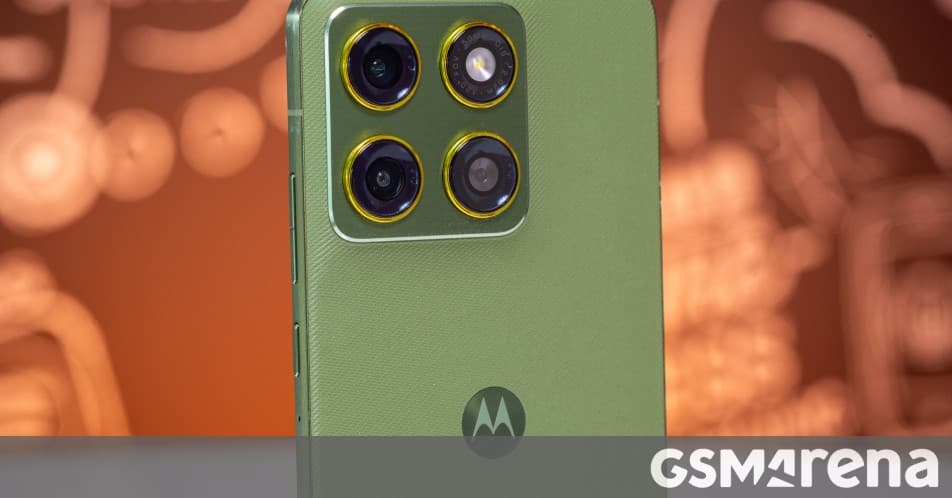
Apple's iPhone 18 Pro will ship with a physically larger main camera module, according to a Weibo tipster described by GSMArena as one of the platform's most prolific leakers. The source claims this is "confirmed," though the usual caveats about pre-release rumors apply. The camera bump will reportedly grow about 2mm thicker than the iPhone 17 Pro.
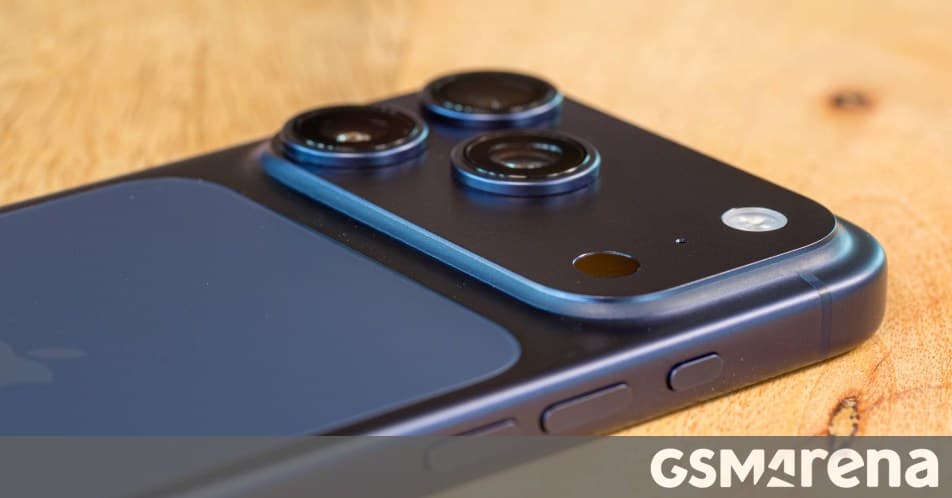
Two possible explanations are circulating. The first: Apple is finally adding variable aperture to the iPhone, a feature Samsung introduced with the Galaxy S24 Ultra. Variable aperture lets the lens physically adjust its opening, giving photographers more control over depth of field and low-light performance without relying entirely on computational tricks. The mechanical components required for this would take up space.
The second explanation is simpler. Apple may be using a larger image sensor. The current iPhone 16 Pro uses a 1/1.28-inch sensor. A bigger sensor captures more light and produces cleaner images, especially in dim conditions. Either upgrade, or both together, would justify the added bulk.
Why would Apple make the camera bump bigger?
Apple has resisted making iPhones thicker for years, but the camera is the exception. Consumer surveys consistently rank camera quality as the top purchase driver for flagship phones. If a 2mm bump gets meaningfully better photos, Apple's bet is that buyers will accept the trade-off.
Variable aperture is the more interesting upgrade. Fixed-aperture lenses force smartphones to rely on software to simulate bokeh and manage exposure. A mechanical aperture that shifts between, say, f/1.78 and f/2.8 gives the photographer real optical control. Samsung's implementation has been well-received, and Apple rarely lets a rival own a hardware advantage for long.
When will the iPhone 18 Pro launch?
The iPhone 18 Pro and iPhone 18 Pro Max are expected in September 2025, following Apple's established annual cadence. They'll reportedly debut alongside the rumored iPhone Ultra, a new tier above Pro Max.
The standard iPhone 18, iPhone 18e, and a possible iPhone Air 2 are rumored for spring 2026. That would split Apple's lineup across two launch windows, an unusual move if true.
How reliable is this rumor?
The Weibo tipster in question has a strong track record on Apple leaks, though GSMArena didn't name them directly. The variable aperture rumor has circulated for months from multiple sources, including supply chain reports. That convergence lends credibility.
Still, "confirmed" is doing a lot of work here. Until Apple announces the device, these remain educated guesses based on supply chain chatter and component orders. The 2mm figure is specific enough to suggest real sourcing, but specifications can change late in the development cycle.
What does this mean for current iPhone owners?
If you're on an iPhone 15 Pro or older, the iPhone 18 Pro could represent a meaningful camera jump. Variable aperture and a larger sensor would be the biggest hardware photography upgrades since Apple moved to 48MP sensors with the iPhone 14 Pro.
For iPhone 16 Pro owners, the calculus is less clear. Apple's year-over-year improvements are typically incremental. Whether variable aperture alone justifies an upgrade depends on how much you shoot in challenging lighting or care about optical bokeh versus computational blur.
If you're comparing flagship camera phones, Samsung's customization features are worth knowing.
Frequently Asked Questions
Will the iPhone 18 Pro have variable aperture?
Multiple rumors suggest yes, though Apple hasn't confirmed anything. Variable aperture would let the lens physically adjust its opening for better depth-of-field control.
How much thicker will the iPhone 18 Pro camera bump be?
The rumor claims approximately 2mm thicker than the iPhone 17 Pro's camera module.
When does the iPhone 18 Pro release?
September 2025, according to current rumors, following Apple's traditional launch timing.
What is the iPhone Ultra?
A rumored new tier above Pro Max, expected to launch alongside the iPhone 18 Pro in September 2025. Details remain sparse.
Logicity's Take
Apple adding variable aperture would signal a shift in smartphone camera strategy. For years, computational photography has been the primary battleground. A return to hardware differentiation suggests Apple sees diminishing returns from software alone. The 2mm bump is a real concession. Apple obsesses over thinness. If they're willing to make the phone bulkier, they believe the camera improvement is substantial enough that buyers will forgive it.
Need Help Implementing This?
Planning your mobile device strategy for 2025-2026? Logicity covers enterprise tech and consumer hardware that matters to your business. Subscribe to our newsletter for weekly analysis on the devices and platforms shaping your roadmap.
Source: GSMArena.com / Vlad
Huma Shazia
Senior AI & Tech Writer
Produced with AI assistance and reviewed by the Logicity editorial team. Learn more in our Editorial Policy.