Key Takeaways
- Both nova 16 models feature 7,000mAh batteries with 100W fast charging
- The nova 16 Pro gets a 200MP RYYB main sensor and 50MP RYYB periscope telephoto
- Satellite messaging via BeiDou now comes standard on both phones
Huawei Goes Big on Battery and Cameras
Huawei just announced the nova 16 and nova 16 Pro, and the spec sheet reads more like a flagship than a mid-ranger. Both phones pack 7,000mAh batteries, a figure that dwarfs most competitors in this segment. The Pro model pushes further with a 200MP main camera sensor and what Huawei calls a 'spectacles' design that will almost certainly divide opinion.
The nova series has always been Huawei's testing ground for bold design choices. This generation doubles down on that approach while stuffing in hardware that competes with phones costing significantly more.
Nova 16 Pro: The Camera Flagship
The nova 16 Pro's camera system is the headline act. Its main sensor is a 200MP unit measuring 1/1.28 inches, using Huawei's RYYB color filter that replaces green pixels with yellow ones for better light capture. The f/1.8 lens includes optical image stabilization.
The telephoto camera stands out too. It's a 50MP sensor, also RYYB, with a 3.7x optical zoom and OIS. That's a substantial upgrade from the nova 15 Pro's 12MP 3x telephoto. Huawei has essentially put flagship-level zoom hardware into its mid-range line.
A 50MP ultra-wide camera with autofocus rounds out the rear setup. It can focus as close as 7cm for macro shots. Up front, the pill-shaped cutout houses a 50MP selfie camera with a 1/2.5-inch sensor and a 1.5 million channel spectral sensor for better face detection.
The 'Spectacles' Design
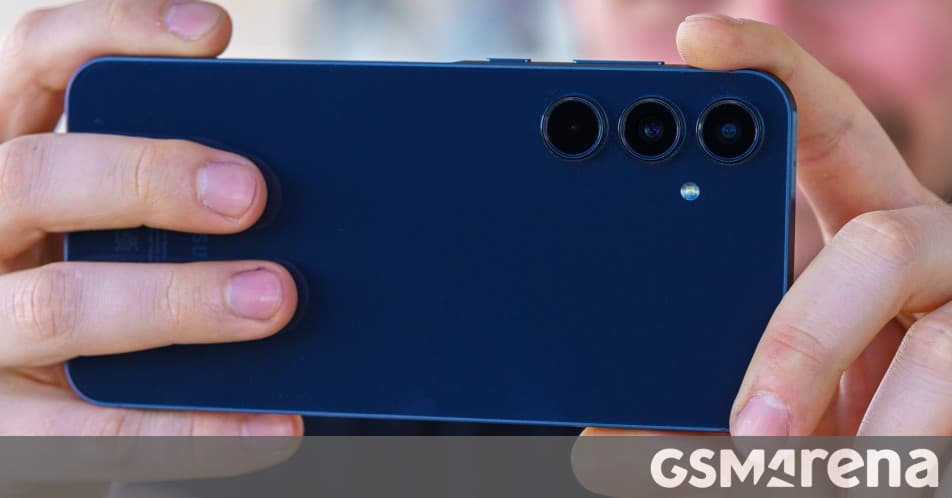
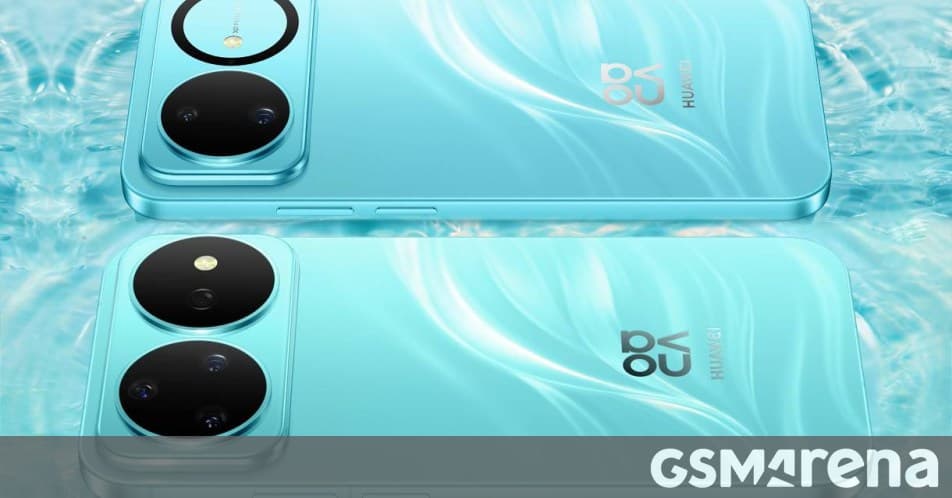
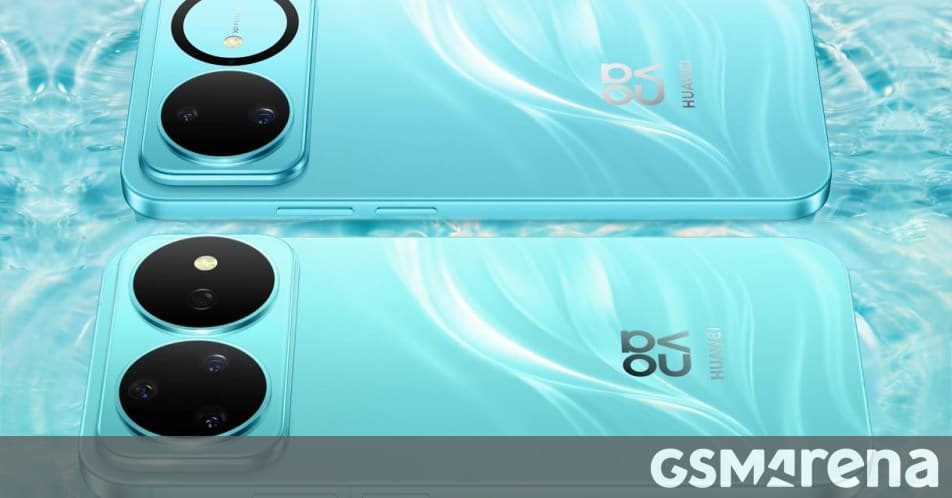
Huawei clearly wants the nova 16 Pro to stand out in a crowd. The camera module looks like a pair of glasses, a design choice that will appeal to some and repel others. The company has never been shy about polarizing aesthetics, and the nova 16 Pro continues that tradition.
Display Differences Between Models
The Pro gets the better screen. It's a 6.84-inch LTPO panel with variable refresh rate from 1Hz to 120Hz, 1,320 x 2,856 pixel resolution, and 10-bit color. Huawei uses 2,160Hz PWM dimming to reduce eye strain at low brightness. Kunlun glass provides scratch protection.
The standard nova 16 has a smaller 6.68-inch display. It's a regular OLED locked at 120Hz rather than LTPO, with 1,280 x 2,800 resolution and 10-bit color. Protection comes from unbranded aluminosilicate glass instead of Kunlun.
Standard Nova 16: Still Capable
The base model makes sensible compromises. Its main camera drops to 50MP without OIS, but keeps an f/1.9 aperture. The telephoto is respectable at 50MP with RYYB and OIS, though the zoom is 3.3x rather than 3.7x. Huawei says this still beats both the nova 15 and 15 Pro telephoto setups.
The selfie camera is 50MP but sits in a standard punch hole rather than the pill-shaped cutout, and it lacks the spectral sensor. For most users, this probably won't matter.
| Feature | Nova 16 | Nova 16 Pro |
|---|---|---|
| Main Camera | 50MP, f/1.9, no OIS | 200MP, f/1.8, OIS, RYYB |
| Telephoto | 50MP RYYB, 3.3x, OIS | 50MP RYYB, 3.7x, OIS |
| Display | 6.68" OLED, 120Hz fixed | 6.84" LTPO, 1-120Hz |
| Glass | Aluminosilicate | Kunlun glass |
| Battery | 7,000mAh, 100W | 7,000mAh, 100W |
| Selfie Camera | 50MP, punch hole | 50MP + spectral sensor, pill |
Shared Hardware: Chipset, Battery, Connectivity
Both phones run the Kirin 9010S processor, the same chip from last year's nova 15 Pro. All variants come with 12GB RAM. Storage options include 256GB and 512GB, though only the Pro gets a 1TB option.
The 7,000mAh battery is the same across both models, as is 100W wired charging. Neither phone supports wireless charging. At this battery size, that's a minor inconvenience at worst.
Satellite messaging via BeiDou is now standard on both phones. This was previously limited to the nova 15 Ultra. In areas without cellular coverage, users can send text messages through the satellite network.
Connectivity includes Wi-Fi 7, Bluetooth 6.0 with LDAC and L2HC codec support, and Huawei's StarFlash protocol. NFC is included. The USB-C port is USB 2.0, which feels dated in 2024.
What's Missing
No wireless charging is an odd omission at this tier. The USB 2.0 port limits data transfer speeds and video output options. These are cost-cutting decisions that most buyers won't notice daily but may frustrate power users.
Logicity's Take
Market Positioning
The nova series sits between Huawei's budget phones and its flagship Mate and P series. With the nova 16, the gap between mid-range and premium is narrower than ever. Buyers who don't need the absolute latest processor may find little reason to pay flagship prices.
Online reaction has been mixed on the design. Reddit discussions show enthusiasm for the battery size but skepticism about how it affects thickness and weight. The spectacles camera design has drawn comparisons to earlier iconic camera modules, with opinions ranging from distinctive to distracting.
How Samsung is dominating another tech segment
Frequently Asked Questions
What is the battery size of the Huawei nova 16?
Both the nova 16 and nova 16 Pro have 7,000mAh batteries with 100W fast charging support.
Does the Huawei nova 16 have wireless charging?
No, neither the nova 16 nor the nova 16 Pro supports wireless charging.
What camera does the Huawei nova 16 Pro have?
The nova 16 Pro has a 200MP RYYB main sensor with OIS, a 50MP RYYB periscope telephoto with 3.7x zoom, and a 50MP ultra-wide camera with autofocus.
Does the Huawei nova 16 support satellite messaging?
Yes, both nova 16 models support messaging via the BeiDou satellite system in areas without cellular coverage.
What processor does the Huawei nova 16 use?
Both models use the Kirin 9010S chipset with 12GB RAM.
Need Help Implementing This?
Source: GSMArena.com / Peter
Huma Shazia
Senior AI & Tech Writer
Produced with AI assistance and reviewed by the Logicity editorial team. Learn more in our Editorial Policy.