Key Takeaways
- AI-generated music uploads to YouTube have increased roughly 70% since 2024, primarily in ambient and lofi categories
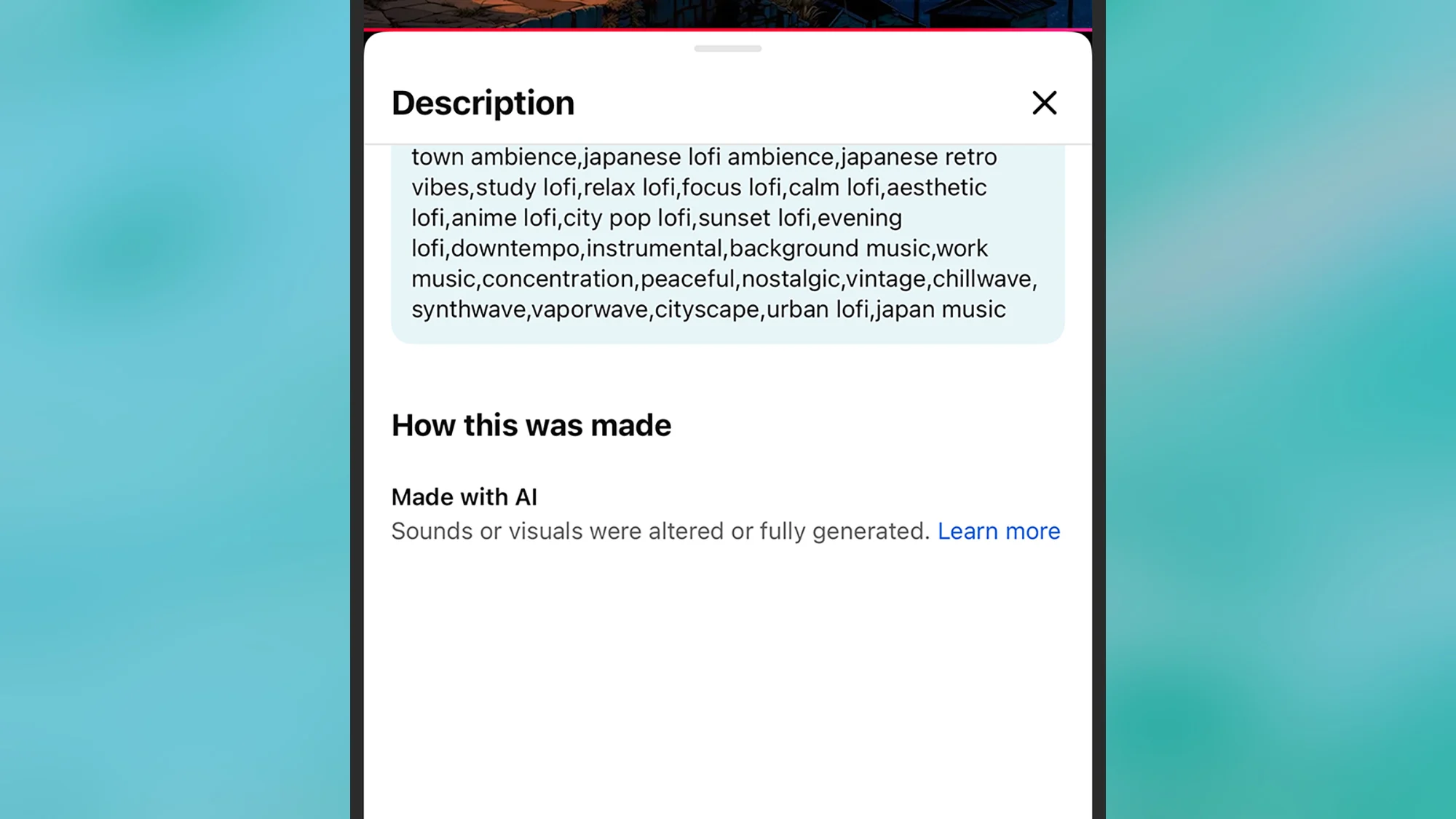
- YouTube now shows 'How this content was made' labels on some videos, but disclosure depends on creator honesty or detection tools
- You can identify real artists by checking for social media presence, production history, and metadata transparency
If you work at a computer, you've probably discovered the joy of long-form YouTube videos for background sound. Scenic train journeys. Movie soundtracks. Forest rain. Piano instrumentals. The options seemed endless.
Seemed. Past tense.
Run a search for "study music" or "lofi chill" today and you'll hit a wall of suspicious content. Thumbnails that look like ChatGPT illustrations. Audio tracks that sound like Suno output. Welcome to the era of AI slop on YouTube.
The Scale of the Problem
AI-generated long-form ambient and lofi uploads to YouTube have increased an estimated 70% between 2024 and 2026. The AI music generation industry itself has grown to $1.5 billion, driven largely by background audio platforms.
The algorithm doesn't care whether a track was composed by a person or assembled by software. It rewards consistency and length. That's exactly what AI excels at.
This creates a volume problem. Human creators can't compete with channels that generate dozens of 3-hour mixes per week. The recommendation engine surfaces whatever gets engagement, and synthetic content is optimized for exactly that metric.
Why It Matters (Even for Background Noise)
You could argue that it doesn't matter for background electronica. Nobody's closely listening while they work. The purpose is ambient sound, not artistic appreciation.
But the principle matters. When you play a track, even passively, you're directing attention and ad revenue. You're training the algorithm about what to surface next. Every play of an AI-generated mix is a vote against human creators.
There's a line from Westworld where a humanoid robot asks: "If you can't tell, does it matter?" We're at the point where we often can't tell. But the difference still matters.
What YouTube Is Doing About It
YouTube has added a "How this content was made" disclosure section on some videos. It appears when AI tools were used in production.
The problem: this relies on three things that aren't reliable.
- Content creators voluntarily disclosing AI use
- YouTube's own detection tools catching synthetic content
- AI watermarks being preserved in uploaded files
None of these are foolproof. Creators gaming the system won't self-report. Detection tools lag behind generation tools. Watermarks can be stripped or weren't there to begin with.
How to Spot AI Music Channels
Here's what to look for when evaluating whether a channel is human-made or synthetic.
Red Flags
- Thumbnails with that distinctive AI illustration style: overly smooth gradients, impossible lighting, generic anime-adjacent characters
- No credited artists or producers in the video description
- Channel uploads multiple long-form videos daily
- Generic channel name with no social media presence elsewhere
- Comment sections full of bot-like engagement or disabled entirely
- No Spotify, Bandcamp, or SoundCloud links to verify the artists exist
Green Flags
- Artist credits with links to their individual profiles
- Verifiable social media presence for the channel and featured musicians
- Production history you can trace through older uploads
- Community interaction that looks human (responses to comments, polls, updates)
- Uploads at a pace a human could actually maintain
Channels Worth Bookmarking
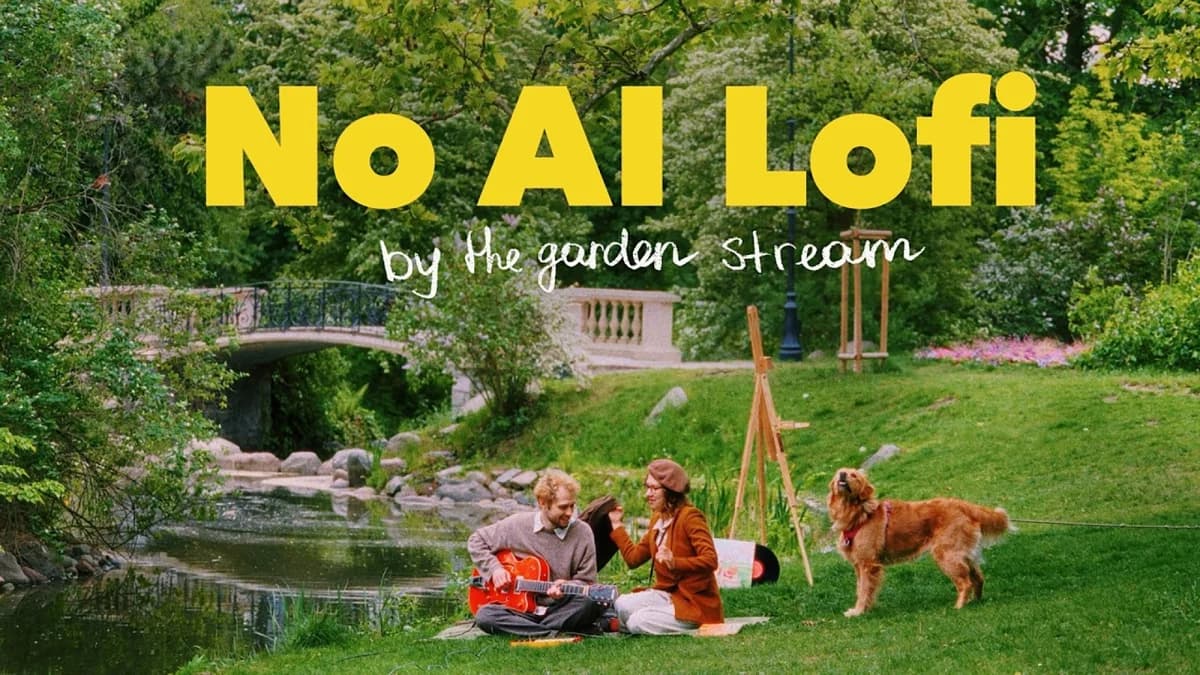
Rather than searching each time and hoping for the best, build a list of verified human channels. Here are starting points:
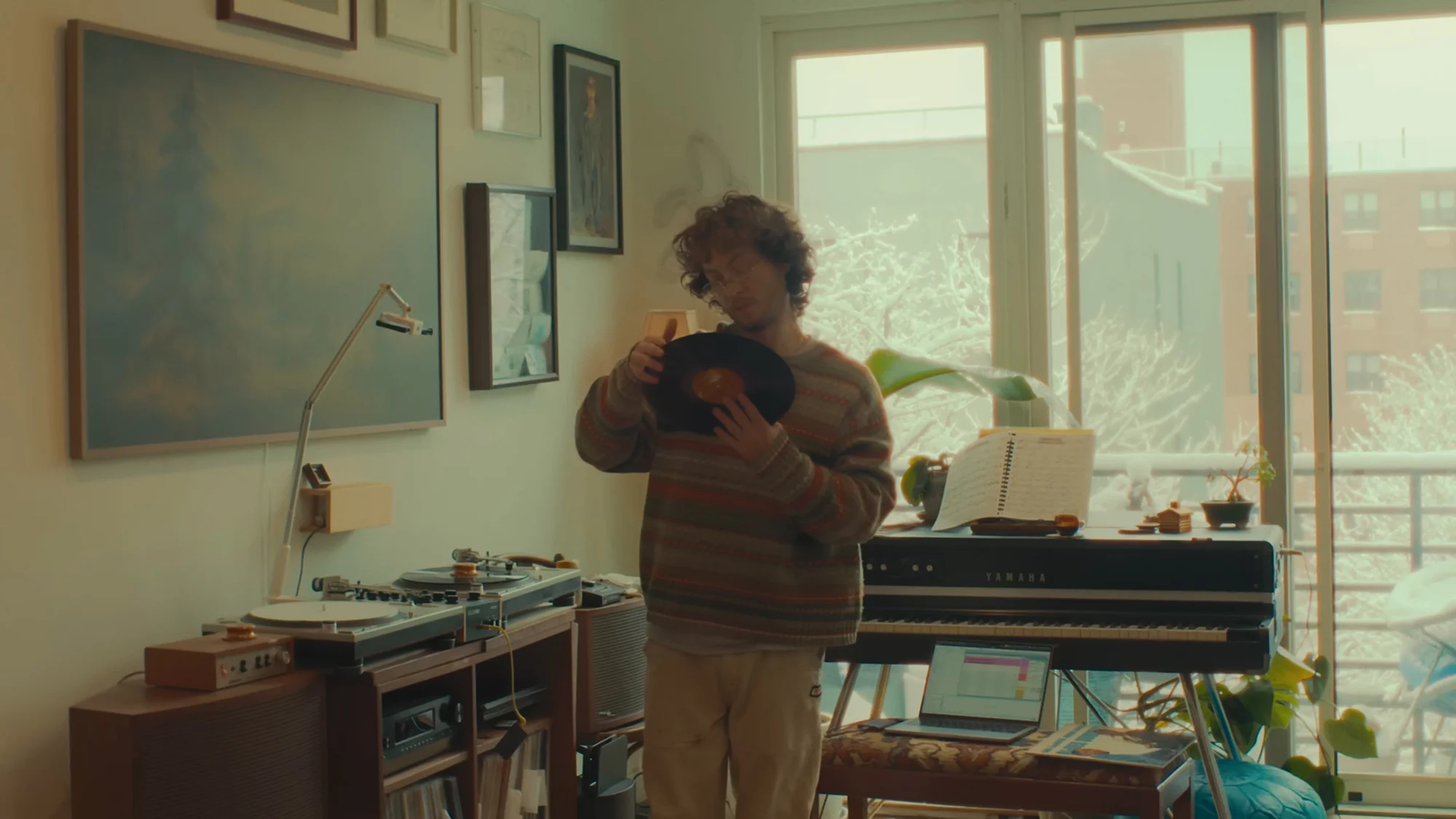
Look for curator channels that explicitly verify the human origin of music before featuring it. Community-led efforts on Reddit (r/lofihiphop) and HackerNews maintain manual lists of authentic creators. These lists take effort to maintain, but they're the most reliable filter against synthetic content.
The Cat-and-Mouse Reality
Blocking specific AI channels doesn't help much. Block one, and ten more appear with similar names and content. The generation cost is near zero. The detection cost is not.
This is the fundamental asymmetry. Creating synthetic content takes seconds. Verifying authenticity takes research. The economics favor slop.
Your best strategy is proactive curation, not reactive blocking. Build your playlist of verified channels. Subscribe so they appear in your feed. Stop relying on search and recommendations for background music.
Beyond YouTube: Alternatives
If the YouTube situation becomes too frustrating, consider these alternatives for work background audio:
- Bandcamp: Artists upload directly, and you can verify their identity and production history
- Spotify's editorial playlists: Curated by humans with some verification of artist authenticity
- Internet radio stations: Many have been running for years with established reputations
- Direct artist streams: Some producers stream their work sessions live
None of these are immune to AI infiltration, but they currently have lower synthetic saturation than YouTube's recommendation system.
Another look at stepping away from algorithmic convenience
Logicity's Take
Frequently Asked Questions
How can I tell if a YouTube music channel uses AI?
Check for red flags: AI-style thumbnails, no credited artists, high upload frequency, missing social media presence, and generic channel names. Real channels typically have verifiable artist profiles and human-paced upload schedules.
Does YouTube label AI-generated music?
YouTube has added a 'How this content was made' disclosure on some videos, but it relies on creator self-reporting, platform detection tools, or embedded watermarks. None of these methods catch all synthetic content.
Why does AI music flood YouTube recommendations?
The algorithm rewards consistency and length. AI can generate dozens of multi-hour mixes per week at near-zero cost. Human creators can't match that volume, so synthetic content dominates discovery.
What are alternatives to YouTube for background music?
Bandcamp, Spotify editorial playlists, established internet radio stations, and direct artist streams typically have lower AI saturation. Building a curated playlist of verified channels also helps.
Does blocking AI channels on YouTube help?
Not much. New channels with similar content appear constantly because generation costs are near zero. Proactive curation of verified channels works better than reactive blocking.
Need Help Implementing This?
Source: Lifehacker
Huma Shazia
Senior AI & Tech Writer
Produced with AI assistance and reviewed by the Logicity editorial team. Learn more in our Editorial Policy.