Key Takeaways
- Elite weightlifters time their movements to catch barbell recoil, gaining mechanical advantage
- Higher weight loads unexpectedly increase bending frequency in barbells
- The research could influence how competition barbells are designed and evaluated
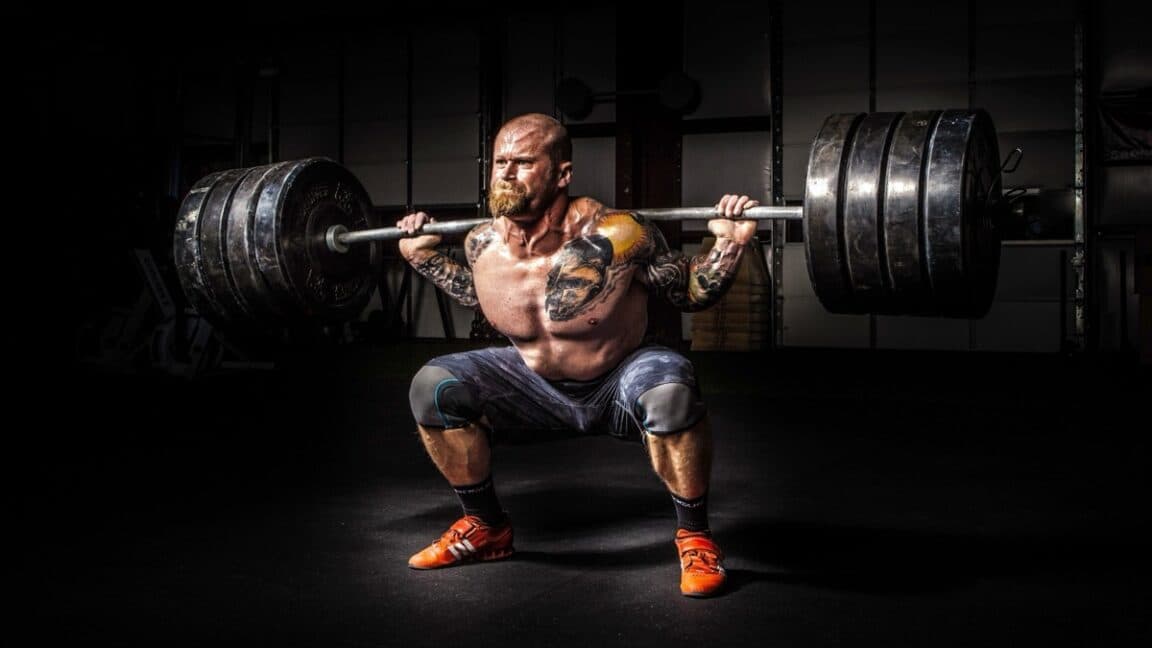
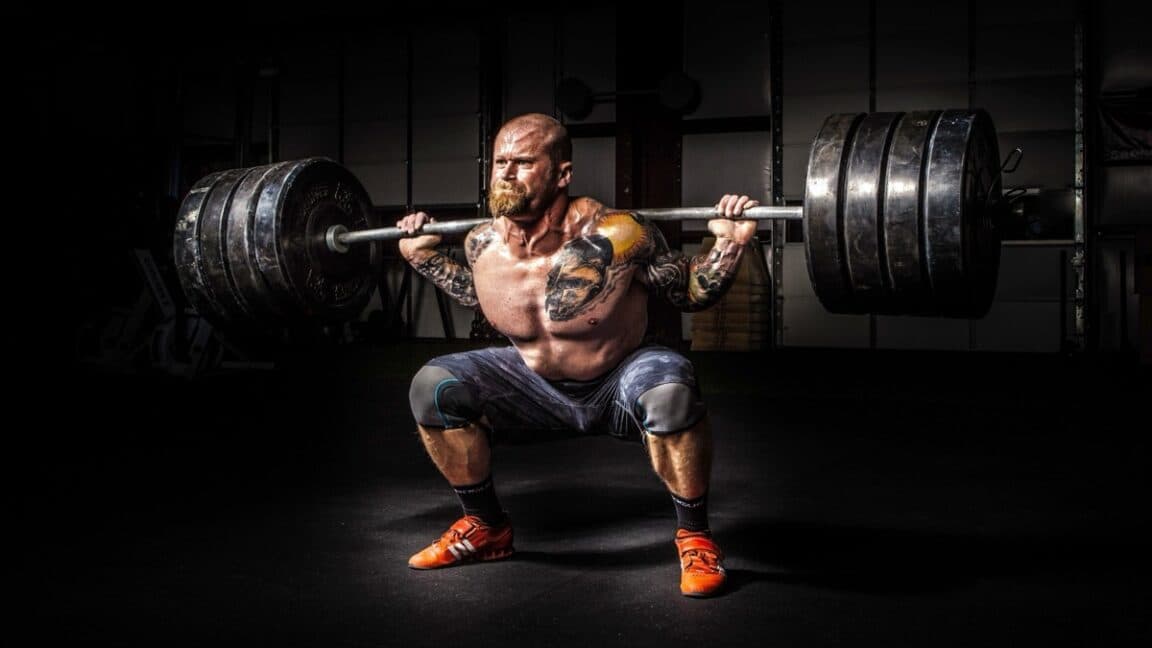
When elite weightlifters dip under a loaded barbell, they're not just fighting gravity. They're riding a wave. The bar bends, stores energy, and snaps back. Time it right, and you get free momentum. Miss it, and the weight fights you.
This phenomenon, called 'whip' by athletes and 'flexural bending' by physicists, has been part of weightlifting lore for decades. Now researchers at Pennsylvania State University have quantified exactly how it works. Their findings, presented at this week's Acoustical Society of America meeting in Philadelphia, reveal some surprises about barbell behavior under load.
The Science Behind the Snap
Joshua Langlois, a Penn State graduate student who competes in Strongman competitions, heard about the whip from friends who compete at the national level in Olympic weightlifting.
“They told me how they use the whip. When they dip down, they can feel when the bar flexes back up and use that to accelerate the movement upward to increase the amount they can lift.”
— Joshua Langlois, Penn State graduate student
Olympic weightlifting involves three basic movements: the snatch, the clean, and the jerk. The clean and jerk are performed in combination. In each lift, the barbell bends and recoils as the athlete applies force. Elite lifters have learned to feel this oscillation and time their movements to catch the upward rebound.
Langlois wanted to move beyond intuition. He set out to perform a modal analysis, measuring exactly how barbells move and vibrate under different conditions.
The Experiment
The setup was straightforward but precise. Langlois suspended four 20-kg men's barbells from elastic resistance bands, allowing each bar to float freely in space. Women's competition barbells weigh 15 kg, but this study focused on men's equipment.
Each bar was loaded with 50 kg on each end. Accelerometers attached to both ends of the bar measured vibrations at the points where mode patterns occur. Langlois then tapped set locations across the bar with a small hammer, recording the acceleration data to map how the bars responded.
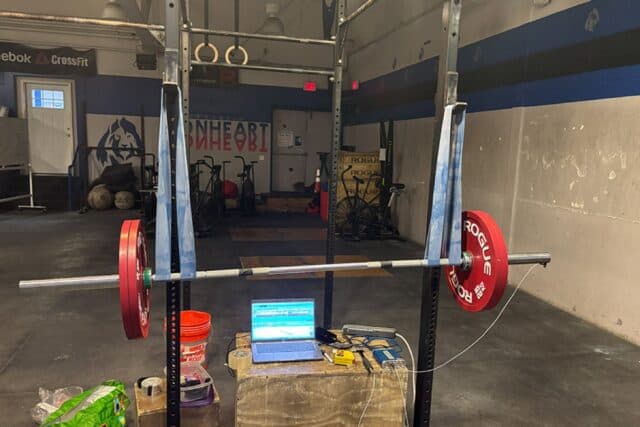
He compared vibrations between different barbells and tracked how a single barbell's behavior changed with different weight loads.
Expected Results and a Surprise
Some findings matched predictions. A bar's standard motion has higher frequency without sleeves than with them. The sleeves are the outer, thicker portions that hold the weight plates and rotate independently from the central shaft. Adding mass to the ends of any bar typically decreases oscillation rate and shifts the nodes, the points where the bar stays stationary.
The unexpected result came when Langlois examined higher bending modes. At higher loads, the frequency increased rather than decreased.
“The bar becomes more fixed so the actual wavelength of the bar is less. With a set wave speed, wavelength is inversely proportional to the rate of oscillation, so we get a higher frequency. This is something we did not foresee happening. So the barbell is likely to matter.”
— Joshua Langlois, Penn State graduate student
Put simply: heavier loads make the bar vibrate faster in certain modes. This contradicts the intuition that more weight should slow everything down.
Why This Matters for Competition
At the elite level, athletes seek every possible advantage. Understanding the physics of whip could help lifters better calibrate their timing. It could also influence how equipment manufacturers design barbells and how competition organizers select them.
Different barbells have different whip characteristics. A bar that feels ideal at 100 kg might behave differently at 150 kg. Knowing that frequency actually increases under heavier loads in certain modes changes the calculation.
The finding that 'the barbell is likely to matter' suggests equipment standardization may be more important than previously understood. Small differences between competition bars could translate to measurable advantages or disadvantages.
From Lab to Platform
This research sits at the intersection of acoustics, materials science, and sports biomechanics. Modal analysis is typically used to study structural vibrations in buildings or machinery. Applying it to athletic equipment opens new avenues for understanding human performance.
The next steps might include studying how lifters actually interact with these vibrations in real time. Laboratory measurements tell us what the bar does in isolation. Competition footage and motion capture could reveal how athletes exploit, or fail to exploit, these properties.

Logicity's Take
Frequently Asked Questions
What is barbell whip in weightlifting?
Whip refers to how a barbell bends and recoils when loaded with weight and subjected to force. Elite lifters time their movements to catch this rebound, gaining mechanical advantage.
How do Olympic weightlifters use barbell flex to lift more?
When lifters dip down during a movement, the loaded bar flexes. As it snaps back upward, athletes who time their push correctly can use that rebound energy to accelerate the weight.
Does the weight on a barbell change how it vibrates?
Yes. Penn State research found that while basic oscillation slows with added weight, higher bending modes actually increase in frequency under heavier loads.
What is modal analysis in sports equipment research?
Modal analysis measures how an object moves or vibrates. Researchers tap the object at set points and measure acceleration to map its response patterns.
Do different barbells have different whip characteristics?
Yes. The Penn State study compared multiple barbells and found variations in their vibrational properties, suggesting equipment selection could affect performance.
Need Help Implementing This?
Source: Ars Technica
Manaal Khan
Tech & Innovation Writer
Produced with AI assistance and reviewed by the Logicity editorial team. Learn more in our Editorial Policy.