Key Takeaways
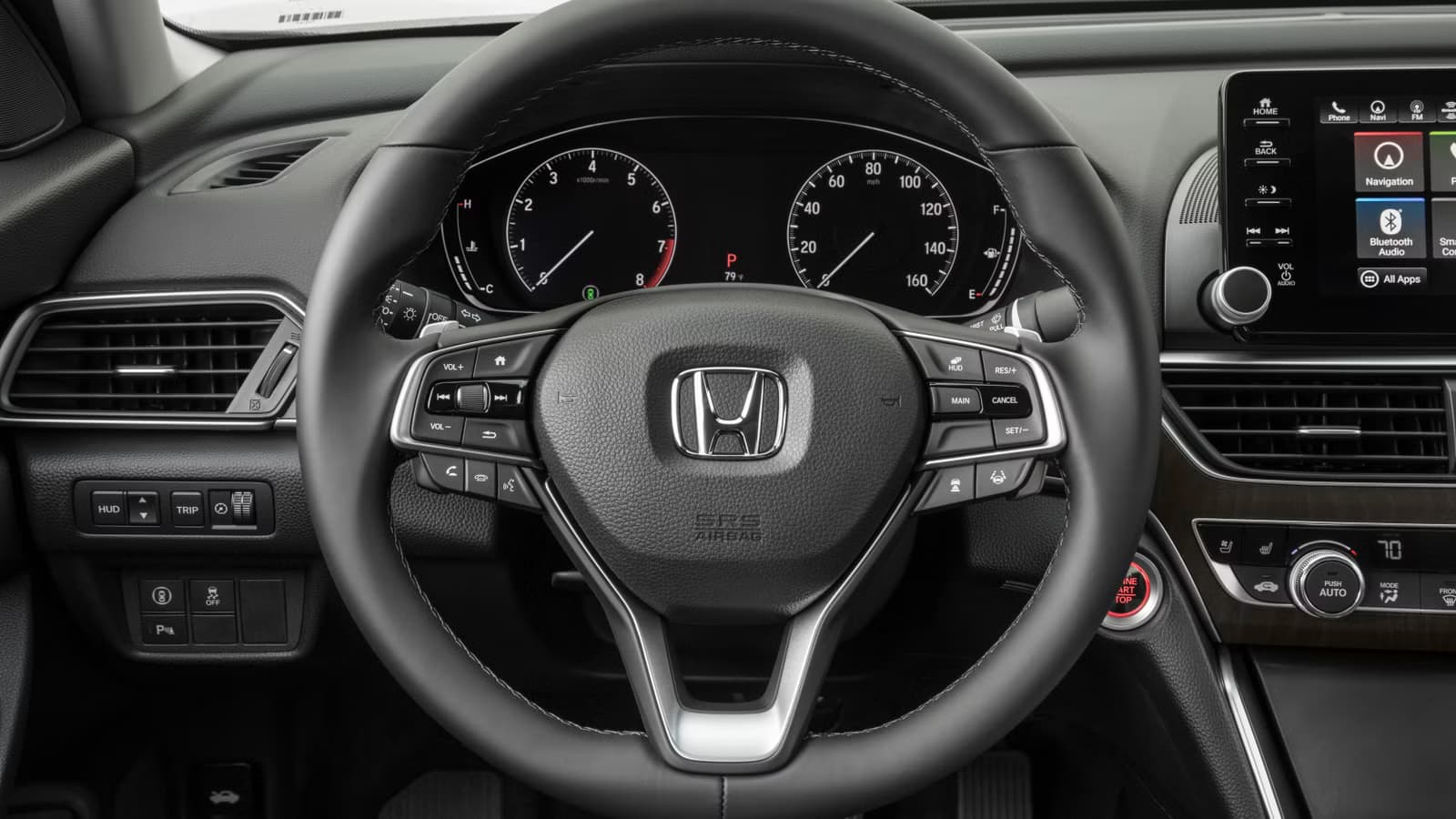
- Nearly 100,000 Honda and Acura vehicles from 2016-2026 are recalled due to a defective occupant classification sensor
- A cracked capacitor can cause front airbags to deploy at full force even when a child seat is detected
- Owners can check their VIN at NHTSA.gov to see if their vehicle is affected
American Honda Motor Co. has issued a safety recall affecting nearly 100,000 vehicles across its Honda and Acura brands. The problem: a defective component in the front passenger seat can cause airbags to deploy at full force during a crash, even when a child or infant seat occupies that position.
The recall covers 23 model-and-year combinations spanning 2016 through 2026. If you drive an Accord, Civic, CR-V, Pilot, Odyssey, or several other popular models, checking your VIN should take priority.
What's wrong with the occupant classification system?
Modern vehicles use weight sensors embedded in the front passenger seat cushion to determine who, or what, is sitting there. When the sensor detects the weight of an infant in a child seat, a toddler, or a small animal, it disables the passenger-side frontal and knee airbags. This prevents a full-force deployment from injuring smaller occupants.
In the affected Honda and Acura vehicles, a capacitor on the weight sensor's printed circuit board can crack over time when exposed to humidity. That crack creates an internal short circuit, causing the system to fail. The airbag suppression no longer works. In a collision, the front passenger airbags deploy at full force regardless of who sits there.
According to Honda's report to federal regulators, the defect traces back to a natural disaster at a secondary supplier facility. The primary supplier switched the base material used for the printed circuit boards without adequate testing. The substitute material subjected the board to excessive physical strain, eventually causing the capacitor to crack.
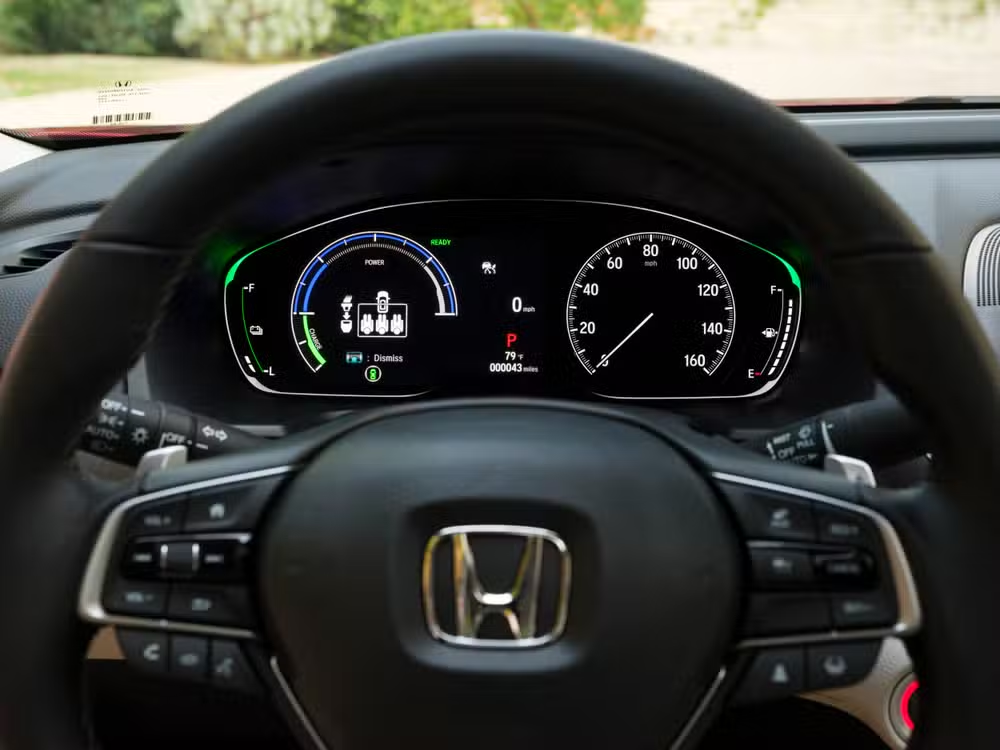
Which Honda and Acura models are affected?
The recall spans a wide range of sedans, SUVs, trucks, and minivans. Here's the full list of affected vehicles:
- Honda Civic: 2016–2022 (Sedan), 2016–2020 (Coupe), 2017–2021 (Hatchback)
- Honda Civic Type R: 2017–2018, 2021
- Honda Accord: 2016–2022
- Honda Accord Hybrid: 2017–2022
- Honda CR-V: 2017–2022
- Honda CR-V Hybrid: 2020–2022
- Honda Odyssey: 2018–2026
- Honda Pilot: 2017–2022
- Honda Ridgeline: 2017–2021 (plus single 2023 and 2025 units due to a service part tracking error)
- Honda HR-V: 2019–2021
This recall expands a previous 2024 seat sensor recall. Honda widened the scope after discovering data gaps and tracking errors from the supplier regarding when the defective components were used.
How to check if your vehicle is affected
The fastest way to find pending recalls for your Honda or Acura is through the free database maintained by NHTSA at NHTSA.gov/recalls. Enter your 17-character VIN to see everything specific to your vehicle.
You can find your VIN in one of three places: near the lower portion of your windshield and dashboard on the driver's side, on your registration card, or on your insurance card.
Honda's action is part of a broader wave of recalls hitting multiple automakers in June 2026. If you own any vehicle, not just a Honda, periodic VIN checks have become standard maintenance.
What happens next for affected owners?
Honda will notify affected owners by mail with instructions to schedule a dealer appointment. The repair, which involves replacing the defective seat sensor component, will be performed at no cost.
Until the fix is applied, Honda recommends that owners avoid placing children or infant seats in the front passenger position. Adult passengers face lower risk since the airbag force is calibrated for full-size occupants.
Logicity's Take
This recall highlights how deeply automotive supply chains depend on secondary and tertiary suppliers that OEMs may not directly audit. A natural disaster, a material substitution, and insufficient testing created a defect that took years to surface. For fleet operators and families with multiple Honda vehicles, the lesson is clear: VIN checks should happen quarterly, not just when a recall notice arrives in the mail.
Frequently Asked Questions
How do I know if my Honda is part of the airbag recall?
Enter your 17-character VIN at NHTSA.gov/recalls to see all open recalls for your specific vehicle. Your VIN is located on the driver's side dashboard near the windshield, or on your registration or insurance card.
Is the Honda airbag recall related to the Takata recall?
No. This recall involves a seat sensor defect that prevents proper airbag suppression for small occupants. The Takata crisis involved inflator ruptures that could send metal shrapnel into the cabin.
Will Honda pay for the airbag sensor repair?
Yes. All safety recall repairs are performed at authorized dealers at no cost to the owner.
Can I still drive my Honda while waiting for the recall repair?
Yes, but Honda recommends keeping children and infant seats out of the front passenger position until the sensor is replaced.
Which Honda models are included in the 2026 airbag recall?
The recall covers the Civic, Accord, CR-V, Pilot, Odyssey, Ridgeline, and HR-V from model years 2016 through 2026, depending on the specific model.
Need Help Implementing This?
Logicity covers automotive technology, safety recalls, and industry trends for professionals who need to stay informed. Subscribe to our newsletter for weekly updates on stories that affect your business and your commute.
Source: How-To Geek
Huma Shazia
Senior AI & Tech Writer
Produced with AI assistance and reviewed by the Logicity editorial team. Learn more in our Editorial Policy.