Key Takeaways
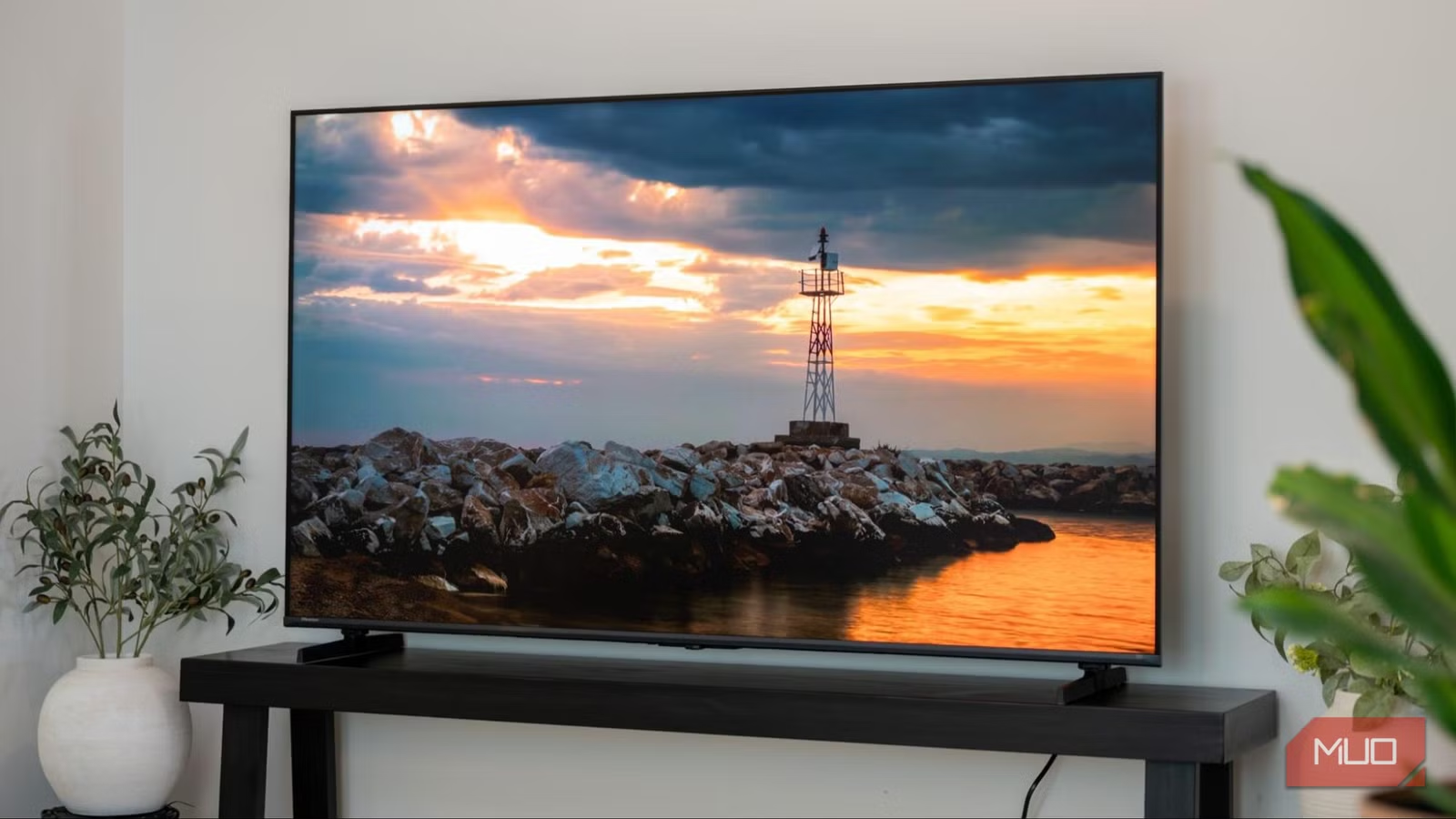
- The U6SF Pro offers Mini-LED backlighting with 600+ dimming zones and 1,200 nits peak brightness at mid-range pricing
- 144Hz refresh rate, VRR, and HDMI 2.1 make it a serious option for console and PC gamers
- Hisense now holds 29.3% global volume share in Mini-LED TVs, making it the segment leader
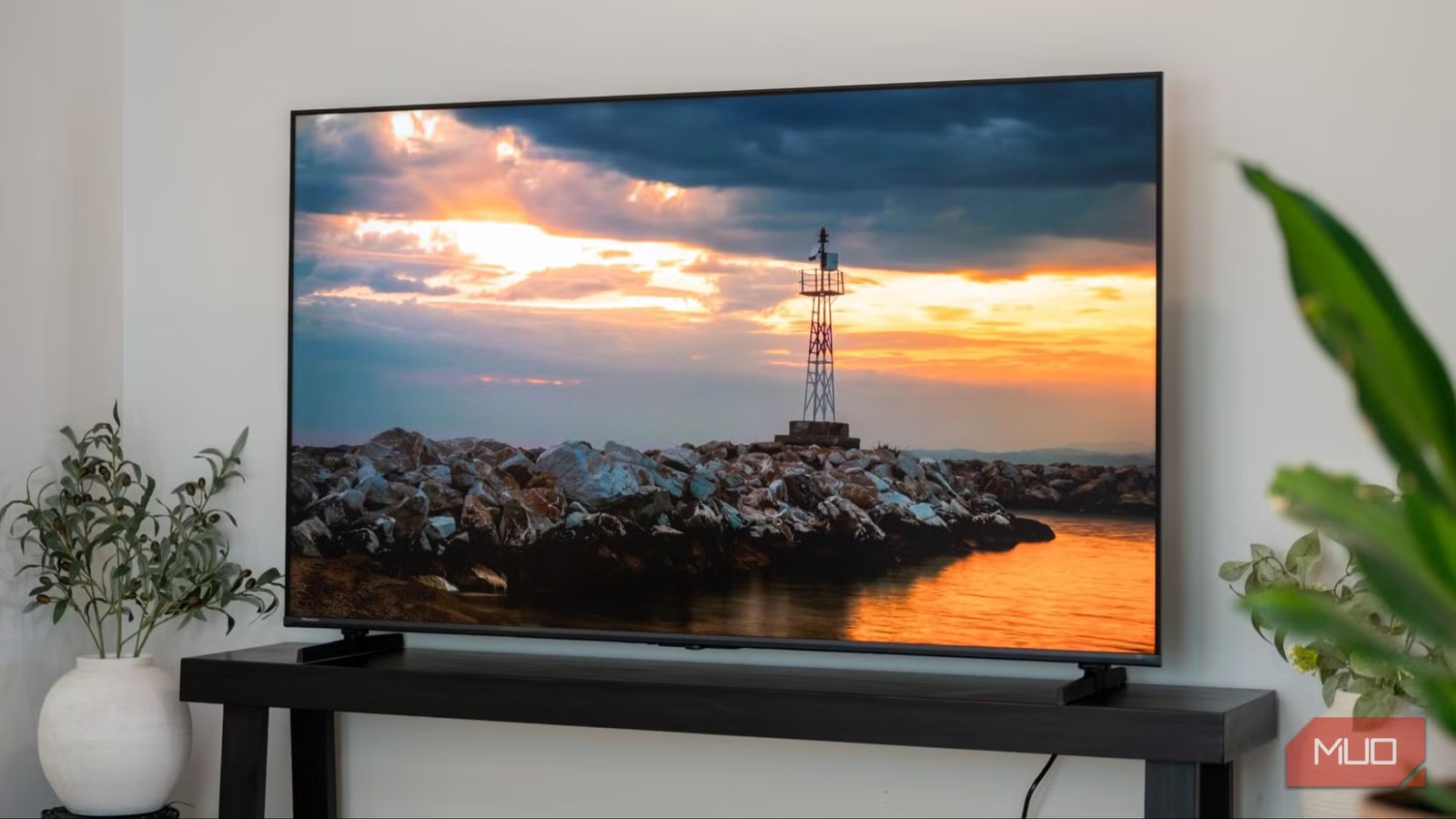
Hisense's U6SF Pro packages Mini-LED backlighting, a 144Hz panel, and Dolby Atmos audio into a TV priced for the mid-range market. The set delivers specifications that belonged exclusively to $2,000+ flagship models two years ago. For buyers who want high contrast and gaming-ready refresh rates without paying flagship prices, this is the clearest signal yet that Mini-LED has completed its trickle-down journey.
What does the U6SF Pro actually deliver?
The core pitch is Mini-LED. Instead of a few dozen backlight zones controlling brightness and contrast, the U6SF Pro uses Hisense's Hi-QLED Mini-LED system with over 600 local dimming zones. Each zone can be dimmed or brightened independently, which gets you closer to OLED-style black levels without the burn-in risk or the price tag.
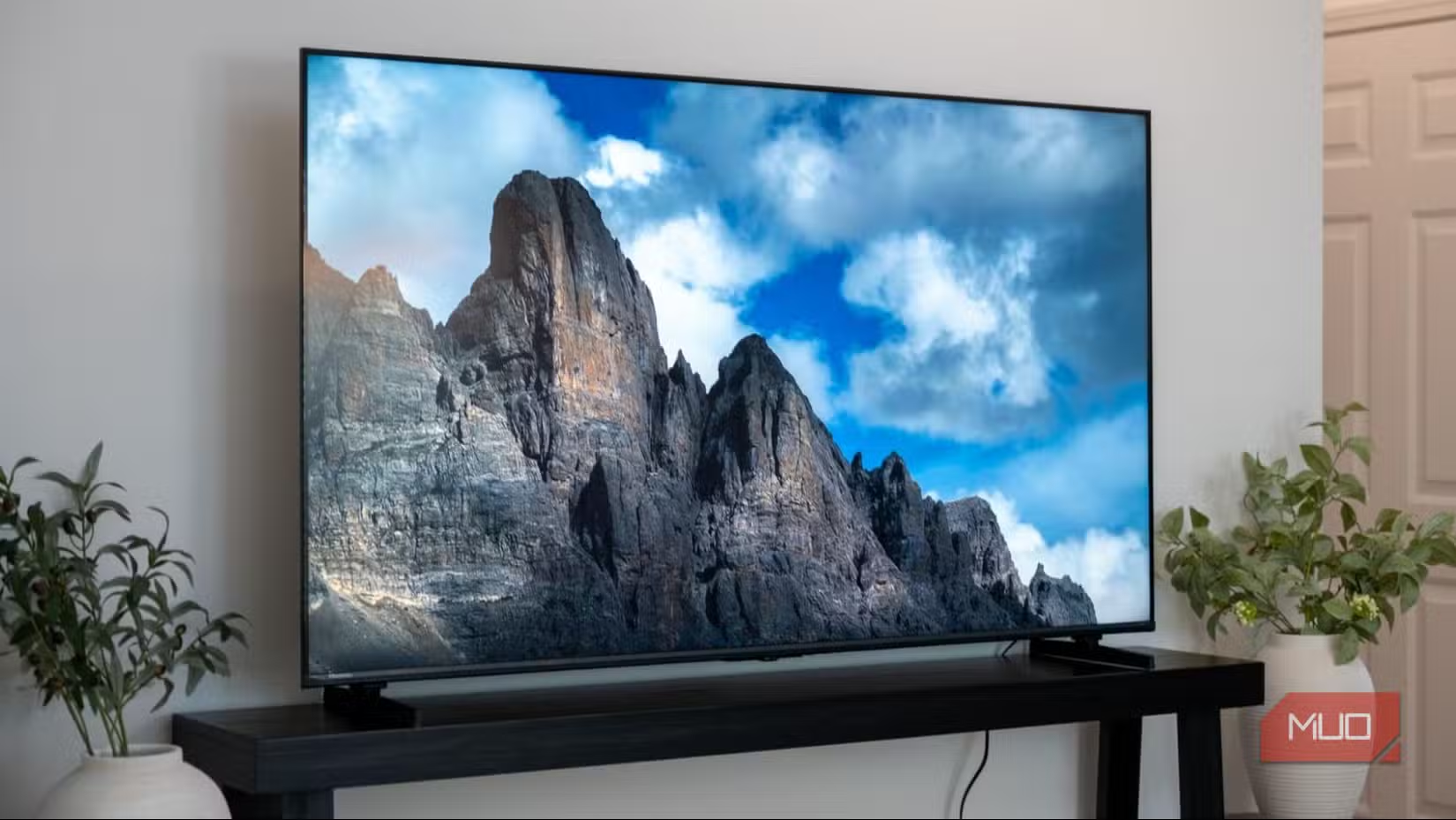
Peak brightness hits 1,200 nits depending on screen size. That's bright enough for HDR content to pop in a sunlit room, not just a blacked-out home theater. The set supports Pantone Validated color, which Hisense claims produces more accurate skin tones and natural landscapes.
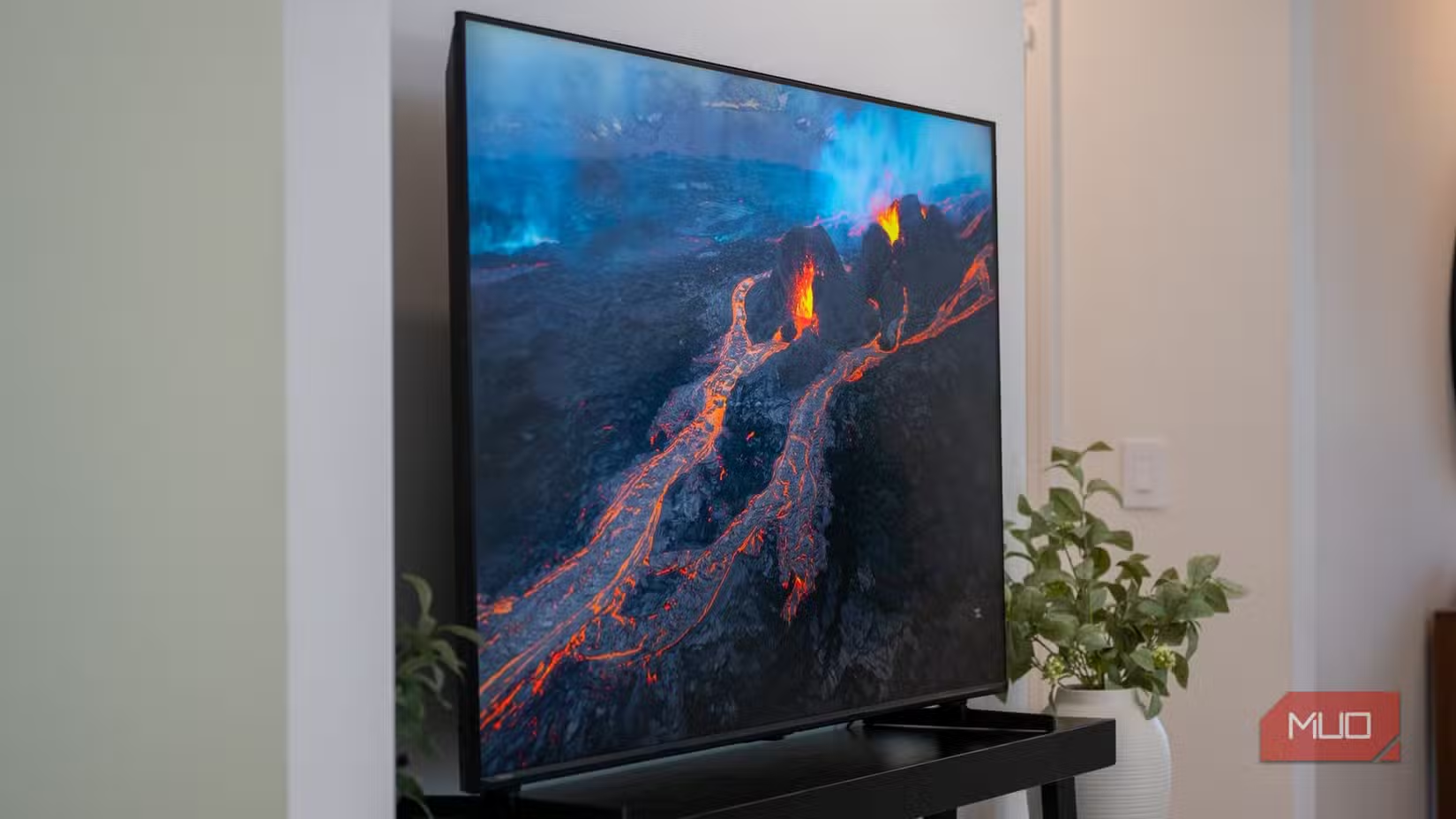
Mini-LED isn't perfect. The technology still suffers from "bloom," a halo effect visible when bright objects sit against dark backgrounds. Hisense addresses this with AI-driven local dimming through its Hi-View AI Engine. The processor adjusts brightness, contrast, and color frame-by-frame. Whether this fully eliminates bloom depends on the content, but the system reduces the manual tweaking that mid-range TVs typically require.
How does it handle glare in real living rooms?
A TV that looks stunning in a dark showroom can turn into a mirror once you put it in a bright apartment. The U6SF Pro uses anti-reflection and glare-free coatings that Hisense says significantly reduce light interference. This matters more than spec sheets suggest. Shadow detail in dark scenes stays visible even when afternoon sun hits the screen.
Anti-glare tech rarely makes headlines, but it determines whether a TV performs well in the actual conditions it will live in most of the time. Hisense has quietly prioritized this across its lineup.
Is the 144Hz panel worth it for gaming?
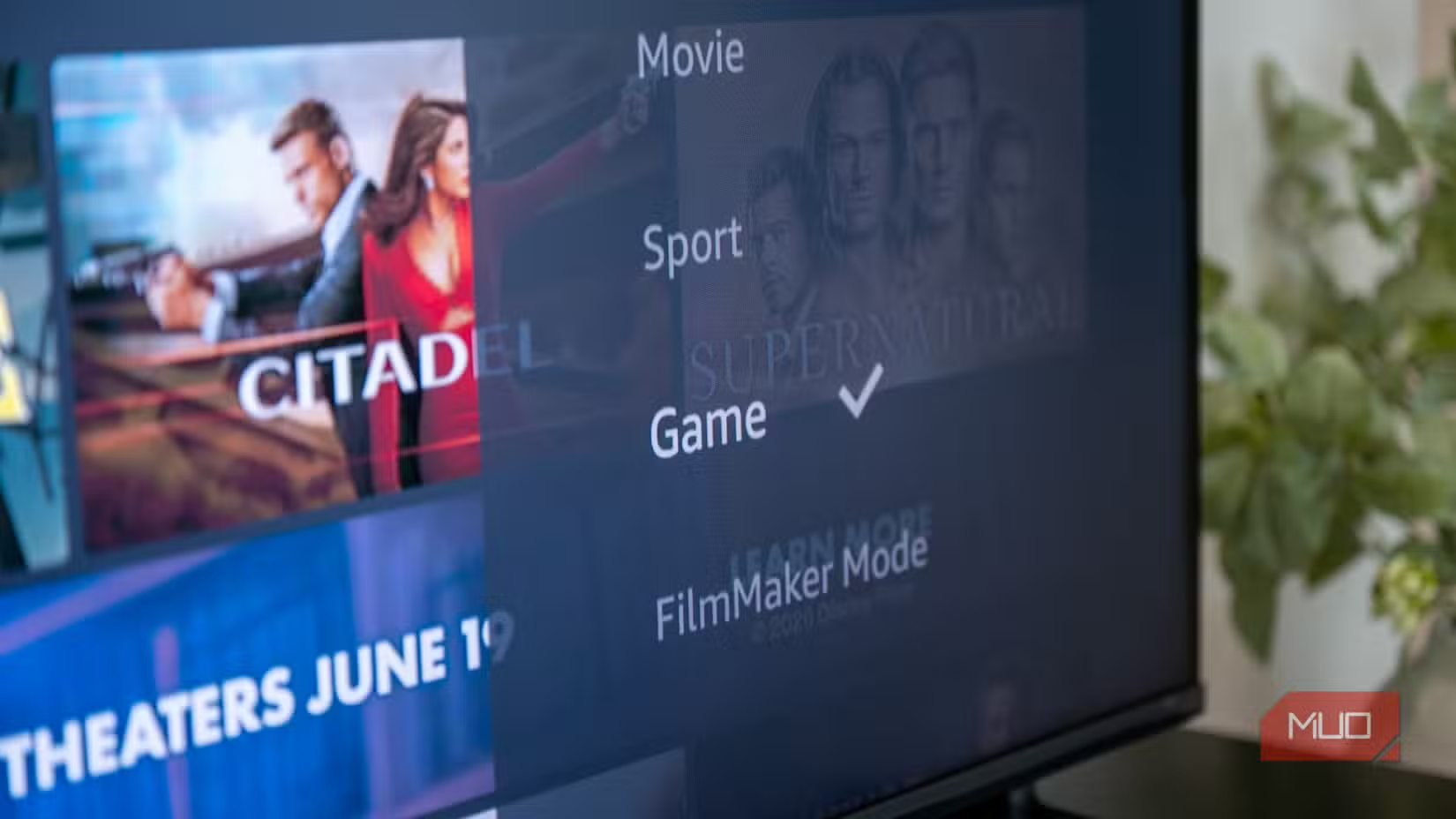
The PS5 and Xbox Series X launched supporting 120Hz output, VRR, and HDMI 2.1. At the time, TVs with all three features cost a small fortune. Five years later, the U6SF Pro includes all of them as standard.
The native 144Hz refresh rate exceeds what current consoles output, but PC gamers running a capable GPU will use the extra headroom. Variable Refresh Rate and AMD FreeSync Premium Pro support eliminate screen tearing. HDMI 2.1 handles the bandwidth requirements. Input latency drops to levels that used to require a dedicated gaming monitor.
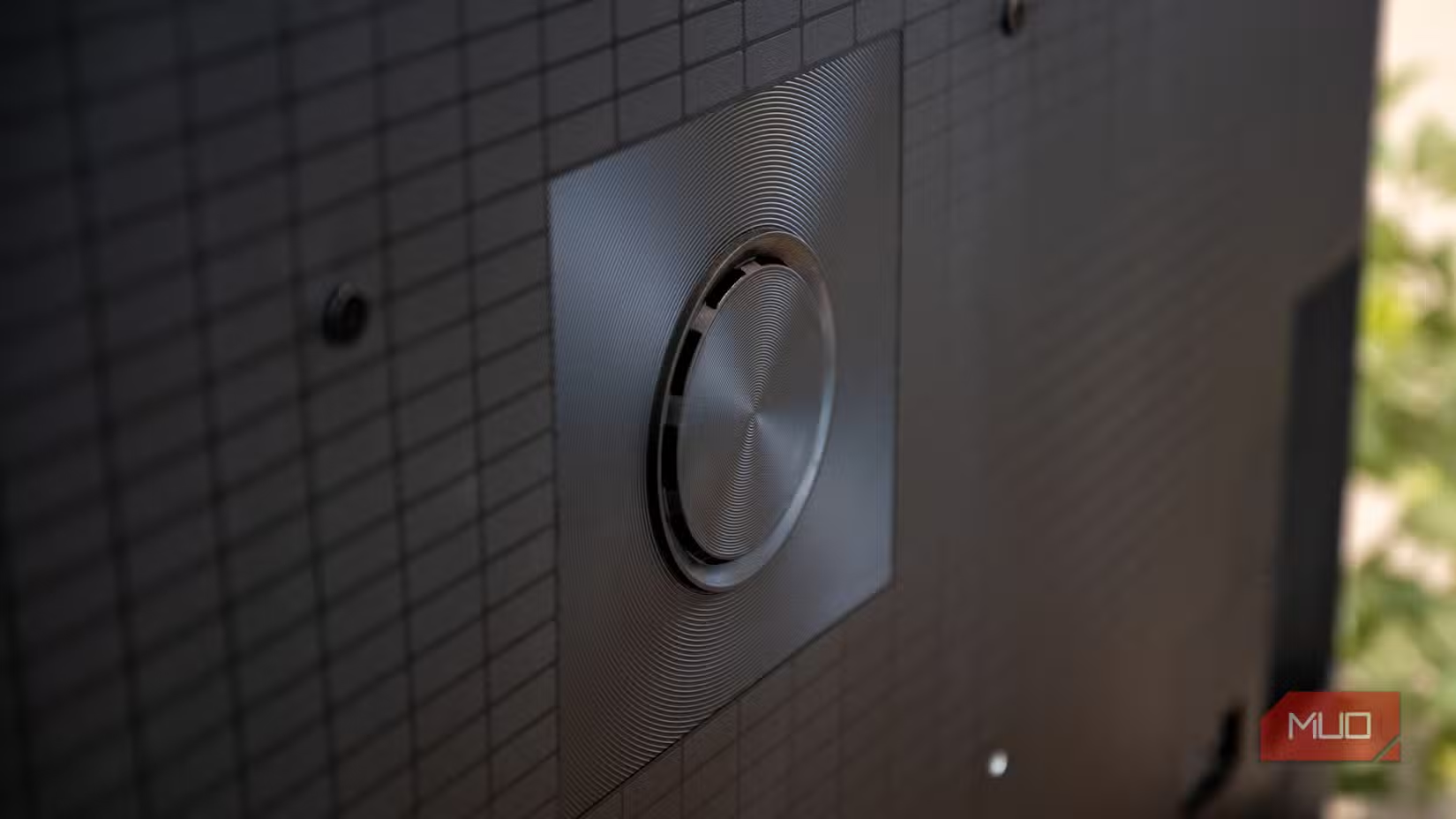
Reddit's r/4kTV community currently calls the U6SF Pro the "performance-to-value sweet spot" for 2026. Users note some bloom in very dark rooms and viewing angle limitations typical of VA panels, but the consensus is that gamers get flagship-adjacent performance at mid-range cost.
Another look at premium tech reaching budget price points
What's Hisense's position in the Mini-LED market?
Hisense now controls 29.3% of global Mini-LED TV volume as of Q1 2025. That's the top position in the segment. Mini-LED shipments surged 157% year-over-year for Hisense in mid-2024, and the company also leads the 100-inch-plus ultra-large TV category with 57.1% global shipment share.
The company's strategy is clear: take flagship technology, optimize manufacturing, and undercut competitors on price while maintaining performance. The U6SF Pro is the latest result of that approach.
Who should buy the U6SF Pro?
If you want OLED-like contrast without burn-in anxiety or the $1,500+ price, the U6SF Pro makes the shortlist. Gamers running PS5, Xbox Series X, or a mid-to-high-end PC get features that mattered only to enthusiasts two years ago. Movie watchers in bright rooms benefit from the anti-glare treatment and HDR brightness.
The compromises are real. VA panels have narrower viewing angles than IPS or OLED. Bloom won't fully disappear in very dark scenes. Built-in speakers, despite Dolby Atmos support, won't replace a soundbar for serious audio. But at this price point, those trade-offs look reasonable.
Logicity's Take
Hisense's bet on Mini-LED at aggressive price points has paid off. The U6SF Pro doesn't just democratize flagship specs, it forces competitors to either match the value or justify their premiums. For most buyers, 'good enough' Mini-LED at $800 beats 'perfect' OLED at $2,000. The question is whether Samsung and LG respond with price cuts or cede the mid-range entirely.
Frequently Asked Questions
How many local dimming zones does the Hisense U6SF Pro have?
The U6SF Pro includes 600+ local dimming zones, which enable precise backlight control for improved contrast and deeper blacks compared to traditional LED TVs.
Is the Hisense U6SF Pro good for PS5 and Xbox gaming?
Yes. The TV supports 144Hz refresh rate, HDMI 2.1, VRR, and AMD FreeSync Premium Pro. These features eliminate screen tearing and reduce input lag for smoother gameplay on current-gen consoles.
What is Mini-LED bloom and does the U6SF Pro have it?
Bloom is a halo effect around bright objects on dark backgrounds, common in Mini-LED TVs. The U6SF Pro reduces bloom through AI-driven local dimming, though some effect may still be visible in very dark scenes.
How bright is the Hisense U6SF Pro?
Peak brightness reaches up to 1,200 nits depending on screen size. This makes HDR content visible even in bright rooms and improves highlight detail in movies and games.
Does the Hisense U6SF Pro work well in bright rooms?
The TV includes anti-reflection and glare-free coatings that reduce light interference, maintaining picture quality in typical living room conditions with ambient light.
Need Help Implementing This?
Looking for guidance on building your home theater setup or choosing between TV technologies? Reach out to the Logicity team for recommendations tailored to your space and use case.
Source: MakeUseOf
Huma Shazia
Senior AI & Tech Writer
Produced with AI assistance and reviewed by the Logicity editorial team. Learn more in our Editorial Policy.