Key Takeaways
Google Ai Studio FREE UNLIMITED Image Generator is HERE! | Full Course
- Google Search will generate AI images free using its Nano Banana model when you can't find what you need
- Image creation happens inside AI Overviews, no separate tool required
- Google Images gets a makeover with real-time updates and easier collection management
Google is adding free AI image generation directly into Search. When your image query doesn't return what you need, your search term becomes a text prompt, and Google's Nano Banana model creates the image on the spot. The feature rolls out in English over the coming weeks inside AI Overviews.
This moves Google into direct competition with standalone AI image generators like Midjourney, DALL-E, and Adobe Firefly. The difference: no separate subscription, no new interface to learn. You search, you don't find it, you generate it. All within the same page.
How does Google's AI image generation work?
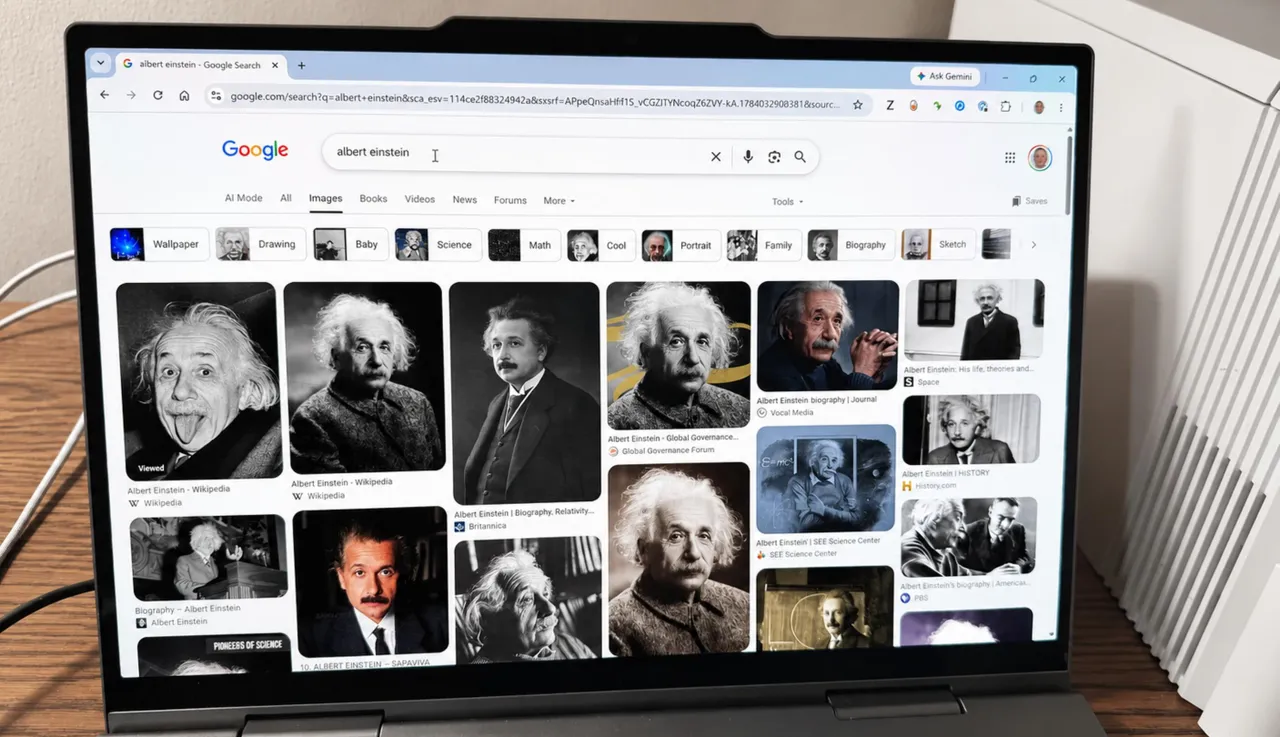
The process starts like any Google Images search. Type what you're looking for. If the results don't match your vision, your search term automatically becomes a text prompt for image generation. Google's Nano Banana model then produces the image directly inside the AI Overviews panel.
"Sometimes, the perfect image is out there on the web, waiting to be found," Google said in a blog post. "But other times, you might have a highly specific vision where an image doesn't yet exist. To help bring those unique ideas to life, we're bringing image generation directly into AI Overviews in Search."
You don't leave your search results. You don't open a new tab. The generation happens in place. For anyone who's bounced between Google Images and a separate AI tool, that friction removal matters.
Who gets access and when?
The rollout starts in English "over the coming weeks." Any region that currently supports image creation in Google's AI mode will get the same capability in AI Overviews. Google hasn't published a specific country list, but US users typically see these features first.
No premium tier. No Labs signup. Just your existing Google account. That's a meaningful wedge against paid tools. Midjourney starts at $10/month. DALL-E requires ChatGPT Plus at $20/month for the best model. Adobe Firefly needs a Creative Cloud subscription. Google's version is free.
Google Images gets a visual overhaul too
Alongside the AI generation feature, Google Images itself is changing. The gallery becomes "more dynamic," updating in real time and tailoring results to your interests. Collections you've saved now appear as tabs above the main gallery, so you can switch between saved images and live search results faster.
This redesign rolls out to Google Images on desktop in the US, in English, over the same timeframe. You'll need to be signed into your Google account to use it.
The timing isn't accidental. Google Images just turned 25. The service launched in July 2001, famously created because of overwhelming demand for images of Jennifer Lopez's green Versace dress at the 2000 Grammys. Two and a half decades later, Google's answer to "we don't have that image" is no longer "sorry." It's "let's make it."
What this means for content teams and marketers
If you're producing presentations, newsletters, social posts, or website content, the calculus just shifted. Stock photo subscriptions cost money. AI image tools cost money. Google's offering costs nothing, and it's embedded in a workflow you already use.
The quality question remains open. Google hasn't published benchmarks for Nano Banana against Midjourney or DALL-E 3. For quick internal decks or social media graphics, "good enough" often wins over "best available." For brand work or commercial use, licensing terms will matter. Google hasn't detailed those yet.
Teams already using tools like Notion or ClickUp for content workflows may find this fits naturally. Search for reference images, generate what's missing, drop them into your project. The fewer tabs, the faster the work.
Disclosure
Some links in this post are affiliate links — Logicity earns a commission if you sign up, at no extra cost to you. We only link products we have used or actively recommend.
Logicity's Take
Google's move is less about AI image quality and more about distribution. Midjourney has roughly 20 million users. Google Search has over 8 billion queries daily. By embedding generation into search, Google makes AI imagery a default behavior, not an opt-in tool. For enterprise teams, watch the licensing terms closely before using these images commercially. Free doesn't mean unrestricted. For quick internal work, this removes one more reason to pay for Midjourney ($10-60/month) or maintain a stock photo subscription.
Frequently Asked Questions
Is Google's AI image generation completely free?
Yes. The feature works within Google Search's AI Overviews with no subscription or payment required. You just need a Google account.
What AI model does Google use for image generation?
Google uses its Nano Banana model, though the company hasn't published detailed specifications or benchmarks comparing it to competitors.
When will Google AI image generation be available?
Google says the feature rolls out in English over the coming weeks. Regions that already support AI mode image creation will get access to AI Overviews generation.
Can I use Google-generated AI images commercially?
Google hasn't published detailed licensing terms yet. Check the terms of service before using generated images for commercial purposes.
How is this different from using Midjourney or DALL-E?
The main difference is integration and price. Google's version is free and works inside Search. Midjourney and DALL-E require separate accounts and paid subscriptions for full access.
Context on the broader AI model competition Google is entering
Need Help Implementing This?
Want guidance on integrating AI image tools into your content workflow? Reach out to the Logicity team for tailored recommendations.
Source: Latest news
Manaal Khan
Tech & Innovation Writer
Produced with AI assistance and reviewed by the Logicity editorial team. Learn more in our Editorial Policy.