Key Takeaways
iOS 27 - iPhone Support List
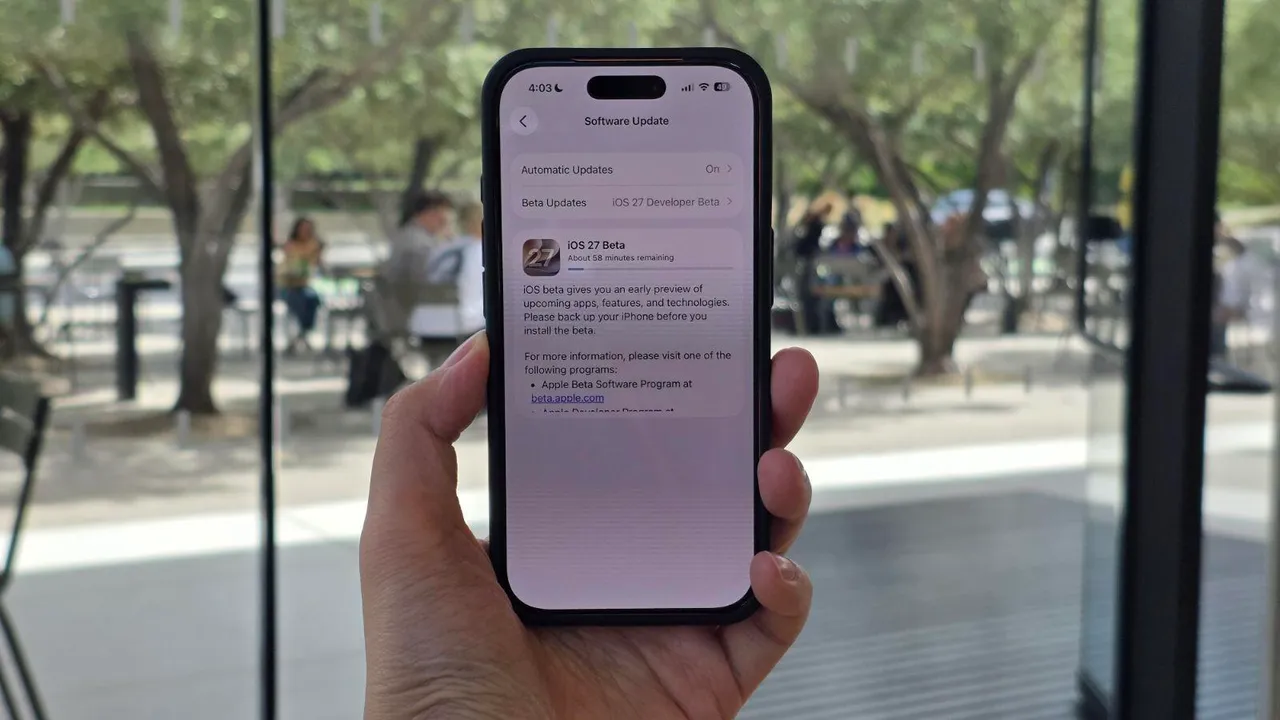
- iOS 27 supports iPhone 11 and newer, dropping iPhone XS, XR, and 2nd-gen SE after seven years
- Apple renamed its OS versions to calendar years, jumping from iOS 18 to iOS 26 and now iOS 27
- Public beta is available now; stable release expected September 2025
Apple's iOS 27 public beta is now available, and the company has confirmed which iPhones will receive the update this fall. The iPhone 11 series is now the oldest supported lineup. iPhone XS, XR, XS Max, and second-generation SE owners are out of luck after seven years of software updates.
The cutoff likely comes down to silicon. iOS 27's new features, particularly its AI and machine learning capabilities, require the A13 Bionic chip or newer. The iPhone XS lineup ran on the A12, and that's no longer enough horsepower.
Which iPhones support iOS 27?
Apple confirmed the following models can run the iOS 27 public beta. Expect the same list for the stable release in September:
- iPhone 17, 17 Air, 17 Pro, 17 Pro Max
- iPhone 16e, 16, 16 Plus, 16 Pro, 16 Pro Max
- iPhone 15, 15 Plus, 15 Pro, 15 Pro Max
- iPhone 14, 14 Plus, 14 Pro, 14 Pro Max
- iPhone 13, 13 mini, 13 Pro, 13 Pro Max
- iPhone 12, 12 mini, 12 Pro, 12 Pro Max
- iPhone SE (3rd generation or later)
- iPhone 11, 11 Pro, 11 Pro Max
That's six years of iPhone models, from the 2019 iPhone 11 through the 2025 iPhone 17 lineup. Apple continues to offer the longest software support window in the smartphone industry.
Why did Apple skip from iOS 18 to iOS 26?
Last year, Apple abandoned sequential version numbers. iOS jumped from 18 to 26, and now we're at iOS 27. The company aligned its operating systems with calendar years, similar to how car manufacturers name their models.
This wasn't a technical change. It was a branding move. Apple unified version numbers across iOS, macOS, watchOS, and the rest of its platforms. The software itself still follows the same annual update cycle.
Which iPhones are cut from iOS 27?
The following models cannot run iOS 27:
- iPhone X
- iPhone XR
- iPhone XS and XS Max
- iPhone SE (2nd generation)
- All earlier iPhone models
The iPhone XS, XR, and XS Max launched in 2018. Seven years of major OS updates is a long run by any standard. Android flagships from Samsung and Google typically promise four to seven years of updates, though many Android manufacturers offer less.
What to do if your iPhone won't get iOS 27
Your phone still works. It will continue receiving security patches for some time, though not indefinitely. But if you want the latest features, or you're concerned about long-term security, you have options.
Trade-ins are the most common path. Apple, Best Buy, and Amazon all accept older iPhones for credit toward a new device. Trade-in values depend on storage capacity, screen condition, and whether the camera still functions properly. A well-maintained iPhone XS might fetch enough credit to meaningfully offset the cost of an iPhone 16.
Selling privately typically yields more than trade-in programs, but requires more effort. There's steady demand for functional older iPhones at budget-friendly prices. Just disclose that the device no longer receives software updates.
Should you install the iOS 27 beta?
If you're asking, probably not. Betas exist for developers and enthusiasts who understand they're trading stability for early access. Battery life issues, app crashes, and broken features are normal in beta software.
For most users, waiting until September makes sense. Apple will have ironed out the major bugs by then, and you won't risk bricking your daily driver.
Logicity's Take
Seven years of software support remains exceptional. Google's Pixel phones now promise seven years, and Samsung matches that for its flagships, but most Android devices still fall short. For enterprise IT teams managing device fleets, Apple's support window simplifies lifecycle planning. If you're still deploying iPhone XS devices, this is your signal to budget for hardware refreshes before security patches end entirely.
Frequently Asked Questions
Will my iPhone XS still work after iOS 27 releases?
Yes. Your phone continues to function on iOS 18, and Apple will likely provide security updates for some time. But you won't receive new features or the latest OS.
When will iOS 27 be publicly released?
Apple typically releases the stable version in September, alongside new iPhone hardware. The public beta is available now for those willing to accept potential bugs.
Why does Apple require newer chips for iOS 27?
iOS 27's AI and machine learning features demand more processing power than older chips can deliver. The A13 Bionic and newer include Neural Engine capabilities that the A12 lacks.
Is the iPhone 11 worth keeping for iOS 27?
The iPhone 11 will run iOS 27, but it's now the oldest supported model. Expect it to be dropped from iOS 28. If you're planning upgrades, this may be its final major update.
Explores how AI advancements are driving hardware requirements across platforms
Need Help Implementing This?
Managing device fleets or planning your organization's hardware refresh cycle? Logicity can help you navigate enterprise mobility decisions. Contact us for tailored guidance on iOS deployment strategies.
Source: Latest news
Manaal Khan
Tech & Innovation Writer
Produced with AI assistance and reviewed by the Logicity editorial team. Learn more in our Editorial Policy.