Key Takeaways
- Google extended Pixel 6 and 7 support from five to seven years, but update delivery has become inconsistent
- The original commitment was five years of security updates but only three years of Android version updates
- After June 2025, update consistency dropped significantly for older Pixel devices
Google made a big promise with its Pixel phones: longer software support than any Android competitor. The company even extended the Pixel 6 and 7 series from five years to seven. But promises on paper and reality on your phone are two different things.
According to reporting from Droid-Life, Google maintained consistent updates for the Pixel 6, 6a, 7, and 7a through June 2025. After that, the update schedule became noticeably less reliable.
The Original Commitment vs. the Extended Promise
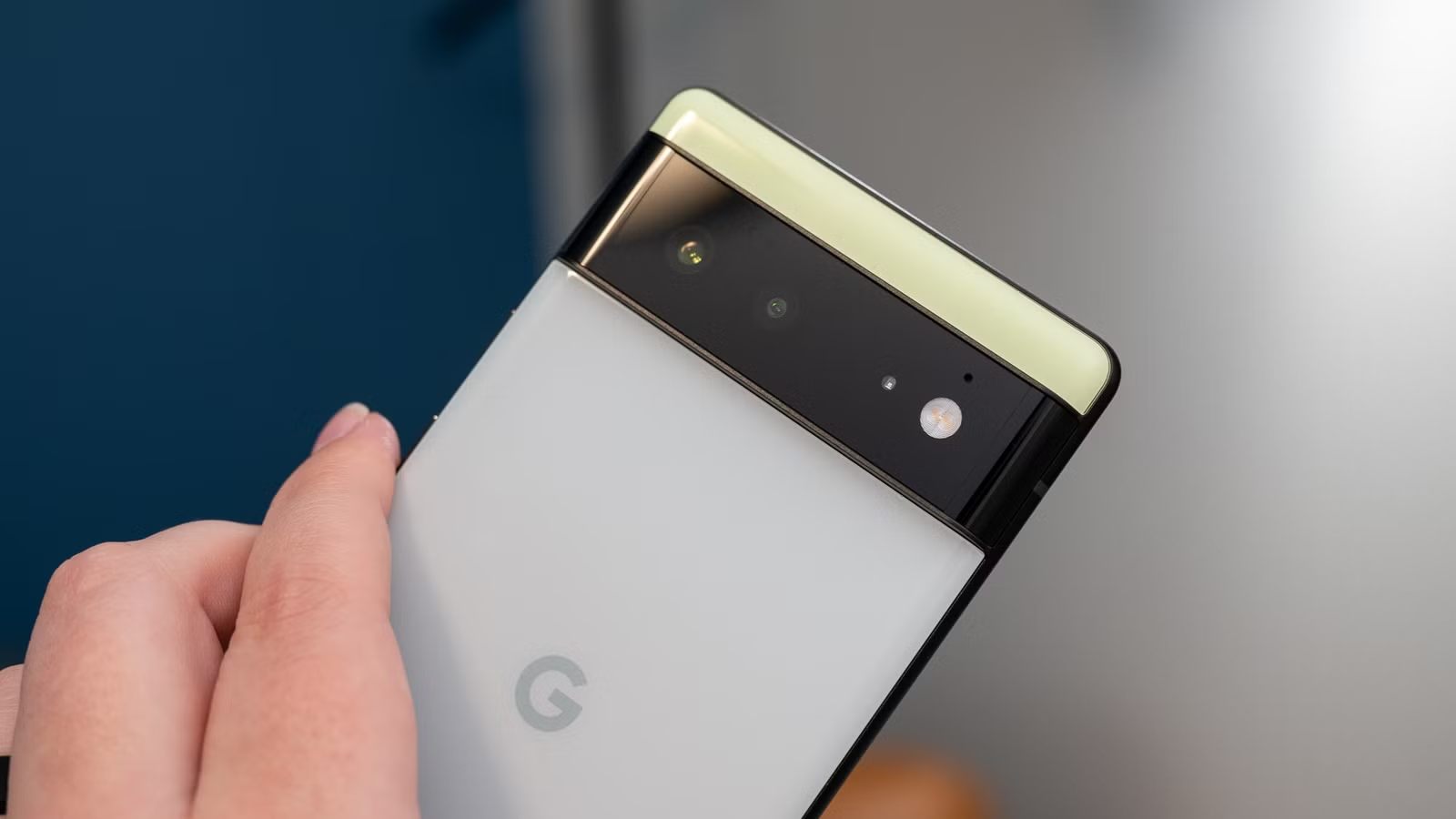
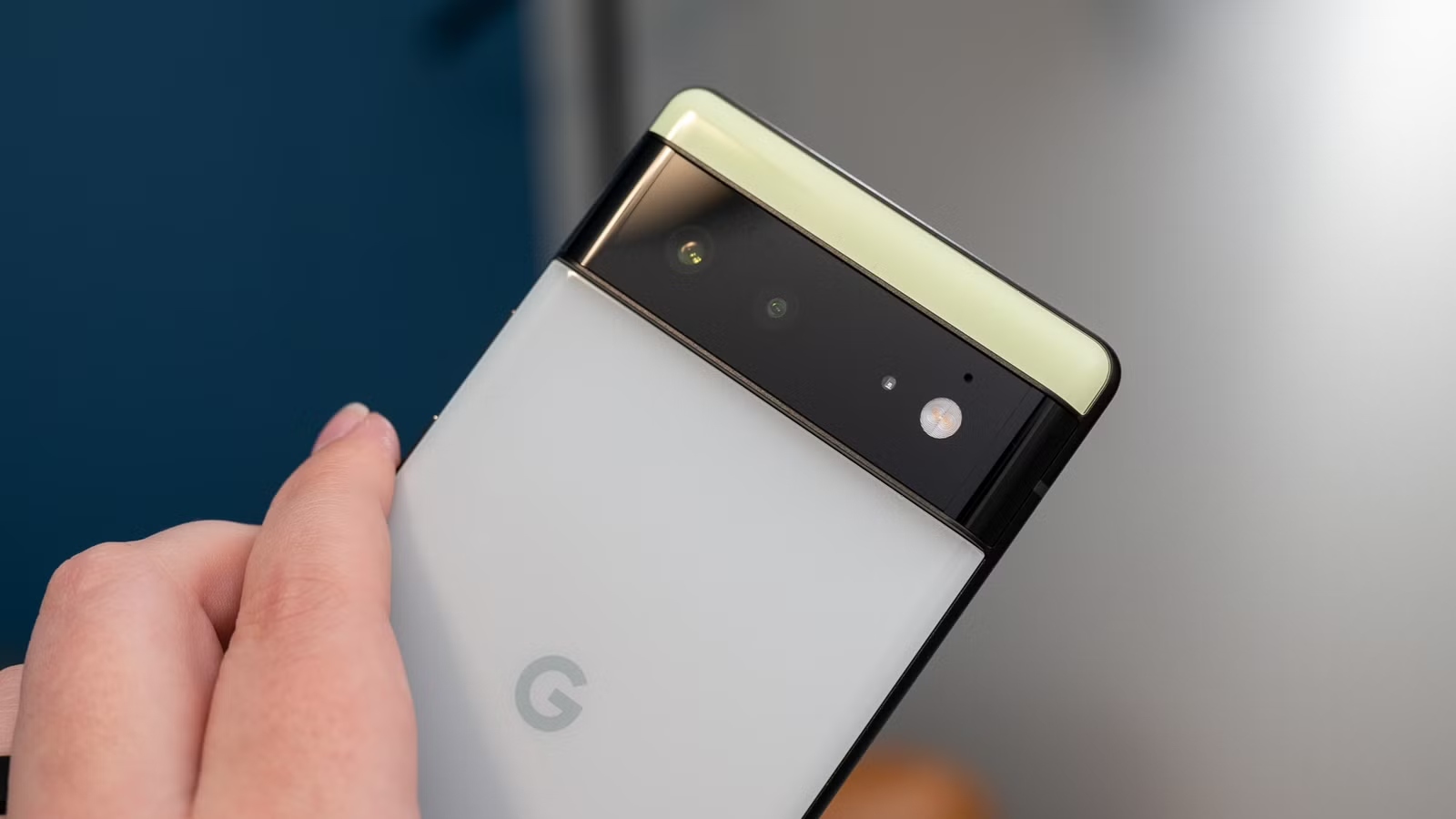
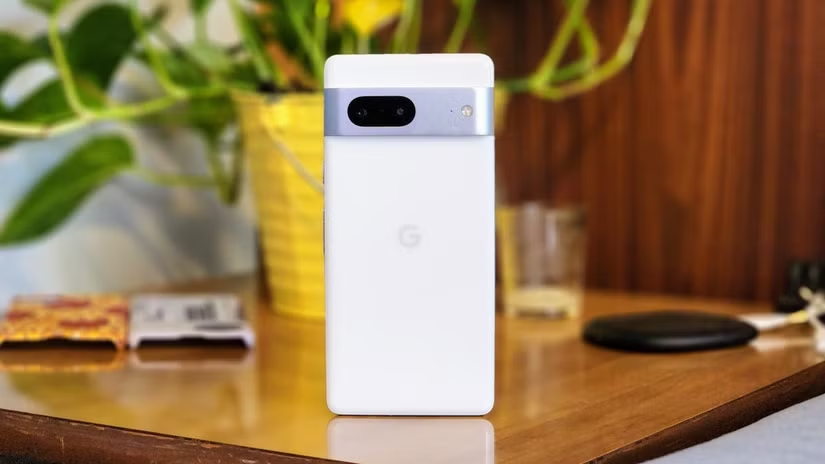
The Pixel 6 and 6 Pro launched in 2021, followed by the Pixel 7 and 7 Pro in October 2022. The Pixel 6a arrived in July 2022, and the 7a in May 2023. All these devices shipped with a five-year support commitment.
But 'five years of support' came with fine print. In Google's definition, that meant five years of security updates but only three years of Android version updates. Users noticed this gap and pushed back. Google responded by extending support by two additional years for the entire Pixel 6 and 7 lineup, including the A-series phones.
Under the extended timeline, the Pixel 7's support cycle runs through October 2027. The Pixel 6 series is scheduled to reach end-of-support this fall.
What 'Long-Term Support' Actually Looks Like
Google's Pixel 8 series, launched in 2023, made seven years of updates the standard from day one. Samsung followed with similar commitments for its flagship Galaxy phones. This set a new baseline for what Android users could expect.
The Pixel 6 and 7 series got the extended timeline as a catch-up measure. The intention was good. The execution is where things get complicated.
Through June 2025, Google delivered updates consistently. Droid-Life's tracking showed the older Pixel devices receiving security patches within reasonable timeframes. Then the pattern changed.
Why This Matters for Device Longevity
Security updates aren't just about getting new features. They patch vulnerabilities that can expose your data to attackers. A phone without current security patches is a phone with known weaknesses.
For businesses deploying Android devices, inconsistent updates create compliance headaches. IT teams need predictable patch schedules. When a vendor promises seven years but delivers sporadically, planning becomes guesswork.
Individual users face a different calculation. If your Pixel 6 works fine otherwise, sporadic security updates might be acceptable. But if you're running sensitive work apps or banking software, those gaps matter more.
The Broader Android Support Picture
Google's extended support for older Pixels was partly defensive. Apple routinely supports iPhones for six or seven years with both security and feature updates. Samsung's commitment to longer support cycles put additional pressure on Google to match.
The Pixel 8 and newer devices launched with seven-year commitments baked in from the start. That's a cleaner approach than retrofitting extended support onto older hardware. But it doesn't help current Pixel 6 and 7 owners wondering when their next update will arrive.
Logicity's Take
What Pixel 6 and 7 Owners Can Do
If you're holding a Pixel 6 or 7, you have a few options. First, check your current security patch level in Settings > About phone > Android security update. Note how far behind you are.
Second, consider your risk tolerance. If you use your phone for basic tasks and don't handle sensitive data, occasional update delays may be acceptable. If you're running work apps or financial services, those gaps become more concerning.
Third, watch Google's support pages for official end-of-life dates. The Pixel 6 series is scheduled to lose support this fall. After that, no further security patches will arrive, regardless of how long the hardware lasts.
Frequently Asked Questions
How long will Google support the Pixel 6?
Google extended Pixel 6 support to seven years from its 2021 launch, with end-of-support scheduled for fall 2026. However, update delivery has been inconsistent since June 2025.
Does the Pixel 7 still get security updates?
The Pixel 7 series is scheduled for support through October 2027, but users report gaps in update delivery after June 2025.
How many years of updates does the Pixel 8 get?
The Pixel 8 launched with a built-in seven-year update commitment, covering both security patches and Android version updates through 2030.
Is Google's update support better than Samsung's?
Both companies now promise seven years for flagship devices. Actual delivery consistency varies, and neither has a flawless track record for older devices.
Need Help Implementing This?
Source: How-To Geek
Huma Shazia
Senior AI & Tech Writer
Produced with AI assistance and reviewed by the Logicity editorial team. Learn more in our Editorial Policy.