Key Takeaways
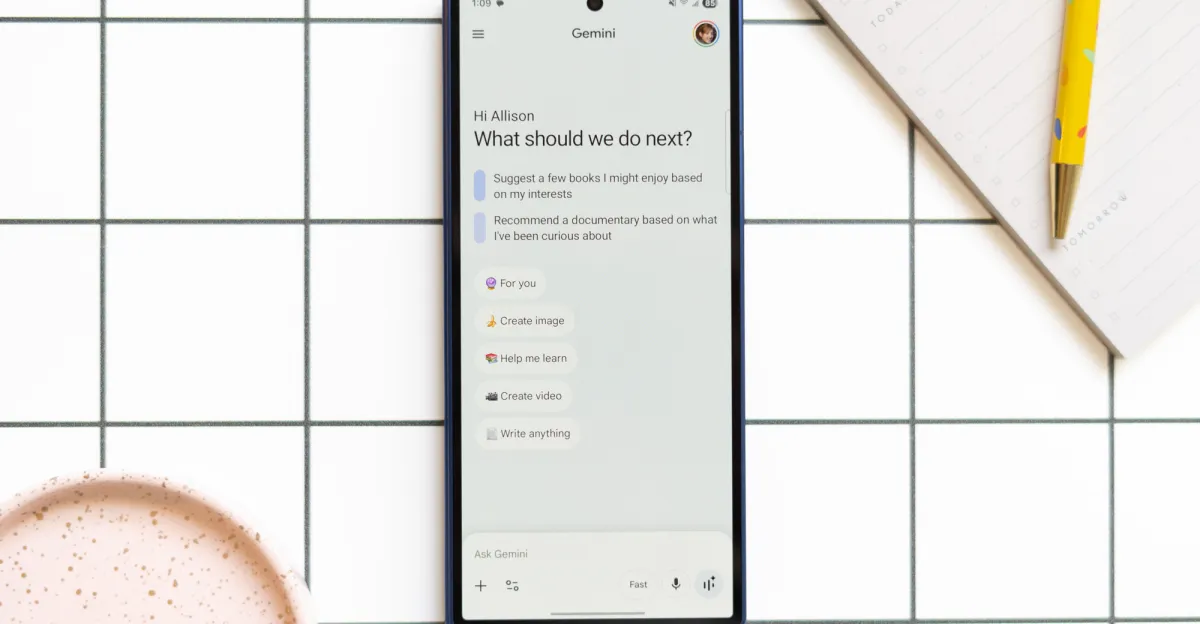
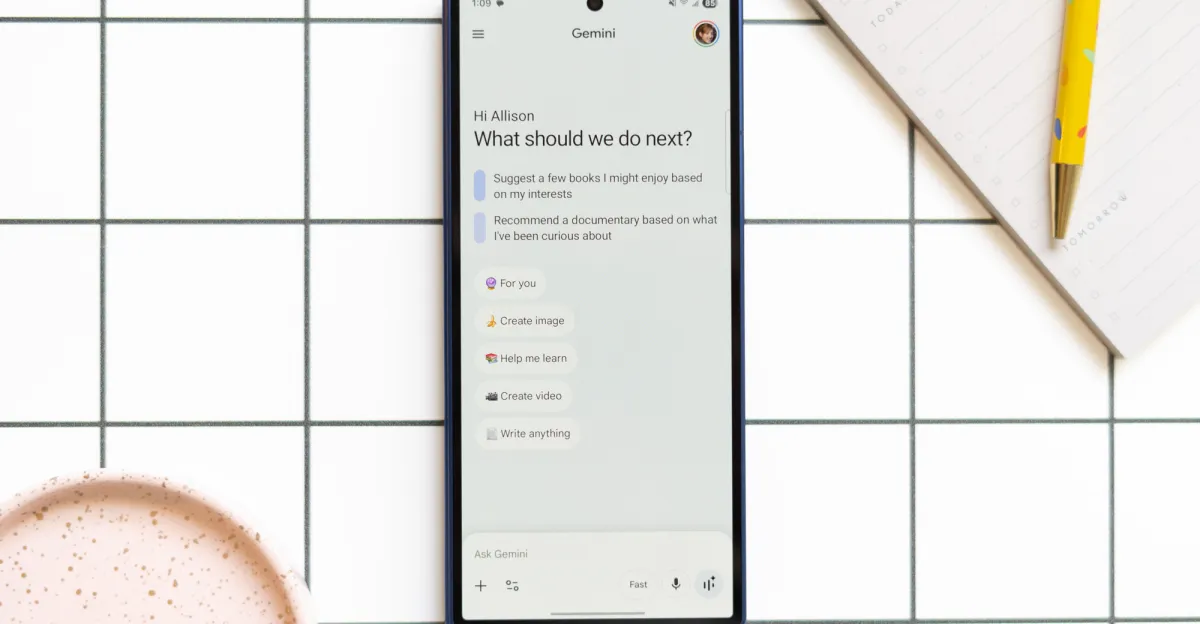
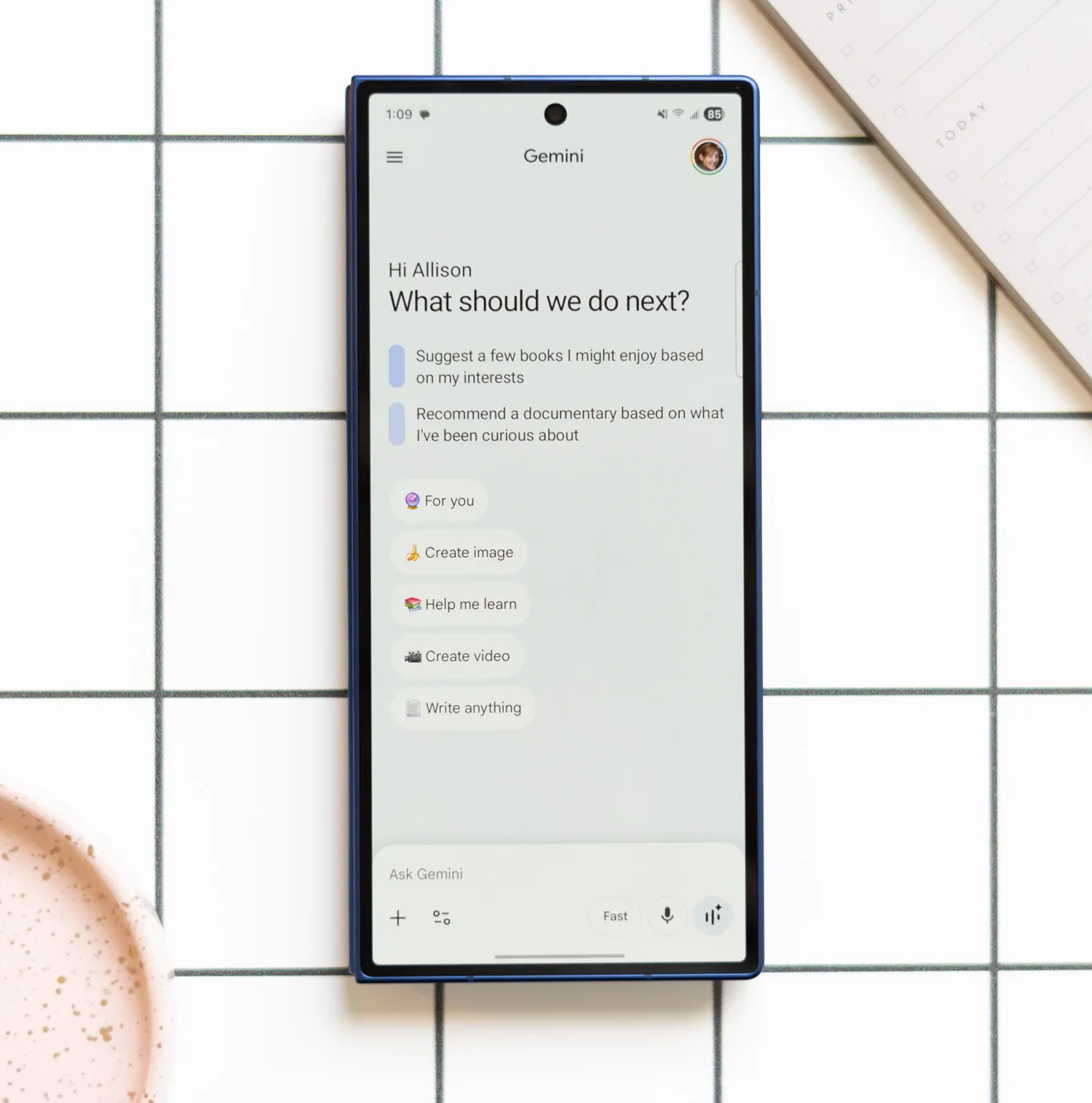
- Google's Gemini icon now appears across Docs, Chrome, Drive, and Gmail with persistent toolbars and suggested prompts
- The aggressive rollout mirrors Microsoft's widely criticized Copilot integration in Windows 11
- Google I/O 2026 will likely announce more Gemini features despite growing user fatigue
That Sparkle Icon Is Everywhere Now
Google's Gemini has developed what The Verge's Allison Johnson calls a "creep problem." The AI's sparkle icon started showing up in Google apps a few years ago. Gemini in your inbox. Gemini in your Google Drive. At first it was easy to ignore. Not anymore.
"Something has changed in the past few months," Johnson writes. "Gemini is creeping. It's showing up in all kinds of places at a relentless pace, and personally, it's starting to really cheese me off."
“Gemini has a creep problem. A few years ago, that little sparkle icon started showing up in all of our Google apps... now it's everywhere.”
— Allison Johnson, Senior Reviewer at The Verge
The comparison that immediately comes to mind: Microsoft's Copilot disaster on Windows 11. Microsoft plastered Copilot shortcuts on every available surface, annoying users who just wanted their operating system to work without AI prompts in their face.
The Google Docs Breaking Point
Johnson actually uses Gemini. She built an app with it to manage her chores. She chats with it on Android phones during reviews. She even downloads the Gemini app on iPhones she tests. That puts her in "like, the top 10 percent of Gemini users who don't work at Google," she jokes.
She's also come around on AI Overviews in Google Search. After the early embarrassments (the glue-on-pizza suggestions), she finds them "reliable enough when the stakes are low." How often to water lavender plants? How long to bake potato wedges at 400 degrees? The AI hasn't killed her plants or undercooked her potatoes.
But everyone has a breaking point. For Johnson, it was Google Docs.
A persistent sparkle icon now sits at the bottom of the Docs window. Mouse over it by mistake and you get a full toolbar with suggested prompts to let Gemini write for you. "Blogging is my craft, thank you very much," Johnson writes, "so I shut that shit right down."

Once she noticed that intrusion, all the other icons she'd been tuning out started bothering her too. There's apparently a Gemini shortcut in Chrome's menu bar on her MacBook. When did that happen? "Was I tricked?" she wonders.
Google I/O 2026 Will Bring More
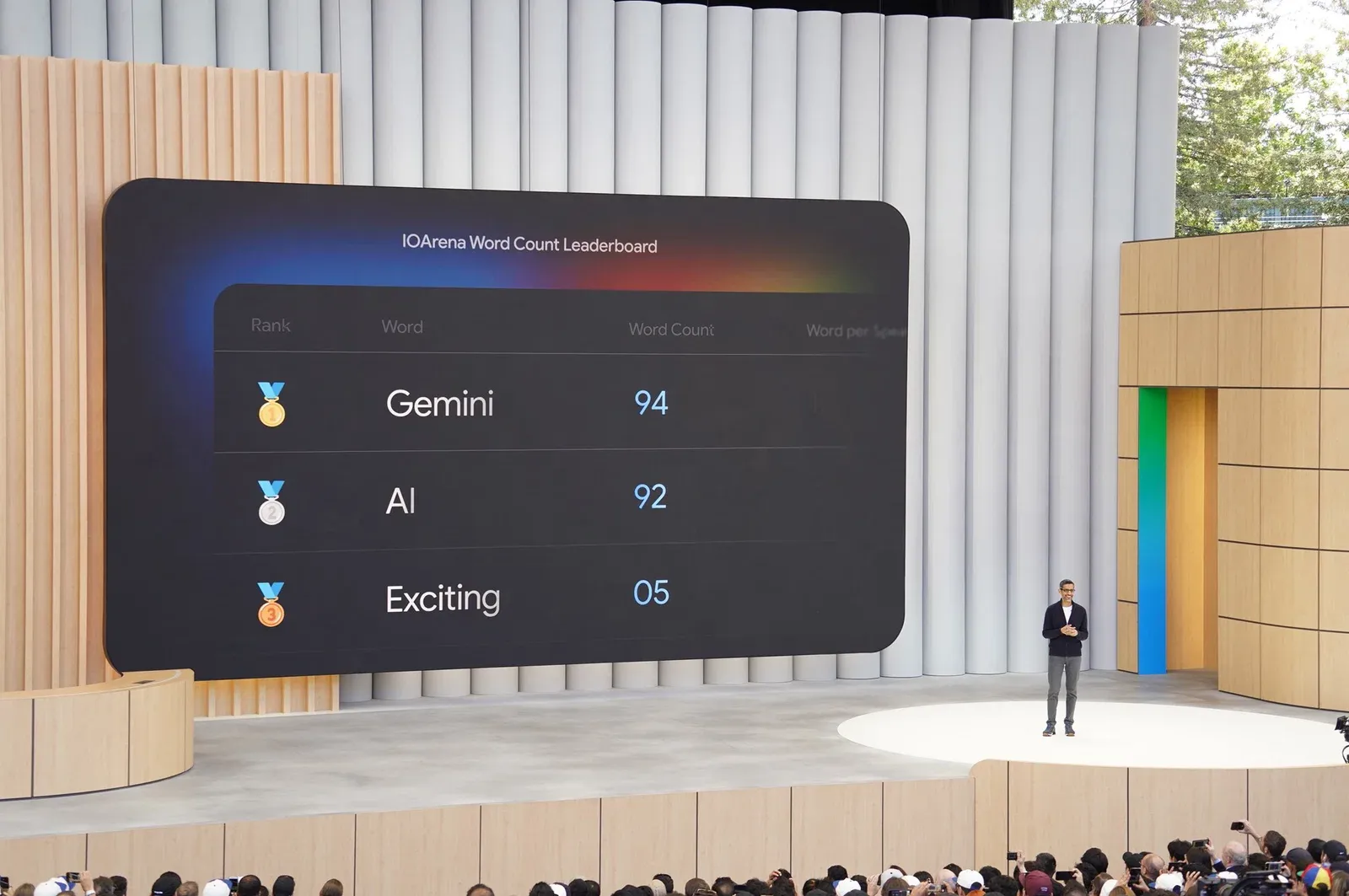
This week's Google I/O conference will almost certainly announce more Gemini features. Johnson is "praying that Google has learned from Microsoft's mistakes" as it rolls them out across Workspace apps.
The scale of the integration is significant. Google Workspace now has 3 billion monthly active users. The standalone Gemini app has 750 million monthly active users as of May 2026. Google has sold 8 million paid Gemini Enterprise seats to over 2,800 companies.
“Gemini is no longer just a chat interface; it has become the operating layer beneath all of our platforms.”
— Sundar Pichai, CEO of Google
Google is positioning Gemini as an "Intelligence System" with agentic capabilities. New features codenamed Remy and Spark can perform multi-step tasks autonomously, like managing inboxes or making purchases.
Users Are Pushing Back
The r/Android and Hacker News communities have reacted with sharp skepticism to leaks about the new Gemini features. Users are particularly alarmed by onboarding text suggesting the AI can "make purchases without asking." Many are calling it a "security nightmare" and expressing nostalgia for the simpler Google Assistant.
The pattern is familiar. A tech company builds genuinely useful AI features. Then the pressure to show AI adoption drives them to put the AI everywhere, useful or not. Users get annoyed. The backlash begins.
Microsoft learned this the hard way with Copilot. Google appears to be following the same playbook. The question is whether the pushback will change anything, or whether the sparkle icon will keep spreading regardless.
Related Gemini policy changes
Logicity's Take
Frequently Asked Questions
Why is Google putting the Gemini icon everywhere?
Google is positioning Gemini as the core "Intelligence System" across all its platforms. CEO Sundar Pichai says Gemini is now "the operating layer beneath all of our platforms," which means the company wants users to interact with AI in every app.
Can you turn off the Gemini sparkle icon in Google Docs?
Yes, the persistent Gemini toolbar in Google Docs can be dismissed. However, users report the icon keeps reappearing in various places across Chrome and Workspace apps.
How does Google's Gemini rollout compare to Microsoft Copilot?
Both companies have aggressively placed AI shortcuts throughout their products. Microsoft's Copilot integration in Windows 11 drew widespread user complaints, and Google's Gemini expansion is following a similar pattern of appearing in apps without explicit user permission.
How many people actually use Google Gemini?
The standalone Gemini app has 750 million monthly active users as of May 2026. Google has also sold 8 million paid Gemini Enterprise seats to over 2,800 companies.
Practical AI assistant use cases
Need Help Implementing This?
Huma Shazia
Senior AI & Tech Writer
Produced with AI assistance and reviewed by the Logicity editorial team. Learn more in our Editorial Policy.