Key Takeaways
- Google AI Pro costs $20/month after a 12-month trial ends for new Pixel buyers
- Advanced AI features that were once free are now locked behind subscription tiers
- Hardware limitations also push users toward new phones for local AI capabilities
The Pixel Value Proposition Has Changed
For years, buying a Google Pixel meant getting a clean Android experience with exclusive features baked in. AI camera tricks, seamless integrations, and cutting-edge software updates came standard. Even older or budget Pixel models would eventually receive the best new features through software updates.
That era is ending. Google is restructuring its software offerings into tiered subscription models. The most desirable features are no longer perks of owning the phone. They're perks of paying monthly.
How AI Pro and AI Ultra Work
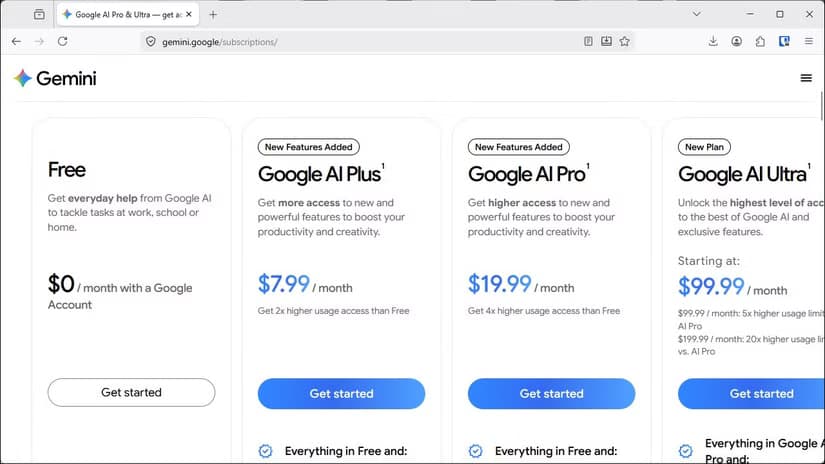
When you buy a flagship Pixel 10, it comes with up to 12 months of Google AI Pro. This trial includes access to the best Gemini model, several terabytes of cloud storage, and cutting-edge video generation tools.
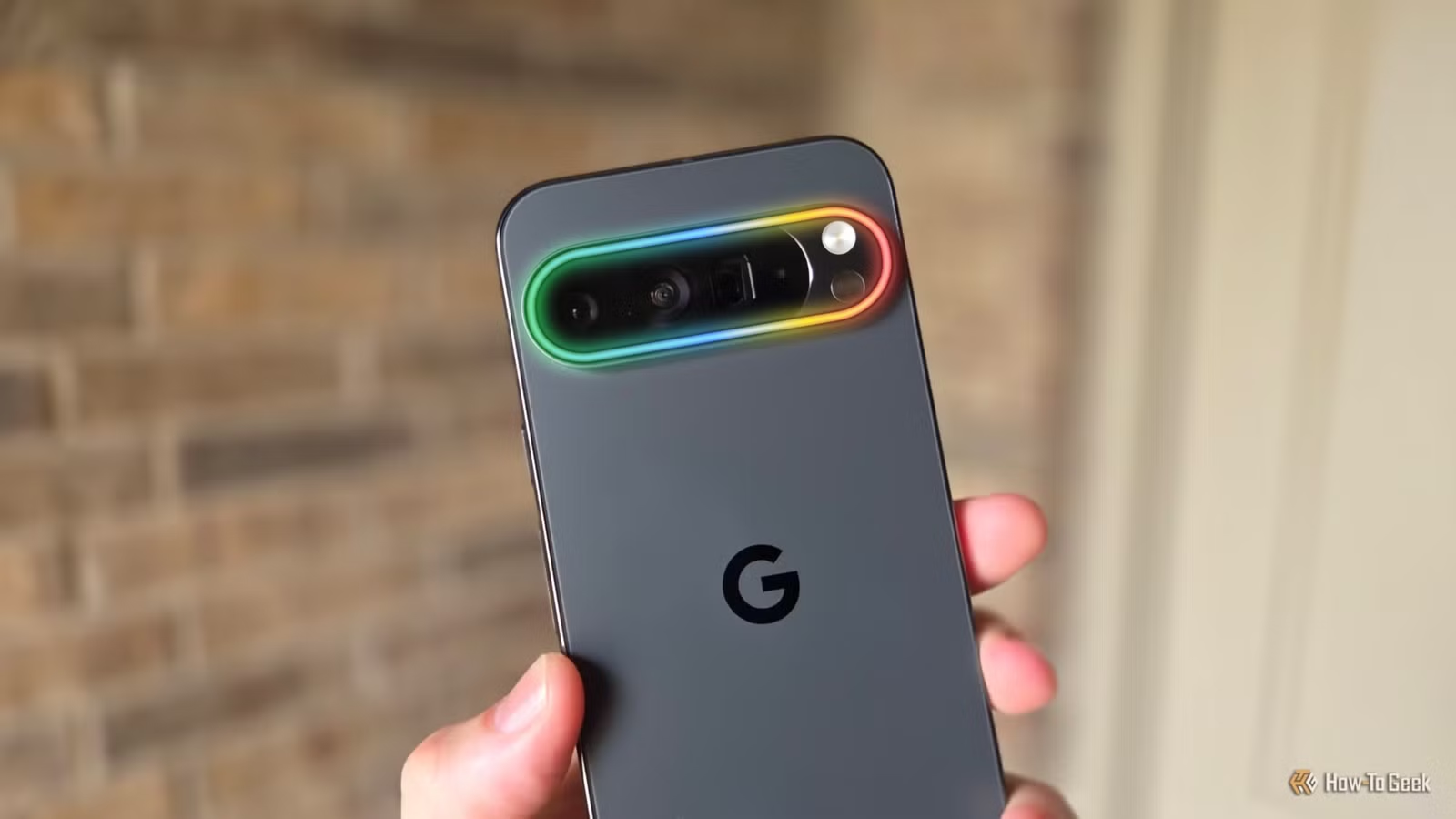
When that trial ends, you face a choice: lose features you've spent a year getting used to, or pay $20 per month ($200 per year) to keep them. The higher-tier AI Ultra subscription runs up to $200 per month and unlocks 20TB of storage marketed as essential for managing high-resolution generative media.
Google argues there's a practical reason for this. Cloud-based AI has real infrastructure costs. Running advanced models requires expensive hardware that someone has to pay for. Many of these tools are optional extras, not core phone functions.
But the shift still stings for longtime Pixel users who bought into the ecosystem specifically because these features came included.
Hardware Limitations Create a Second Paywall
Subscriptions aren't the only barrier. Hardware limitations also force upgrades for users who want the latest local AI features. The most interesting on-device AI capabilities require processing power that older Pixels simply don't have.
This creates a two-tier system. Pay monthly for cloud features, or buy a new phone for local ones. Either way, the era of getting Pixel's best through free software updates is over.
What Users Are Saying
Community reaction has been largely negative. On Reddit's r/GooglePixel and other tech forums, long-time users describe the move as a betrayal of what made Pixel phones worth buying in the first place.
The criticism centers on a simple point: these features were advertised as reasons to buy the hardware. Now they're reasons to pay again every month.
The Broader Strategy
Google's move reflects a broader industry trend. Hardware margins are thin. Cloud services generate recurring revenue. The math favors subscriptions.
Features like the Gemini Spark personal agent and cloud-processed generative editing were once touted as on-device Pixel magic. Now they're positioned as premium services that justify ongoing payments.
Core phone functions remain free. You can still make calls, take photos, and use basic apps without paying extra. But the features that differentiated Pixel from Samsung or OnePlus are increasingly locked behind monthly fees.


Logicity's Take
What This Means for Existing Owners
If you own a Pixel 9 or earlier, you're already feeling the squeeze. New AI features increasingly require either a subscription or hardware you don't have. The value of your current device is depreciating faster than it used to.
Budget Pixel buyers face the same problem. The A-series phones that once offered flagship features at lower prices are now entry points to subscription upsells rather than standalone values.
Frequently Asked Questions
How much does Google AI Pro cost?
Google AI Pro costs $20 per month or $200 per year after the trial period ends.
How long is the free AI Pro trial with a new Pixel?
New Pixel 10 and Pixel 11 flagship purchases include up to 12 months of Google AI Pro at no additional cost.
What features are locked behind the AI subscription?
Premium features include access to the best Gemini model, several terabytes of cloud storage, video generation tools, and the Gemini Spark personal agent.
Can I use my Pixel without subscribing?
Yes. Core phone functions like calls, basic photography, and standard apps remain free. The subscription gates advanced AI and generative features.
What is the difference between AI Pro and AI Ultra?
AI Ultra is the higher tier, costing up to $200 per month and including 20TB of storage along with additional AI capabilities for power users.
For users exploring self-hosted alternatives to cloud-dependent services
Need Help Implementing This?
Source: How-To Geek
Manaal Khan
Tech & Innovation Writer
Produced with AI assistance and reviewed by the Logicity editorial team. Learn more in our Editorial Policy.