Key Takeaways
- GM is pushing a firmware update to enable V2G for 250,000 existing EV owners
- AI data centers are projected to consume 300% more U.S. power by 2028
- Sodium-ion batteries will anchor GM's commercial grid storage strategy
General Motors wants to turn your parked EV into a power plant. At an event in San Francisco on June 9, the automaker announced it's activating vehicle-to-grid (V2G) capabilities for over 250,000 existing customers. The pitch: as AI data centers strain electrical grids across the country, those idle EV batteries could help utilities keep the lights on.
"The world is being reshaped by AI, and our EV fleet is no longer just transportation; it is a vital power asset," said Sterling Anderson, GM's chief product officer.
The announcement is GM's latest attempt to grab a slice of the multibillion-dollar energy storage market. It's been trying for nearly four years. This time, the company is betting that utilities facing an energy crisis will want to partner with automakers to tap into millions of EV batteries sitting in driveways.
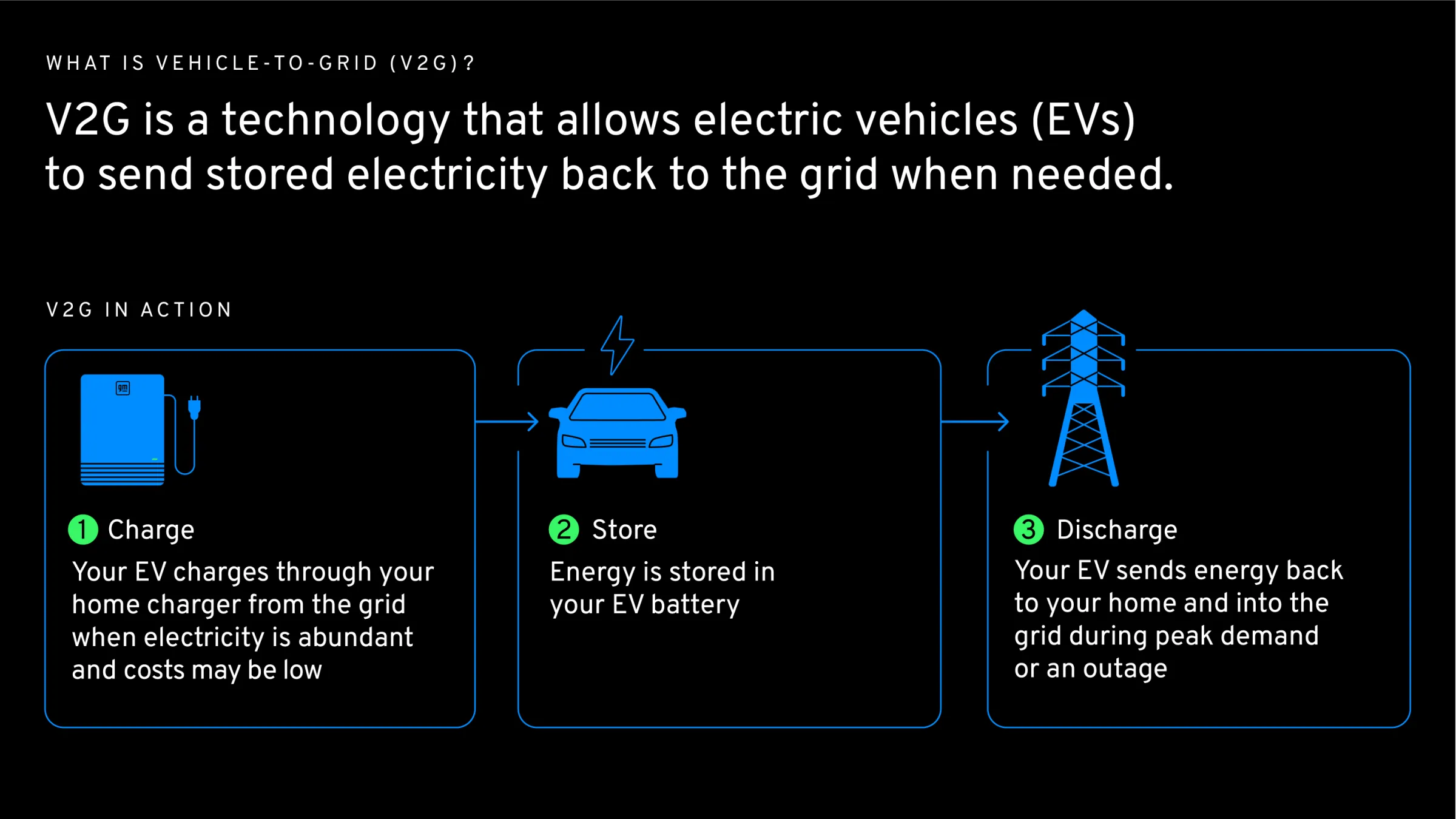
How V2G Works
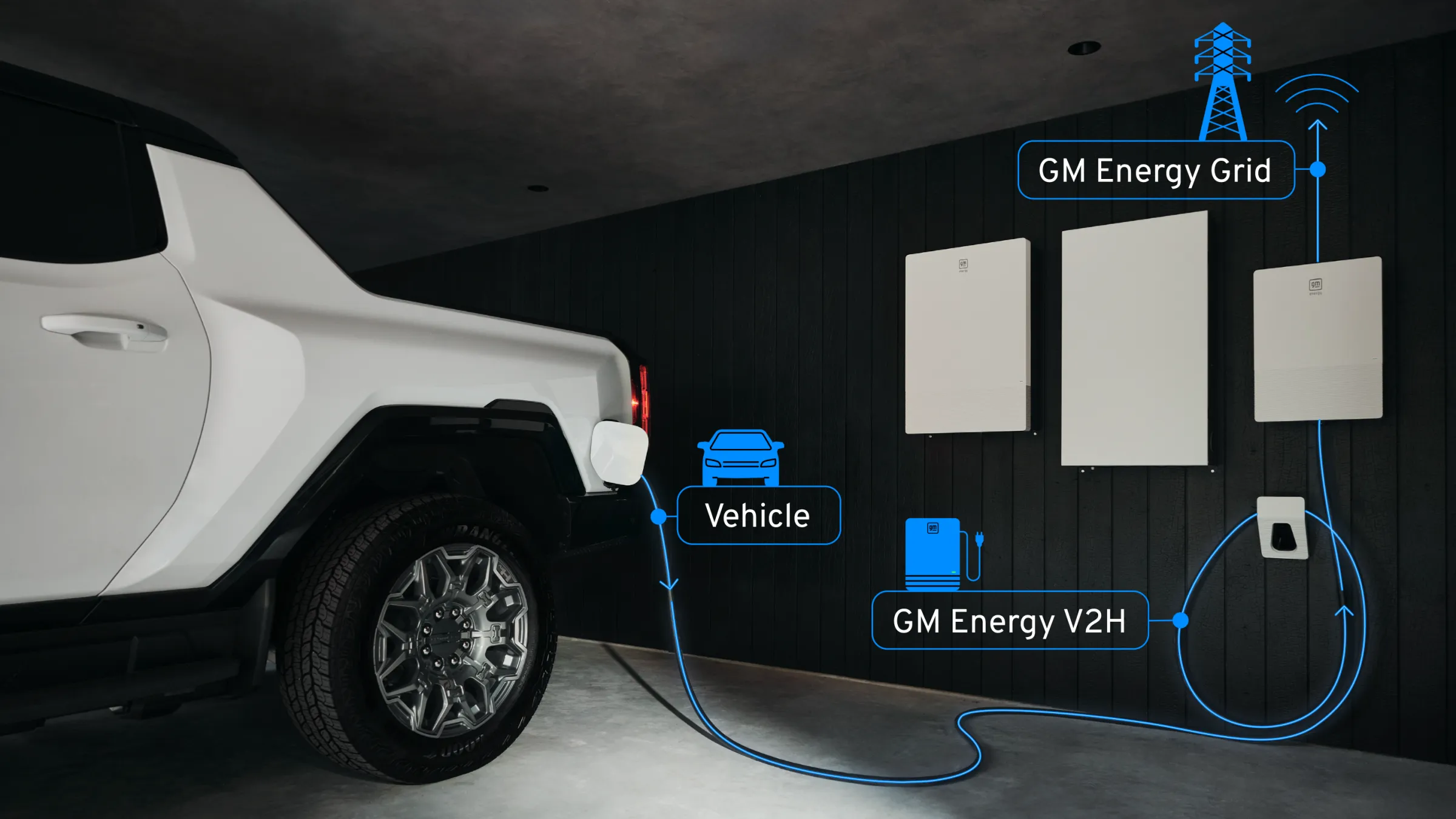
Many modern EVs are built with bidirectional charging. They can pull energy from the grid while charging, but they can also send it back. This turns high-capacity lithium-ion batteries into backup storage cells. You can power other devices, your entire home, or feed electricity back to the grid.
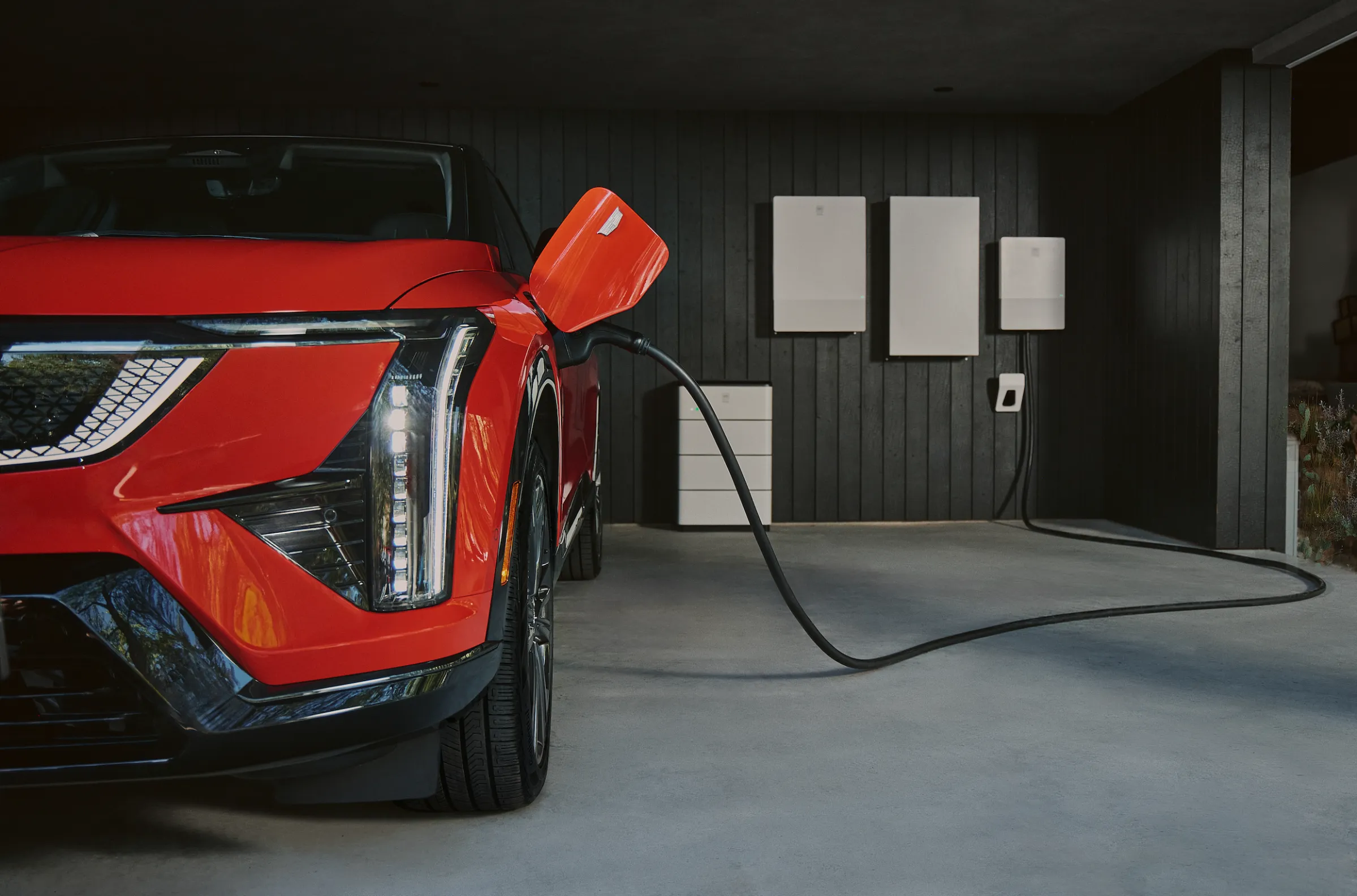
GM customers who already own the company's vehicle-to-home equipment will receive the V2G firmware update automatically. The system lets EVs discharge power during peak demand periods, when utilities typically fire up expensive (and often dirtier) backup generators.
The AI Data Center Problem
AI data centers are power-hungry. Training large models and running inference at scale requires enormous amounts of electricity. By 2028, AI data centers are projected to consume 300% more of U.S. power capacity than they do today.
This creates a problem for grid operators. Peak demand spikes force utilities to rely on older, higher-emission backup plants. Building new generation capacity takes years. GM is pitching its EV fleet as a faster, more distributed solution.
The concept is sometimes called a "virtual power plant." Instead of one large facility, you aggregate thousands of smaller energy sources. In this case, parked EVs. When the grid needs extra power, the system coordinates discharges across the fleet.
Sodium-Ion Batteries for Grid Storage
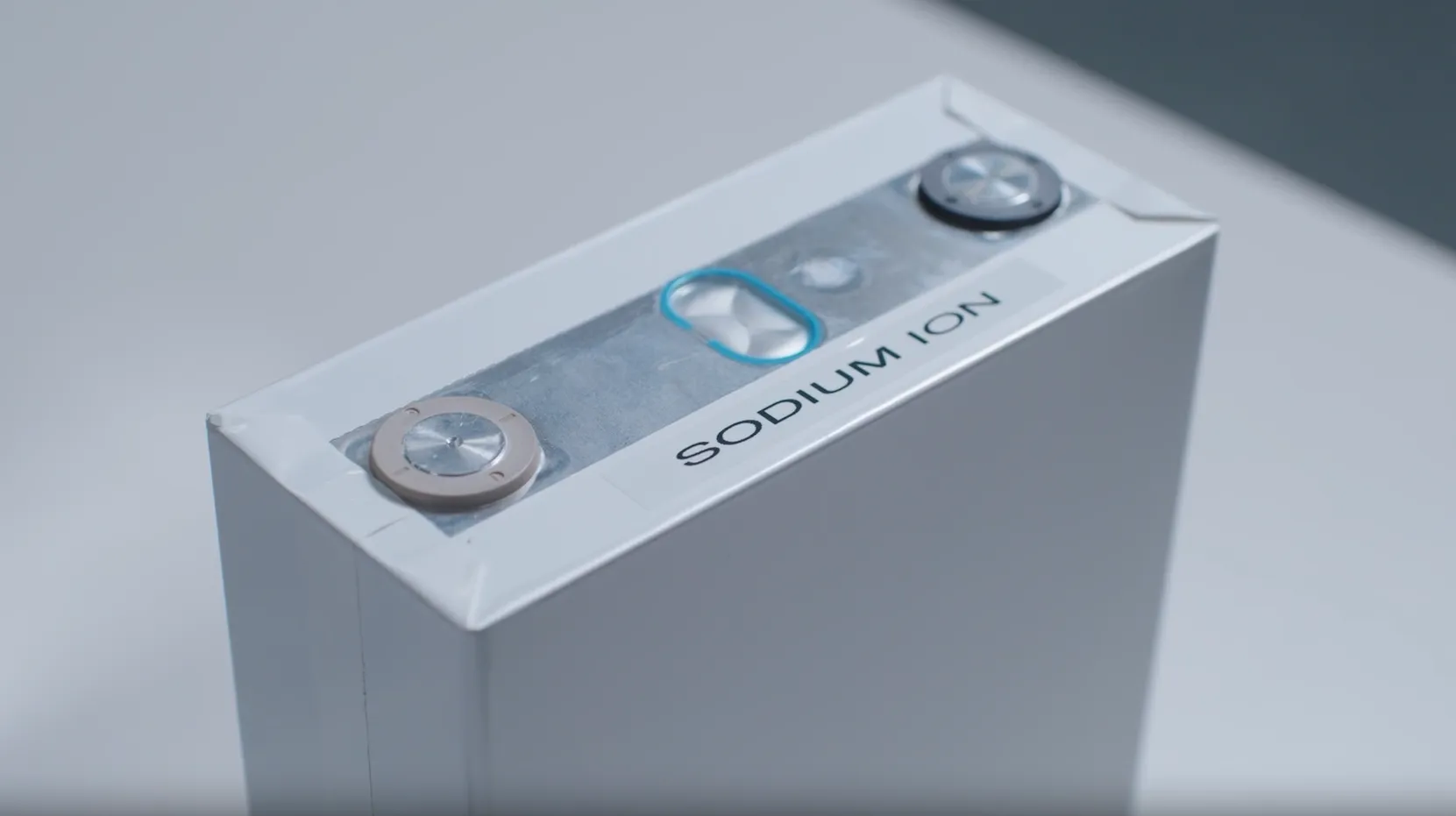
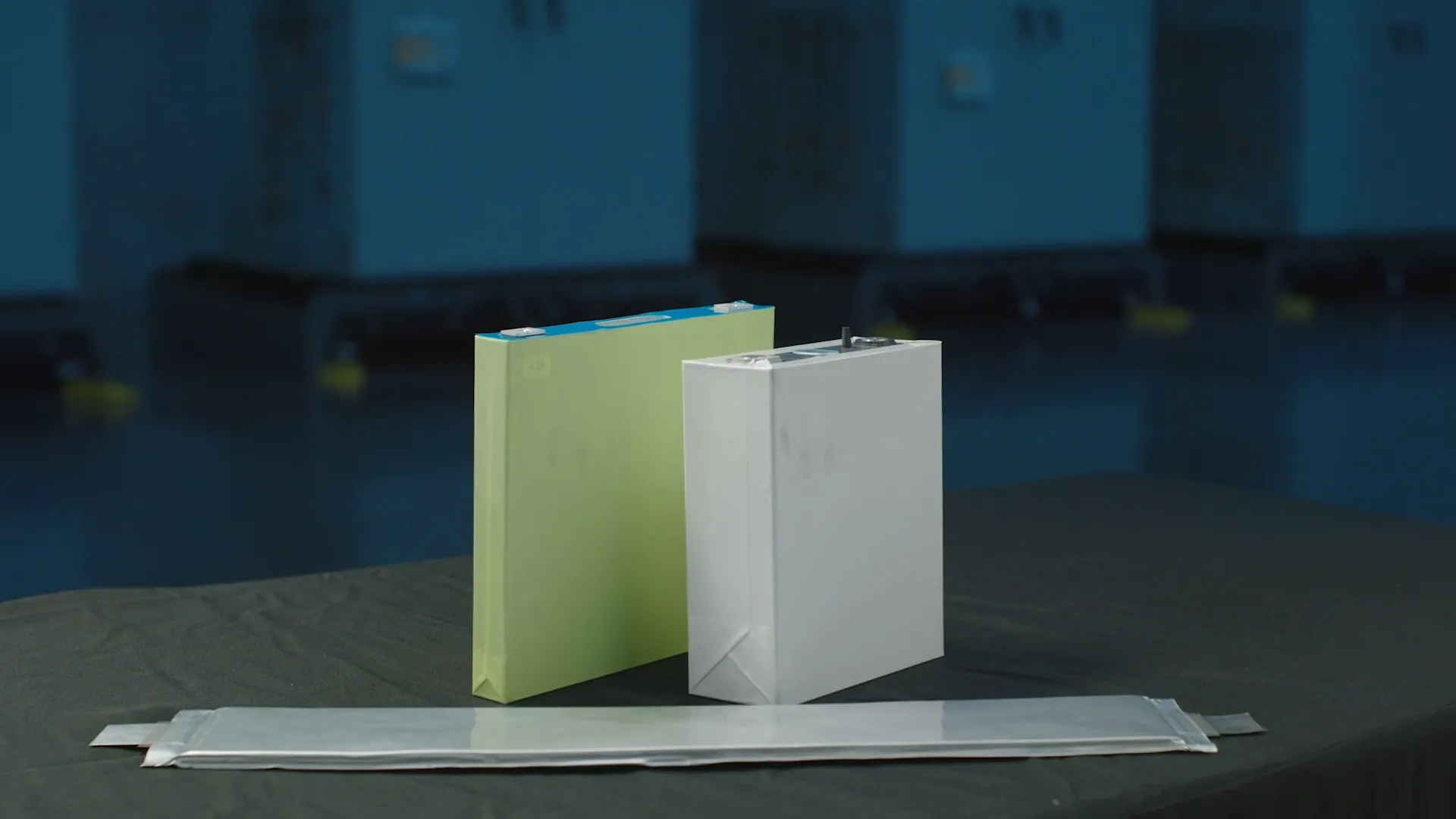
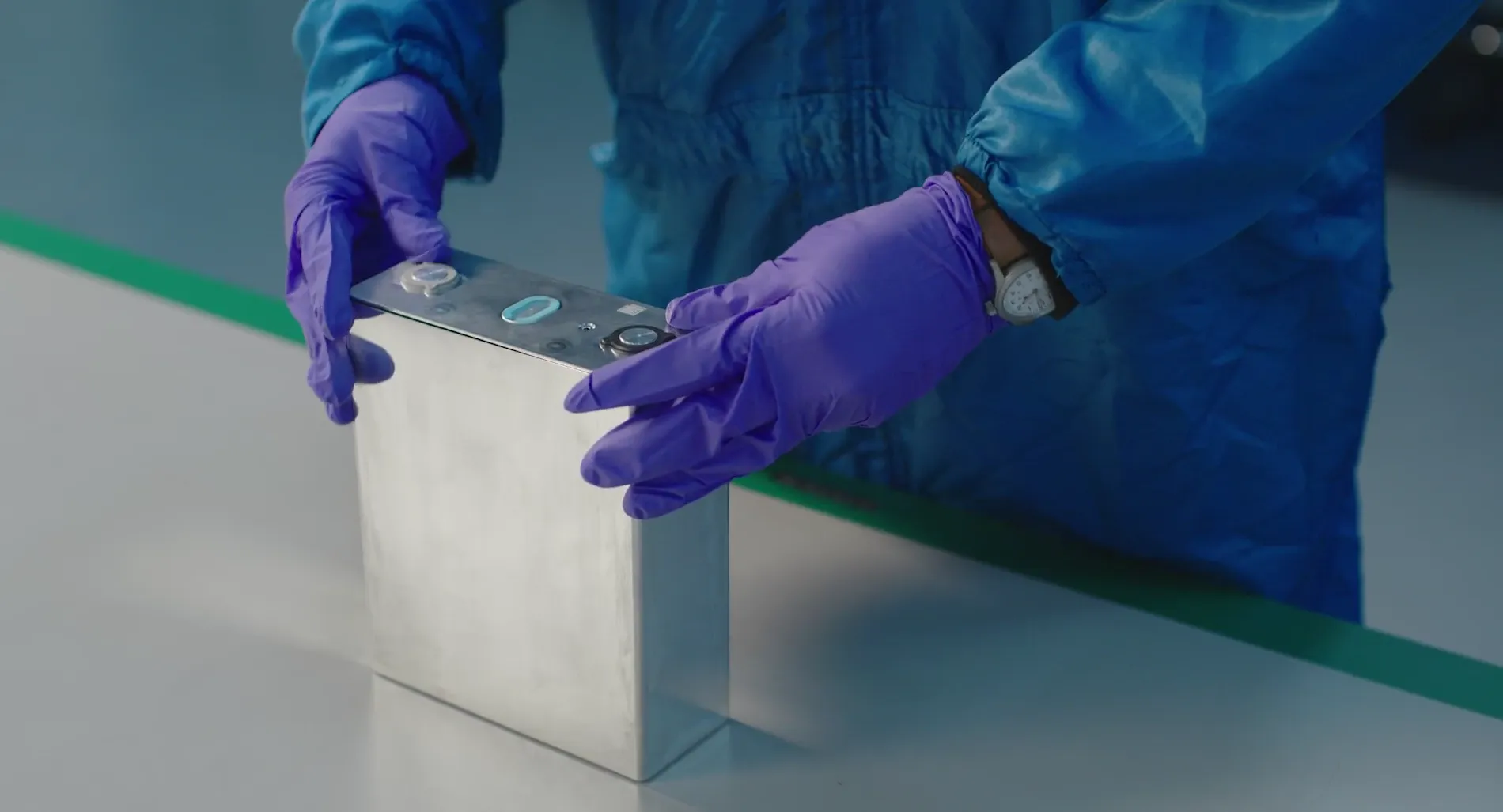
GM also announced a new commercial energy storage strategy built around sodium-ion batteries. Unlike lithium-ion cells, sodium-ion batteries use abundant, cheap materials. They avoid the supply chain bottlenecks and geopolitical risks tied to lithium and cobalt.
The tradeoff: sodium-ion batteries have lower energy density. They're heavier and bulkier for the same capacity. That makes them impractical for vehicles, where weight matters. But for stationary grid storage, size is less of a constraint.
GM says it used 150 million CPU hours of AI simulations to accelerate battery chemistry research and development. The sodium-ion cells are aimed at industrial-scale grid applications, not consumer EVs.
What EV Owners Are Saying
Online reaction is split. On Reddit's r/electricvehicles, some owners are excited about the potential for "passive income" by selling power back to utilities. Others are worried about battery degradation. Deep-cycling a battery, charging and discharging it repeatedly, can shorten its lifespan.
Warranty coverage is another concern. If V2G usage accelerates battery wear, will GM still honor warranty claims? The company hasn't provided detailed answers yet.
On Hacker News, the discussion is more technical. Users are skeptical about the software coordination required to aggregate hundreds of thousands of individual car batteries into a single, responsive grid resource. The synchronization challenges are significant.
Energy Pass: Simpler Public Charging
GM also announced Energy Pass, a new feature aimed at simplifying public charging. The details are sparse, but the goal is to make it easier for EV owners to find and use charging stations across different networks.
Public charging remains a pain point for many EV owners. Different networks require different apps, accounts, and payment methods. A unified experience could help, though GM will need to partner with charging network operators to make it work.
The Bigger Picture
GM is the largest automaker in North America. Even as EV sales have cooled, the company has hundreds of thousands of bidirectional-capable vehicles on the road. That's a potential asset that competitors can't easily replicate.
"We see a future where electric vehicles, batteries that power them, and the country's power grids work together," Anderson said.
Whether utilities will actually pay for V2G services remains to be seen. Regulatory frameworks vary by state. Some utilities are skeptical about the reliability of distributed resources. Others are desperate for any solution to peak demand problems.
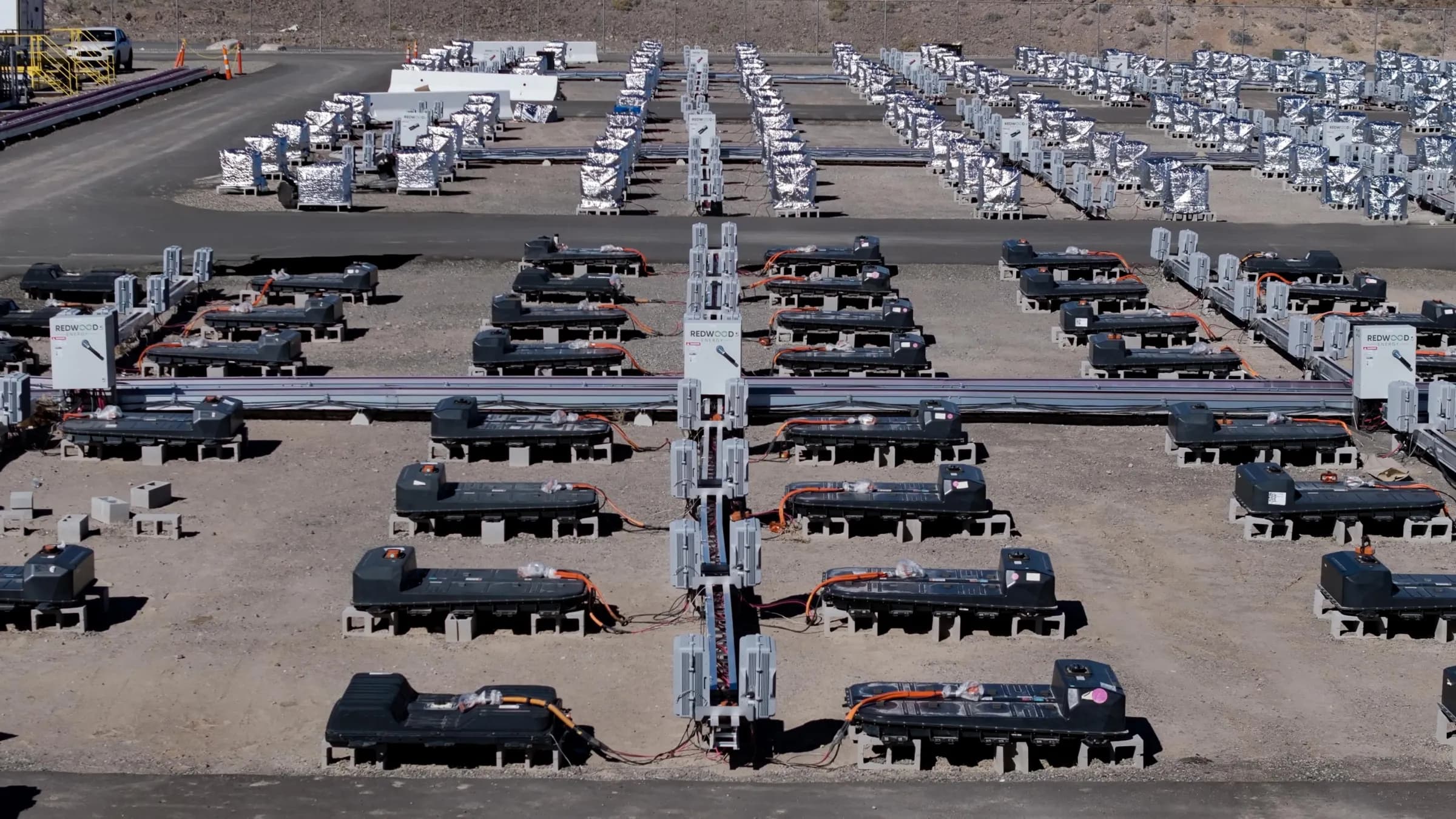
GM is also exploring second-life applications for EV batteries. Through a partnership with Redwood Materials, used GM batteries are powering Crusoe data centers. When a battery is no longer suitable for vehicle use, it may still have years of life left for stationary storage.
Logicity's Take
Frequently Asked Questions
What is vehicle-to-grid (V2G) technology?
V2G allows electric vehicles to send stored energy back to the electrical grid, not just draw power while charging. This turns parked EVs into distributed energy storage that can help balance grid demand.
Will V2G damage my EV battery?
Deep-cycling batteries, repeatedly charging and discharging them, can accelerate wear. GM hasn't provided detailed guidance on how V2G usage affects battery lifespan or warranty coverage.
How many GM EVs support V2G?
GM says over 250,000 existing EVs with bidirectional charging capability will receive the V2G firmware update automatically.
Why are AI data centers straining the power grid?
Training and running AI models requires massive computational power, which translates to high electricity demand. AI data centers are projected to consume 300% more U.S. power by 2028.
What are sodium-ion batteries used for?
GM's sodium-ion batteries are designed for stationary grid storage, not vehicles. They use cheaper, more abundant materials than lithium-ion cells but have lower energy density.
More on the AI developments driving data center energy demand
Need Help Implementing This?
Manaal Khan
Tech & Innovation Writer
Produced with AI assistance and reviewed by the Logicity editorial team. Learn more in our Editorial Policy.