Key Takeaways
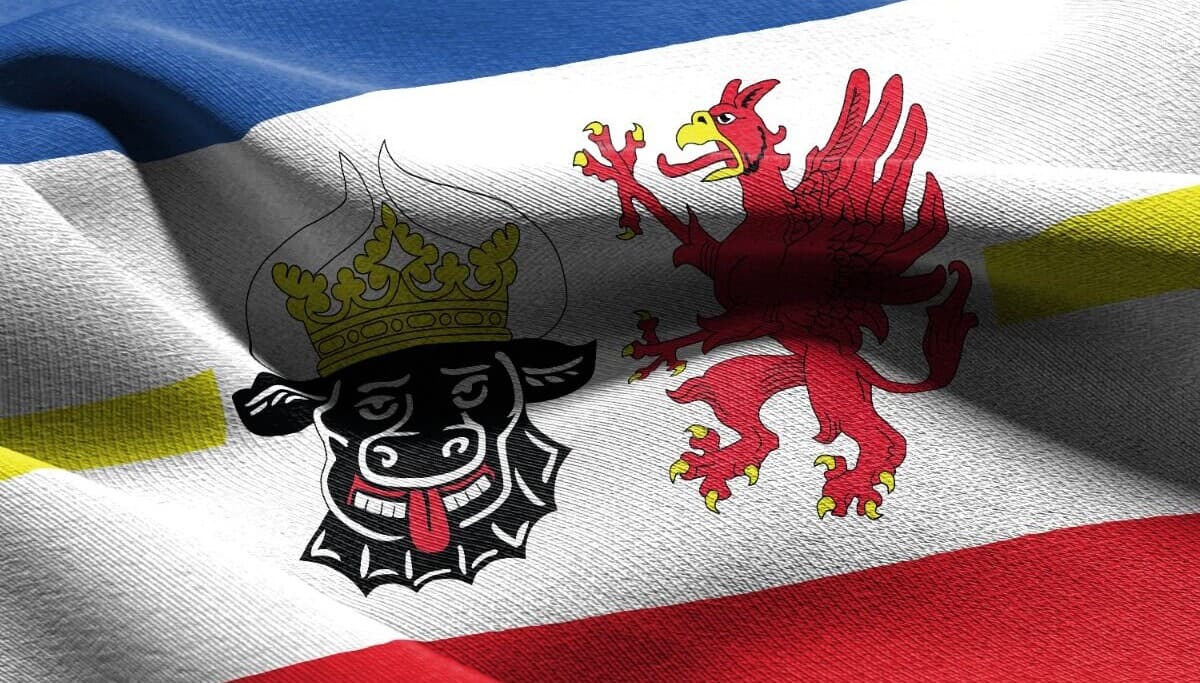
- Mecklenburg-Vorpommern is migrating 50,000 public employees from SharePoint to Nextcloud and OpenProject
- Bavaria is reportedly ending its billion-dollar Microsoft deal and seeking alternatives
- Multiple German states now coordinate through ZenDiS, building shared open source infrastructure
Mecklenburg-Vorpommern, the state in Germany's northeast, is replacing Microsoft SharePoint with Nextcloud across its public administration. Around 5,000 staff already use the open source stack for chat, video conferencing, and groupware. The goal: roll it out to more than 50,000 public employees.
The state joins Schleswig-Holstein, which announced a similar move last year, and Bavaria, where reports indicate the government is walking away from a billion-dollar Microsoft contract. All three cite digital sovereignty, the idea that governments should control their own IT infrastructure rather than depend on foreign vendors.
What tools are replacing Microsoft?
Mecklenburg-Vorpommern's migration focuses on collaboration and project management. Nextcloud replaces SharePoint for file sharing and groupware. OpenProject handles project management, filling the gap left by Microsoft Project or Planner. For now, the state keeps Windows on the desktop. This is not a Linux migration, at least not yet.
The state's IT agency, DVZ-MV (Datenverarbeitungszentrum Mecklenburg-Vorpommern), runs the migration. In October 2025, Mecklenburg-Vorpommern and Schleswig-Holstein announced they would cooperate on digital sovereignty, sharing the same platforms and tools. That agreement appears to be working. Both states benefit from pooled expertise and shared infrastructure costs.
Bavaria's billion-dollar breakup
The bigger story may be unfolding in Bavaria. According to local newspaper Mittelstand in Bayern, the state is ending its massive Microsoft contract and searching for alternatives. Bavaria's Digital Affairs Minister, Fabian Mehring of the Freie Wähler party, appears to be pushing the change despite opposition from coalition partner CSU.
Munich, Bavaria's capital, has a complicated history with open source. The city moved to Linux in 2004, stuck with Ubuntu through 2013, then reversed course in 2017, returning to Windows despite higher costs. Money drove both decisions. The swing back to Microsoft was expensive, and critics argued it was more about politics than technical merit.
This time, the motivation is different. The concern is not cost but control. As Finnish MEP Aura Salla said at February's Open Source Policy Summit: "The EU runs on Microsoft. The US could turn us off inside one hour."
Why German states are moving now
Germany's interest in digital sovereignty is not new. The Register reported on it back in 2019. But the urgency has increased. Transatlantic relations have grown more unpredictable. GDPR compliance remains a headache when data flows through US servers subject to the CLOUD Act. And the practical risk of vendor lock-in has become harder to ignore.
The Center for Digital Sovereignty in Public Administration (ZenDiS) coordinates efforts across states. Its openDesk suite now serves as a reference implementation. The International Criminal Court uses it. As smaller, less wealthy states like Mecklenburg-Vorpommern complete their migrations, ZenDiS gains experience and the platform gains credibility.
Munich's Technical University has developed a "Sovereignty Check" tool, announced in February, that claims to make digital sovereignty measurable. The state's Digital Affairs ministry followed up by launching a formal sovereignty project. These are not isolated experiments. They are coordinated moves toward a shared goal.
What this means for enterprise IT
German states are proving that open source alternatives to Microsoft's collaboration stack can work at scale. Nextcloud handles file sync, chat, and video. OpenProject covers task tracking and project planning. Both integrate with existing Windows desktops, which lowers the barrier to adoption.
For CIOs watching from other regions, the question is whether this model translates. The German public sector has resources most organizations lack: dedicated IT agencies, inter-state cooperation agreements, and political will. But the tools themselves are available to anyone. Nextcloud's enterprise edition competes directly with SharePoint. OpenProject positions itself against Monday.com, Asana, and similar SaaS project tools.
Disclosure
Some links in this post are affiliate links — Logicity earns a commission if you sign up, at no extra cost to you. We only link products we have used or actively recommend.
The harder part is the migration itself. Moving 50,000 users off SharePoint requires planning, training, and tolerance for disruption. Mecklenburg-Vorpommern started small, got 5,000 users running, and is now scaling up. That phased approach matters more than the specific tools chosen.
Logicity's Take
Germany's state-level migrations are the most serious test of open source collaboration tools in government since Munich's original LiMux project. The difference now is coordination. ZenDiS gives states a shared playbook and shared costs. For enterprise IT leaders, the lesson is not "switch to Nextcloud" but "watch Bavaria." If a wealthy, Microsoft-dependent state can exit a billion-dollar contract, it proves the alternatives are mature enough for serious consideration. Nextcloud Enterprise pricing runs €36-75 per user annually, well below Microsoft 365's government rates. OpenProject's cloud plans start at €5.95 per user per month; comparable to [ClickUp](https://logicity.in/r/clickup) or [Notion](https://logicity.in/r/notion) but self-hosted options cost nothing beyond infrastructure.
What happens next
Microsoft has not commented publicly. The company faces a slow erosion of European public sector contracts, driven less by price competition than by sovereignty concerns it cannot easily address. US law requires American companies to comply with government data requests, regardless of where the data is stored. That legal reality gives European open source advocates a permanent talking point.
Mecklenburg-Vorpommern's 50,000-user rollout will take years. Bavaria's path remains unclear, pending contract negotiations and political wrangling. But the direction is set. More German states will follow. The question is whether the rest of Europe does too.
Frequently Asked Questions
Which German states are moving away from Microsoft?
Mecklenburg-Vorpommern and Schleswig-Holstein are actively migrating to Nextcloud and other open source tools. Bavaria is reportedly ending its Microsoft contract and evaluating alternatives.
What is replacing SharePoint in German government offices?
Nextcloud handles file sharing, chat, and video conferencing. OpenProject manages project planning and task tracking. Both are open source and can be self-hosted.
Why are German states pursuing digital sovereignty?
Concerns include US CLOUD Act data access requirements, GDPR compliance challenges, vendor lock-in risks, and geopolitical uncertainty about US reliability as an ally.
Is Germany switching to Linux on the desktop?
Not yet. Current migrations focus on server-side collaboration tools while keeping Windows on employee desktops. A Linux desktop migration remains possible but is not part of immediate plans.
What is ZenDiS?
The Center for Digital Sovereignty in Public Administration (ZenDiS) coordinates open source adoption across German government agencies. Its openDesk suite provides a reference implementation used by multiple states and the International Criminal Court.
Need Help Implementing This?
Evaluating open source alternatives to your current collaboration stack? Logicity's consulting team helps CIOs plan migrations, assess vendor options, and build the business case for digital sovereignty initiatives. Contact us at consulting@logicity.in.
Source: www.theregister.com
Manaal Khan
Tech & Innovation Writer
Produced with AI assistance and reviewed by the Logicity editorial team. Learn more in our Editorial Policy.