Key Takeaways
- Kraken raised $175M Series B led by DTCP, with NATO Innovation Fund and Rheinmetall among investors
- The London startup builds autonomous maritime vessels for surveillance, logistics, and combat operations
- Manufacturing partnerships span Rheinmetall (Germany), Anduril (US), and Davie Shipbuilding (Canada)
Kraken Technology Group, the London-based maker of uncrewed autonomous maritime vehicles, has raised $175 million in Series B funding. The round values the company above $1 billion, making it Europe's newest defence unicorn at a moment when the continent is scrambling to rebuild its military capabilities.
DTCP led the round. The investor list reads like a who's who of transatlantic defence money: NATO Innovation Fund, German defence giant Rheinmetall, the British Business Bank, Inocea Group, HICO, Thesiger Capital Group, BOKA Capital, Supernova Invest, and Hakluyt Capital.
What does Kraken actually build?
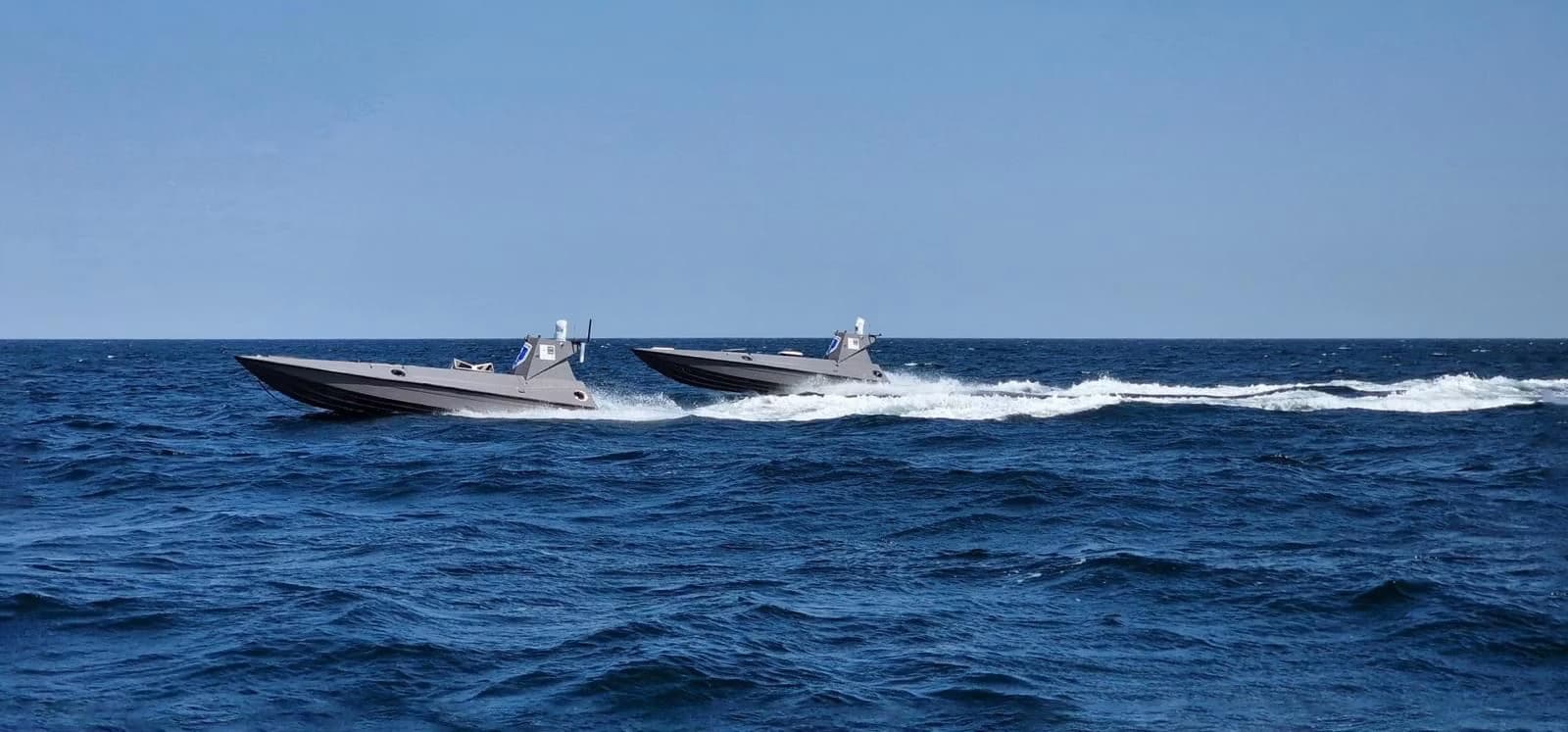
Kraken manufactures a family of autonomous surface vessels designed for naval operations that are too dangerous, dull, or dirty for crewed ships. Three products anchor the portfolio.
- K3 Scout: A smaller vessel built for surveillance, logistics resupply, and precision strikes.
- K4 Manta: A high-speed craft capable of both surface transit and covert sub-surface operations.
- K5 Kraken: An unmanned surface vehicle (USV) engineered for coastal and near-shore combat.
The company already holds contracts with the UK Ministry of Defence, NATO European partners, and US Special Operations Command. That customer base suggests Kraken's products have passed the proof-of-concept stage and are moving toward operational deployment.
Why maritime defence is suddenly hot
Drones and AI have dominated defence tech headlines. But investors are now turning toward maritime, for one practical reason: subsea infrastructure.
Europe's undersea cables and pipelines have become obvious targets. The Nord Stream sabotage in 2022 demonstrated how vulnerable critical infrastructure remains. Since then, multiple suspicious incidents involving undersea cables have heightened concern in NATO capitals. Autonomous vessels that can patrol, surveil, and respond without risking human lives fit the emerging threat model.
The timing matters for founders watching defence tech. European governments are no longer just talking about rearmament. They are writing checks. The NATO Innovation Fund's participation in this round signals that the alliance itself sees maritime autonomy as a strategic priority, not a speculative bet.
Manufacturing partnerships across three continents
Kraken is not trying to build everything in-house. The company has signed manufacturing partnerships with Rheinmetall in Germany, Anduril Industries in the United States, and Inocea's Davie Shipbuilding in Canada. Additional partnerships are pending in the Middle East and Indo-Pacific.
This approach carries strategic logic. Defence procurement is intensely political. Governments prefer to buy equipment built, at least partially, on their own soil. By distributing manufacturing, Kraken can sell into multiple markets without triggering the protectionist reflexes that often block foreign defence contractors.
It also de-risks production. A single factory can be bombed, flooded, or sanctioned. Distributed manufacturing makes the supply chain harder to disrupt.
What the funding will finance
Mal Crease, Kraken's founder and CEO, described the plan in broad strokes: accelerate global rollout and deploy "hardened, reliable, mission-ready capabilities for NATO and its worldwide partners at an unprecedented scale in the maritime domain."
Translated: more factories, more vessels, faster delivery. The emphasis on "hardened" and "mission-ready" suggests Kraken is past the demo phase. These are products intended for actual conflict, not trade shows.
The competitive landscape
Kraken is not alone. The maritime autonomy space includes established players like L3Harris and Saab, along with newer entrants. Anduril, one of Kraken's manufacturing partners, also builds autonomous systems and could theoretically become a competitor in certain segments.
The partnership structure suggests a tacit division of labor. Anduril dominates in certain US markets; Kraken focuses on Europe and allied nations. Whether that arrangement holds as both companies grow remains an open question.
Logicity's Take
Kraken's round validates a thesis that European defence tech is no longer a niche. For founders, the strategic lesson is clear: the continent's rearmament push is creating real demand, not just political rhetoric. But the real signal here is the investor mix. When NATO's own fund, a legacy defence contractor like Rheinmetall, and pure VC all co-invest, it suggests the market sees both commercial returns and geopolitical necessity aligned. Startups building dual-use technologies for maritime, space, or critical infrastructure protection should expect a more receptive funding environment in 2025 than at any point in the last decade.
What to watch next
The pending partnerships in the Middle East and Indo-Pacific will reveal how far Kraken's ambitions extend. Both regions face maritime security challenges, from Houthi attacks in the Red Sea to tensions in the South China Sea. Governments there are actively shopping for naval capabilities.
The question for Kraken, and for Europe's defence tech sector broadly, is whether companies can scale production fast enough to meet demand. Defence ministries are impatient. They want systems that work, delivered now, not prototypes that might be ready in five years.
Frequently Asked Questions
What is Kraken Technology Group?
Kraken is a London-based defence startup that designs and manufactures uncrewed autonomous maritime vehicles for naval surveillance, logistics, and combat operations.
How much did Kraken raise in its Series B?
Kraken raised $175 million in Series B funding, led by DTCP, with participation from NATO Innovation Fund, Rheinmetall, British Business Bank, and others.
What products does Kraken manufacture?
Kraken builds three core vessels: K3 Scout for surveillance and strikes, K4 Manta for high-speed surface and sub-surface operations, and K5 Kraken for coastal combat.
Who are Kraken's current customers?
Kraken holds contracts with the UK Ministry of Defence, NATO European partners, and US Special Operations Command.
Why is maritime defence tech attracting investment now?
Growing threats to subsea infrastructure like undersea cables and pipelines have made maritime security a priority for European governments and NATO.
Need Help Implementing This?
If you're a defence tech founder navigating procurement cycles or scaling manufacturing partnerships, reach out to our team at Logicity. We track funding rounds, policy shifts, and market opportunities across the European tech sector.
Source: Sifted
Manaal Khan
Tech & Innovation Writer
Produced with AI assistance and reviewed by the Logicity editorial team. Learn more in our Editorial Policy.