Key Takeaways
- The Crystal Ball Nebula (NGC 1514) is a planetary nebula 1,500 light-years from Earth in the constellation Taurus
- The nebula contains two stars orbiting each other every nine years, with one star dying and releasing its outer layers
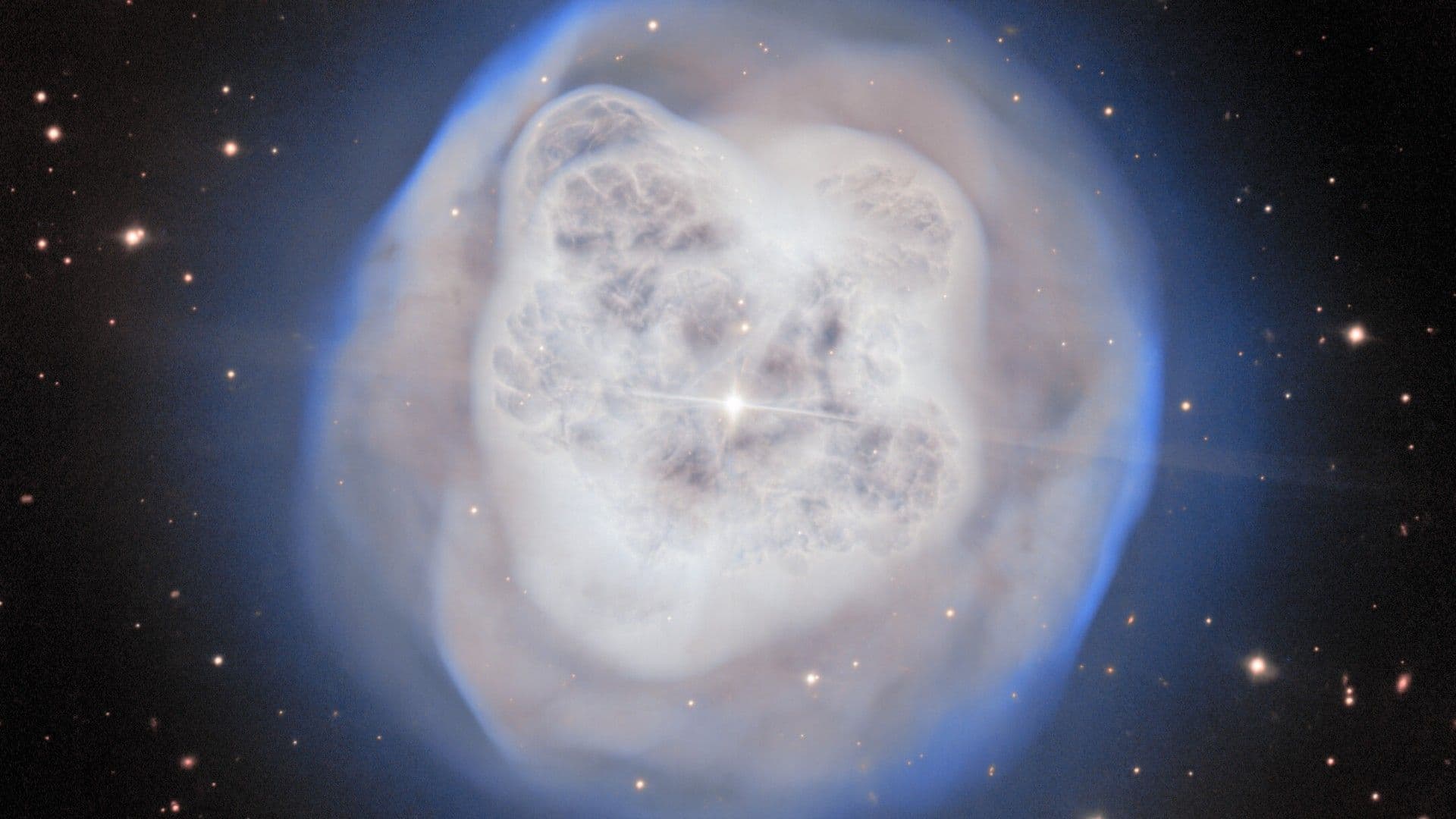
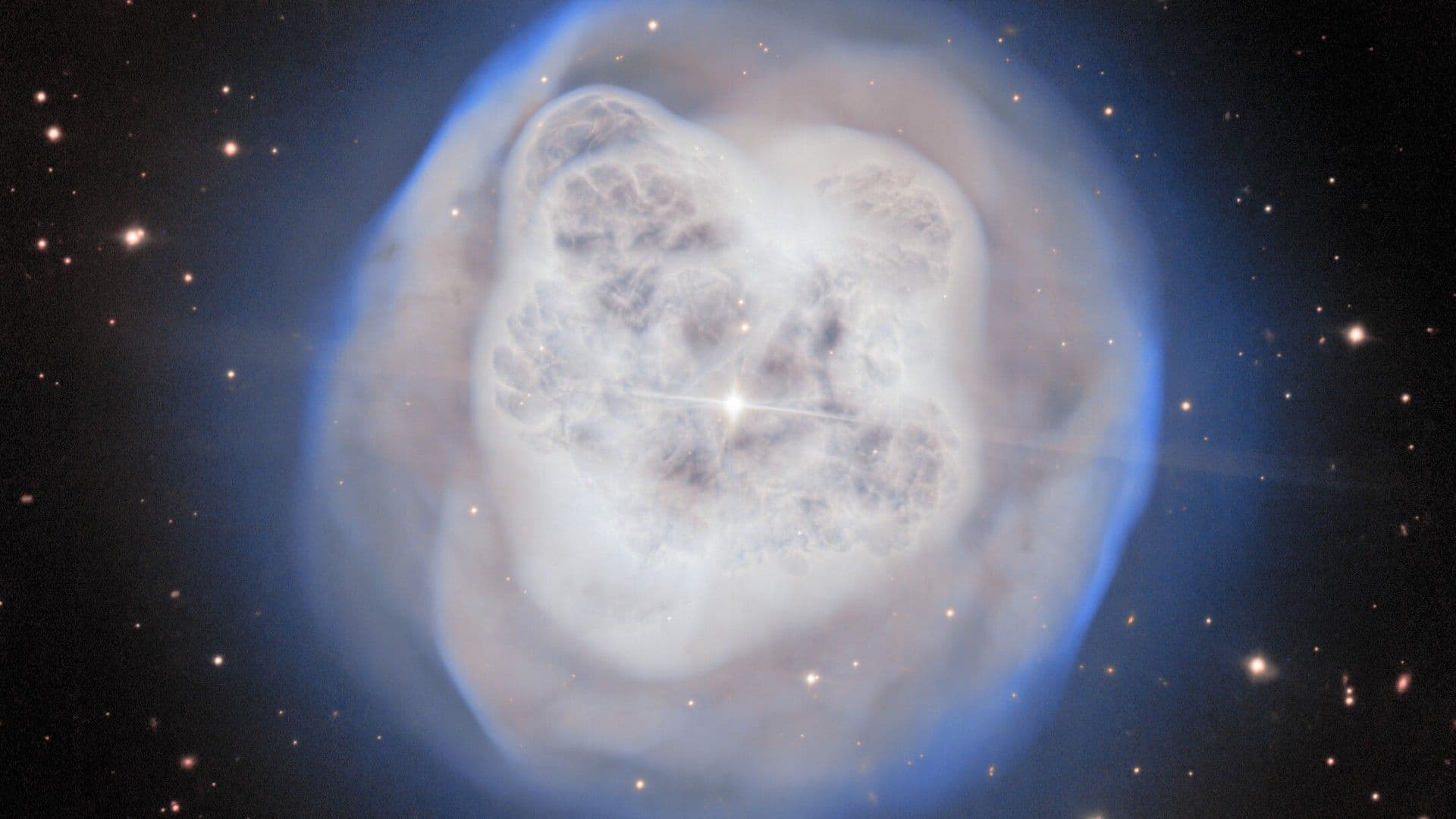
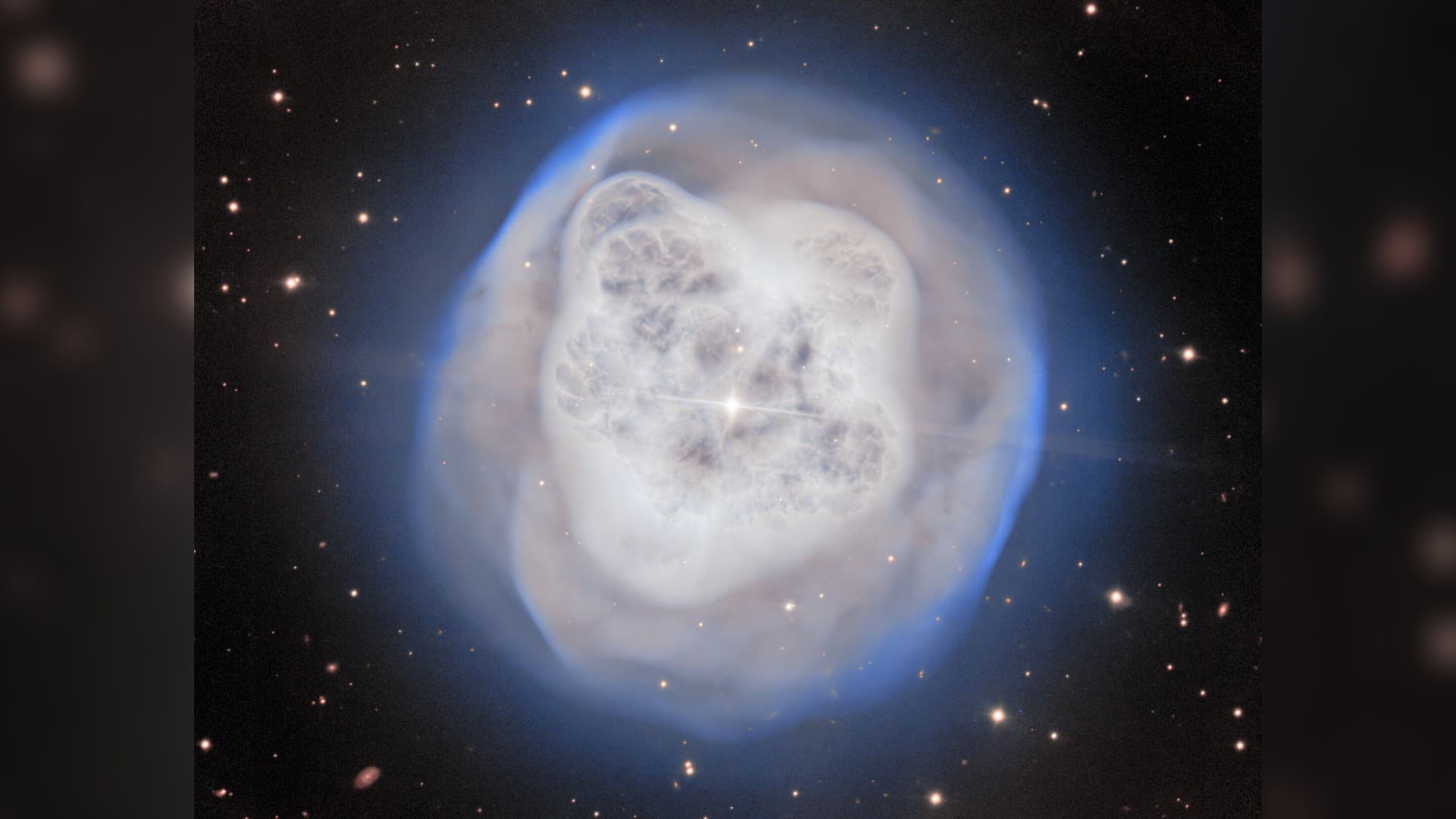
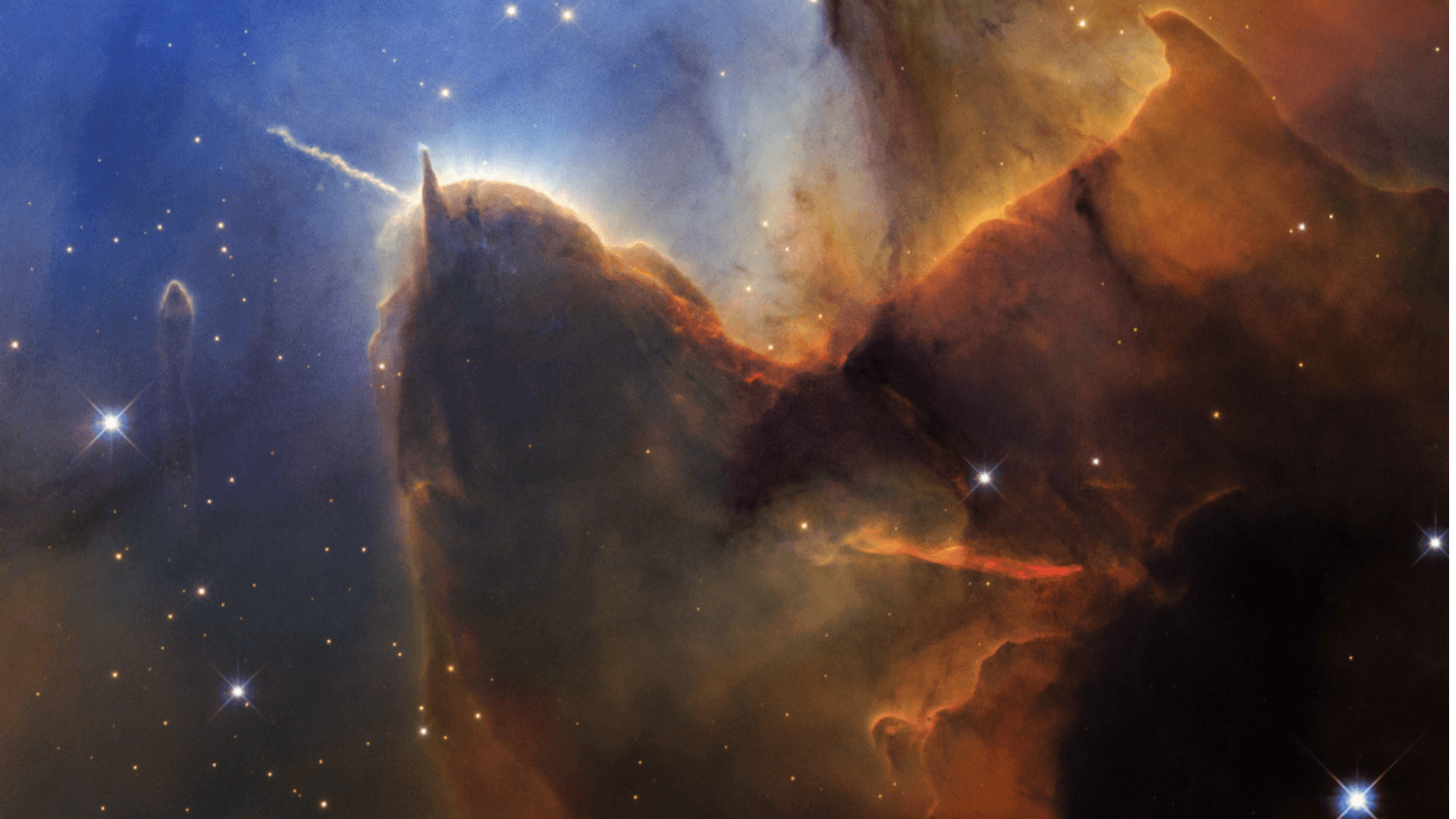
- The Gemini North telescope at Maunakea, Hawaii captured this image showing the lumpy gas layers shaped by the binary stars' asymmetrical winds
The Gemini North telescope in Hawaii has given us a glimpse into a cosmic time capsule. A new image released by NOIRLab shows the Crystal Ball Nebula, a glowing sphere of gas surrounding two dying stars 1,500 light-years away.
The nebula, officially catalogued as NGC 1514, sits in the constellation Taurus. What makes this object unusual is that we are not looking at a single dying star. We are watching a binary system, two stars locked in a gravitational dance, completing one orbit around each other every nine years.
What Creates a Planetary Nebula
The name "planetary nebula" is a historical misnomer. These objects have nothing to do with planets. Early astronomers named them for their round, planet-like appearance through small telescopes.
Planetary nebulas form when stars reach the end of their lives. As a star exhausts its nuclear fuel, it begins shedding its outer layers into space. These expanding shells of gas create the glowing orbs we see today.
In NGC 1514, one of the two stars was once several times more massive than our Sun. That star is now dying and releasing its outer atmosphere. The result is the spherical cloud of gas visible in the new Gemini image.
Binary Stars Shape the Gas
The Crystal Ball Nebula is not a perfect sphere. Look closely at the image and you will see lumpy, uneven layers in the gas cloud. This texture comes from the interaction between the two stars.
“As the progenitor star and its binary companion orbit each other, they mold the expanding shell of gas with their strong, asymmetrical winds, forming the lumpy layers we see today.”
— NOIRLab
The gravitational pull and stellar winds from both stars sculpt the gas as it expands outward. This creates the irregular structure that makes NGC 1514 visually interesting.
Looking 1,500 Years Into the Past
Light travels at a finite speed. The photons captured in this image left the Crystal Ball Nebula 1,500 years ago. When we look at NGC 1514, we see it as it was around the year 526 CE, during the fall of the Roman Empire.
The name "Crystal Ball" carries an ironic twist. Crystal balls in folklore are used to see the future. This cosmic crystal ball does the opposite. It shows us the distant past, frozen in light.
About the Gemini North Telescope
The Gemini North telescope sits atop Maunakea in Hawaii, one of the best astronomical observing sites on Earth. The telescope is operated by the International Gemini Observatory, part of the U.S. National Science Foundation's NOIRLab.
Gemini North works alongside its twin, Gemini South, located in Chile. Together they provide coverage of the entire sky. The Crystal Ball Nebula image was processed by a team including J. Miller, M. Rodriguez, T.A. Rector from the University of Alaska Anchorage, and D. de Martin and M. Zamani from NOIRLab.

Logicity's Take
Frequently Asked Questions
What is the Crystal Ball Nebula?
The Crystal Ball Nebula (NGC 1514) is a planetary nebula located 1,500 light-years from Earth in the constellation Taurus. It contains two stars, one of which is dying and shedding its outer layers.
Why is it called a planetary nebula if it has nothing to do with planets?
Early astronomers named these objects planetary nebulas because their round, orb-like shapes resembled planets when viewed through small telescopes. The name stuck despite being misleading.
How far away is the Crystal Ball Nebula?
NGC 1514 is approximately 1,500 light-years from Earth. This means the light in the new Gemini image left the nebula 1,500 years ago.
Where is the Gemini North telescope located?
The Gemini North telescope is located at Maunakea in Hawaii. It is operated by the International Gemini Observatory, part of the U.S. National Science Foundation's NOIRLab.
Need Help Implementing This?
Source: Latest from Space.com
Huma Shazia
Senior AI & Tech Writer
Produced with AI assistance and reviewed by the Logicity editorial team. Learn more in our Editorial Policy.