Key Takeaways
- The Ferrari Luce EV is sold out through 2027, about a year after deliveries begin in October 2026
- The $640,000 electric supercar produces 1,050 HP and hits 62 mph in 2.5 seconds
- Buyers include collectors seeking access to future limited-run Ferraris and new customers attracted to the brand's EV entry
The internet hates the Ferrari Luce. That hasn't stopped people from buying it.
Ferrari's first fully electric vehicle is sold out through the end of 2027, roughly a year after deliveries begin in October 2026. CEO Benedetto Vigna told Bloomberg that orders are coming from both established Ferrari collectors and customers new to the brand.
Vigna didn't share specific order numbers. But at a starting price of €550,000 ($640,000), the Luce was always going to be a low-volume supercar. Ferrari appears to have calculated demand correctly.
The Design That Divided Ferrari Fans
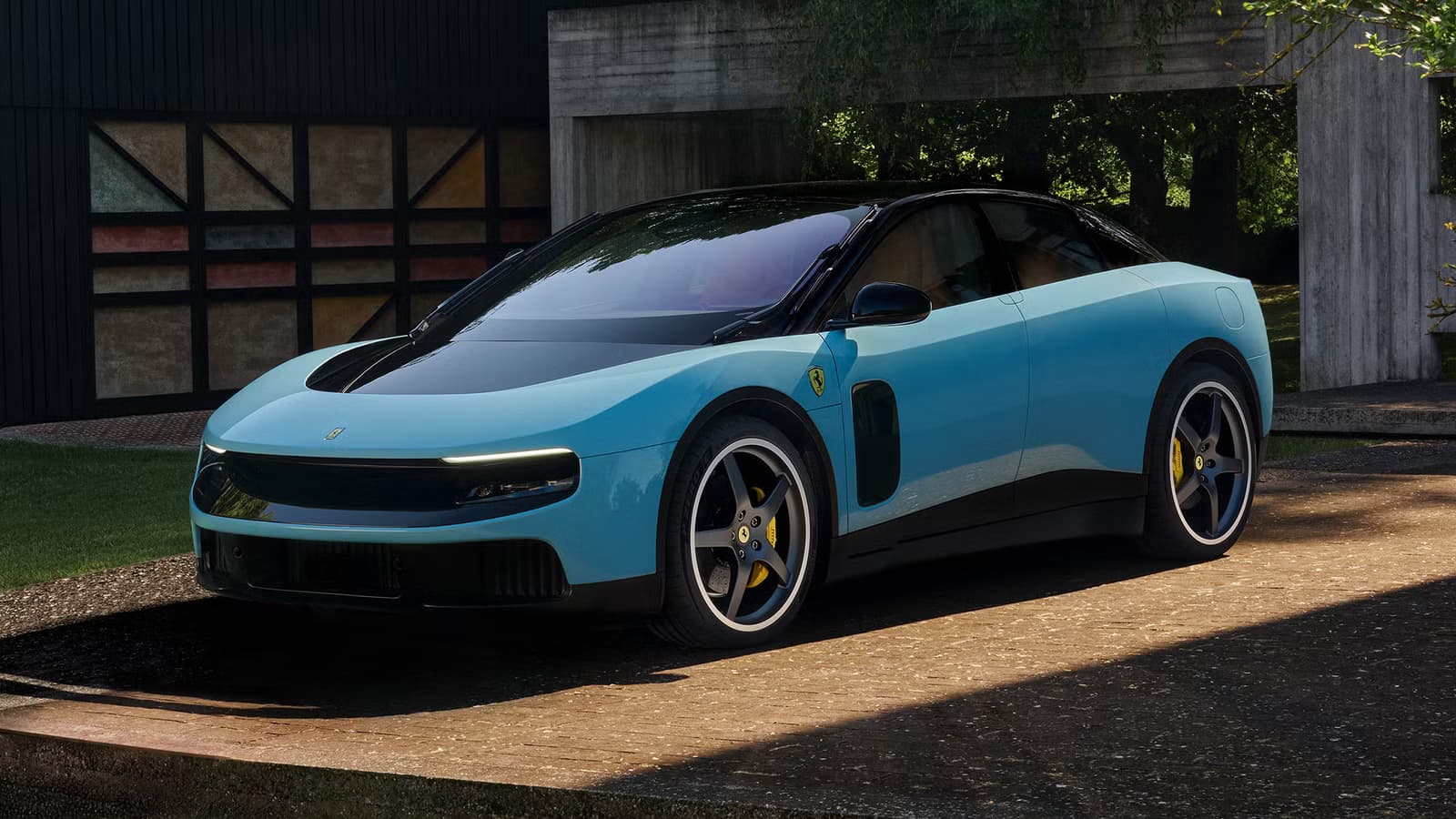
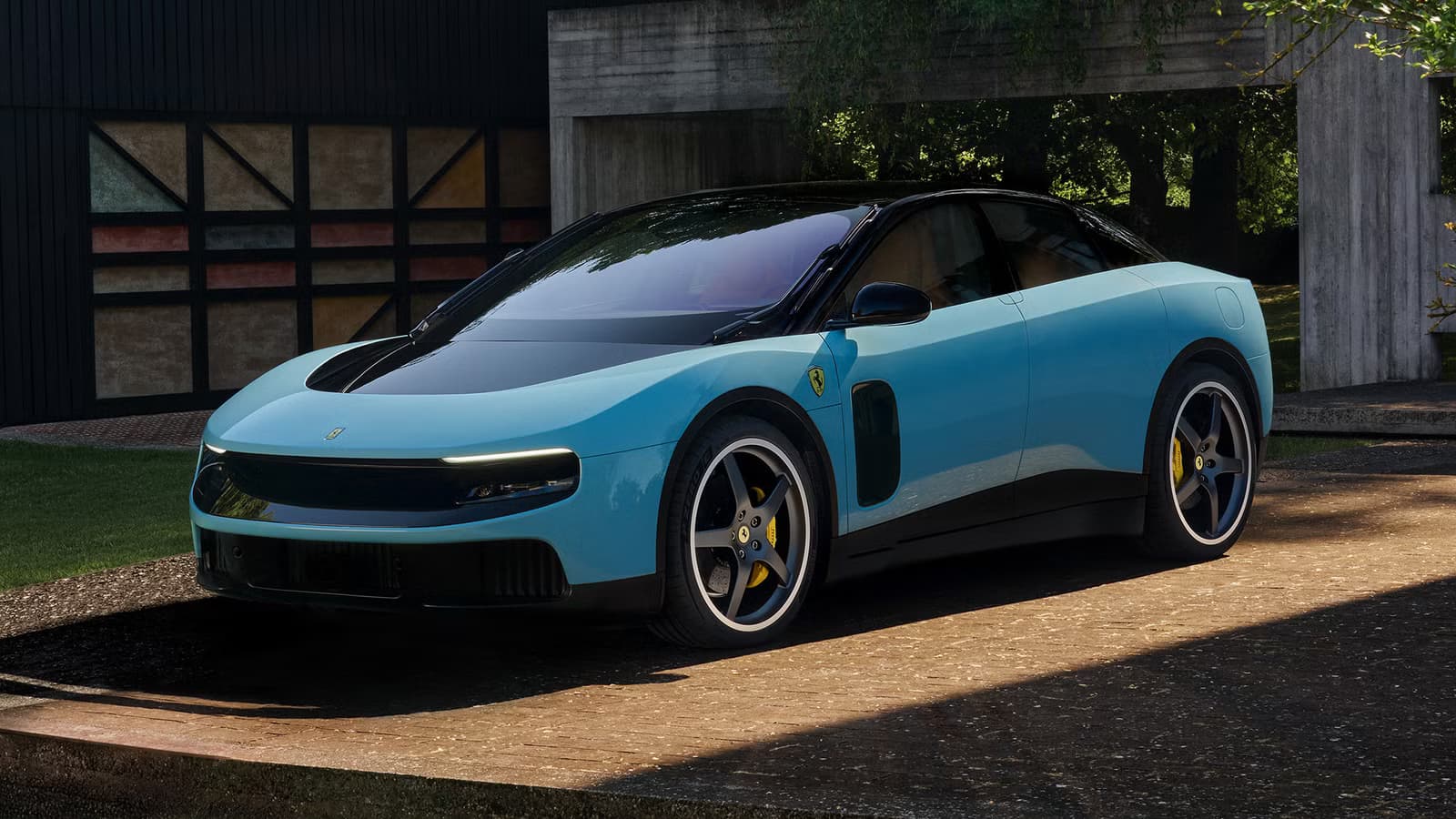
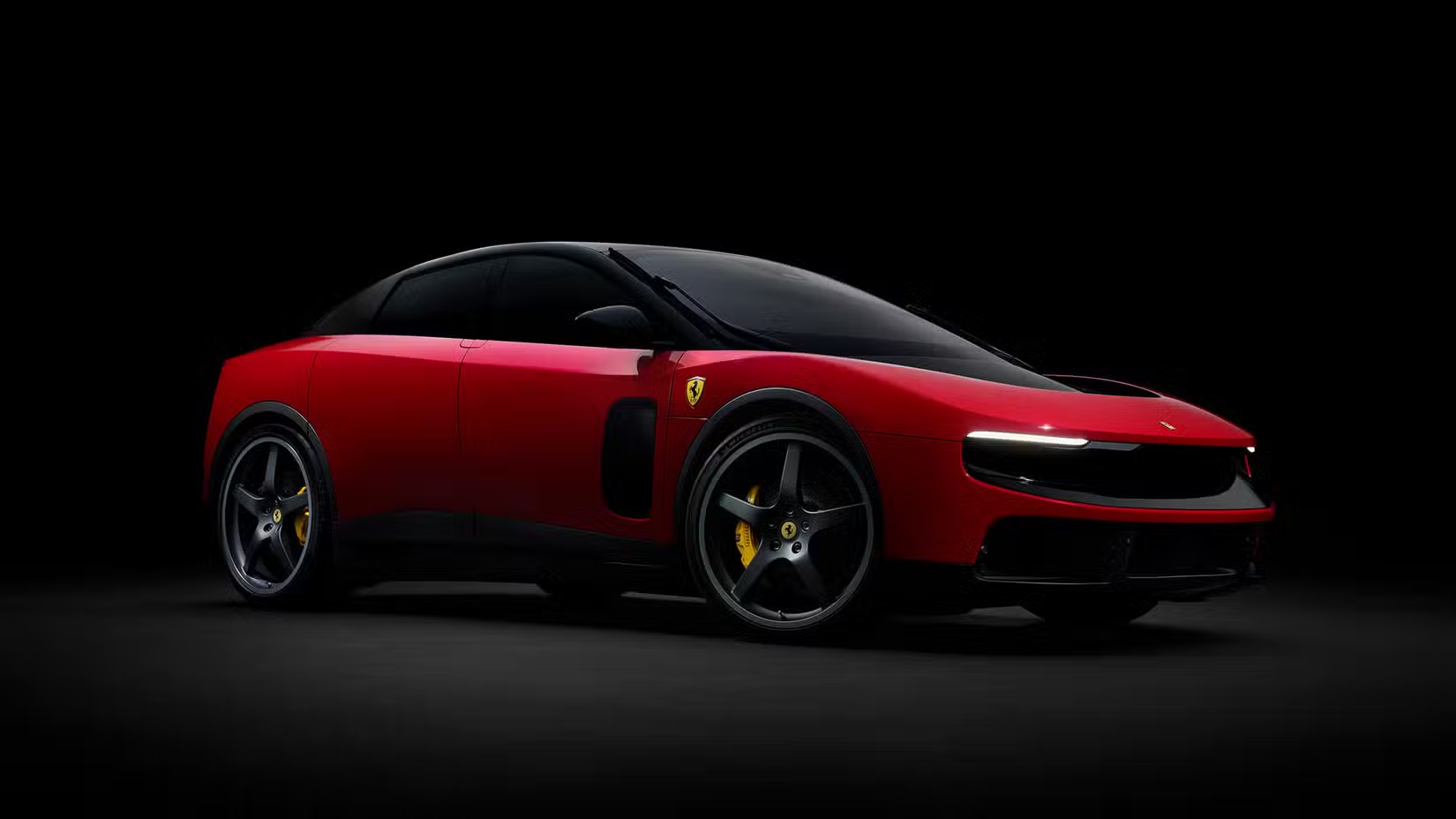
The Luce's exterior was designed by former Apple chief designer Jony Ive and his collective LoveFrom. That collaboration produced something unusual: a tall, minimalist body that looks more like a tech product than a traditional Italian sports car.
Most Ferraris, even the four-door Purosangue, share a classic coupe profile. The Luce abandons that entirely. Critics say it looks more at home on Apple's Cupertino campus than in Maranello.
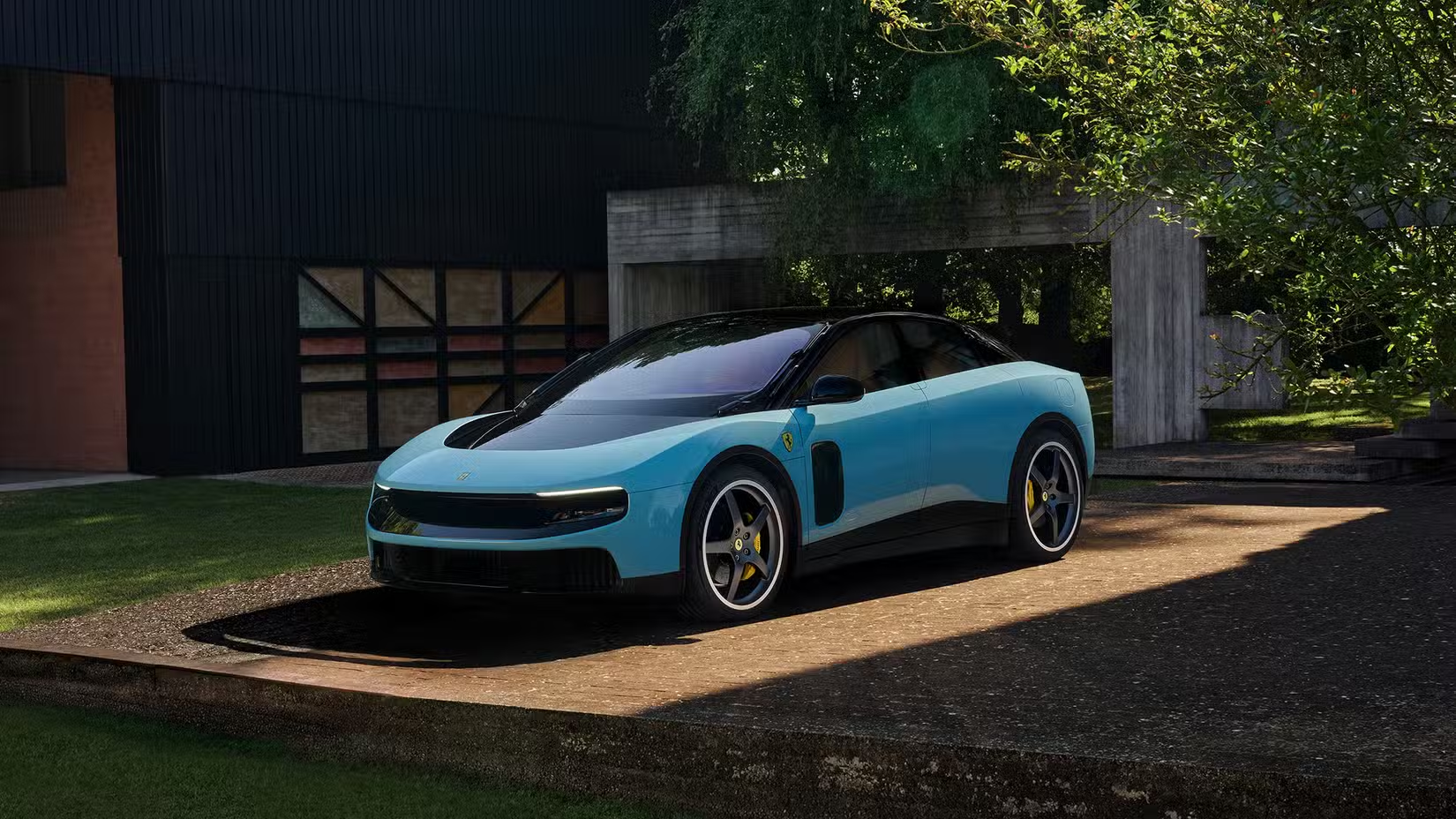
Former Ferrari chief Luca di Montezemolo even suggested the brand should remove the prancing horse logo from the car. That's a brutal critique from someone who ran the company for over two decades.
“The Luce represents not just a new engine, but a new philosophy of luxury that respects our heritage while daring to abandon the combustion-era constraints of what a Ferrari must look like.”
— Benedetto Vigna, CEO of Ferrari
Performance That Justifies the Price
Whatever you think of the styling, the Luce is fast. Its quad-motor all-wheel-drive powertrain produces 1,050 HP and launches the car from 0 to 62 mph in 2.5 seconds. That makes it one of the quickest production Ferraris ever built.
Ferrari claims a 329-mile range on a full charge. The company also promises its signature driving agility will translate to the electric platform.
The Luce's most obvious competitor is the Porsche Taycan Turbo GT. The Porsche costs considerably less. But the Ferrari offers more luxury, more exclusivity, and access to one of the most coveted badges in automotive history.
“It's not a car; it's a living room on wheels that happens to be able to out-accelerate a rocket ship. Whether that makes it a Ferrari is for the purists to decide, but the order book speaks for itself.”
— Analyst at Automotive Research Global
Who's Actually Buying the Luce?
It's tempting to dismiss the Luce as a compliance car. Automakers sometimes build EVs they don't expect to sell well, just to meet emissions regulations while continuing to profit from gas-powered models.
The reality is more complex. Ferrari's buyer base includes several groups with different motivations.
Collectors Protecting Future Access
Ferrari reserves its most exclusive models for its most devoted customers. If you want an invitation to buy a limited-run special edition or the F80 hypercar, you need to prove your loyalty first.
Collectors who own multiple Ferraris and routinely spend extra on options know the game. Buying a Luce might improve their chances of getting that invite to the next hypercar allocation.
Daily Drivers Within the Brand
Some Ferrari owners want to stay in the brand but need something practical. They might drive a 12Cilindri or 849 Testarossa on weekends while using a Luce for daily commutes and family outings.
The Luce's spacious interior and electric efficiency make it far more practical than a mid-engine V12 for everyday use.
New Customers Attracted by the Tech
Then there are buyers who never considered a Ferrari before. The Luce's tech-forward design and electric powertrain might appeal to people who made their money in tech, not finance. They see a Jony Ive design and recognize their aesthetic.
Community Reaction: Split Down the Middle
Online discussion has been predictably heated. On Hacker News, users debate whether the minimalist aesthetic represents "design by committee" or a bold vision that Ferrari's brand can survive regardless.
Reddit's car communities show intense division. Some enthusiasts mourn the loss of Ferrari's V12 howl. Others celebrate the 1,050 HP specs. Several threads mock the design by comparing it to a Nissan Leaf.
Elon Musk weighed in on X with a cryptic reaction to what he called the "glass house" aesthetic. That sparked its own debate about luxury versus utilitarian design philosophy.
Logicity's Take
Frequently Asked Questions
How much does the Ferrari Luce EV cost?
The Ferrari Luce starts at €550,000, which translates to approximately $640,000. This makes it significantly more expensive than the Purosangue and most other models in Ferrari's lineup.
When will Ferrari Luce deliveries begin?
Ferrari plans to begin Luce deliveries in October 2026. The car is already sold out through the end of 2027.
How fast is the Ferrari Luce EV?
The Luce accelerates from 0 to 62 mph in 2.5 seconds, making it one of the fastest production Ferraris ever built. Its quad-motor system produces 1,050 HP.
Who designed the Ferrari Luce?
The Luce's exterior was designed by LoveFrom, the design collective led by former Apple chief designer Jony Ive and Marc Newson.
What is the range of the Ferrari Luce EV?
Ferrari claims a 329-mile range for the Luce on a full charge.
Need Help Implementing This?
Source: How-To Geek
Huma Shazia
Senior AI & Tech Writer
Produced with AI assistance and reviewed by the Logicity editorial team. Learn more in our Editorial Policy.