Key Takeaways
- Andrew Dai raised $55M at a $300M pre-product valuation, one of the most aggressive ratios in AI startup history
- He chose strategic partners like Nvidia and Menlo Ventures over higher valuation offers
- Visual AI and visual reasoning remain underdeveloped compared to math, coding, and language models
Andrew Dai left Google DeepMind with a specific thesis: visual AI is the next frontier, and the field is ripe for a new entrant. Months later, he had $55 million in the bank and a $300 million valuation for Elorian, a company with no product. That 5.5x capital-to-valuation ratio beats even Thinking Machines, one of the most aggressively priced AI rounds in U.S. history.
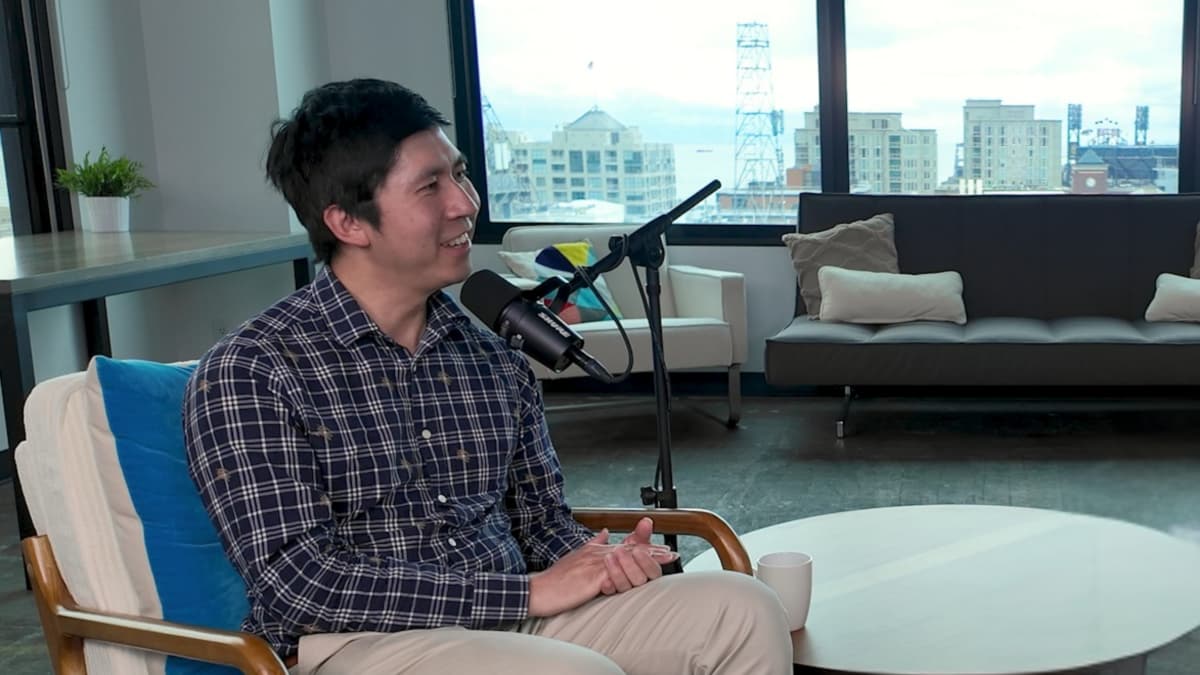
In a TechCrunch Build Mode interview, Dai explained why he believes visual understanding lags behind other AI capabilities and how he convinced top-tier investors to bet on his vision before he built anything.
Why visual AI, and why now?
Dai spent more than a decade at DeepMind, contributing to research that later informed ChatGPT's development. He watched language models, coding assistants, and mathematical reasoning systems accelerate. Visual AI did not keep pace.
"You have models that are doing really great at math, really great at new physics ideas, and of course coding is very popular now," Dai said. "But one area where progress has been extremely uneven is visual understanding and visual reasoning."
Elorian's goal is what Dai calls "visual AGI." That phrase is deliberately ambitious. The bet is that visual reasoning will require new architectures, not just scaling existing multimodal models. Whether that bet pays off depends on whether Elorian can produce research that matches DeepMind or OpenAI caliber, then turn it into products before well-funded competitors do.
How did Dai pitch a $300M valuation with no product?
The answer is pedigree plus narrative. Dai's resume gave him credibility. But he still had to translate a highly technical thesis into something investors could evaluate. He described a process of stripping jargon, focusing on the gap in the market, and explaining what specific technical advantages Elorian would pursue.
Crucially, Dai turned down higher offers. He chose Nvidia and Menlo Ventures as strategic partners because they understood the capital requirements and timeline of frontier AI research. A firm offering a higher valuation but expecting fast commercial returns would have created misaligned incentives.
This is a counterintuitive lesson. Founders often optimize for valuation because it minimizes dilution. Dai's argument is that the wrong investor at a high valuation creates pressure that damages long-term research bets. For frontier AI, where products may take years, investor patience matters more than price.
What VCs want from frontier AI startups
Dai outlined several factors that top firms evaluate. First, founder credibility. A decade at DeepMind, with contributions to influential systems, signals that the founder can execute. Second, a clear thesis about where the technology is headed and why incumbents will not capture that opportunity. Third, a realistic view of capital intensity. Frontier AI is expensive. Investors want founders who understand burn rates and do not pretend otherwise.
He also stressed speed. In AI, competitive advantages erode fast. A startup that takes two years to ship what a well-funded rival can build in six months is dead. Elorian's pitch included a plan for rapid iteration, not just a long-term research agenda.
Recruiting researchers away from Big Tech
Talent is the bottleneck. Dai's playbook: offer equity upside, autonomy, and a mission. Big Tech labs pay well, but researchers often feel constrained by product roadmaps or bureaucracy. A startup can offer a direct line between research and impact.
The risk is obvious. Google, Meta, and OpenAI can match equity packages and offer more stability. Dai's pitch is that Elorian is a chance to shape a new field, not increment an existing one. Whether that resonates depends on the individual researcher's appetite for risk.
What moats exist in AI?
Dai acknowledged that AI moats are fragile. Models can be replicated. Data advantages erode as synthetic data improves. His answer: speed and focus. A startup that moves faster and stays narrowly focused on visual reasoning can outpace larger, more distracted competitors.
That is not a durable moat in the traditional sense. It is a claim that execution discipline can substitute for structural barriers. Investors seem to agree, at least for now. Whether Elorian can maintain that edge once larger labs prioritize visual AI remains the open question.
Logicity's Take
A $300M pre-product valuation is extraordinary, but Dai's logic is coherent. Visual AI is genuinely underdeveloped relative to language and code. The risk is that Google, OpenAI, or Anthropic can redirect resources and close the gap faster than Elorian can establish itself. Dai's decision to prioritize strategic investors over higher valuations is smart: Nvidia's compute access and Menlo's patience buy time. Founders evaluating similar fundraises should note that investor fit matters more than sticker price when the research timeline is multi-year.
Frequently Asked Questions
How much did Elorian raise and at what valuation?
Elorian raised $55 million in a seed round at a $300 million valuation, before launching any product.
Who is Andrew Dai?
Andrew Dai is a former Google DeepMind researcher with over a decade of experience building AI systems, including work that informed ChatGPT's development. He founded Elorian to pursue visual AI.
Why did Dai turn down higher valuation offers?
He prioritized investors like Nvidia and Menlo Ventures who understood frontier AI's capital requirements and long timelines over firms offering higher valuations but expecting faster commercial returns.
What is Elorian building?
Elorian is focused on visual AI, specifically visual understanding and visual reasoning. Dai has described the goal as working toward 'visual AGI.'
How can AI startups compete with Big Tech labs?
According to Dai, startups compete through speed, focus, and offering researchers autonomy and mission-driven work that larger labs cannot match.
A practical comparison of AI tooling for teams evaluating the operational side of emerging AI capabilities.
Context on how AI infrastructure demands are reshaping venture capital allocation in 2026.
Need Help Implementing This?
If you're a founder preparing a technical pitch for investors or building internal AI capabilities, reach out to Logicity's consulting team for strategy support and vendor evaluation.
Source: TechCrunch / Maggie Nye
Huma Shazia
Senior AI & Tech Writer
Produced with AI assistance and reviewed by the Logicity editorial team. Learn more in our Editorial Policy.




