Key Takeaways
- Eidos Montreal founder Stephane D'Astous argues that modern gaming executives prioritize financial metrics over creative passion
- Saudi Arabia's sovereign wealth fund and Tencent have reshaped industry power dynamics in ways unimaginable 15 years ago
- D'Astous warns that poorly funded Covid-era projects will produce disappointing results in coming years
Stephane D'Astous, who founded Eidos Montreal and oversaw the studio that revived Deus Ex, has a blunt diagnosis for what ails the gaming industry: the people writing the checks no longer care about games. In a recent interview with Thunderpick, D'Astous argued that today's gaming executives are "much more Excel than passion-driven," a shift he traces to the rise of mega-corporations and sovereign wealth funds over the past 15 years.
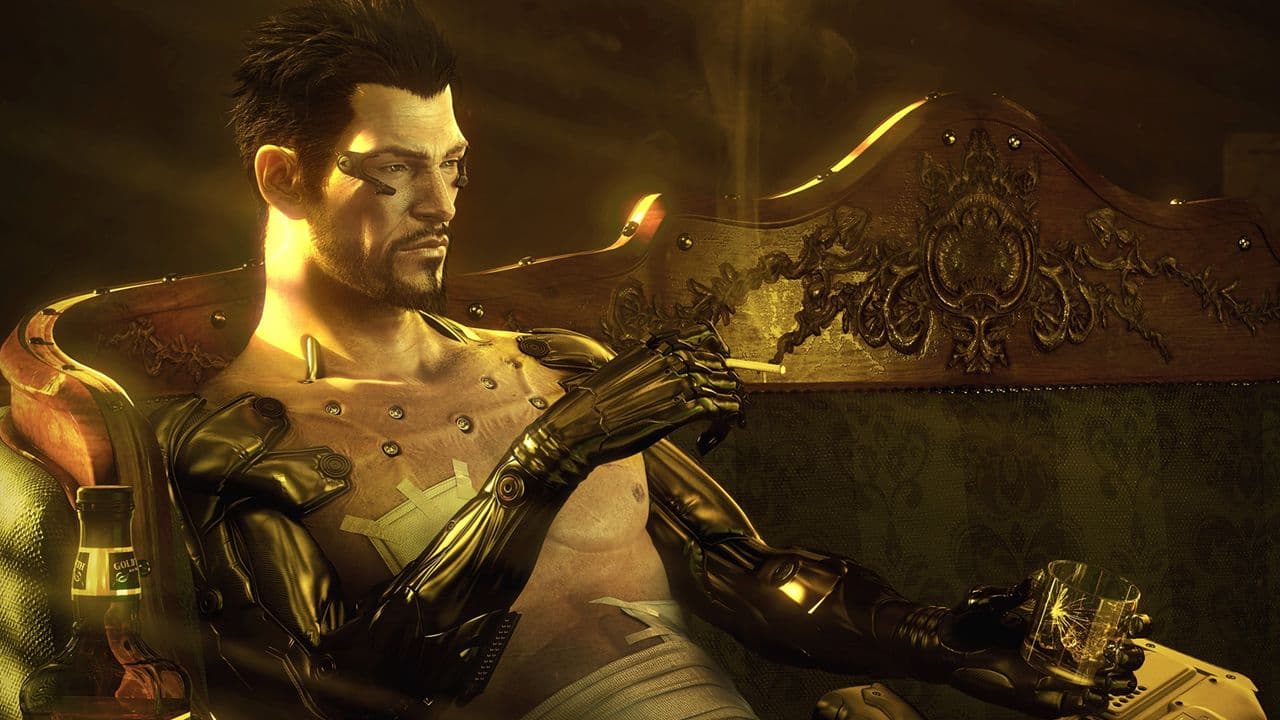
The critique lands differently coming from D'Astous. He built Eidos Montreal from scratch in 2007 and ran it until 2013, delivering Deus Ex: Human Revolution along the way. He watched from the inside as the industry's power centers migrated from publishers who grew up playing games to financial entities who view them as line items.
Who controls gaming now?
D'Astous pointed to two players who barely registered on the industry map in 2010: Tencent and Saudi Arabia's Public Investment Fund. "15 years ago Tencent existed but it wasn't the 800-pound gorilla it is today," he said. Tencent pulled in $96.2 billion in gaming revenue in 2023, making it the largest gaming company on the planet. Meanwhile, Saudi Arabia's PIF has earmarked $38 billion for gaming investments, a figure that dwarfs most traditional publishers' entire market capitalizations.
D'Astous posed a question that would have seemed absurd a decade ago: "If you look at the sovereign fund of Saudi Arabia that has unlimited resources buying up EA, 15 years ago who would have said that EA was on the chopping block to be bought?"

The concentration of capital has changed who calls the shots. "The people with the money and the decision power are much fewer, and their pockets are much deeper," D'Astous explained. Fewer decision-makers, bigger budgets, less room for creative risk. The math favors sequels, franchises, and live-service games with predictable revenue curves.
Unrealistic expectations from executives who don't play games
D'Astous offered a concrete example of what this mentality produces. He claims he's been asked multiple times to deliver a "Witcher 3-like game with a limited budget in less than four years with a new team." For context: CD Projekt Red spent over five years developing The Witcher 3 with an experienced studio and a budget estimated north of $80 million. Expecting similar results in less time, with less money, and without an established team isn't ambitious. It's delusional.
This disconnect between executive expectations and development reality has consequences. The industry shed over 10,900 jobs in 2023 alone, and 2024 continued the trend. Studios get greenlit based on spreadsheet projections, then gutted when reality doesn't match the model.
The Covid funding hangover
D'Astous also blamed the pandemic-era investment boom for what's coming next. "Thousands of projects were given money during Covid," he said. "When I saw some of those... I said, 'That idea was funded? Oh my god, this is bad news.'" He predicts we'll see the consequences of those poor investments hit the market in the next few years.
The pattern is familiar. Low interest rates and stay-at-home gaming booms convinced investors to pour money into studios. When rates rose and the boom faded, the projects kept chugging toward release. Many will launch, underperform, and trigger another round of layoffs. The executives who greenlit them will move on. The developers who built them will look for work.
Is there a way out?
D'Astous doesn't see conditions improving soon. Publicly traded publishers face quarterly earnings pressure. Sovereign funds answer to governments seeking returns. Neither structure rewards the patient, iterative work that produces games people remember.
The irony is that the industry's biggest recent successes often came from studios that ignored the spreadsheet logic. Larian spent years on Baldur's Gate 3 without publisher interference. FromSoftware built Elden Ring on its own terms. These games dominated not because they chased trends but because they had room to be themselves.
D'Astous cut his teeth in a system where executives might not have been pure-hearted artists, but they at least understood why people played games. "There was the passion of being a gamer," he said. "Playing games, making games, being part of this wild rollercoaster called the video games industry. I'm not sure that the newer execs have the same passion."
Whether passion is necessary to make good games is debatable. What seems harder to argue is that the current model isn't working for the people who actually build them.
Logicity's Take
D'Astous is describing a capital structure problem, not a people problem. When gaming investments flow through sovereign wealth funds and trillion-dollar conglomerates, the decision-makers optimize for what they can measure: return on capital. Creative risk becomes downside exposure. The real question isn't whether executives have passion. It's whether the industry's ownership structure even allows passion to influence decisions anymore. The studios that thrive will be the ones that find ways to stay off the spreadsheet long enough to make something worth playing.
Frequently Asked Questions
Who is Stephane D'Astous?
D'Astous founded Eidos Montreal in 2007 and served as its General Manager until 2013. Under his leadership, the studio developed Deus Ex: Human Revolution. Eidos Montreal was later acquired by Embracer Group from Square Enix in 2022 for approximately $300 million.
How many gaming industry layoffs occurred in 2023?
The gaming industry shed over 10,900 jobs in 2023, with layoffs continuing into 2024. Major publishers and studios across the industry have cut staff despite record revenues.
How much is Saudi Arabia investing in gaming?
Saudi Arabia's Public Investment Fund has targeted $38 billion in gaming investments. The sovereign wealth fund has acquired stakes in numerous gaming companies and has been linked to potential acquisitions of major publishers.
What is Tencent's role in the gaming industry?
Tencent is the world's largest gaming company with $96.2 billion in gaming revenue in 2023. The Chinese conglomerate holds stakes in companies including Riot Games, Epic Games, and Ubisoft.
Why does D'Astous criticize Covid-era gaming investments?
D'Astous argues that low interest rates and pandemic gaming booms led investors to fund projects that shouldn't have been greenlit. He predicts these poorly conceived games will reach market in coming years and underperform.
Need Help Implementing This?
For insights on navigating industry shifts and investment trends in gaming and technology, reach out to the Logicity team for analysis and strategic guidance.
Source: PCGamer latest
Huma Shazia
Senior AI & Tech Writer
Produced with AI assistance and reviewed by the Logicity editorial team. Learn more in our Editorial Policy.