Key Takeaways
- Tata Electronics confirmed a cybersecurity incident weeks after hackers posted 630GB of data on a forum
- The leaked files allegedly include Apple supplier specifications and Tesla manufacturing documents
- The breach threatens India's position as a trusted alternative to China in global tech supply chains
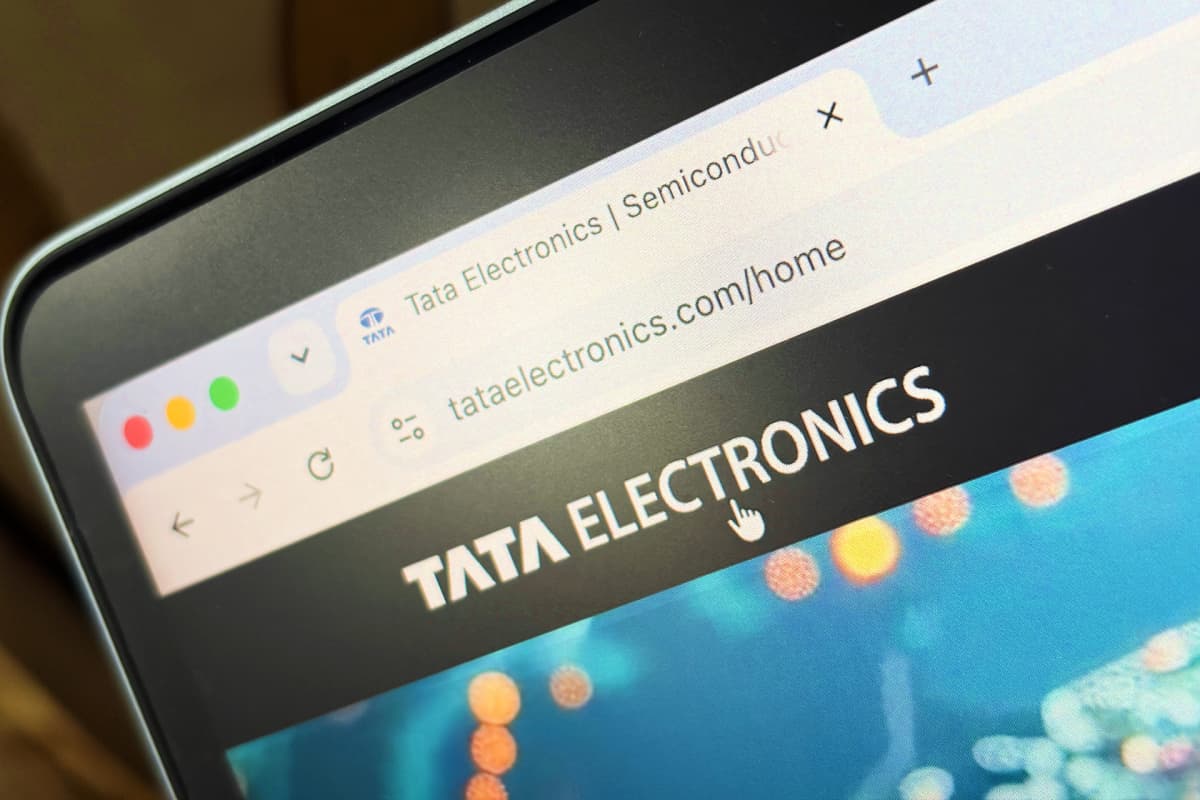
Tata Electronics has confirmed a data breach weeks after hackers posted what they claim is 630GB of stolen data on a forum. The dump allegedly contains Apple supplier specifications and Tesla manufacturing documents, raising questions about security at one of India's most strategically important tech manufacturers.
The company told TechCrunch it identified the incident "a few weeks ago" and activated response protocols. Operations remain unaffected, a spokesperson said. But Tata declined to answer whether Apple or Tesla data was exposed, how many people were affected, or whether customers had been notified.
That silence is telling. Reuters reports that Tata informed some employees at its iPhone assembly operations about the breach last week, and that a ransom demand was made. Apple is reportedly investigating.
What data was stolen from Tata Electronics?
The hacker forum listing claims over 204,300 files totaling more than 630GB. TechCrunch reviewed a sample and found what appear to be Apple supplier specifications and Tesla manufacturing documents. The authenticity and completeness of the data could not be independently verified.
Cybersecurity researcher Rajshekhar Rajaharia told TechCrunch the advertised data included Outlook email conversations, SAP-related information, and documents linked to Tata customers including Apple and Tesla.
Neither Apple nor Tesla responded to requests for comment.
Why Tata Electronics matters to Apple and Tesla
Founded in 2020, Tata Electronics has become central to India's ambitions as a global manufacturing hub. The company employs over 75,000 people across multiple facilities and has partnerships with Apple, ASML, Intel, Qualcomm, and Tesla.
Tata entered iPhone manufacturing in 2023 by acquiring the India operations of Taiwanese contract manufacturer Wistron. It later bought a 60% stake in the Indian unit of Pegatron, another major Apple partner. In 2024, Tata signed a semiconductor supply deal with Tesla.
This expansion reflects a broader industry shift. As manufacturers diversify supply chains beyond China, India has positioned itself as an alternative production hub. Tata sits at the center of that strategy.
The timing problem for India's chip ambitions
The breach comes at a sensitive moment. Tata Electronics has announced an $11 billion investment in India's first AI-enabled semiconductor fab in Gujarat. The company is also building a ₹27,000 crore (roughly $3.2 billion) semiconductor assembly plant in Assam.
For a company that is only six years old and scaling rapidly, a breach of this magnitude creates real questions. How well can Tata protect intellectual property belonging to the world's most valuable companies? And if Tata cannot, will Apple and Tesla look elsewhere?
Supply chain security has become a competitive differentiator. Companies like TSMC in Taiwan have invested heavily in cybersecurity precisely because their customers' crown jewels pass through their systems daily. India's manufacturing sector will face the same scrutiny.
What happens next?
Tata's refusal to detail the breach scope suggests ongoing negotiations or legal concerns. Ransom negotiations are typically conducted in silence.
Apple's investigation will likely determine whether the leaked specifications represent current products, future designs, or historical documents. The distinction matters. Exposed specifications for an unreleased iPhone would be far more damaging than outdated supplier manuals.
Tesla faces a similar calculus. Manufacturing documents could reveal production processes, supplier relationships, or cost structures that competitors would find valuable.
Apple's upcoming foldable adds urgency to supply chain security concerns
Frequently asked questions
Frequently Asked Questions
What was stolen in the Tata Electronics data breach?
Hackers claim to have 630GB of data including over 204,300 files. Samples reviewed by TechCrunch contained what appear to be Apple supplier specifications and Tesla manufacturing documents. The full scope has not been confirmed by Tata.
Was Apple customer data exposed?
The leaked files appear to be supplier specifications and business documents, not consumer data. However, Tata has not disclosed exactly what was compromised.
Did Tata Electronics pay a ransom?
Reuters reports a ransom demand was made, but it is unclear whether Tata paid or is negotiating. The company has not commented on ransom demands.
How does this affect Tata's Apple and Tesla partnerships?
Both companies are reportedly investigating. A breach of this scale could affect future contract negotiations, though Tata remains a critical supplier for India manufacturing.
When did the Tata Electronics breach happen?
Tata says it identified the incident "a few weeks ago" before the June 2026 confirmation. The exact date has not been disclosed.
Logicity's Take
This breach tests the premise that India can replace China in global tech supply chains. China's contract manufacturers have decades of security hardening and lessons learned. Tata is six years old, scaling at breakneck speed, and just exposed files belonging to the two most valuable tech companies on Earth. The real question is not whether Tata survives this incident but whether Apple and Tesla decide that India's cost advantages outweigh its security risks. If they do, expect mandatory security audits to become standard in every new supplier contract.
Need Help Implementing This?
Logicity partners with cybersecurity consultants who specialize in supply chain security assessments and incident response planning. Contact our team to connect with vetted experts who can evaluate your vendor risk exposure.
Source: TechCrunch / Jagmeet Singh
Huma Shazia
Senior AI & Tech Writer
Produced with AI assistance and reviewed by the Logicity editorial team. Learn more in our Editorial Policy.




