Key Takeaways
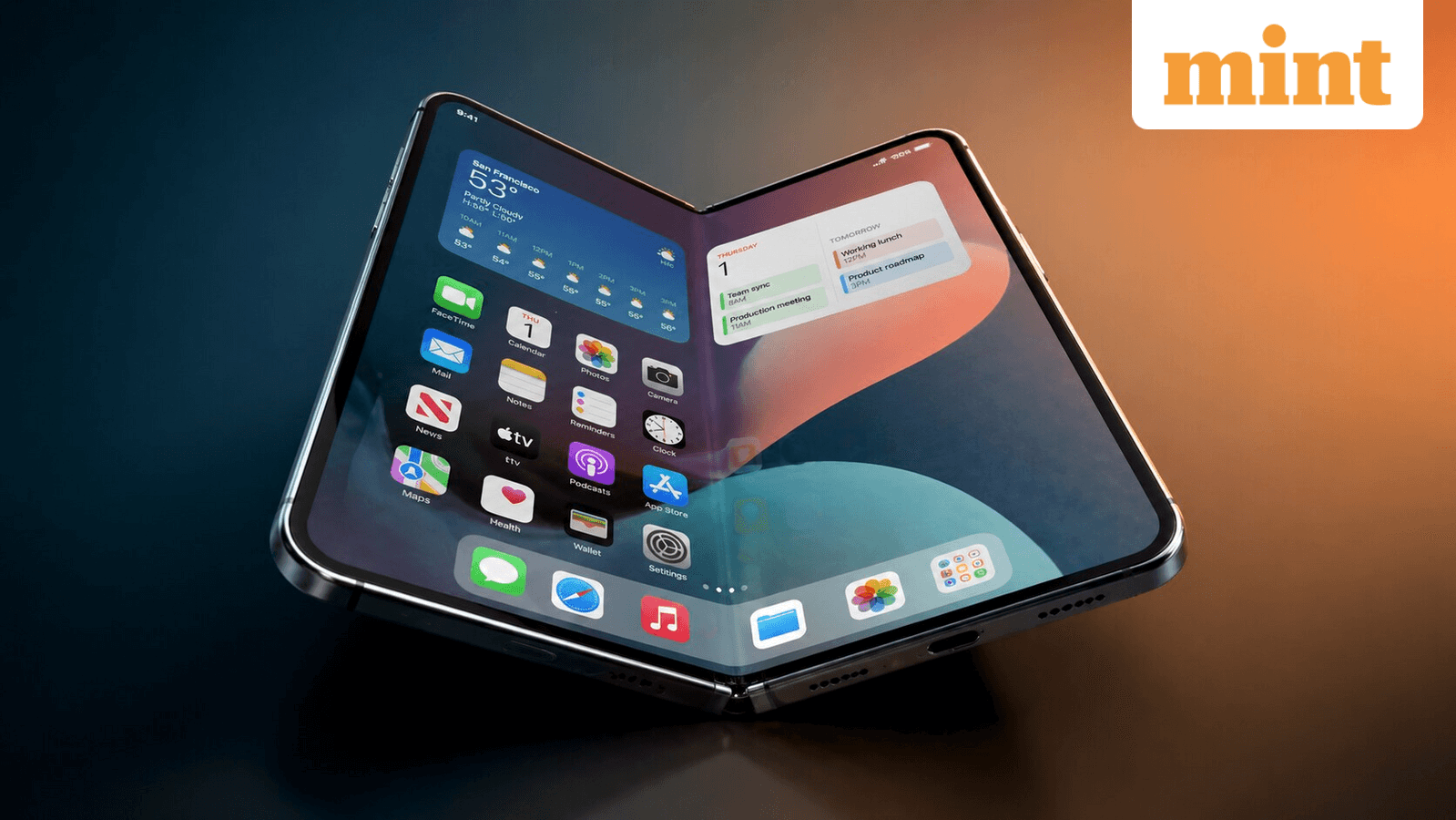
- Apple has completed final verification for the iPhone Ultra and will begin mass production by end of July
- Engineers fixed hinge noise issues discovered during millions of durability tests
- Apple will skip the standard iPhone 18 this year, focusing on Pro, Pro Max, and Ultra models
Apple's first foldable iPhone is back on schedule for a September launch after engineers fixed a critical hinge defect, according to a report from Korean outlet The Elec. The company has completed final verification on the iPhone Ultra and plans to start mass production by the end of July.
The report, citing supply chain officials in Korea and Taiwan, says Apple has locked down specifications for the display, case, and mechanical components. Foxconn, Apple's longtime manufacturing partner, is expected to begin full-scale production next month.
What was wrong with the iPhone Ultra hinge?
During development, Apple engineers ran millions of durability tests and found noise in the hinge mechanism. An unnamed Taiwan industry insider told The Elec that assembly tolerances were larger than expected, leading to a higher defect rate than Apple would accept.
“In some assembly processes, tolerances were larger than expected, resulting in a somewhat higher defect rate.”
— Taiwan industry insider, via The Elec
The hinge is the most mechanically complex component in any foldable phone. It must open and close hundreds of thousands of times without loosening, squeaking, or failing. Apple is sourcing hinge modules from Taiwan's Shinjuxing and US-based Amphenol, both using 3D printing to manufacture the parts.
The same source confirmed that most issues have been resolved, clearing the path to mass production.
When did Apple complete trial production?
Trial production wrapped up in April. During that phase, manufacturers validated the design, assembly process, and production quality before committing to full-scale manufacturing. The hinge problems surfaced during this stage, which is precisely what trial runs are designed to catch.
Samsung Display is supplying the foldable OLED panels and has received Apple's initial approval for production volumes from its Vietnam facility. This marks a significant supply chain shift. Apple has long relied on Samsung for display components, but foldable panels require entirely different manufacturing processes than the flat screens in current iPhones.
No standard iPhone 18 this year
The report reconfirms a rumor that has circulated for months: Apple will not launch a standard iPhone 18 this fall. Instead, the September event will feature the iPhone 18 Pro, iPhone 18 Pro Max, and iPhone Ultra.
The base iPhone model is expected to move to a spring 2026 launch window. This is a departure from Apple's traditional lineup structure, where all models debut together. The shift suggests Apple wants the foldable to command full attention at launch, without competing with a lower-priced sibling.
Could the iPhone Ultra still slip?
Yes. The Elec notes that while Apple is on track for a September unveiling, the iPhone Ultra's actual sale date could lag behind the Pro models if any last-minute quality issues emerge. Apple has historically delayed products rather than ship hardware it considers substandard. The original AirPods, HomePod, and Apple Watch all missed initial targets.
A foldable iPhone carries higher stakes. Apple is entering a market Samsung has dominated for five years. The Galaxy Z Fold series has shipped tens of millions of units, though foldables remain a niche. Roughly 17.5 million foldable smartphones shipped globally in 2023, a fraction of the 1.2 billion iPhones in active use.
Apple rarely enters markets first, but it tends to reshape them when it does. The iPod was not the first MP3 player. The iPhone was not the first smartphone. The question is whether the iPhone Ultra can do for foldables what those products did for their categories.
What will the iPhone Ultra cost?
Analyst estimates place the iPhone Ultra in the $1,799 to $2,499 range, comparable to Samsung's Galaxy Z Fold 6 pricing. If accurate, it would be the most expensive iPhone ever sold, positioned above the current $1,199 Pro Max.
At that price, Apple does not need mass adoption to make the iPhone Ultra profitable. The company has proven adept at extracting high margins from its premium tiers. But widespread adoption would validate foldables as a mainstream form factor, not just an enthusiast novelty.
Logicity's Take
Apple's perfectionism on the hinge is the right call, even if it caused delays. Samsung's early foldables had crease and durability complaints that took years to fix. Apple entering later with a more polished product could skip that credibility damage. The bigger question is whether consumers want to pay $2,000+ for a phone that folds. Samsung has proven there is a market. Apple will prove whether that market can scale.
Frequently Asked Questions
When will the iPhone Ultra foldable launch?
Apple is targeting a September 2025 unveiling, though the actual sale date could be delayed if quality issues arise during final production.
What was wrong with the iPhone Ultra hinge?
Engineers found noise in the hinge mechanism during durability testing. Assembly tolerances were larger than expected, leading to higher defect rates. These issues have reportedly been resolved.
Will there be an iPhone 18 this year?
No. Apple is skipping the standard iPhone 18 this fall and will instead launch only the iPhone 18 Pro, iPhone 18 Pro Max, and iPhone Ultra. The base model moves to spring 2026.
How much will the iPhone Ultra cost?
Analyst estimates suggest a price range of $1,799 to $2,499, which would make it Apple's most expensive iPhone.
Who is manufacturing the iPhone Ultra?
Foxconn is handling final assembly. Samsung Display supplies the foldable OLED panels, while Shinjuxing and Amphenol provide hinge modules using 3D printing.
Need Help Implementing This?
Planning enterprise mobility strategies around foldable devices? Logicity Labs helps companies evaluate emerging hardware for workforce deployment. Contact us for device assessment and MDM integration guidance.
Source: mint / Aman Gupta
Huma Shazia
Senior AI & Tech Writer
Produced with AI assistance and reviewed by the Logicity editorial team. Learn more in our Editorial Policy.